
Are you often around loud machinery and worried about protecting your hearing? Using ear muffs correctly can make a huge difference in keeping your ears safe and comfortable.
But did you know that wearing them the wrong way can reduce their effectiveness? You’ll discover simple, practical tips to get the most out of your ear muffs. Keep reading to learn how to protect your hearing effortlessly and enjoy your work without noise distractions.
Choosing The Right Ear Muffs
Using ear muffs protects your ears from loud noises. It is important to choose the right pair for your needs. Good ear muffs can keep your hearing safe around loud machinery.
Consider the type, noise reduction, and comfort before buying. These factors help you find the best ear muffs for your work.
Types Of Ear Muffs
There are different ear muffs designed for various uses. Passive ear muffs block noise with foam or cushioning. Active ear muffs use electronics to reduce loud sounds.
- Passive Ear Muffs:Use thick padding to block noise.
- Active Ear Muffs:Have noise-canceling technology.
- Electronic Ear Muffs:Allow some sounds but reduce harmful noise.
Noise Reduction Ratings
The Noise Reduction Rating (NRR) shows how much noise the ear muffs block. Higher NRR means better protection. Choose ear muffs with an NRR that fits your noise level.
| Noise Level (dB) | Recommended NRR |
| 80 – 90 | 15 – 20 |
| 91 – 100 | 20 – 25 |
| Above 100 | 25+ |
Comfort And Fit
Comfort is key for long use. Look for soft cushions and adjustable bands. A good fit keeps ear muffs in place and seals noise out well.
- Check for padded headbands and ear cups.
- Adjust size to fit your head snugly.
- Try ear muffs on before buying if possible.
Proper Wearing Techniques
Using ear muffs correctly helps protect your hearing from loud machinery. Proper wearing reduces noise and keeps you safe.
Learn how to position ear muffs, adjust headbands, and ensure a tight seal for the best protection.
Positioning Over Ears
Place the ear cups directly over your ears. They should cover the whole ear without pressing too hard.
Make sure no hair or glasses blocks the seal around your ears. This helps reduce noise better.
- Center the cups on your ears
- Avoid gaps between ear cups and head
- Remove glasses if they break the seal
Adjusting Headbands
Adjust the headband to fit snugly but comfortably on your head. It should hold the ear cups firmly in place.
Too tight causes discomfort; too loose lets noise in. Find a balance for long wear without pain.
- Stretch the headband to fit your head size
- Check that ear cups stay in position when moving
- Re-adjust if the ear muffs slip or feel loose
Ensuring A Secure Seal
The ear muffs must seal tightly around your ears to block noise. Check the foam or cushion for damage.
Replace worn cushions to keep a good seal. Avoid gaps caused by hair or objects between the skin and ear cups.
- Inspect cushions for cracks or wear
- Press ear cups gently to confirm tight seal
- Keep hair and accessories away from the seal area
Maintenance And Care
Taking care of your ear muffs helps them last longer. Proper maintenance keeps them clean and effective.
Regular checks and simple cleaning protect your ears from loud noise safely.
Cleaning Ear Muffs
Clean ear muffs after every use. Dirt and sweat reduce their comfort and protection.
Use a soft cloth with mild soap and water. Avoid soaking the ear cushions or electronic parts.
- Wipe the headband and outer parts gently
- Use a damp cloth, not dripping wet
- Dry completely before storing
- Do not use harsh chemicals or alcohol
Storing Correctly
Store ear muffs in a cool, dry place away from sunlight. This prevents damage and fading.
Avoid placing heavy items on top. Keep them in a case or on a hook to keep shape.
- Use a storage bag or box
- Keep away from heat sources
- Do not crush or bend the ear cushions
- Store separately from sharp objects
Replacing Cushions And Parts
Check cushions and parts regularly for wear and tear. Replace any damaged or worn pieces quickly.
Using old cushions lowers noise protection and comfort. Follow the manufacturer’s guide for replacements.
- Replace cushions if cracked or flattened
- Change headbands if broken or loose
- Use only parts made for your ear muffs model
- Keep spare parts handy for quick fixes

Credit: hsi.com
Safety Tips For Loud Environments
Working near loud machinery can damage your hearing. Using ear muffs helps protect your ears from harmful noise.
It is important to follow safety tips to keep your hearing safe in noisy places.
Combining Ear Muffs With Other Ppe
Ear muffs work best when used with other personal protective equipment (PPE). You should wear safety glasses and hard hats for full protection.
- Wear safety glasses to protect your eyes from debris.
- Use hard hats to shield your head from falling objects.
- Make sure ear muffs fit well with other PPE.
- Check that ear muffs do not interfere with respiratory masks.
Monitoring Noise Exposure
Keep track of noise levels to avoid hearing damage. Use noise meters to measure sound in your work area.
| Noise Level (dB) | Safe Exposure Time |
| 85 | 8 hours |
| 90 | 2 hours |
| 95 | 30 minutes |
| 100 | 15 minutes |
Recognizing Signs Of Hearing Damage
Watch for signs that your hearing may be harmed. Early detection helps prevent further damage.
- Ringing or buzzing in your ears after work
- Difficulty hearing conversations or sounds
- Feeling that sounds are muffled or unclear
- Needing to turn up the volume on devices
Common Mistakes To Avoid
Using ear muffs for loud machinery protects your hearing. Many people make mistakes that reduce their safety. Avoid these common errors to keep your ears safe.
Proper use and care of ear muffs help them work well. Learn what to avoid for better protection.
Wearing Ear Muffs Incorrectly
Ear muffs must fit snugly over your ears. Wearing them too loose or on top of hats lowers protection. Make sure the cushions fully cover your ears.
Keep hair and glasses clear of the seal to avoid gaps. Check the fit before starting work with loud machines.
- Do not wear ear muffs over hats or helmets
- Keep the cushions pressed firmly against your head
- Avoid loose or tilted placement
- Clear hair and glasses from the ear cushions
Ignoring Maintenance
Ear muffs need regular cleaning and checks. Dirt and sweat can damage cushions and reduce comfort. Replace worn parts to keep proper noise protection.
Ignoring maintenance can cause ear muffs to fail when you need them most. Inspect ear cushions and headbands often for cracks or damage.
- Clean cushions with mild soap and water
- Check for cracks or tears in cushions
- Replace damaged cushions and headbands promptly
- Store ear muffs in a dry, cool place
Using Inadequate Protection
Not all ear muffs block the same noise levels. Using low-rated ear muffs near loud machines puts your hearing at risk. Choose ear muffs with the right noise reduction rating (NRR).
Do not assume one size fits all work situations. Match the ear muffs to the noise level and type of machinery.
- Check the NRR before buying ear muffs
- Use higher NRR for louder machines
- Consider double protection for very loud environments
- Replace ear muffs if they no longer reduce noise well
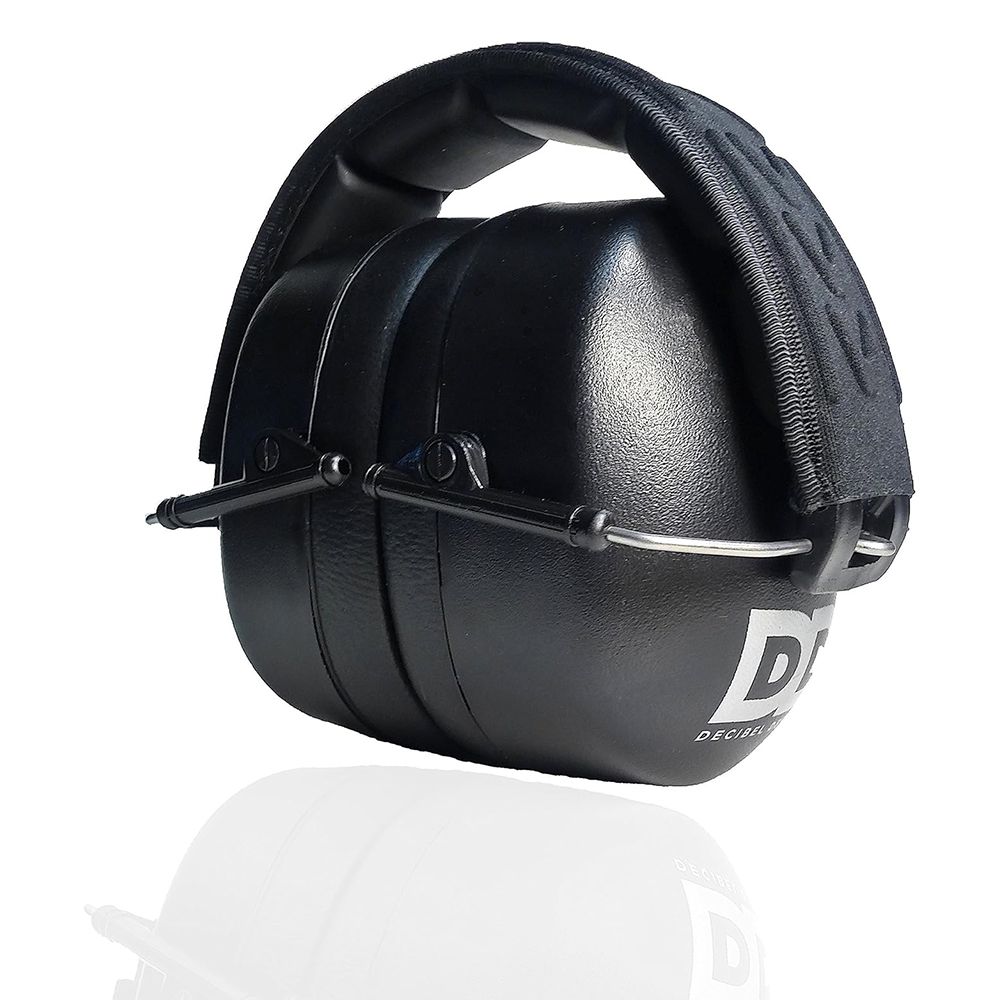
Credit: www.popularmechanics.com

Credit: www.popularmechanics.com
Frequently Asked Questions
What Are The Best Ear Muffs For Loud Machinery?
The best ear muffs block 25-30 decibels of noise. Look for adjustable, comfortable, and durable models. Ensure they fit well for maximum protection during machinery use.
How Should Ear Muffs Fit For Loud Machinery?
Ear muffs should fully cover your ears without gaps. They must be snug but not tight. Proper fit ensures effective noise reduction and comfort during extended use.
Can I Wear Ear Muffs With Other Safety Gear?
Yes, ear muffs can be worn with helmets and goggles. Choose low-profile models for easy compatibility. Proper combination enhances overall safety without compromising noise protection.
How Often Should I Replace Ear Muffs Used With Machinery?
Replace ear cushions and headbands every 6-12 months. Inspect for cracks or wear regularly. Timely replacement maintains optimal noise reduction and comfort.
Conclusion
Ear muffs protect your ears from loud machinery noise. Choose the right fit for comfort and protection. Regularly check ear muffs for damage. Clean them to maintain hygiene and efficiency. Store ear muffs in a dry place. This ensures durability.
Remember, your hearing is precious. Prioritize it in noisy environments. Good ear protection leads to better hearing health. Always wear ear muffs when needed. You will thank yourself later. Stay safe and protect your ears. Keep these tips in mind and enjoy a safer work experience.