When it comes to your home, safety should always be your top priority—especially when dealing with electricity. You might not realize how many hidden dangers could be lurking behind your walls, outlets, or appliances.
But don’t worry, you’re not alone. By learning a few simple electrical safety tips, you can protect yourself, your family, and your property from accidents that are often avoidable. Keep reading, because these easy-to-follow steps could save you from costly repairs or even serious injury.
Your peace of mind starts here.
Common Electrical Hazards At Home
Electrical hazards cause many accidents in houses. Knowing the risks helps keep you safe.
Some dangers come from old wiring, too many devices, or water near electricity.
Faulty Wiring
Old or damaged wiring can cause shocks or fires. Wires that are frayed or loose are unsafe.
Signs of faulty wiring include flickering lights and burning smells.
Overloaded Circuits
Too many devices on one circuit cause overheating. This can lead to power cuts or fires.
- Do not plug many appliances into one outlet.
- Use power strips with circuit breakers.
- Turn off devices when not in use.
- Have an electrician add more outlets if needed.
Water And Electricity Risks
Water and electricity do not mix. Wet hands or floors near outlets cause shocks.
| Risk | Prevention |
| Using appliances near water | Keep devices away from sinks and tubs |
| Wet hands touching plugs | Always dry hands before using |
| Leaks near outlets | Fix leaks and avoid water near electrical points |

Credit: www.esfi.org
Safe Use Of Electrical Appliances
Electrical appliances make life easier at home. Using them safely helps stop accidents and fires.
Follow simple rules to protect your family and property. Learn how to handle appliances the right way.
Proper Plugging And Unplugging
Always plug appliances fully into the outlet. Loose plugs can cause sparks and fires.
When unplugging, hold the plug, not the cord. Pulling the cord can damage wires inside.
Avoiding Damaged Cords
Check cords for cracks, frays, or exposed wires. Damaged cords are a shock and fire risk.
Do not run cords under rugs or furniture. This can wear them out and hide damage.
- Replace cords that show signs of damage
- Keep cords away from heat and water
- Use cord protectors in high-traffic areas
Regular Appliance Maintenance
Clean appliances regularly to keep them working well. Dust and dirt can cause overheating.
Check for signs of wear and tear. Fix or replace parts to avoid malfunctions and hazards.
Installing And Maintaining Safety Devices
Electrical safety devices protect your home and family from hazards. Installing them correctly keeps your home safe. Regular checks help these devices work well.
Learn how to use circuit breakers, GFCIs, and detectors. Each device has a role in preventing accidents and fires.
Circuit Breakers And Fuses
Circuit breakers and fuses stop electrical overloads. They cut power to avoid fires and shocks. Install breakers that fit your home’s power needs.
- Check breakers monthly for signs of wear or damage.
- Replace blown fuses with the correct type and rating.
- Do not use makeshift repairs like foil to fix fuses.
- Hire a licensed electrician for installation or repairs.
Ground Fault Circuit Interrupters (gfcis)
GFCIs protect from electric shocks in wet areas. Bathrooms, kitchens, and outdoor outlets need GFCIs. Test them every month to ensure they work.
| Location | Why Use GFCI | Test Frequency |
| Bathroom | High moisture risk | Monthly |
| Kitchen | Near water sources | Monthly |
| Outdoor outlets | Exposure to rain | Monthly |
| Garage | Possible dampness | Monthly |
Smoke And Carbon Monoxide Detectors
Detectors warn about smoke and deadly gases. Place smoke detectors on every floor and near bedrooms. Carbon monoxide detectors should be near sleeping areas.
- Test detectors monthly to check battery and alarms.
- Change batteries twice a year or as needed.
- Replace detectors every 7 to 10 years.
- Keep detectors clean and dust-free for accuracy.
Tips For Electrical Repairs And Upgrades
Electrical repairs and upgrades keep your home safe and efficient. Doing them right helps avoid accidents and power problems.
Knowing when to get help, how to work safely, and when to update old systems is important for every homeowner.
When To Call A Professional
Some electrical tasks need a licensed electrician. This helps prevent serious risks like shocks or fires.
Call a professional if you see sparks, burning smells, or frequent breaker trips. They can also help with major upgrades.
- If you do not understand the wiring
- When installing new circuits or panels
- If outlets or switches feel hot
- When replacing or upgrading your electrical panel
- If you notice damaged or frayed wires
Diy Precautions
Small repairs can be done safely by homeowners. Always turn off power before working on any electrical device.
Use insulated tools and wear rubber-soled shoes to reduce shock risk. Never work on wet surfaces or damp areas.
- Switch off the circuit breaker first
- Test with a voltage tester before touching wires
- Follow instructions on electrical parts carefully
- Keep children and pets away while working
- Wear safety glasses and gloves
Upgrading Old Electrical Systems
Old wiring and panels can cause safety hazards and power issues. Upgrading improves home safety and efficiency.
Replace outdated wiring, add more outlets, and update your breaker panel to handle modern power needs.
- Check for aluminum wiring and replace if needed
- Install ground fault circuit interrupters (GFCIs) in wet areas
- Upgrade from fuse boxes to circuit breakers
- Add more outlets to avoid overloading circuits
- Ensure wiring meets current safety codes
Childproofing Electrical Outlets
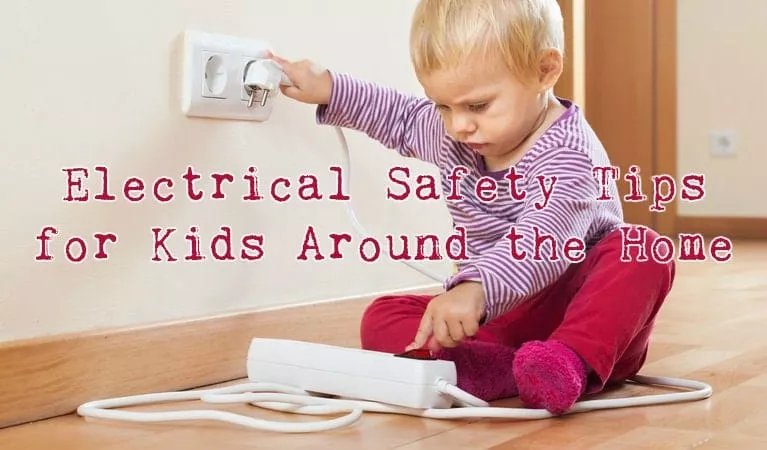
Electrical outlets can be dangerous for young children. They might try to insert objects or fingers into the sockets. Protecting outlets helps prevent shocks and injuries.
Simple safety steps can keep your child safe around electricity. Use outlet covers, manage cords, and teach children about risks.
Using Outlet Covers
Outlet covers block access to electrical sockets. They stop children from putting fingers or toys inside. Choose covers that fit tightly and are hard to remove.
- Use plastic plug covers for unused outlets.
- Consider sliding outlet covers for frequently used sockets.
- Check covers regularly for damage or looseness.
- Replace covers immediately if broken or missing.
Safe Placement Of Cords
Cords can cause trips, pulls, and electric shocks. Keep cords out of children’s reach. Secure loose cords to walls or furniture.
| Tip | Why It Helps |
| Hide cords behind furniture | Prevents pulling and chewing |
| Use cord shorteners | Stops excess cord from dangling |
| Avoid placing cords near play areas | Reduces risk of trips and shocks |
| Unplug unused devices | Limits access to live cords |
Educating Children About Electricity
Teaching kids about electricity helps them understand danger. Use simple words and examples they can relate to. Make sure they know not to touch outlets or cords.
- Explain that electricity is powerful and not a toy.
- Show them safe places to plug and unplug devices.
- Teach them to tell an adult if they see broken outlets or wires.
- Use stories or drawings to make lessons clear and fun.

Credit: www.esfi.org
Outdoor Electrical Safety Tips
Outdoor electrical safety is very important for all homeowners. Using electricity outside needs extra care to avoid accidents.
Follow simple rules to keep your family safe and prevent electrical hazards outdoors.
Safe Use Of Extension Cords
Only use extension cords made for outdoor use. These cords are stronger and can handle weather changes.
Do not plug many devices into one extension cord. This can cause overheating and fires.
- Choose cords with a weather-resistant jacket
- Check cords for damage before use
- Keep cords away from walkways to avoid tripping
- Do not use indoor cords outside
Keeping Electrical Equipment Dry
Water and electricity are a dangerous mix. Always keep outdoor electrical equipment dry to avoid shocks.
Place electrical devices under covers or in dry areas. Use waterproof covers if needed.
- Do not touch electrical equipment with wet hands
- Store tools and cords away from rain or puddles
- Unplug devices before cleaning them
Grounding Outdoor Installations
Grounding helps protect you from electrical shocks. It directs electricity safely to the ground.
Make sure outdoor outlets and equipment are properly grounded. Use ground fault circuit interrupters (GFCIs) for added safety.
- Check that outdoor outlets have grounding plugs
- Install GFCI outlets in all outdoor areas
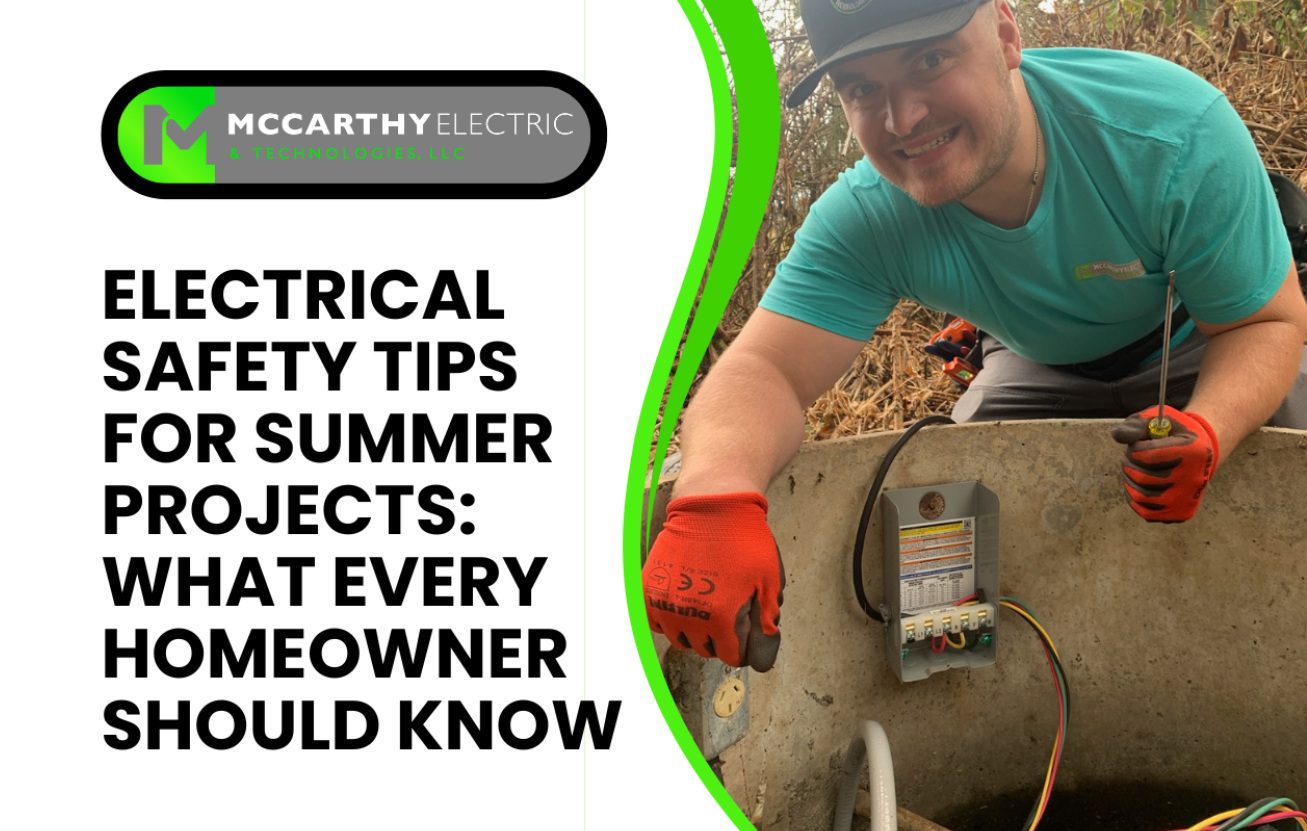
- Hire a professional to inspect outdoor wiring
Credit: mccarthyelectricandtechnologies.com
Frequently Asked Questions
What Are The Basic Electrical Safety Tips For Homeowners?
Always turn off power before repairs. Avoid overloading outlets. Use certified electrical devices and keep cords in good condition. Regularly check for exposed wires and install Ground Fault Circuit Interrupters (GFCIs) in wet areas to prevent shocks and fires.
How Can I Prevent Electrical Fires At Home?
Keep flammable materials away from electrical devices. Avoid using damaged cords and never overload power strips. Regularly inspect wiring and replace outdated or faulty components. Install smoke detectors and have a professional inspect your electrical system annually.
When Should I Call An Electrician For Home Electrical Issues?
Call an electrician if you notice flickering lights, frequent circuit breaker trips, or burning smells. Avoid DIY fixes for complex issues. Professional help ensures safety and prevents further damage or hazards in your home.
Are Extension Cords Safe For Permanent Use At Home?
No, extension cords are for temporary use only. Prolonged use can cause overheating and fire risks. Use proper wiring and additional outlets installed by a professional for permanent electrical needs.
Conclusion
Staying safe at home with electricity is essential. Always check for frayed wires. Avoid overloading your outlets. Keep water away from electrical sources. Teach kids about electrical safety. Unplug devices when not in use. Use proper wattage for your fixtures.
Install ground fault circuit interrupters in wet areas. Regularly inspect your electrical system. Call a professional for repairs. Remember, safety comes first. By taking these steps, you protect your home and loved ones. Stay informed and cautious. Make your home a safer place.