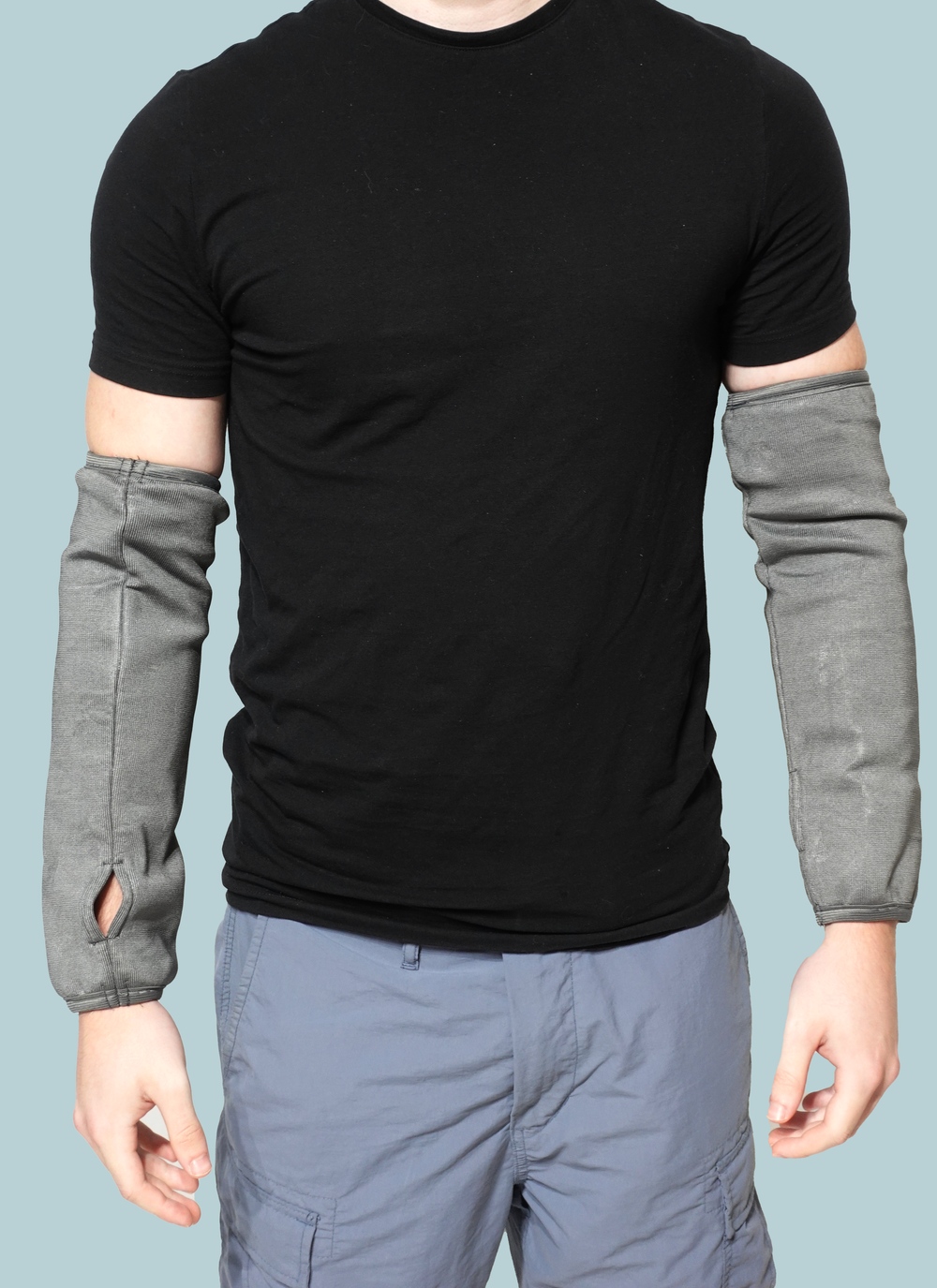
When it comes to protecting your arms from sharp objects, choosing the right cut-resistant sleeves can make all the difference. You want sleeves that keep you safe without slowing you down or causing discomfort.
But with so many options out there, how do you know which ones are best for your needs? This guide will help you cut through the confusion and find sleeves that fit perfectly, feel comfortable, and offer the protection you deserve.
Keep reading to discover simple tips that will make your choice easier and keep your arms safe every time you work.

Credit: www.bodyarmourcanada.com
Importance Of Cut-resistant Sleeves
Cut-resistant sleeves protect your arms from sharp objects. They help reduce injuries at work or during tasks.
Choosing the right sleeves is important for safety and comfort. They keep you safe without slowing you down.
Understand Your Risk Level
Know the type of cuts you might face. Different jobs need different levels of protection.
High-risk jobs need sleeves with stronger cut resistance. Low-risk tasks can use lighter sleeves.
Check Material Quality
Materials like Kevlar, Dyneema, and metal mesh offer strong cut resistance. The fabric should be durable and flexible.
Good materials last longer and provide better protection. Avoid sleeves that tear or wear out quickly.
Consider Comfort And Fit
Sleeves should fit well without being too tight or loose. Comfort helps you wear them for long hours.
Look for breathable fabrics that reduce sweating. Flexible sleeves allow easy arm movement.
Verify Industry Standards
Check if the sleeves meet safety standards. Standards like ANSI or EN show tested cut protection.
Using certified sleeves ensures you get reliable protection. Look for labels or tags with standard info.
Match Sleeves To Your Work Environment
Consider the temperature and conditions where you work. Some sleeves are better for hot or cold environments.
Water-resistant or heat-resistant sleeves may be needed. Choose sleeves that fit your daily work tasks.

Credit: www.bodyarmourcanada.com
Materials Used In Sleeves
Cut-resistant sleeves protect your arms from sharp edges and cuts. The material you choose affects comfort and safety. Different materials offer different levels of cut resistance and flexibility.
Understanding the materials helps you pick the right sleeve for your work. This guide covers high-performance fibers and coatings used in cut-resistant sleeves.
High-performance Fibers
High-performance fibers provide strength and cut resistance. These fibers are often blended to improve durability and comfort.
- Kevlar: Lightweight and strong, resists cuts and heat.
- Dyneema: Very strong and flexible, offers high cut protection.
- Steel Fiber: Thin steel threads woven into fabric for extra cut resistance.
- HPPE (High-Performance Polyethylene): Strong and lightweight, commonly used in industrial gloves.
- Glass Fiber: Adds cut resistance but can be less flexible and comfortable.
Coatings And Treatments
Coatings improve grip and add extra protection to sleeves. They also help sleeves last longer in tough conditions.
| Coating Type | Benefits | Typical Use |
| Nitrile | Good grip, oil resistant | Wet and oily environments |
| Polyurethane (PU) | Flexible, abrasion resistant | Fine handling tasks |
| Latex | Excellent grip, stretchable | General purpose |
| Silicone | Heat resistance, grip | High temperature work |
Choosing The Right Protection Level
Choosing cut-resistant sleeves means picking the right protection level. Different tasks need different strength levels. This guide helps you understand key points for your choice.
Good protection balances safety and comfort. Too little protection risks injury. Too much can reduce flexibility and slow work.
Cut Resistance Ratings
Cut resistance ratings show how well sleeves protect against cuts. These ratings come from tests using sharp blades or knives. The higher the rating, the better the protection.
| Rating System | Description | Protection Level |
| ANSI/ISEA | Scale from A1 to A9 | A1 (lowest) to A9 (highest) |
| EN 388 | Scale from 1 to 5 | 1 (lowest) to 5 (highest) |
| ISO 13997 | Letter scale from A to F | A (lowest) to F (highest) |
Choose a rating that fits the risk level of your work. Low-risk jobs need lower ratings. High-risk jobs need stronger sleeves.
Balancing Flexibility And Safety
Protection is important, but so is comfort. Sleeves that are too stiff can slow your work. Sleeves that are too soft may not protect enough.
- Look for sleeves that fit well and allow easy movement.
- Check the material to ensure it is light but strong.
- Choose sleeves that breathe to keep your arms cool.
- Consider the length for full arm protection without excess bulk.
Try different sleeves if possible. Find one that feels safe and lets you work freely.
Fit And Comfort Considerations
Cut-resistant sleeves protect your arms from sharp objects. Choosing the right fit and comfort is key for long use.
Ill-fitting sleeves can limit movement and cause discomfort. Focus on sizing and material features for the best experience.
Sizing For Mobility
Sleeves must allow full arm movement. Too tight sleeves can squeeze and reduce blood flow. Too loose sleeves may slide down or catch on tools.
- Measure your arm length from wrist to elbow.
- Check the sleeve’s size chart carefully.
- Look for flexible materials that stretch with your arm.
- Ensure the sleeve stays in place during work.
- Try sleeves on to test comfort and movement.
Breathability And Weight
Breathable sleeves reduce sweat and keep you cool. Lightweight sleeves add comfort without extra bulk.
| Feature | Benefit |
| Breathable Fabric | Allows air flow to reduce sweat |
| Lightweight Material | Prevents arm fatigue during long use |
| Moisture-Wicking | Keeps skin dry and comfortable |
| Durable Weave | Provides cut resistance without heaviness |
Durability And Maintenance
Cut-resistant sleeves protect your arms from cuts and scratches. They need to last long and stay safe.
Good durability means the sleeves resist damage. Proper maintenance keeps them working well.
Wear And Tear Indicators
Check sleeves often for signs of wear. Look for holes, thinning fabric, or loose threads.
- Small holes or tears reduce protection.
- Fabric that feels thinner may break easily.
- Loose threads can catch and worsen damage.
- Discoloration may mean material is worn out.
Cleaning Guidelines
Clean sleeves carefully to keep their strength. Use mild soap and cold water for washing.
| Cleaning Step | Instructions |
| Washing | Hand wash or gentle machine cycle |
| Detergent | Use mild detergent only |
| Drying | Air dry; do not use dryer |
| Storage | Keep in cool, dry place |
Industry-specific Requirements
Choosing cut-resistant sleeves depends on the industry you work in. Different jobs have unique safety needs. Understanding these needs helps pick the right sleeves.
We will look at two main industries: manufacturing and construction, and food processing and handling. Each has special requirements for cut-resistant sleeves.
Manufacturing And Construction
Workers in manufacturing and construction face risks from sharp tools and materials. Cut-resistant sleeves must protect against these hazards. Durability and comfort are also important.
- Choose sleeves with high cut-resistance ratings (such as ANSI or EN standards).
- Look for sleeves that resist abrasion and tearing.
- Ensure sleeves fit well to avoid catching on machinery.
- Consider sleeves made with materials like Kevlar or high-performance polyethylene.
- Check if sleeves allow good movement and breathability for long shifts.
Food Processing And Handling
Food processing requires sleeves that protect workers while keeping hygiene. Sleeves should resist cuts but also be easy to clean and food safe.
| Feature | Importance | Reason |
| Cut Resistance | High | Protects from sharp knives and equipment |
| Food Safety | High | Prevents contamination |
| Washability | Medium | Allows frequent cleaning |
| Comfort | Medium | Supports long hours of work |
| Non-slip | Low | Helps grip tools and food items |
Cost Vs. Safety Trade-offs
Choosing cut-resistant sleeves means balancing cost and safety. You want protection but also need to keep expenses low.
Understanding this trade-off helps you pick sleeves that fit your budget and reduce injury risks.
Material Quality And Price
Higher-quality materials usually cost more. They offer better cut resistance and last longer. Cheaper materials may wear out quickly and offer less protection.
Level Of Protection Needed
Assess the risk level of your work tasks. Higher risk means you should choose sleeves with stronger cut resistance. This often increases cost but improves safety.
Durability And Replacement Frequency
Durable sleeves cost more upfront but reduce replacement needs. Frequent replacements with cheaper sleeves can add up. Choose sleeves that last longer for better value.
Comfort Vs. Cost
Comfort affects how often workers wear sleeves. Comfortable sleeves might cost more but ensure consistent use. Uncomfortable sleeves might be cheaper but less effective if not worn.
Cost Comparison Of Common Sleeve Types
| Sleeve Type | Average Cost | Cut Resistance Level |
| Basic Nylon | Low | Low |
| Kevlar Blend | Medium | Medium |
| Steel Mesh | High | High |
Certifications And Standards
Cut-resistant sleeves protect workers from sharp objects. Choosing the right sleeves means checking their certifications. These standards show how well the sleeves perform in tests.
Understanding certifications helps you pick sleeves that meet safety needs. It also ensures sleeves fit your work environment.
Recognized Testing Bodies
Testing bodies are groups that test cut-resistant sleeves for safety. They use strict rules to measure protection levels. Their results guide buyers on sleeve quality.
Some well-known testing bodies include:
- ANSI (American National Standards Institute)
- EN (European Norms)
- ISO (International Organization for Standardization)
- ASTM (American Society for Testing and Materials)
Compliance Marks To Look For
Compliance marks show sleeves meet certain standards. They appear on product labels or packaging. These marks help confirm the sleeve’s cut resistance level.
Common compliance marks include:
- ANSI/ISEA 105: Shows cut protection levels in the U.S.
- EN 388: European standard for protective gloves and sleeves
- CE Mark: Shows product meets EU safety rules
- ISO 13997: Measures cut resistance with a specific test

Credit: www.amazon.com
Frequently Asked Questions
What Materials Are Best For Cut-resistant Sleeves?
Cut-resistant sleeves made from high-performance fibers like Kevlar, Dyneema, and stainless steel offer superior protection. These materials provide excellent cut resistance while maintaining flexibility and comfort for prolonged wear.
How To Choose The Right Sleeve Size?
Select sleeves that fit snugly without restricting movement. Proper sizing ensures optimal protection and comfort, reducing the risk of exposure to cuts during work.
Can Cut-resistant Sleeves Be Washed Safely?
Yes, most cut-resistant sleeves are machine washable. Follow manufacturer instructions to maintain durability and protection. Avoid bleach or fabric softeners that can degrade fibers.
Are Cut-resistant Sleeves Suitable For All Industries?
Cut-resistant sleeves are ideal for industries like manufacturing, construction, and food processing. They protect workers from sharp objects and reduce injury risks in various work environments.
Conclusion
Choosing the right cut-resistant sleeves is crucial for safety. Consider material and fit. Ensure comfort for long wear. Check the sleeve’s cut level rating. Higher ratings offer better protection. Assess workplace hazards and match sleeve features. Look for breathable and flexible options.
This ensures both safety and ease of movement. Always prioritize quality over price. Protect your arms and maintain productivity. Remember, investing in safety reduces injury risks. Stay safe with the right sleeves. Make informed choices for your protection.