If you’ve ever tried to shape copper pipes without the right tool, you know how tricky it can be. Using a pipe bender for copper pipes makes the job easier, faster, and more precise.
Imagine bending pipes smoothly without kinks or cracks—saving you time and frustration. Whether you’re a DIY enthusiast or tackling a plumbing project, mastering this tool can change the way you work. Keep reading to discover simple tips and tricks that will help you bend copper pipes like a pro.
Your next project will thank you!

Credit: www.eliterooter.com
Choosing The Right Pipe Bender
Using a pipe bender helps shape copper pipes without damage. Picking the right bender makes your work easier and more precise.
There are many types of pipe benders. Knowing the right one to use depends on pipe size and bending needs.
Types Of Pipe Benders
Pipe benders come in several types. Each type works best for specific jobs and pipe materials.
- Manual Benders: Use hand force for simple bends.
- Hydraulic Benders: Use fluid pressure for heavy work.
- Electric Benders: Powered for fast, precise bending.
- Rotary Draw Benders: Provide smooth curves for tight bends.
Selecting Based On Pipe Diameter
Pipe diameter affects your bender choice. Bigger pipes need stronger or larger benders.
Small pipes fit in compact benders. Large pipes need heavy-duty tools to bend properly.
| Pipe Diameter | Recommended Bender Type |
|---|---|
| 1/4 inch to 1/2 inch | Manual or small electric benders |
| 1/2 inch to 1 inch | Hydraulic or manual benders with higher capacity |
| Above 1 inch | Hydraulic or electric benders with strong force |
Manual Vs Hydraulic Benders
Manual benders need hand strength and are good for small jobs. They cost less and work well for thin pipes.
Hydraulic benders use fluid pressure to bend thick pipes easily. They save effort and give smooth bends but cost more.
- Manual benders are lightweight and portable.
- Hydraulic benders handle larger pipes with less effort.
- Manual benders suit occasional or small projects.
- Hydraulic benders work better for frequent, heavy jobs.

Credit: www.amazon.ca
Preparing Copper Pipes For Bending
Using a pipe bender for copper pipes requires good preparation. Proper steps help avoid damage and make smooth bends.
Preparing the pipes well saves time and ensures the pipe fits correctly in your project.
Cleaning And Inspecting Pipes
Clean pipes remove dirt and oils that can affect bending. Use a cloth or brush to wipe the outside and inside.
Look closely for dents, cracks, or corrosion. Damaged pipes can break or bend badly during the process.
- Use a wire brush or sandpaper for tough grime
- Check for smooth surfaces without dents
- Discard pipes with cracks or heavy corrosion
Measuring And Marking Bend Points
Measure the pipe carefully to find where to bend. Mark these points with a fine marker or pencil.
Marking helps keep bends accurate and ensures the pipe fits in the space needed.
- Use a tape measure for exact lengths
- Mark the outer side of the bend
- Double-check measurements before bending
Supporting Pipes To Prevent Kinks
Support pipes inside or along their length to stop kinks. Use a pipe filler or sand to keep shape.
Secure the pipe well in the bender and support the ends to avoid sharp bends or damage.
- Fill the pipe with sand or use a spring support
- Clamp the pipe firmly in the bender
- Hold the pipe steady while bending
Bending Techniques For Copper Pipes
Bending copper pipes is a common task in plumbing and HVAC work. Using a pipe bender helps shape pipes without kinking or damaging them.
Good bending techniques make sure the pipe stays strong and fits perfectly in tight spaces.
Setting Up The Pipe Bender
Place the pipe bender on a flat surface. Make sure it is clean and free of debris. Choose the right size bender for your pipe diameter.
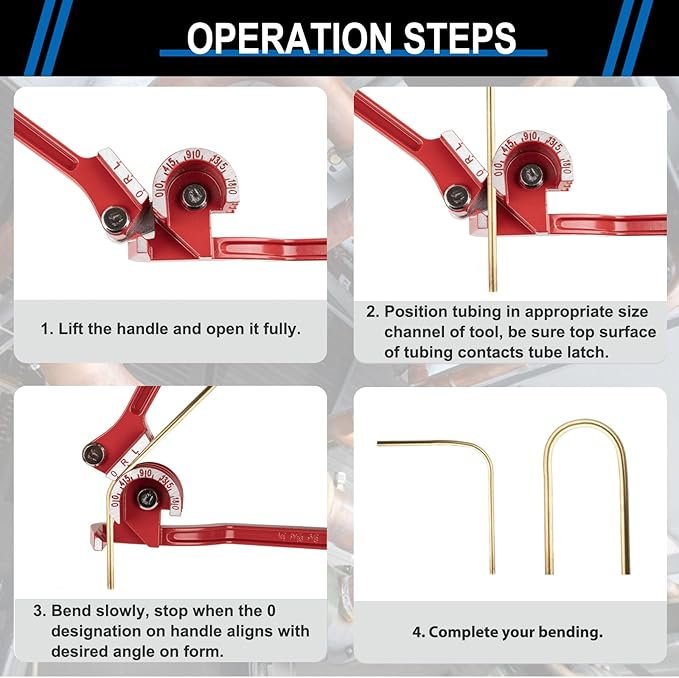
Insert the copper pipe into the bender’s groove. Align the pipe with the angle mark you want to bend to. Secure the pipe firmly before bending.
- Check bender size matches pipe diameter
- Clean pipe and bender surfaces
- Align pipe with angle marks
- Secure pipe to prevent slipping
Applying Consistent Pressure
Slowly pull the handle or lever of the pipe bender. Use steady and even pressure to bend the pipe smoothly. Avoid quick or jerky movements.
Keep checking the pipe angle as you bend. Stop when you reach the desired bend to prevent over-bending or damaging the pipe.
- Pull handle slowly and steadily
- Keep pressure even throughout
- Watch the bend angle often
- Stop bending at the correct angle
Avoiding Common Bending Mistakes
Do not bend the pipe too fast or apply uneven pressure. This can cause kinks or cracks. Avoid bending the same spot multiple times.
Make sure the pipe is free of dirt and oil before bending. Clean pipes bend more easily and reduce damage. Use the right bender size and type for your pipe.
- Do not bend too fast
- Apply even pressure only
- Do not bend the same spot repeatedly
- Clean pipe before bending
- Use correct bender size and type
Dealing With Different Bend Angles
Bending copper pipes requires care to avoid damage. Different angles need different techniques. Using a pipe bender properly helps get the right shape.
This guide explains how to handle sharp and gentle bends. It also covers using templates and angle guides for accuracy.
Sharp Vs Gentle Bends
Sharp bends have a small radius and can stress the pipe. Gentle bends have a larger radius and keep the pipe safe. Knowing which to use is important.
- Sharp Bends:Use slow and steady pressure to avoid kinks.
- Gentle Bends:Apply even force for smooth curves.
- Pipe Thickness:Thicker pipes handle sharper bends better.
- Support:Use pipe supports to keep shape during bending.
- Check for Damage:Inspect bends for cracks or flattening.
Using Templates And Angle Guides
Templates and angle guides help achieve precise bends. They reduce mistakes and save time when bending multiple pipes.
| Tool | Purpose | Benefit |
|---|---|---|
| Angle Guide | Shows the bend angle during bending | Ensures accurate and repeatable angles |
| Template | Pipe shape outline to match | Helps follow complex bend patterns |
| Protractor | Measures angles precisely | Confirms exact bend degree |
Troubleshooting Bend Issues
Bending copper pipes can be tricky. Sometimes the pipe does not bend as expected.
Common problems include flattening, wrong angles, and springback. Fixing these issues ensures a good fit.
Fixing Flattened Or Wrinkled Pipes
Flattened or wrinkled pipes happen when the pipe wall is too thin or the bend is too sharp.
Use a pipe bender with a proper die size. Add sand or use a bending spring inside the pipe to keep its shape.
- Fill the pipe with sand before bending
- Use a bending spring to support the pipe
- Bend slowly and evenly to avoid wrinkles
- Choose a die that matches the pipe size
Correcting Inaccurate Angles
Inaccurate angles occur when the pipe is not aligned well or bent too fast.
Mark the pipe before bending. Bend slowly and check the angle often. Use a protractor or angle finder for precision.
- Mark the pipe at the bend point
- Bend slowly to control the angle
- Use angle tools to check bends
- Make small adjustments if needed
Handling Pipe Springback
Pipe springback is the pipe straightening a bit after bending. It causes the angle to be less than planned.
To handle springback, bend the pipe slightly past the desired angle. Test on a scrap piece to learn how much extra bend is needed.
- Bend a little beyond the target angle
- Use scrap pipes to practice
- Adjust the bend based on material thickness
- Keep notes of springback for future bends

Credit: www.amazon.co.uk
Maintaining Your Pipe Bender
Keeping your pipe bender in good condition helps it last longer. Regular care ensures smooth bending of copper pipes.
Simple maintenance tasks can prevent damage and improve performance. Focus on cleaning, storage, and inspections.
Cleaning And Lubrication
After each use, clean the pipe bender to remove dirt and debris. Use a soft cloth to wipe all parts.
- Remove metal shavings or dust from moving parts
- Apply light machine oil to hinges and joints
- Check for rust spots and clean them promptly
- Wipe off excess lubricant to avoid dirt buildup
Storage Tips
Store your pipe bender in a dry place to prevent rust. Keep it in a toolbox or on a shelf away from moisture.
| Storage Location | Reason |
| Toolbox | Protects from dust and damage |
| Dry Shelf | Prevents rust and corrosion |
| Hanging Rack | Keeps tool organized and accessible |
Regular Inspection And Repairs
Check your pipe bender often for wear or damage. Look at handles, rollers, and bending dies.
- Inspect for cracks or dents in metal parts
- Tighten any loose screws or bolts
- Replace worn parts to keep bending accurate
- Test the tool before each use to ensure smooth operation
Frequently Asked Questions
What Is The Best Pipe Bender For Copper Pipes?
The best pipe bender for copper pipes is a manual or hydraulic bender. It ensures precise, smooth bends without damaging the pipe. Choose one designed for copper’s diameter and thickness for optimal results.
How Do You Use A Pipe Bender On Copper Pipes?
Place the copper pipe in the bender’s groove. Apply steady pressure while bending slowly. Avoid sharp angles to prevent kinks. Release the pipe carefully once the desired bend is achieved.
Can I Bend Copper Pipes Without A Pipe Bender?
Bending copper pipes without a bender is possible but risky. It may cause kinks or cracks. Using a pipe bender ensures smooth, accurate bends and maintains pipe integrity.
What Angle Is Ideal For Bending Copper Pipes?
The ideal bending angle for copper pipes depends on the plumbing layout. Common bends are 45° or 90°. Avoid angles sharper than 90° to prevent pipe damage or flow restriction.
Conclusion
Using a pipe bender for copper pipes simplifies your plumbing tasks. It ensures precise bends, minimizing the risk of damage. Easy to handle with a bit of practice. It saves time compared to manual bending methods. Copper pipes fit perfectly, reducing leaks.
A cost-effective solution for DIY enthusiasts. Explore this tool to enhance your skills. Remember to measure and mark before bending. Practice makes perfect with each bend you make. Enjoy efficient plumbing with less effort. This tool is a valuable addition to your toolbox.
Embrace the ease and precision it offers.