Are you ready to master the art of cutting smooth, precise curves with your hand saw? Whether you’re working on a woodworking project or crafting something unique, knowing how to use a hand saw for curves can make all the difference.
This guide will show you simple tips and techniques to help you take control, reduce mistakes, and achieve clean, beautiful cuts every time. Keep reading to unlock the secrets that will transform your skills and boost your confidence with every curve you cut.

Credit: www.youtube.com
Choosing The Right Hand Saw
Using a hand saw for curves needs the right tool. Picking the right hand saw helps you cut smoothly and safely.
Different hand saws suit different curve shapes and wood types. Knowing what to choose saves time and effort.
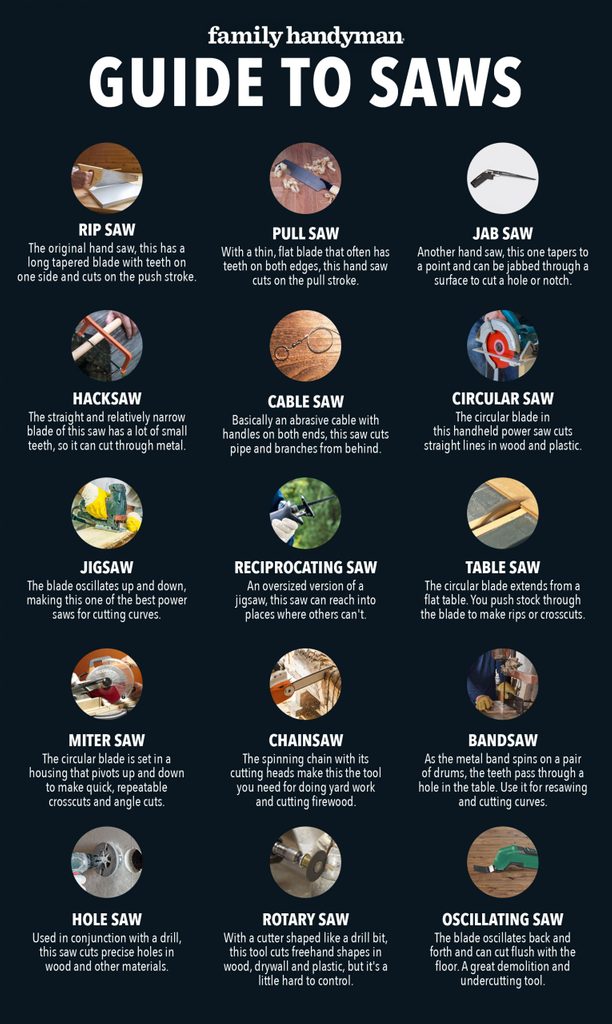
Types Of Hand Saws For Curves
Some hand saws work better for cutting curves. Keyhole saws and coping saws are common picks for curved cuts.
Keyhole saws have a pointed tip that fits tight curves. Coping saws use a thin, flexible blade held in a frame.
- Keyhole saw:Good for small, tight curves.
- Coping saw:Best for smooth, long curves.
- Fret saw:Works well for very fine, detailed curves.
Blade Thickness And Flexibility
Thin blades bend more easily and follow curves better. Thick blades stay straight but are harder to turn.
Choose a blade thickness based on the curve size. Small curves need thin, flexible blades. Larger curves can use thicker blades.
- Thin blades: flexible, good for tight curves.
- Thick blades: stiff, better for gentle curves.
- Flexible blades reduce effort and improve control.
Tooth Design And Pitch
Teeth shape and size affect how the saw cuts wood. Small teeth cut smoothly but slowly. Large teeth cut fast but rough.
Tooth pitch means the number of teeth per inch (TPI). Higher TPI suits thin wood and fine curves. Lower TPI works for thick wood and rough cuts.
| Tooth Design | Best For | Tooth Pitch (TPI) |
|---|---|---|
| Fine teeth | Thin wood, smooth curves | 15-20 TPI |
| Medium teeth | General use, medium curves | 10-14 TPI |
| Coarse teeth | Thick wood, rough cuts | 5-9 TPI |
Preparing Your Workspace
Setting up your workspace is important for cutting curves with a hand saw. A clean and organized area helps you work safely and accurately.
Before you start, make sure you have enough space and good lighting. This will make your work easier and reduce mistakes.
Securing The Workpiece
Hold the wood firmly in place to avoid movement while cutting. Use clamps or a vise to keep the piece steady.
- Place the wood on a flat surface.
- Use clamps to fix the wood at both ends.
- Check that the wood does not move before cutting.
- Adjust clamps if needed for a tight hold.
Marking Curved Lines
Draw the curve clearly on the wood. Use a pencil and a flexible curve ruler or a template to get smooth lines.
| Tool | Purpose |
| Pencil | Mark the cutting line |
| Flexible Curve Ruler | Draw smooth curves |
| Template | Repeat the same curve shape |
Ensuring Safety Measures
Keep safety as your top priority. Wear protective gear and keep your hands away from the saw blade.
- Wear safety goggles to protect your eyes.
- Use gloves to avoid cuts and splinters.
- Keep your fingers at least 3 inches from the saw.
- Work in a well-lit area to see clearly.
- Make sure the saw is sharp and in good condition.
Techniques For Cutting Curves
Cutting curves with a hand saw takes practice and careful control. Using the right techniques helps you get smooth, accurate cuts.
This guide explains how to start the cut, control the saw angle, and keep a steady rhythm while cutting curves.
Starting The Cut Smoothly
Begin by marking the curve clearly on your wood. Use a pencil or chalk to draw the line. Place the saw teeth at the edge of the line to start.
- Hold the saw at a low angle to the wood.
- Use short, gentle strokes to create a groove.
- Keep your hand steady to avoid slipping off the line.
- Once the groove is visible, you can use longer strokes.
Controlling The Saw Angle
Keep the saw blade angled to follow the curve. This control helps the saw cut along the line smoothly.
| Angle | Purpose |
| 15° to 20° | Initial cut to start groove |
| 20° to 30° | Maintain curve during cutting |
| 45° or more | Cut straight lines or finish edges |
Maintaining A Steady Rhythm
Keep your hand movements smooth and steady. A regular rhythm helps the saw cut cleanly and follow the curve.
- Use full arm movement, not just your wrist.
- Keep your speed consistent and avoid rushing.
- Pause slightly if the saw binds or stalls.
- Focus on the line and adjust as needed.
Credit: www.familyhandyman.com
Handling Common Challenges
Using a hand saw for curves can be tricky. You may face problems like the blade getting stuck or cutting errors. Learning how to handle these issues helps you finish your project smoothly.
Below are tips to avoid blade binding, fix mistakes, and work with tight curves effectively. These methods keep your saw cutting clean and safe.
Avoiding Blade Binding
Blade binding happens when the saw blade gets stuck in the wood. It can slow you down and damage your cut. To stop this, follow these tips:
- Keep the saw blade sharp and clean for smooth cutting.
- Use steady, even pressure while cutting curves.
- Do not force the saw; let the teeth do the work.
- Cut relief holes on tight curves to reduce tension.
- Check that the wood is supported to avoid pinching the blade.
Correcting Cutting Mistakes
Cutting curves by hand can cause small errors. Fixing these mistakes early helps keep your project neat. Here is a simple table to guide you on how to correct common cutting problems.
| Type of Mistake | How to Fix It |
| Cut too wide | Use a file or sandpaper to smooth the edge |
| Cut too narrow | Trim carefully with a chisel or recut with the saw |
| Rough edges | Sand with fine-grit paper for a clean finish |
| Uneven curve | Mark new lines and cut slowly to even it out |
Dealing With Tight Curves
Tight curves need careful handling to avoid breaking the blade or ruining the wood. Try these actions for better results:
- Make small relief cuts inside the curve to help the blade move freely.
- Use a saw with a narrow blade designed for curves.
- Cut slowly and follow the line closely.
- Hold the workpiece firmly to keep it steady.
Finishing And Smoothing Edges
After cutting curves with a hand saw, the edges often feel rough. Finishing and smoothing these edges improves the look and feel of the wood. It also helps prepare the piece for joining with other parts.
Sanding and filing help remove saw marks and small splinters. This makes the curves smooth and ready for the next steps in your project.
Using Files And Sandpaper
Files are good for shaping and smoothing edges on curved cuts. Use a round file for inside curves and a flat file for outside edges. Sandpaper removes small scratches and polishes the wood.
Start with coarse sandpaper to smooth rough spots. Then use finer grits to make the surface soft and even. Move the sandpaper along the curve to keep its shape.
- Choose the right file shape for the curve
- Use coarse sandpaper (80-120 grit) first
- Finish with fine sandpaper (220 grit or higher)
- Sand gently to keep the curve smooth
Refining The Curve Shape
Check the curve after filing and sanding. Look for uneven spots or bumps and smooth them out. Use small strokes with the file or sandpaper to fix these areas.
Keep the curve consistent and flowing. Avoid sharp edges or flat spots unless your design calls for them. A clean curve improves the final look and fit.
- Inspect the curve under good light
- Mark high or low spots with a pencil
- File or sand marked areas carefully
- Repeat until the curve looks smooth and even
Preparing For Further Joinery
Smooth edges help wood pieces fit together better. Before joining, clean the curve edges to remove dust and splinters. This creates a strong and neat connection.
If you plan to glue or nail the pieces, sanding ensures good contact. It also prevents gaps and weak joints. Always check the curve edges before joining parts.
- Remove dust from sanding and filing
- Test fit the parts before gluing or nailing
- Smooth edges help glue bond better
- Check for any rough spots that may cause gaps

Credit: www.mechdaily.com
Maintaining Your Hand Saw
Keeping your hand saw in good shape makes cutting curves easier. Regular care helps the saw last longer and work better.
This guide covers cleaning, sharpening, and knowing when to replace your saw.
Cleaning And Storage Tips
After using your hand saw, remove sawdust and debris from the blade. Use a brush or cloth to clean it well.
Store the saw in a dry place to stop rust. Keep it in a toolbox or hang it on a wall.
- Wipe blade with an oily cloth to prevent rust
- Keep saw away from moisture
- Use a blade cover or sheath for extra protection
- Store saw flat or hanging to avoid bending
Sharpening The Blade
A sharp blade cuts curves smoothly and safely. Dull blades cause rough cuts and need more effort.
Use a fine file or saw sharpening tool to sharpen the teeth. Work slowly and keep the original tooth shape.
- Clamp the saw securely before sharpening
- File each tooth evenly on the same side
- Check sharpness by cutting a test piece
- Sharpen regularly to keep good performance
When To Replace The Saw
Replace your saw if the blade bends, breaks, or rust covers the teeth. Old saws may not cut well even if sharpened.
New saws improve cutting precision and safety. Watch for worn handles or loose parts too.
- Blade bent or cracked beyond repair
- Teeth damaged or missing
- Rust cannot be removed
- Handle is cracked or loose
Frequently Asked Questions
What Type Of Hand Saw Is Best For Cutting Curves?
A coping saw is ideal for cutting curves. Its thin, flexible blade allows precise, smooth cuts along curved lines. This saw provides better control than standard hand saws for intricate shapes.
How Do I Prepare Wood For Curved Cuts?
Mark the curve clearly using a pencil or template. Secure the wood firmly to avoid movement. Smooth the edges before cutting to reduce splintering and improve accuracy.
What Techniques Improve Accuracy With Hand Saws On Curves?
Use slow, steady strokes and follow the marked line closely. Keep the saw blade perpendicular to the wood surface. Regularly check progress and adjust your angle for smooth curves.
Can I Use A Regular Hand Saw For Curved Cuts?
Regular hand saws are not ideal for curves. They have thicker blades that struggle with tight turns. Using a coping or fret saw produces cleaner, more precise curved cuts.
Conclusion
Using a hand saw for curves? Easier than you think. With practice, precision improves. Just ensure the right blade and steady hands. Important? Safety. Always wear gloves and goggles. Practice on scrap wood first. Curves add beauty and function to projects.
A rewarding skill. Take your time. Enjoy the process. Each cut brings you closer to perfection. Keep practicing, and you’ll get better. Soon, your projects will shine with curved elegance. Feel free to explore more woodworking tips. Happy sawing!