If you work on your car, a socket wrench is one of the most useful tools you can have. But are you really getting the most out of it?
Using a socket wrench the right way can save you time, prevent damage, and make even tough automotive tasks feel easier. You’ll discover simple tips that will boost your confidence and skill when handling your car repairs. Keep reading—you’ll be surprised how small changes in how you use your socket wrench can make a big difference.
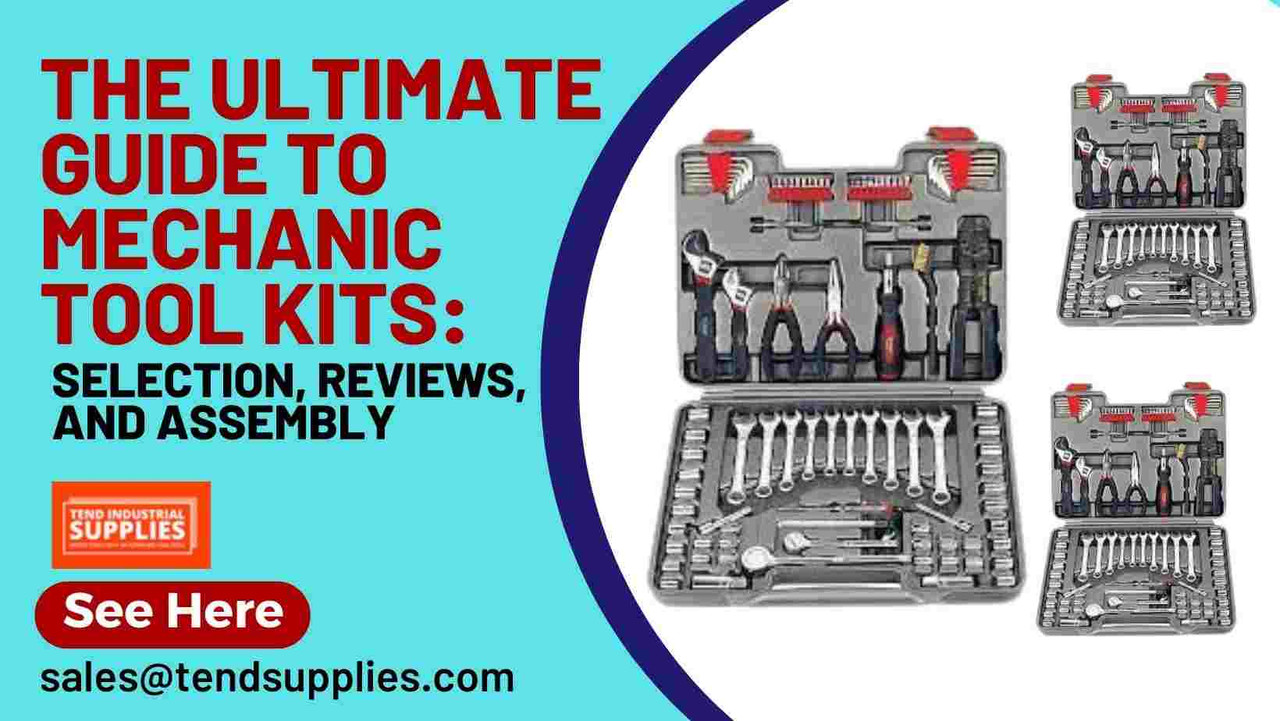
Credit: tendsupplies.com
Choosing The Right Socket Wrench
Using the correct socket wrench makes automotive tasks easier and safer. Picking the right tool saves time and prevents damage.
Learn how to choose the proper socket wrench by understanding types, sizes, and materials.
Types Of Socket Wrenches
Socket wrenches come in different types for various tasks. The most common are ratchet, torque, and breaker bar wrenches.
- Ratchet wrench:Allows quick turning with a ratcheting mechanism.
- Torque wrench:Measures and applies specific torque to bolts.
- Breaker bar:Provides extra leverage for tight bolts.
Selecting Proper Sizes
Choosing the right socket size is crucial for a good fit and to avoid stripping bolts. Sizes are measured in inches or millimeters.
| Socket Size Type | Common Use |
| Metric (mm) | Most modern cars and motorcycles |
| Standard (inches) | Older vehicles and some trucks |
| Deep sockets | Reach recessed nuts and bolts |
| Shallow sockets | General use on accessible bolts |
Material And Durability
Strong material ensures your socket wrench lasts long and works well. Most are made from chrome vanadium or steel alloys.
- Chrome vanadium offers good strength and corrosion resistance.
- Steel alloys provide toughness but may need rust protection.
- Look for polished or coated finishes to prevent rust.
Essential Socket Wrench Accessories
A socket wrench works better with the right accessories. These tools help you reach tight spots and control force.
Using the correct accessory makes automotive tasks easier and safer. Learn about extensions, adapters, universal joints, and torque wrenches.
Extensions And Adapters
Extensions increase the reach of your socket wrench. They help you work in hard-to-access areas of your vehicle.
Adapters change the size or drive type of your socket wrench. They let you use sockets that do not fit your wrench directly.
- Extensions come in different lengths to fit various spaces.
- Adapters can convert from 1/4″ to 3/8″ or 1/2″ drive sizes.
- Use extensions for deep bolts and adapters for different socket types.
Universal Joints
Universal joints add flexibility to your socket wrench. They let you turn bolts at odd angles.
This accessory is useful when space is tight or the bolt is not straight ahead. It helps you avoid removing parts to reach the bolt.
- Universal joints bend to fit around obstacles.
- They connect between the wrench and socket.
- Use them carefully to avoid losing control of the wrench.
Torque Wrenches
Torque wrenches control how much force you apply. They help you tighten bolts to the right level.
Using the right torque prevents damage to parts and keeps your vehicle safe. Some torque wrenches click when you reach the set force.
- Set the wrench to the needed torque value.
- Turn the bolt slowly until you hear or feel the click.
- Use torque wrenches for wheel nuts and engine parts.
Preparing For Automotive Tasks
Using a socket wrench correctly helps you finish automotive jobs safely and quickly. Proper preparation sets the stage for good results.
Before starting, take time to prepare your tools, workspace, and parts. This helps avoid problems and saves time.
Safety Precautions
Safety is very important when working on cars. Always protect yourself and others around you.
Wear gloves and safety glasses to prevent cuts and eye injuries. Keep your work area clean to avoid slips and trips.
- Wear gloves to protect your hands
- Use safety glasses to guard your eyes
- Keep the workspace free of clutter
- Work in a well-lit area
- Disconnect the car battery if needed
Organizing Tools And Workspace
Organize your socket wrench and other tools before you start. This saves time and reduces frustration during the task.
Arrange tools by size and type on a tray or mat. Make sure you have the right sockets and extensions ready.
- Sort socket sizes from small to large
- Keep extensions and adapters nearby
- Clear your workspace of unnecessary items
- Use a magnetic tray to hold small parts
- Have a clean cloth or rag ready for spills
Inspecting Fasteners
Check all bolts and nuts before you start using the socket wrench. Look for damage or rust that can cause problems.
Damaged fasteners may need special tools or replacement. Inspecting them helps you avoid stripping or breaking parts.
- Look for rounded or stripped heads
- Check for rust or corrosion
- Make sure fasteners fit the socket size
- Replace damaged fasteners if needed
- Use penetrating oil for stuck bolts
Techniques For Effective Use
Using a socket wrench correctly makes automotive tasks easier and safer. It helps you tighten or loosen bolts without damage.
Knowing the right techniques improves your work speed and avoids mistakes. Follow these tips for better results.
Proper Grip And Positioning
Hold the socket wrench firmly with your dominant hand. Keep your wrist straight to avoid strain.
Position your body close to the work area. This gives you control and power while turning the wrench.
- Grip the handle near the end for more leverage
- Keep your arm aligned with the wrench
- Use both hands if extra force is needed
- Avoid awkward angles to prevent slipping
Applying Correct Torque
Use the right amount of force to avoid stripping bolts or breaking parts. Tighten bolts to manufacturer specs if possible.
Turn the wrench slowly and steadily. Stop when you feel resistance or a click from a torque wrench.
- Start with light pressure and increase gently
- Use a torque wrench for precise tightening
- Do not overtighten to prevent damage
- Check bolt tightness after initial tightening
Avoiding Common Mistakes
Do not force the wrench if a bolt is stuck. Use penetrating oil or a breaker bar first.
Make sure the socket fits the bolt head exactly. Loose sockets can round off bolt edges.
- Never use a damaged or worn socket
- Keep the wrench clean and free of oil
- Use the correct socket size for each bolt
- Do not use cheater bars to increase leverage
Maintaining Your Socket Wrench
Keeping your socket wrench in good shape helps it last longer. Proper care makes your work easier and safer.
Simple maintenance steps prevent damage and keep the wrench working smoothly. Regular care saves money on repairs.
Cleaning And Lubrication
Clean your socket wrench after each use to remove dirt and grease. Dirt can cause parts to stick or wear out.
Lubricate moving parts with light oil. This keeps the ratchet mechanism smooth and prevents rust.
- Wipe the wrench with a clean cloth
- Use a small brush to clean hard-to-reach areas
- Apply a few drops of oil to the ratchet gear
- Work the ratchet back and forth to spread oil evenly
- Remove excess oil to avoid attracting dirt
Storage Tips
Store your socket wrench in a dry place to avoid rust. Moisture can damage metal parts over time.
Use a toolbox or organizer to keep your wrench safe. Proper storage prevents loss and damage.
- Keep the wrench in a clean toolbox or drawer
- Store sockets and accessories together
- Use foam inserts or holders to protect tools
- Avoid leaving the wrench exposed to moisture
- Check tools regularly for signs of rust or damage
Troubleshooting Issues
If your socket wrench sticks or skips, check for dirt or lack of lubrication. These are common causes of problems.
Loose parts or broken components need repair or replacement. Using a damaged wrench can be unsafe.
- Clean and oil the wrench if it feels stiff
- Tighten any loose screws or bolts
- Replace worn or broken sockets immediately
- Test the ratchet before use to ensure smooth action
- Do not force the wrench if it jams

Credit: www.seesiius.com
Advanced Tips For Complex Repairs
Using a socket wrench in car repairs can be tricky. Complex tasks need smart techniques to save time and effort.
This guide shares advanced tips to help you work better and faster on tough automotive jobs.
Working In Tight Spaces
Tight spots in engines and undercarriages make it hard to use tools. A short handle socket wrench helps reach these areas.
Use a universal joint or a flexible extension to angle the wrench. This lets you turn bolts without full clearance.
- Pick short or ratcheting handles for narrow spaces
- Use flexible extensions to reach awkward angles
- Try swivel sockets for hard-to-reach fasteners
- Keep your workspace well-lit to see clearly
Using Impact Sockets
Impact sockets are made for power tools and strong torque. They resist cracking and last longer than regular sockets.
Always use impact sockets with impact wrenches. Normal sockets can break and cause injury.
- Choose impact sockets for heavy-duty jobs
- Match socket size exactly to the bolt or nut
- Use impact-rated extensions and adapters
- Inspect sockets often for cracks or damage
Customizing Your Toolset
Building a custom socket wrench set saves time during repairs. Include various sizes and specialty sockets.
Organize your tools so you can grab what you need fast. Label storage cases for easy identification.
| Tool Type | Purpose | Tip |
|---|---|---|
| Deep sockets | Reach recessed nuts | Keep handy for spark plugs |
| Flank drive sockets | Reduce bolt rounding | Use on worn bolts |
| Torque wrench | Apply correct tightness | Calibrate regularly |
| Universal joints | Access angled bolts | Combine with extensions |
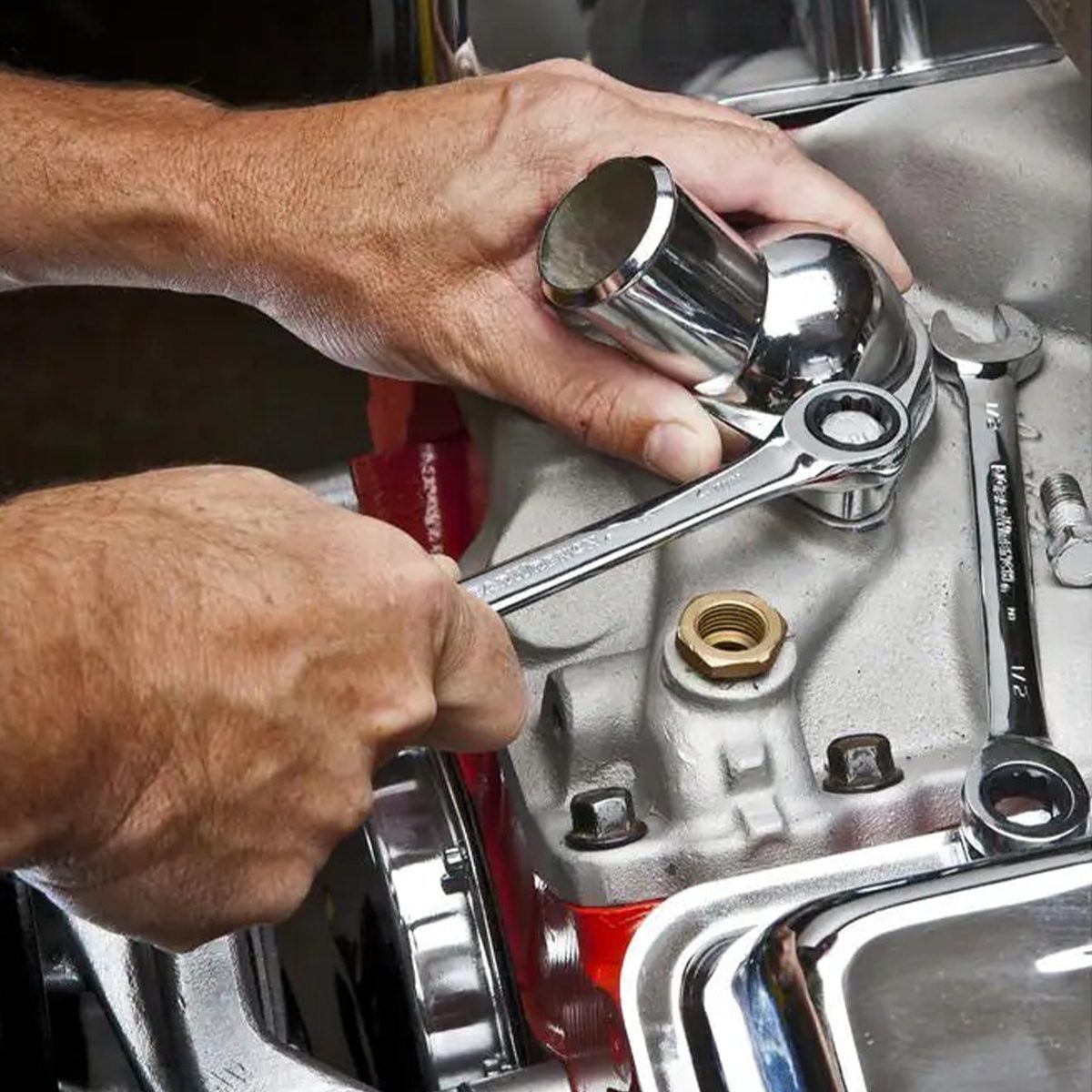
Credit: www.familyhandyman.com
Frequently Asked Questions
What Size Socket Wrench Is Best For Cars?
A 3/8-inch drive socket wrench is ideal for most automotive tasks. It balances torque and accessibility well. Larger 1/2-inch drives handle heavy-duty jobs, while smaller 1/4-inch suits precision work. Choose based on the bolts’ size and space available.
How To Prevent Slipping With A Socket Wrench?
Ensure the socket fits snugly on the bolt or nut. Use a quality, well-maintained wrench with clean, undamaged sockets. Apply steady, controlled force and avoid sudden jerks. This reduces slipping and protects both the tool and fasteners.
Can A Socket Wrench Damage Car Parts?
Improper use of a socket wrench can damage car parts. Over-tightening bolts can strip threads or break fasteners. Using the wrong socket size can round bolt heads. Always follow manufacturer torque specs and use correct tools to prevent damage.
How To Maintain A Socket Wrench For Longevity?
Keep the socket wrench clean and dry after use. Lubricate moving parts occasionally to prevent rust and stiffness. Store tools in a dry, organized space. Regular maintenance ensures smooth operation and extends the tool’s lifespan.
Conclusion
Mastering the socket wrench boosts your automotive skills. It saves time. And ensures tasks are done right. Practice these tips regularly. Over time, you will work more efficiently. Remember to choose the right socket size. Always check for a snug fit.
This prevents damage and ensures safety. Keep your tools clean and organized. A well-maintained toolkit makes work easier. Patience and practice are key. Soon, you’ll tackle automotive tasks with confidence. Enjoy the satisfaction of a job well done.