Are you ready to tackle your metalworking project but don’t have power tools on hand? Cutting metal sheets with hand tools might seem tricky, but with the right techniques, you can achieve clean, precise cuts without expensive equipment.
Imagine saving money, working safely, and gaining confidence with just a few simple tools. In this guide, you’ll discover easy steps that make cutting metal sheets straightforward and stress-free. Keep reading, and you’ll learn how to transform your metal pieces exactly the way you want—right from your own workspace.
Credit: www.vevor.com
Choosing The Right Hand Tools
Cutting metal sheets by hand needs the right tools for safety and accuracy. Using the correct tool saves time and makes clean cuts.
Below are common hand tools for cutting metal sheets. Learn their uses to pick the best one for your project.
Tin Snips And Aviation Shears
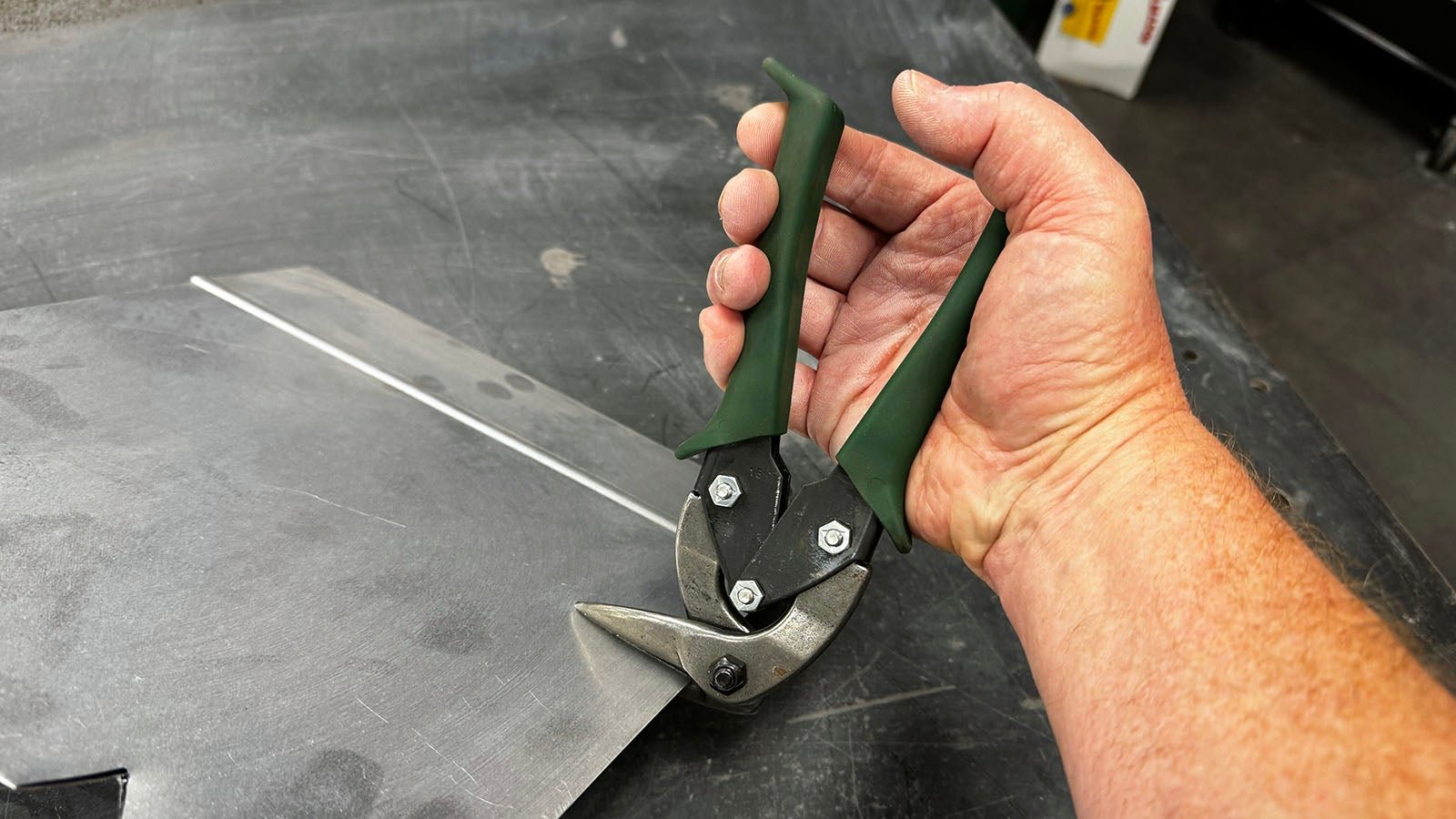
Tin snips and aviation shears cut thin metal sheets easily. Tin snips look like scissors and are good for straight cuts.
- Tin snips come in three types: straight, left-cut, and right-cut.
- Aviation shears have longer blades for smoother, curved cuts.
- Both tools work well on sheet metal up to 18 gauge thickness.
- Choose aviation shears for large or curved shapes.
Hacksaws And Manual Metal Cutters
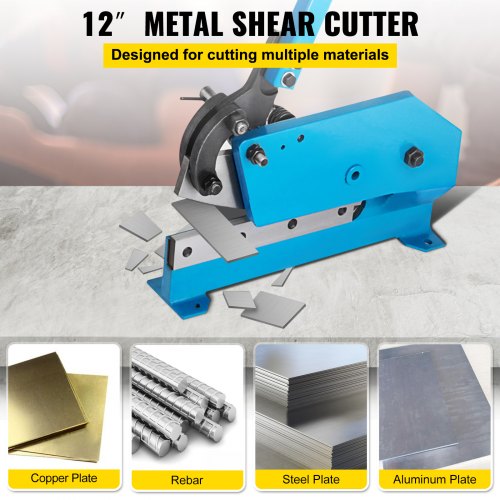
Hacksaws and manual metal cutters handle thicker metal sheets. They give precise straight cuts but need more effort.
| Tool | Best For | Cutting Capacity |
| Hacksaw | Thick metal sheets | Up to 1/4 inch |
| Manual metal cutter | Small, straight cuts | Up to 1/8 inch |
Files And Deburring Tools
After cutting, files and deburring tools smooth sharp edges. This step prevents cuts and improves finish.
- Metal files remove burrs and rough spots.
- Deburring tools are quick for inside edges.
- Use both tools to make metal safe to handle.

Credit: www.amazon.com
Preparing Metal Sheets For Cutting
Cutting metal sheets by hand needs careful preparation. Good prep helps make clean and safe cuts.
Start by measuring and marking the metal. Then secure it properly. Always wear safety gear.
Measuring And Marking
Measure the metal sheet carefully before cutting. Use a ruler or tape measure for accuracy.
Mark the cut line clearly with a permanent marker or scribe. This guide helps you cut straight.
- Use a straight edge to draw lines
- Double-check measurements before marking
- Mark on the side that will be cut away
Securing The Metal Sheet
Hold the metal sheet firmly to avoid slips. Use clamps to keep it steady on your work surface.
Make sure the sheet does not move while cutting. This keeps your cuts accurate and safe.
- Use a sturdy workbench or table
- Apply clamps near the cutting line
- Check that the metal is tight and stable
Safety Gear Essentials
Wear safety gear to protect yourself from sharp edges and metal fragments. Safety is important.
Use gloves, eye protection, and long sleeves to reduce injury risks during cutting.
- Protective gloves to avoid cuts
- Safety goggles to shield your eyes
- Long-sleeved clothing for skin protection
Cutting Techniques For Different Tools
Cutting metal sheets by hand needs the right technique and tools. Each tool works best for certain cuts and metal thicknesses.
This guide explains how to use tin snips, aviation shears, and hacksaws for clean, safe metal cutting.
Straight Cuts With Tin Snips
Tin snips are good for making straight cuts on thin metal sheets. They work like scissors but are stronger to cut metal.
- Mark the cut line clearly with a marker or scribe.
- Hold the tin snips firmly and start cutting slowly along the line.
- Keep the metal steady to avoid bends or twists.
- Use long, even strokes to make a clean cut.
- Wear gloves to protect your hands from sharp edges.
Curved Cuts Using Aviation Shears
Aviation shears are designed for curved or complex cuts in thin to medium metal sheets. Their sharp blades cut smoothly without bending the metal.
| Tip | Reason |
|---|---|
| Use light pressure | Prevents metal from warping during curves |
| Follow the marked curve slowly | Keeps the cut clean and precise |
| Keep blades sharp | Ensures smooth cutting without jagged edges |
| Rotate metal, not the shears | Makes curved cuts easier and safer |
Using Hacksaws For Thick Metals
Hacksaws cut thick metal sheets that tin snips or shears cannot handle. They require patience and steady effort.
- Secure the metal sheet firmly in a clamp or vise.
- Mark the cutting line clearly before starting.
- Use a blade made for metal cutting with fine teeth.
- Cut slowly with steady back-and-forth motions.
- Take breaks to avoid overheating the blade.
- File down sharp edges after cutting for safety.
Finishing And Smoothing Edges
After cutting metal sheets with hand tools, the edges are often sharp and rough. Smoothing these edges makes the metal safer to handle and improves its appearance.
Finishing helps remove any sharp bits and prepares the metal for further use or painting. This process uses simple hand tools for good results.
Filing Rough Edges
Filing is the first step to smooth rough metal edges. Use a metal file to gently rub along the edge. This removes uneven parts and sharp points.
Hold the file at a slight angle. Move it in one direction with steady pressure. Check the edge often to avoid removing too much metal.
- Choose a flat or half-round file depending on the edge shape
- Wear gloves to protect your hands
- File away from your body for safety
Removing Burrs
Burrs are small, sharp metal pieces left after cutting. Use a deburring tool or sandpaper to remove them. This step helps prevent cuts and snags.
Work carefully along the edges. Apply light pressure and move smoothly. Check the metal by running your finger (wearing a glove) to feel for any burrs left.
- Deburring tools fit in tight spaces
- Sandpaper works well on flat edges
- Use fine-grit sandpaper for best results
Polishing For A Clean Finish
Polishing improves the metal’s shine and smoothness. Use a polishing cloth or buffing wheel. This step also removes small scratches from filing and sanding.
Apply a small amount of metal polish to the cloth. Rub the edges in a circular motion until they look smooth and bright. Wipe away any leftover polish with a clean cloth.
- Use polishing compounds for better shine
- Wear eye protection if using a buffing wheel
- Polish only the edges to avoid damaging the metal surface
Common Mistakes To Avoid
Cutting metal sheets with hand tools needs care and skill. Avoiding common mistakes helps you get better results.
Knowing what not to do saves time, effort, and keeps you safe. Learn the common errors to avoid now.
Incorrect Tool Selection
Using the wrong tool makes cutting metal hard and unsafe. Each tool fits a type of metal and cut style.
For example, tin snips work for thin sheets but fail on thick metal. A hacksaw suits thick sheets better.
- Pick tin snips for thin metals and simple cuts
- Use a hacksaw for thicker sheets or straight lines
- A metal shear works well for quick, clean cuts
- Avoid using tools not made for metal cutting
Poor Marking And Measurement
Bad marking leads to wrong cuts and wasted metal. Measure twice to make sure your lines are correct.
Use a fine tip marker or scribe for clear lines. Avoid thick marks that hide the cutting path.
- Always measure carefully with a ruler or tape
- Mark the cutting line with a sharp tool for accuracy
- Double-check measurements before cutting
- Draw clear, thin lines to guide your cut
Ignoring Safety Precautions
Metal cutting can cause sharp edges and flying bits. Not using safety gear risks injury.
Always wear gloves, eye protection, and work in a safe area. Avoid loose clothes and keep hands clear of blades.
- Wear safety goggles to protect your eyes
- Use gloves to avoid cuts on sharp metal edges
- Keep your workspace clean and well-lit
- Do not rush; take breaks if tired
Tips For Better Precision
Cutting metal sheets by hand takes care and skill. Precision helps make clean, accurate cuts. Using the right methods can improve your results.
Below are tips to help you cut metal sheets more precisely with hand tools.
Using Guides And Clamps
Guides keep your cutting tool on the right path. Clamps hold the metal sheet steady to stop slipping. Both help improve cutting accuracy.
- Place a straight metal ruler or wooden edge along your cut line.
- Clamp the guide firmly to the metal sheet to prevent movement.
- Use additional clamps on the sheet to keep it from shifting.
- Check that clamps do not block your cutting tool path.
Maintaining Sharp Tools
Sharp blades cut cleaner and need less force. Dull tools can bend or tear the metal, ruining the cut.
| Tool | Maintenance Tips |
| Snips | Sharpen blades regularly with a fine file |
| Hand Shears | Oil joints and wipe clean after use |
| Utility Knife | Replace blades often to keep them sharp |
Practicing Consistent Cutting Motion
Keeping a steady, even motion helps you follow the cut line precisely. Jerky or rushed cuts lead to mistakes.
Try this routine for better cutting control:
- Start slowly to line up your cut.
- Use smooth, steady pressure along the guide.
- Keep your hand relaxed but firm.
- Pause if you feel the tool slipping or the cut going off line.
- Finish the cut in one continuous motion if possible.

Credit: www.familyhandyman.com
Frequently Asked Questions
What Hand Tools Are Best For Cutting Metal Sheets?
Tin snips, aviation snips, and metal shears are ideal hand tools. They offer precision and control for cutting thin to medium metal sheets safely.
How Do I Safely Cut Metal Sheets By Hand?
Wear gloves and safety glasses to protect yourself. Secure the sheet firmly and cut slowly with steady pressure to avoid jagged edges.
Can I Cut Thick Metal Sheets With Hand Tools?
Cutting thick metal sheets by hand is challenging. Use power tools for best results or specialized heavy-duty shears if hand cutting is necessary.
How To Prevent Metal Sheets From Bending During Cutting?
Clamp the metal sheet firmly to a stable surface. Use sharp tools and apply consistent pressure to minimize bending while cutting.
Conclusion
Cutting metal sheets with hand tools is simple with practice. Start by gathering the right tools. Practice safety first. Wear gloves and goggles. Use a marker for precise lines. Apply steady pressure while cutting. Take your time to avoid mistakes.
Each tool has its technique. Practice makes perfect. Soon, cutting metal sheets becomes second nature. Remember, patience is key. Keep your tools in good condition. This ensures clean cuts every time. With these tips, metal cutting becomes easy and manageable.
Happy crafting!