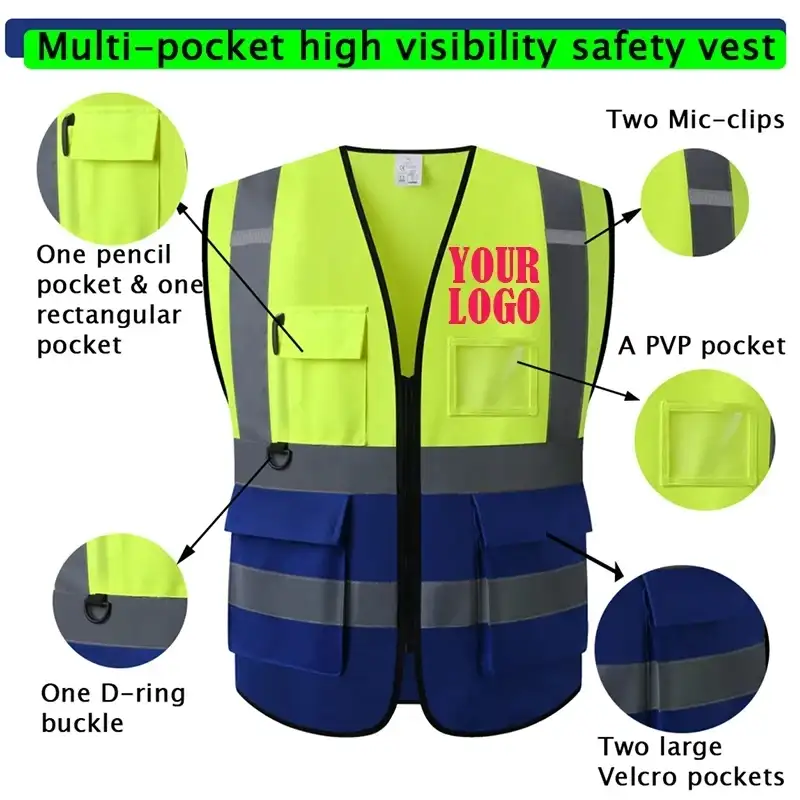
When you’re working near busy roads, your safety should never take a back seat. High-visibility jackets are more than just bright clothing—they are your first line of defense against accidents.
But do you know how to choose the right jacket or wear it correctly to maximize your protection? This guide will show you exactly how to use high-visibility jackets for roadside projects, helping you stay safe and confident every step of the way.
Keep reading to discover simple yet powerful tips that could make all the difference when you’re on the road.
Importance Of High-visibility Jackets
High-visibility jackets make workers easy to see near roads. They help drivers notice people quickly. This is very important for safety.
Wearing these jackets reduces risks during roadside projects. They protect workers by making them stand out in many conditions.
Role In Roadside Safety
High-visibility jackets improve safety by increasing worker visibility. Bright colors and reflective strips catch driver attention day and night.
These jackets help drivers see workers from far away. They also help workers see each other on busy roads.
- Use bright colors like neon yellow or orange
- Reflective strips shine in headlights
- Make workers visible in all weather
- Help prevent accidents by alerting drivers
Impact On Accident Prevention
High-visibility jackets lower the chance of accidents. Drivers can react faster when they see workers clearly.
Many roadside crashes happen because workers are not seen. These jackets reduce those risks by making workers stand out.
- Reduce collisions between vehicles and workers
- Increase driver awareness near work zones
- Help workers stay safe in low light
- Support safety rules and regulations

Credit: www.leelinework.com
Types Of High-visibility Jackets
High-visibility jackets help workers stay safe near roads. These jackets make people easier to see in many conditions. Different types suit different work needs and environments.
This guide explains the main types of high-visibility jackets. It covers materials, reflective features, and design changes for weather and light.
Material And Reflective Features
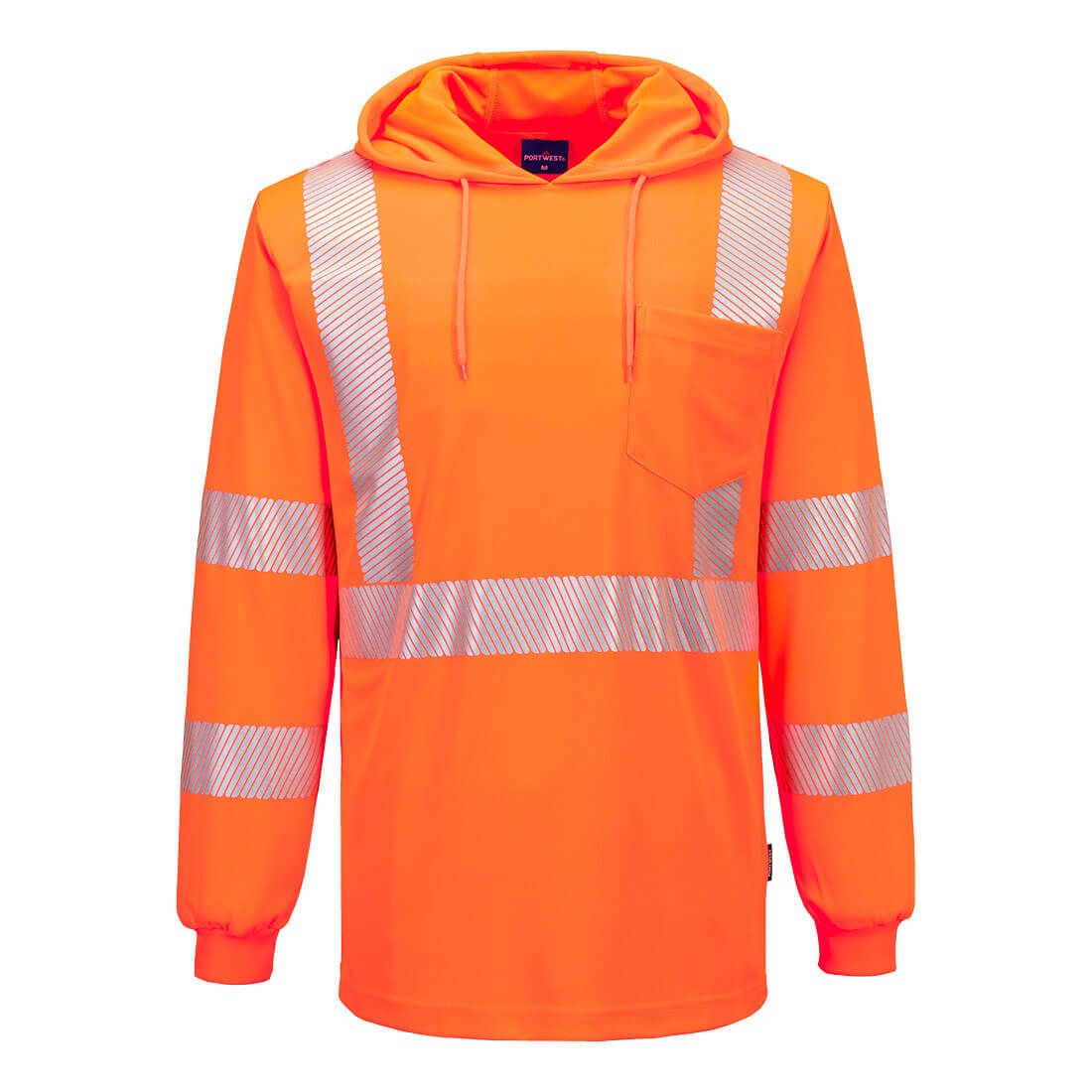
Most high-visibility jackets use bright polyester or nylon. These materials are strong and dry fast. Reflective strips are sewn or heat-bonded on the jackets. These strips shine brightly when light hits them.
- Polyester: lightweight and water-resistant
- Nylon: durable and tear-resistant
- Reflective tape: silver or fluorescent colors
- Mesh panels: for breathability in warm weather
Design Variations For Different Conditions
Designs vary to match weather and work settings. Some jackets have extra insulation for cold weather. Others use lighter fabrics to keep workers cool. Waterproof coatings protect from rain. Many have pockets and adjustable parts.
| Design Feature | Purpose | Example |
| Insulated lining | Keep warm in cold weather | Fleece-lined jackets |
| Ventilation panels | Improve airflow in hot weather | Mesh back or underarms |
| Waterproof coating | Protect from rain and wind | PU or PVC coating |
| Adjustable cuffs and waist | Better fit and comfort | Velcro straps and drawstrings |
Selecting The Right Jacket
Choosing the right high-visibility jacket is key for safety on roadside projects. The jacket must suit the work environment and meet safety rules.
This guide covers how to pick a jacket based on the project environment and safety standards.
Assessing Project Environment
Consider the weather, lighting, and type of work at the roadside site. These factors affect jacket choice.
- Choose waterproof jackets for rainy or wet conditions
- Pick breathable fabrics for hot and humid areas
- Use jackets with extra reflectors for low-light or night work
- Consider durability for rough terrain or heavy-duty tasks
Compliance With Safety Standards
Ensure the jacket meets local and international safety rules. This protects workers and avoids legal issues.
| Safety Standard | Key Requirement | Jacket Feature |
| ANSI/ISEA 107 | High visibility and reflective strips | Fluorescent colors and reflective tape |
| EN ISO 20471 | Visibility in daylight and darkness | Bright colors, reflective bands |
| CSA Z96 | Class-based visibility levels | Class 1, 2, or 3 jackets |
Credit: mannsupply.com
Proper Usage Techniques
High-visibility jackets keep workers safe on roadside projects. Wearing them correctly is very important.
This guide explains how to wear and care for these jackets to ensure they work well every day.
Correct Wearing Practices
Wear the jacket fully zipped or fastened. Loose jackets reduce visibility and can catch on objects.
- Choose the right size for comfort and safety.
- Wear the jacket over other clothing, not under.
- Make sure reflective strips face outward and are not covered.
- Keep the jacket clean to maintain its brightness.
- Replace jackets if they are torn, faded, or damaged.
Maintenance And Care Tips
Proper care keeps high-visibility jackets effective for longer. Follow these steps to clean and store them.
| Care Step | Details |
| Washing | Use mild detergent, cold water, gentle cycle |
| Drying | Air dry, avoid direct sunlight and heat sources |
| Storage | Hang or fold neatly in a dry, cool place |
| Inspection | Check regularly for tears and fading |
| Repairs | Patch small holes or replace if damage is severe |
Common Mistakes To Avoid
High-visibility jackets are vital for safety on roadside projects. Workers must wear them correctly to stay safe.
Some mistakes reduce the jackets’ effectiveness. Avoid these errors to keep workers visible and protected.
Ignoring Visibility Requirements
Not all high-visibility jackets meet the needed safety standards. Using the wrong jacket lowers visibility risks.
Workers should wear jackets that fit the required class and color for the job site. Bright colors and reflective strips increase visibility.
- Choose jackets with proper reflective tape
- Pick colors like neon yellow or orange
- Check for compliance with safety regulations
- Wear jackets fully zipped and visible
Neglecting Jacket Condition
Worn or dirty jackets lose their brightness and reflectivity. This makes workers harder to see, especially in poor light.
Regularly inspect jackets for tears, stains, and faded colors. Replace jackets that no longer meet visibility standards.
- Check jackets before each shift
- Clean jackets following care instructions
- Replace jackets with damaged reflective strips
- Store jackets properly to avoid damage

Credit: www.jcintheshed.com
Enhancing Safety Beyond Jackets
High-visibility jackets help workers stay seen on roadside projects. Safety improves more with extra precautions. Using other tools and gear adds protection.
This guide covers gear and signage that work with jackets. These help keep workers safe in busy roadside areas.
Complementary Protective Gear
Wearing a high-visibility jacket is just one part of staying safe. Other gear can protect workers from hazards and improve visibility further.
- Safety helmets protect the head from falling objects.
- Work gloves guard hands from cuts and burns.
- Steel-toed boots shield feet from heavy impacts.
- Eye protection helps prevent dust and debris injuries.
- Hearing protection reduces noise damage on loud sites.
Effective Worksite Signage
Signs warn drivers and pedestrians of work zones. Clear signage guides traffic safely around the project.
| Sign Type | Purpose | Placement |
| Warning Signs | Alert about road work ahead | Before work zone |
| Speed Limit Signs | Reduce vehicle speed | At zone entry points |
| Detour Signs | Guide alternate routes | Near closures |
| Flagger Signs | Indicate flagger presence | At flagger stations |
Frequently Asked Questions
Why Are High-visibility Jackets Important For Roadside Projects?
High-visibility jackets are crucial for roadside projects as they enhance worker visibility. They protect workers from accidents, especially in low-light conditions. These jackets are designed with bright colors and reflective materials, ensuring they stand out. This visibility is essential for safety, reducing the risk of accidents significantly.
What Materials Are Used In High-visibility Jackets?
High-visibility jackets are made from fluorescent materials and reflective strips. Common materials include polyester and nylon. These materials are lightweight, durable, and weather-resistant. Reflective strips are strategically placed to catch light, making the wearer visible even in low-light conditions. This combination ensures both comfort and safety for the wearer.
How Do High-visibility Jackets Enhance Safety?
High-visibility jackets enhance safety by making workers more visible to drivers and equipment operators. The bright colors and reflective strips catch light, alerting others to the worker’s presence. This visibility reduces the risk of accidents, ensuring a safer working environment for everyone involved in roadside projects.
When Should High-visibility Jackets Be Worn?
High-visibility jackets should be worn during any roadside project, especially in low-light or poor weather conditions. They are essential during dawn, dusk, or nighttime operations. Wearing these jackets ensures that workers remain visible to passing vehicles and machinery operators, thereby significantly enhancing safety on the job site.
Conclusion
High-visibility jackets keep workers safe near busy roads. Bright colors and reflective strips help drivers see them. Wearing these jackets reduces accidents and injuries. Always choose jackets that fit well and meet safety rules. Stay visible, stay safe on all roadside projects.
Safety gear is a simple step with big benefits. Don’t ignore its importance when working near traffic. Protect yourself and your team every day on site. Safety first, visibility always.