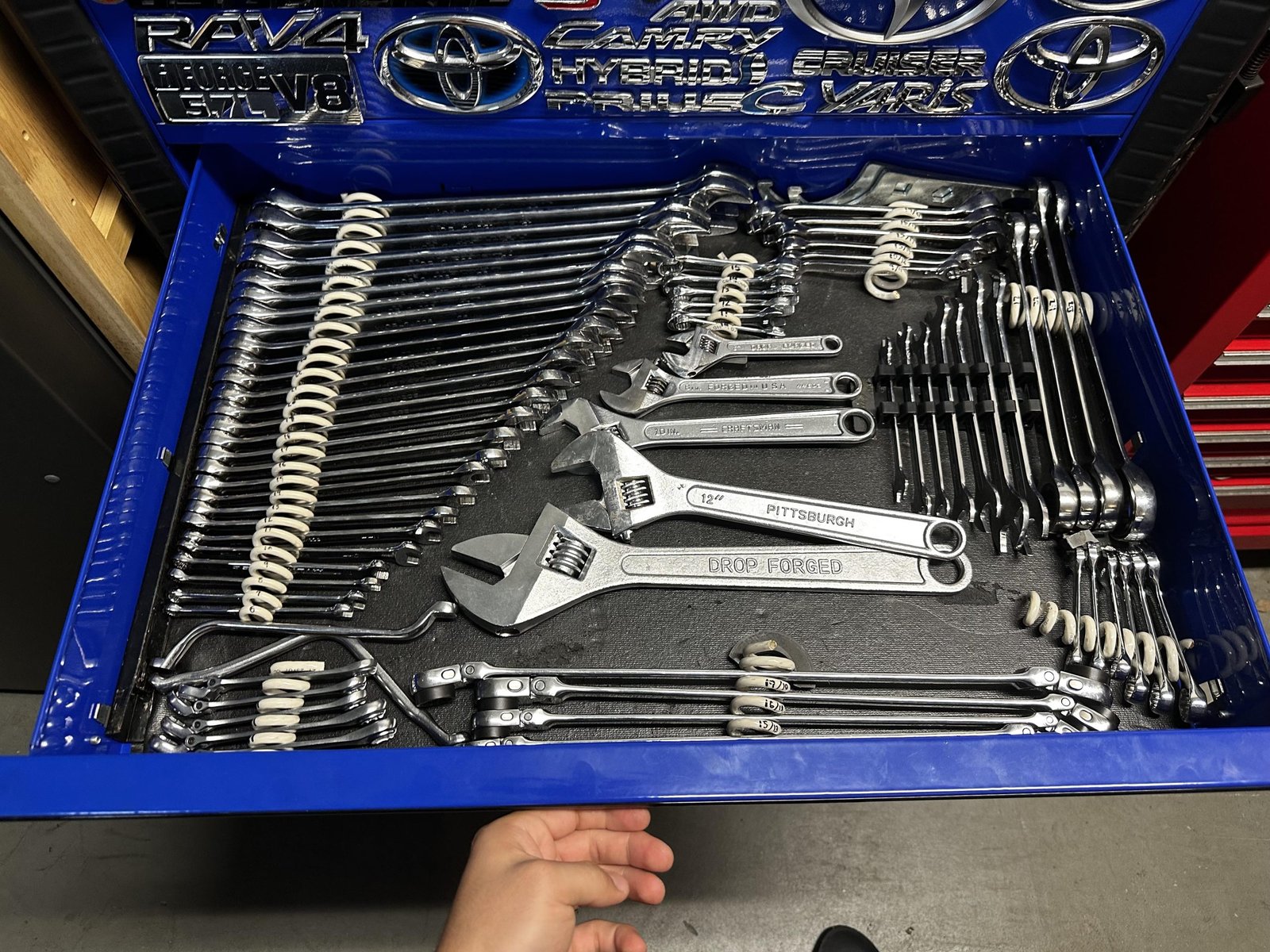
If you’ve ever dug through a messy toolbox searching for the right wrench, you know how frustrating it can be. Imagine saving time and avoiding that hassle every time you reach for a tool.
Organizing your wrenches properly doesn’t just make your workspace look better—it helps you work smarter and faster. You’ll discover simple, effective ways to arrange your wrenches so you can find exactly what you need in seconds. Ready to turn your toolbox into a well-oiled machine?
Let’s get started!

Credit: www.reddit.com
Choosing The Right Toolbox
Organizing wrenches well makes your work easier and faster. Picking the right toolbox is key to keep your tools safe and tidy.
Consider the toolbox type, size, and material to find what fits your needs best. This helps store your wrenches neatly and access them quickly.
Types Of Toolboxes
Toolboxes come in many styles. Some are portable, and others stay in one place. Choose one based on where you work and how many tools you have.
- Portable Toolboxes: Easy to carry, great for small sets.
- Rolling Tool Chests: Large and mobile for many tools.
- Tool Bags: Soft and flexible, good for light use.
- Drawer Cabinets: Keep tools organized in separate spaces.
Size And Capacity Considerations
Choose a size that fits your wrench collection. Too small boxes can be messy. Too big boxes may waste space.
Think about future tools too. Leave room to add more wrenches later. A good toolbox holds all tools without crowding.
- Count your wrenches and other tools.
- Pick a box with enough compartments.
- Make sure the box fits your workspace.
Material And Durability
Toolboxes come in metal, plastic, or wood. Each type has benefits for durability and weight.
Metal boxes last long but can be heavy. Plastic boxes are light but may break easier. Wood toolboxes look nice and are strong.
- Metal: Very strong, good for heavy tools.
- Plastic: Lightweight and resistant to rust.
- Wood: Durable and traditional style.
Credit: toolboxwidget.ca
Sorting Wrenches By Type And Size
Organizing wrenches in a toolbox helps you find the right tool fast. Sorting by type and size keeps your tools neat.
It saves time and protects your wrenches from damage. Let’s look at how to group, arrange, and label them.
Grouping By Wrench Type
First, separate your wrenches by their types. Common types include open-end, box-end, combination, adjustable, and socket wrenches.
Keep each type in its own section or tray within the toolbox. This prevents mixing and helps you pick the right wrench quickly.
- Open-end wrenches
- Box-end wrenches
- Combination wrenches
- Adjustable wrenches
- Socket wrenches
Arranging By Size
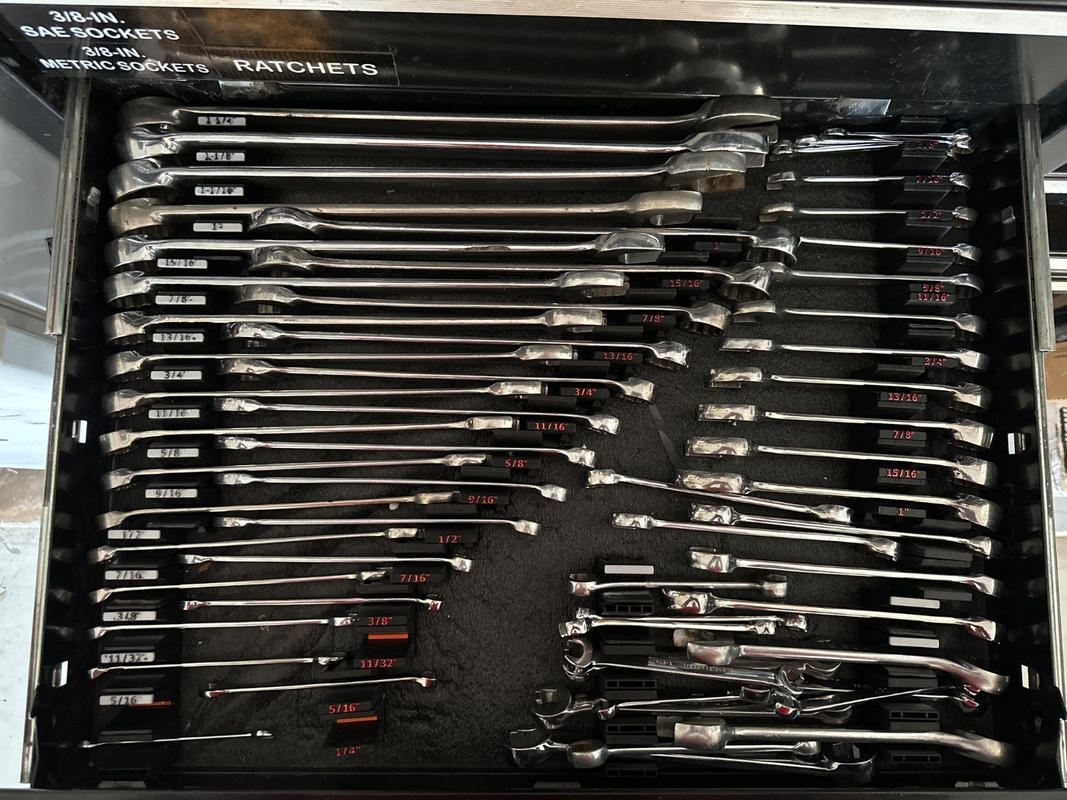
After grouping, arrange wrenches by size from smallest to largest. This order makes it easy to spot the wrench you need.
Use wrench racks, trays, or foam inserts to keep sizes in place and prevent movement inside the toolbox.
| Smallest | Medium | Largest |
|---|---|---|
| 6 mm / 1/4″ | 12 mm / 1/2″ | 24 mm / 1″ |
| 7 mm / 9/32″ | 13 mm / 17/32″ | 25 mm / 1″ |
Labeling For Easy Access
Label each section or slot in your toolbox with the wrench type and size. Labels help you return tools to the right place.
You can use stickers, tape, or printed labels. Clear labels save time and keep your toolbox organized.
Space-saving Storage Techniques
Organizing wrenches in a toolbox can save space and make tools easy to find. Using smart storage ideas helps keep your workspace tidy.
This guide covers three ways to store wrenches efficiently. Each method uses less space and protects your tools.
Using Foam Inserts
Foam inserts fit inside toolbox drawers to hold wrenches in place. Cut slots in the foam for each wrench size. This stops tools from moving around.
- Measure each wrench before cutting foam
- Use high-density foam for durability
- Label slots to find wrenches quickly
- Remove foam easily for cleaning or rearranging
Magnetic Strips And Holders
Magnetic strips attach inside the toolbox lid or walls. They hold metal wrenches securely and save drawer space. You can see all tools at once.
| Pros | Cons |
| Easy access to wrenches | Magnets may not hold very light wrenches |
| Space saved in drawers | Can scratch wrench surfaces without padding |
| Simple to install | Magnet strength can weaken over time |
Stacking And Nesting Strategies
Stacking wrenches by size helps use vertical space in the toolbox. Nest smaller wrenches inside larger ones to reduce clutter.
- Group wrenches from largest to smallest
- Stack similar types together, like open-end or box wrenches
- Use small containers or dividers for nested sets
- Keep frequently used wrenches on top

Credit: www.youtube.com
Customizing Toolbox Layout
Organizing wrenches in your toolbox can save time and keep tools safe. A well-planned layout makes your work smoother. Customizing the toolbox layout helps fit all your wrenches neatly.
Use different methods to arrange wrenches by size or type. Adjust compartments, create DIY holders, or add multi-tool spaces. This guide covers easy ways to customize your toolbox.
Adjustable Compartments
Adjustable compartments let you change the space inside the toolbox. You can move dividers to fit different wrench sizes. This flexibility helps keep your tools from shifting during transport.
- Move dividers to create small or large sections
- Separate wrenches by size or type
- Use foam inserts for extra protection
- Keep heavy wrenches at the bottom for balance
Diy Organizers
DIY organizers help customize your toolbox without buying new parts. You can use simple materials like wood, foam, or plastic to build holders for your wrenches.
| Material | Use | Benefits |
|---|---|---|
| Wood | Create slots or racks | Durable and easy to cut |
| Foam | Custom cutouts to fit wrenches | Protects tools and reduces noise |
| Plastic | Make small containers or trays | Lightweight and washable |
Incorporating Multi-tool Holders
Add holders for multi-tools to keep everything in one place. Multi-tool holders save space and make it easy to find different types of wrenches and other tools.
- Use elastic bands or straps to hold multi-tools
- Install small hooks or clips inside the toolbox lid
- Label each holder for quick access
- Combine with adjustable compartments for better layout
Maintaining Organized Wrenches
Keeping your wrenches organized in a toolbox saves time and effort. It helps you find the right tool quickly.
Organized wrenches last longer and work better. Regular care is key to maintaining order.
Regular Cleaning And Inspection
Clean your wrenches after each use to remove dirt and grease. This stops rust and keeps them in good shape.
Inspect wrenches for cracks, bends, or wear. Check the jaws and handles for damage.
- Wipe wrenches with a dry or slightly oily cloth
- Use a wire brush to remove rust spots
- Look for loose or damaged parts
- Store wrenches dry to prevent rust
Replacing Damaged Tools
Replace wrenches that are bent, cracked, or worn out. Damaged tools can slip and cause injury.
Keep your toolbox safe by removing broken wrenches promptly. Use new tools for better performance.
- Discard wrenches with rounded jaws
- Replace handles that are loose or cracked
- Check for proper fit on nuts and bolts
- Buy quality replacements to last longer
Updating Organization As Needed
Rearrange your wrenches if your collection grows or changes. Keep the toolbox neat for easy access.
Use holders, trays, or foam inserts to keep wrenches in place. Label sections by wrench size or type.
- Sort wrenches by size from smallest to largest
- Group similar types together (e.g., adjustable, combination)
- Add new storage solutions if needed
- Regularly check for misplaced tools
Frequently Asked Questions
What Is The Best Way To Organize Wrenches In A Toolbox?
The best way to organize wrenches is by size and type. Use labeled slots or trays to separate them. This method improves accessibility and keeps your toolbox tidy.
How Can I Prevent Wrenches From Rusting In Storage?
Store wrenches in a dry place and use silica gel packs. Wipe them with oil after use to prevent rust. Proper storage extends their lifespan and maintains performance.
What Tools Help Keep Wrenches Organized In A Toolbox?
Wrench organizers, foam inserts, and magnetic trays are great options. They hold wrenches securely and save space. Choose organizers that fit your toolbox size and wrench collection.
How Do I Quickly Find The Right Wrench Size?
Arrange wrenches from smallest to largest and label each slot. This system speeds up tool selection and reduces frustration during projects.
Conclusion
Organizing wrenches in a toolbox boosts efficiency. A tidy toolbox saves time. Always place wrenches by size. This helps find the right tool fast. Use drawer liners or foam inserts. This prevents shifting during transport. Label sections for quick access.
Clean your tools regularly. This extends their lifespan. Keep a consistent organizing method. It reduces clutter and confusion. Share these tips with friends. They’ll appreciate your advice. A well-organized toolbox makes every project smoother. Enjoy the benefits of a neat tool collection.
Happy organizing!