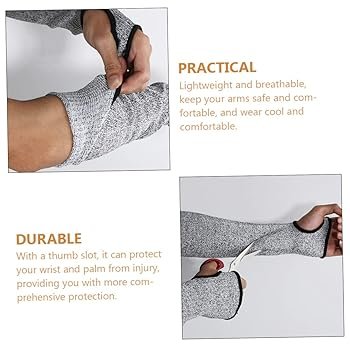
If you rely on cut-resistant sleeves to protect your arms, you know how important they are for your safety. But are you taking the right steps to keep them in top shape?
Proper maintenance can extend the life of your sleeves and ensure they work when you need them most. You’ll discover simple, practical tips to clean, store, and inspect your cut-resistant sleeves. By following these easy steps, you’ll protect yourself better and get the most value from your safety gear.
Keep reading to learn how to maintain your cut-resistant sleeves like a pro.

Credit: www.amazon.com
Choosing The Right Sleeves
Cut-resistant sleeves protect your arms from sharp objects and injuries. Choosing the right sleeves is key to safety and comfort.
This guide helps you pick sleeves that last and fit well. Learn about materials and fit for better protection.
Materials That Last
Good materials keep sleeves strong and durable. Look for fabrics that resist cuts and wear over time.
- High-performance polyethylene (HPPE) offers great cut resistance.
- Kevlar fibers provide strength and flexibility.
- Steel mesh sleeves are very tough but less flexible.
- Nylon blends balance comfort and protection.
Proper Fit And Comfort
Comfort matters for long use. Sleeves should fit snugly but not restrict movement or blood flow.
| Fit Aspect | What to Check | Why It Matters |
| Length | Cover from wrist to upper arm | Protects full arm length |
| Elasticity | Stretch without tight spots | Allows easy movement |
| Breathability | Fabric lets air pass | Reduces sweat and discomfort |
| Seams | Flat and strong stitching | Prevents chafing and tearing |
Daily Care Practices
Cut-resistant sleeves protect your arms during work. Keeping them clean and stored well helps them last longer.
Good daily care stops damage and keeps the sleeves effective. Simple steps make a big difference.
Cleaning Techniques
Clean your cut-resistant sleeves regularly to remove dirt and sweat. Use mild soap and cold water to avoid damage.
Do not use bleach or fabric softeners. They can weaken the fibers and lower protection.
- Hand wash or use a gentle machine cycle
- Rinse well to remove all soap
- Air dry away from direct sunlight
- Do not use a dryer or iron
Storage Tips
Store cut-resistant sleeves in a clean, dry place. Avoid folding them tightly to keep their shape.
Keep sleeves away from sharp objects and chemicals. This prevents tears and fiber damage.
- Use a drawer or box for storage
- Keep sleeves flat or rolled loosely
- Check sleeves before use for damage
- Store at room temperature, not in damp areas
Inspection And Replacement
Cut-resistant sleeves protect your arms from sharp objects. Keeping them in good shape is very important.
Regular checks help you find damage early. You can replace sleeves before accidents happen.
Identifying Wear And Tear
Look closely at your sleeves for any signs of damage. Small cuts or holes reduce protection.
Check for thinning fabric or loose threads. These signs mean the sleeve is losing strength.
- Small cuts or holes
- Thinning or worn fabric
- Loose or frayed threads
- Discoloration or stains
- Stiff or hard spots
When To Replace Sleeves
Replace sleeves if you find serious damage. Do not use sleeves that can’t protect well.
Also change sleeves after heavy use or set time. Old sleeves may fail even if they look okay.
- Visible cuts or holes larger than a fingertip
- Fabric worn thin or torn
- Loss of fit or elasticity
- After a hard impact or cut incident
- At least once a year for regular use
Avoiding Common Mistakes
Cut-resistant sleeves keep your arms safe from cuts and scratches. Taking care of them helps keep their strength and life long.
Some common mistakes can damage these sleeves. Avoid these errors to maintain their protection.
Improper Washing
Washing cut-resistant sleeves incorrectly can weaken their fibers. Avoid using hot water or rough washing cycles.
Use cold or lukewarm water and gentle cycles. Do not use bleach or fabric softeners as they can damage the material.
- Wash with mild detergent
- Use cold or lukewarm water only
- Choose gentle washing cycles
- Skip bleach and fabric softeners
- Air dry instead of machine drying
Exposure To Harsh Chemicals
Harsh chemicals can break down the sleeve’s cut-resistant fibers. Avoid contact with strong acids, solvents, or oils.
Always check the work area for chemical spills. Clean sleeves immediately if they touch harmful substances.
- Keep sleeves away from strong acids and solvents
- Inspect sleeves regularly for chemical damage
- Clean sleeves right after chemical contact
- Replace sleeves if fibers show wear from chemicals
Enhancing Sleeve Performance
Cut-resistant sleeves protect your arms from sharp objects. Keeping them in good condition is important. This guide helps you enhance their performance.
Proper care and added protection extend the life of your sleeves. Follow simple steps to maintain their strength and safety.
Using Protective Overlays
Protective overlays add an extra layer to your sleeves. They help reduce wear and tear from harsh work conditions.
- Choose overlays made from durable materials like silicone or rubber.
- Apply overlays to areas that face the most friction.
- Replace overlays when they show signs of damage.
- Ensure overlays fit well without restricting movement.
- Clean overlays regularly to prevent buildup of dirt and oils.
Routine Maintenance Schedule
Regular maintenance keeps sleeves working at their best. A schedule helps you track cleaning and inspections.
| Task | Frequency | Details |
| Visual Inspection | Daily | Check for cuts, tears, and worn areas. |
| Cleaning | Weekly | Wash with mild soap and water. Air dry completely. |
| Overlay Check | Monthly | Look for peeling or damage on protective overlays. |
| Storage | After Use | Keep sleeves in a dry, cool place away from sunlight. |
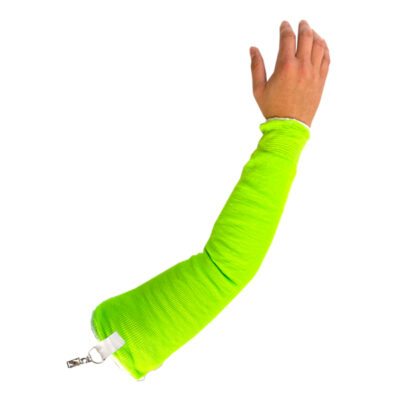
Credit: jomaccanada.com

Credit: www.safety.com.sg
Frequently Asked Questions
How Often Should I Clean Cut-resistant Sleeves?
Clean cut-resistant sleeves after every use to maintain effectiveness. Follow manufacturer instructions for washing, usually cold water and mild detergent. Avoid bleach or fabric softeners. Air dry them completely before storing to prevent damage and bacterial growth.
Can I Machine Wash Cut-resistant Sleeves Safely?
Yes, most cut-resistant sleeves are machine washable. Use gentle cycle and cold water. Avoid bleach and fabric softeners as they degrade fibers. Always check the care label to ensure washing methods won’t reduce cut resistance.
How Do I Store Cut-resistant Sleeves Properly?
Store sleeves in a cool, dry place away from direct sunlight. Avoid folding or compressing them to maintain shape and protection. Proper storage prevents material breakdown and extends the sleeves’ lifespan, ensuring continued safety.
When Should I Replace My Cut-resistant Sleeves?
Replace sleeves when you notice tears, thinning, or loss of fit. Also, if they fail to provide adequate protection during tasks. Regular inspection ensures your safety and compliance with workplace standards.
Conclusion
Caring for cut-resistant sleeves is essential for their longevity. Clean them regularly. Follow the manufacturer’s care instructions closely. Use mild detergent to avoid damage. Dry them thoroughly before storing. Store in a cool, dry place. This prevents material deterioration. Check for wear and tear frequently.
Replace if they are damaged. Proper care ensures optimal protection. It also extends their lifespan. Invest time in maintenance. Your safety is worth the effort. Stay protected and confident in your work.