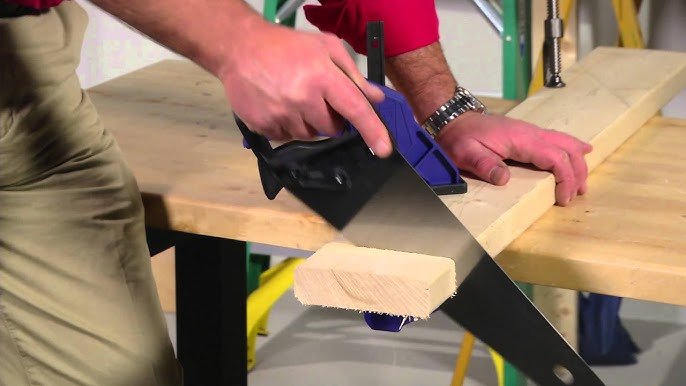
Are you ready to tackle small cutting tasks with confidence? Using a hand saw might seem simple, but doing it right can save you time, effort, and frustration.
This guide will show you exactly how to use a hand saw for small cuts like a pro. Whether you’re fixing something around the house or starting a new project, mastering this skill will make your work smoother and more precise.
Keep reading, and you’ll discover easy tips that will change the way you handle your saw forever.
Choosing The Right Hand Saw
Using a hand saw for small cuts needs the right tool. Picking the correct hand saw makes your work easier and safer.
Different hand saws suit different tasks. Learn what to look for before you start cutting.
Types Of Hand Saws
Hand saws come in many types. Each type has a special use for cutting wood or other materials.
- Back Saw: Has a stiff spine for straight, fine cuts.
- Crosscut Saw: Designed to cut across wood grain.
- Rip Saw: Cuts along the wood grain with large teeth.
- Keyhole Saw: Small blade for tight or curved cuts.
- Japanese Saw: Cuts on the pull stroke for precision.
Blade Selection
Blade choice affects how clean and fast you cut. Look at blade length, tooth count, and tooth shape.
- Longer blades cut bigger pieces but are harder to control.
- Teeth per inch (TPI) decides cut smoothness: more teeth mean smoother cuts.
- Crosscut blades have angled teeth to slice wood fibers cleanly.
- Rip blades have straight teeth to split wood along the grain.
Handle Comfort And Grip
A good handle helps you control the saw safely. It should fit your hand well and feel comfortable.
- Look for handles made of wood or plastic with smooth edges.
- Check if the grip feels secure and non-slip.
- Some handles have ergonomic shapes to reduce hand fatigue.
- Make sure the handle matches your hand size for better control.
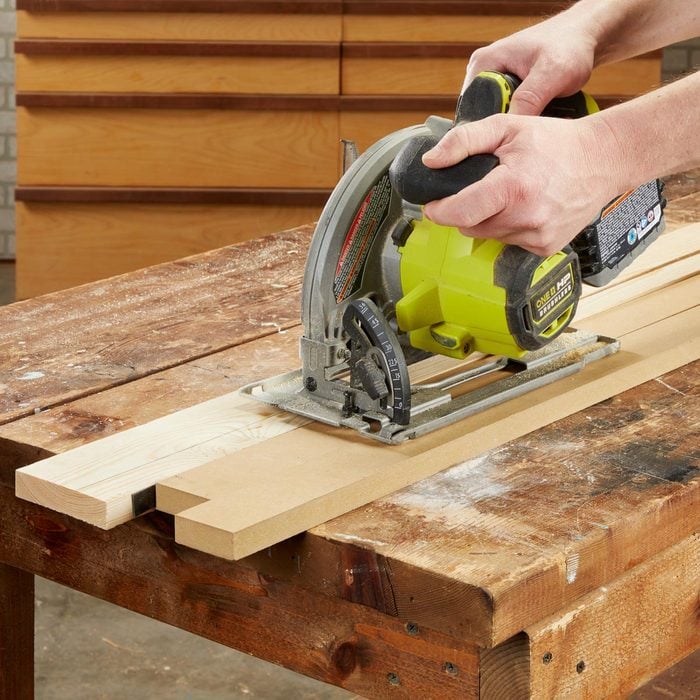
Credit: www.familyhandyman.com
Preparing For Your Cut
Using a hand saw for small cuts needs good preparation. This helps you cut safely and correctly.
Before you start, set up your workspace and tools carefully. This makes the cutting process easier.
Marking The Cut Line
Mark the cut line clearly on the wood. Use a pencil and a ruler or square for straight lines.
Check the line twice before cutting. This helps avoid mistakes and wasted wood.
Securing The Workpiece
Hold the wood firmly before cutting. Use clamps or a vise to keep it from moving.
Make sure the wood is stable and will not slip. This keeps your hands safe and the cut straight.
Safety Gear Essentials
Wear safety glasses to protect your eyes from sawdust and wood chips. Gloves can protect your hands.
Use ear protection if you work in a noisy area. Always choose gear that fits well and is comfortable.
Proper Hand Saw Techniques
Using a hand saw for small cuts requires careful technique. Good habits make your work safer and cleaner.
Focus on posture, how you start the cut, and keeping your stroke steady. These steps help you cut accurately.
Correct Sawing Posture
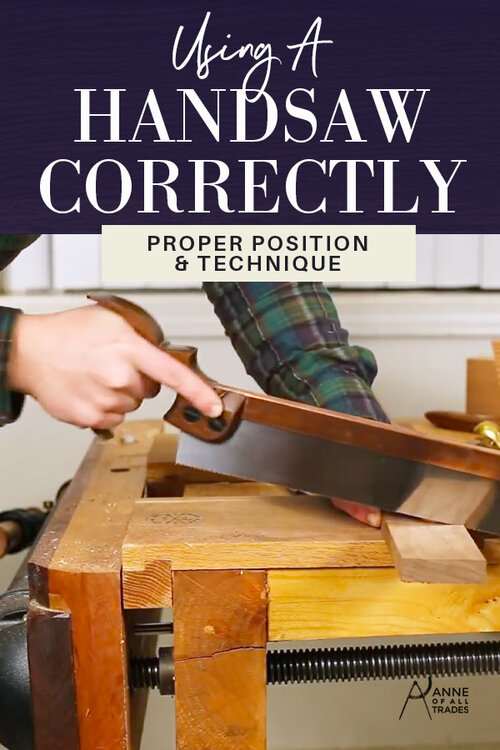
Stand with your feet shoulder-width apart for balance. Keep your body relaxed but steady. Hold the saw handle firmly but not too tight.
- Face the workpiece directly to see the cut line clearly.
- Keep your elbow close to your body for control.
- Position the saw blade at a slight angle to the wood.
- Use your whole arm, not just your wrist, to move the saw.
Starting The Cut
Begin with a small notch to guide the blade. Use light, short strokes to create this notch. This helps prevent the saw from slipping.
| Tip | Why It Helps |
| Create a notch | Keeps the saw on track |
| Use light pressure | Prevents damage to the wood |
| Keep blade straight | Ensures a clean cut line |
Maintaining A Steady Stroke
Use long, smooth strokes to cut through the wood. Keep the saw moving at a steady speed. Avoid pushing too hard or stopping suddenly.
- Let the saw teeth do the work, not your force.
- Keep your wrist straight and relaxed.
- Watch the cut line and adjust if needed.
- Take breaks if your arm feels tired.
Credit: www.anneofalltrades.com
Troubleshooting Common Issues
Using a hand saw for small cuts can sometimes cause problems. Knowing how to fix these issues helps you work better and faster.
This guide covers common problems and easy ways to solve them. You will learn how to avoid blade binding, fix crooked cuts, and handle dull blades.
Avoiding Blade Binding
Blade binding happens when the saw blade gets stuck in the wood. It makes cutting hard and slows you down.
To avoid binding, keep the cut tight but not too tight. Let the saw do the work without pressing too hard.
- Use a sharp blade for smooth cutting
- Keep the wood steady while cutting
- Cut along the grain to reduce resistance
- Clear sawdust often from the cut area
Fixing Crooked Cuts
Crooked cuts happen when the saw moves off the line. This makes the piece uneven and may waste material.
To fix crooked cuts, start slowly and follow the marked line closely. Use your whole arm to guide the saw straight.
- Mark the cut line clearly with a pencil
- Hold the saw handle firmly but not tightly
- Keep the saw blade vertical to the wood surface
- Check your progress often and adjust as needed
Dealing With Dull Blades
A dull blade cuts slowly and makes rough edges. It also increases the chance of binding and crooked cuts.
Replace or sharpen the blade when it becomes dull. A sharp blade makes cutting easier and safer.
- Check the blade teeth for wear or damage
- Use a file or sharpening tool for minor dullness
- Replace the blade if it is badly worn
- Store saws properly to keep blades sharp longer
Maintaining Your Hand Saw
Keeping your hand saw in good shape helps it cut smoothly. Regular care makes your saw last longer.
Simple maintenance steps like cleaning and sharpening keep the blade sharp and safe to use.
Cleaning After Use
After you finish cutting, clean the saw to remove sawdust and sap. This stops rust and buildup.
Use a brush or cloth to wipe the blade gently. Avoid using water, which can cause rust.
- Brush off sawdust with a stiff brush
- Wipe the blade with a dry cloth
- Use a little oil to protect the metal
Sharpening Tips
Keep your saw sharp to cut small pieces easily. Dull blades make cutting harder and unsafe.
Use a fine file or sharpening tool. Follow the original tooth shape when filing the blade.
- Secure the saw in a clamp or vise
- File each tooth evenly and carefully
- Check the blade often for sharpness
Storage Recommendations
Store your hand saw in a dry place to avoid rust. Protect the blade from damage and moisture.
Use a saw cover or wrap the blade in cloth. Hang the saw or keep it flat on a shelf.
- Keep saws away from damp areas
- Use blade guards or covers
- Hang saws on hooks or store flat
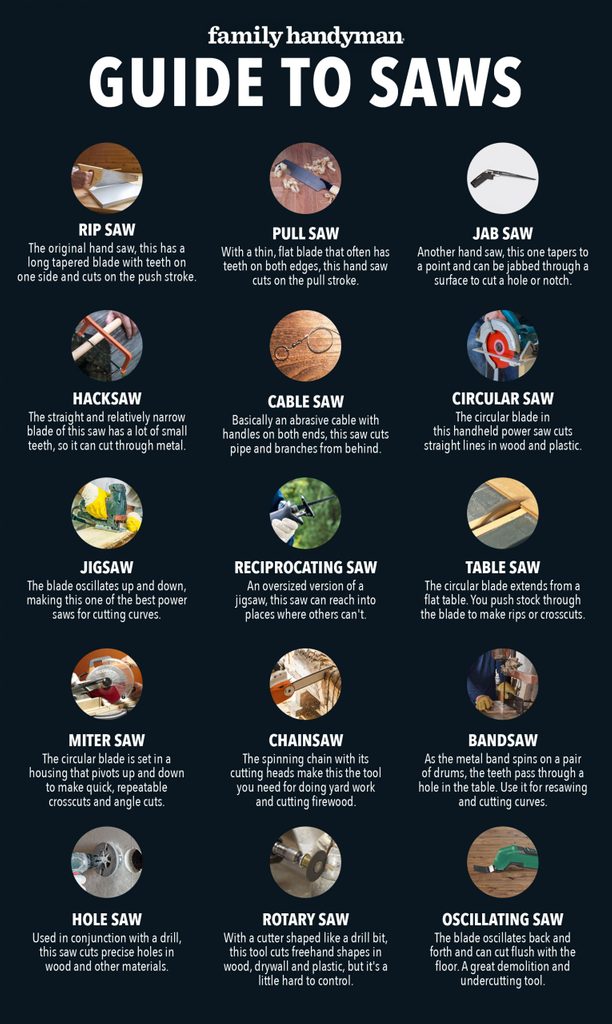
Credit: www.familyhandyman.com
Advanced Tips For Precision
Cutting small pieces with a hand saw needs steady hands and focus. Precision makes your work cleaner and safer.
These tips will help you cut accurately and save time while working on small projects.
Using A Saw Guide
A saw guide keeps your cuts straight and controlled. Clamp a metal or wooden guide to your workpiece for best results.
- Measure and mark the cut line clearly.
- Attach the guide securely near the cut line.
- Use the guide edge to keep your saw blade steady.
- Cut slowly and follow the guide closely.
Cutting Angles And Curves
Small cuts often require angled or curved shapes. Adjust your saw angle for clean edges and smooth curves.
| Cut Type | Saw Position | Tip |
| 45 Degree Angle | Hold saw at 45° to the wood | Use a miter box for accuracy |
| 90 Degree Straight Cut | Hold saw perpendicular | Use a saw guide or square |
| Curved Cut | Use a fine-tooth saw | Cut slowly and follow the curve line |
Combining Tools For Best Results
Use other hand tools with your saw to improve precision and finish quality.
- Mark cuts with a sharp pencil or marking knife.
- Use a coping saw for detailed curves after rough cuts.
- Sand edges after cutting for a smooth finish.
- Clamp the workpiece firmly to avoid movement.
Frequently Asked Questions
What Type Of Hand Saw Is Best For Small Cuts?
A back saw or a fine-toothed crosscut saw works best for small, precise cuts. They provide accuracy and control.
How Do I Hold A Hand Saw Correctly?
Hold the handle firmly with your dominant hand. Use your other hand to steady the wood for better control.
What Safety Tips Should I Follow When Using A Hand Saw?
Wear safety goggles and gloves. Keep fingers away from the blade and saw in a well-lit area.
How Can I Make Straight Cuts With A Hand Saw?
Mark your cut line clearly. Use slow, steady strokes and keep the saw at a consistent angle.
Conclusion
Using a hand saw can be simple and effective. Small cuts require patience and precision. Always keep your saw sharp for the best results. Practice your grip and stance for safety. Remember, proper technique reduces effort. Choose the right saw for the material.
Wood, plastic, or metal—each needs different blades. Safety gear is essential; never skip it. With these tips, you can improve your cutting skills. Happy sawing!