If you’re ready to take your woodworking projects to the next level, mastering the cordless drill is a game-changer. Imagine having the freedom to work anywhere without being tied down by cords, while still powering through your tasks quickly and efficiently.
This guide will show you exactly how to use a cordless drill like a pro, helping you save time, avoid common mistakes, and create beautiful woodwork with ease. Stick with me, and you’ll gain the confidence and skills to make your projects smoother and more enjoyable than ever before.
Choosing The Right Cordless Drill
A cordless drill is an important tool for woodworking projects. Picking the right drill can make your work easier and faster.
There are many options to choose from. Knowing what to look for helps you find the best drill for your needs.
Key Features To Consider
Look for features that match your woodworking tasks. Power, speed settings, and grip comfort are important.
- Power: Higher power drills handle tougher wood.
- Speed Settings: Multiple speeds help control drilling.
- Ergonomic Grip: Comfortable grip reduces hand fatigue.
- Chuck Size: Larger chucks hold bigger drill bits.
- Weight: Lightweight drills are easier to use longer.
Battery Types And Life
Cordless drills use different battery types. Choose one with good battery life for longer work time.
Common batteries are lithium-ion and nickel-cadmium. Lithium-ion lasts longer and charges faster.
- Lithium-ion: Lightweight, long-lasting, fast charging.
- Nickel-cadmium: Older type, heavier, shorter life.
- Battery Life: Check how many hours or charges it lasts.
- Spare Batteries: Having extra batteries keeps work going.
Drill Sizes For Woodworking
Drills come in different sizes. Choose a size that fits your woodworking projects.
Smaller drills are good for light work. Larger drills work better on thick or hard wood.
- Compact Drills: Easy to use in tight spaces.
- Mid-size Drills: Good for most woodworking tasks.
- Heavy-duty Drills: Best for big jobs and tough wood.

Credit: www.youtube.com
Essential Drill Bits For Wood
Using the right drill bit makes woodworking easier and cleaner. Different bits create different hole types in wood.
Choosing the correct drill bit helps you work faster and get better results.
Types Of Wood Drill Bits
Wood drill bits come in several shapes and sizes. Each bit works best for a specific task.
- Twist Bits:Common and versatile, good for small holes.
- Spade Bits:Flat with a sharp point, good for large holes.
- Forstner Bits:Create clean, flat-bottomed holes.
- Auger Bits:Long with a screw tip, drill deep holes easily.
- Brad Point Bits:Have a center point to prevent slipping.
When To Use Each Bit
Pick the drill bit based on the hole size and wood type. Use the right bit to avoid damage.
- Twist Bits:Use for small holes and soft woods.
- Spade Bits:Use for rough, large holes quickly.
- Forstner Bits:Use for precise holes and flat bottoms.
- Auger Bits:Use for deep holes in hard woods.
- Brad Point Bits:Use when accuracy and no splintering matter.
Maintaining Your Bits
Keep drill bits sharp and clean for best performance. Dull bits make work harder and cause damage.
Store bits in a dry place to stop rust. Check bits before use for any damage.
- Sharpen dull bits with a file or sharpening tool.
- Clean wood dust and resin off bits after use.
- Oil bits lightly to prevent rust.
- Replace bits if they are bent or broken.
Preparing Your Workspace
Setting up your workspace is key before using a cordless drill for woodworking. A clean and organized area helps you work safely and efficiently.
Taking time to prepare reduces accidents and makes your project easier to complete. Focus on three main areas: safety, tools, and securing wood.
Safety Gear And Precautions
Wear the right safety gear to protect yourself from dust and accidents. Always check your drill before use to ensure it works properly.
- Use safety goggles to protect your eyes
- Wear ear protection if drilling loud materials
- Put on gloves to avoid splinters and cuts
- Keep a first aid kit nearby
- Make sure the workspace is well-lit and ventilated
Organizing Tools And Materials
Arrange all your tools and materials close by. This saves time and keeps your workspace tidy. Know where each item is before you start.
| Tool | Purpose | Placement |
| Cordless drill | Drilling holes and driving screws | On the workbench, easy to reach |
| Drill bits | Different sizes for various holes | Organized in a small case nearby |
| Screwdriver set | Adjusting screws and fittings | Next to the drill bits |
| Measuring tape | Measuring wood pieces accurately | On the side of the bench |
| Clamps | Holding wood steady | Within arm’s reach |
Securing Your Workpiece
Keep your wood steady to drill safely and precisely. Use clamps or a vise to hold the piece firmly in place.
- Place the wood on a sturdy surface
- Use clamps to prevent movement
- Check that the piece is level before drilling
- Remove any loose debris from the wood surface
:max_bytes(150000):strip_icc()/JS_1864-2008bd548fb548db8f5729d54b71976b.jpg)
Credit: www.woodmagazine.com
Mastering Drill Techniques
Using a cordless drill for woodworking needs practice and care. Learning the right methods helps you work safely and make clean holes.
This guide shows simple ways to hold the drill, control its speed, and keep holes straight. These tips suit beginners and those who want better results.
Proper Grip And Posture
Hold the drill firmly with both hands to keep control. Stand with your feet shoulder-width apart for balance. Keep your back straight and lean slightly forward.
- Use your dominant hand on the drill handle
- Place your other hand under the drill for support
- Keep elbows close to your body
- Stand steady without locking your knees
- Keep your eyes on the drill bit and work surface
Controlling Speed And Pressure
Adjusting the speed and pressure helps avoid damage to the wood and drill bit. Use slow speed for hard woods and fast speed for soft woods.
| Wood Type | Speed Setting | Pressure |
| Softwood | High Speed | Light Pressure |
| Hardwood | Low Speed | Moderate Pressure |
| Plywood | Medium Speed | Light to Moderate Pressure |
Press the drill gently against the wood. Too much pressure can break the bit or make the hole uneven. Let the drill do the work.
Drilling Straight And Accurate Holes
Keeping the drill steady and aligned is key to making straight holes. Use guides or marks to keep the drill bit on track.
- Mark the spot with a pencil or punch
- Start drilling at a slow speed
- Hold the drill perpendicular to the surface
- Check alignment often while drilling
- Stop and clear debris for a clean hole
Common Woodworking Drilling Tasks
Using a cordless drill is essential for many woodworking jobs. It helps you create precise holes and fasten screws quickly.
Understanding different drilling tasks improves your work quality and saves time. Below are common tasks you will encounter.
Pilot Holes And Countersinking
Drilling pilot holes prevents wood from splitting when you insert screws. It guides the screw for a clean finish.
Countersinking makes space for the screw head to sit flush or below the wood surface. This helps in neat assembly and finishing.
- Choose a drill bit slightly smaller than the screw diameter for pilot holes.
- Use a countersink bit to widen the hole’s top part for the screw head.
- Drill pilot holes to the full screw length for best results.
- Keep drill speed moderate to avoid burning the wood.
Screw Driving Tips
Using a cordless drill for driving screws saves effort and time. Adjust the torque to avoid stripping screws or damaging wood.
| Torque Setting | Use Case |
| Low | Softwood and small screws |
| Medium | Hardwood and medium screws |
| High | Large screws and dense wood |
Hold the drill steady and keep it aligned with the screw. This ensures proper driving and reduces damage.
Creating Large Holes And Openings
Large holes or openings need special drill bits like spade bits or hole saws. They cut clean holes for pipes or wiring.
Tips for large holes:
- Mark the drilling spot clearly before starting.
- Use a drill bit that matches the needed hole size.
- Start drilling slowly to keep the bit steady.
- Increase speed once the bit is stable in the wood.
- Wear safety glasses to protect your eyes from wood chips.
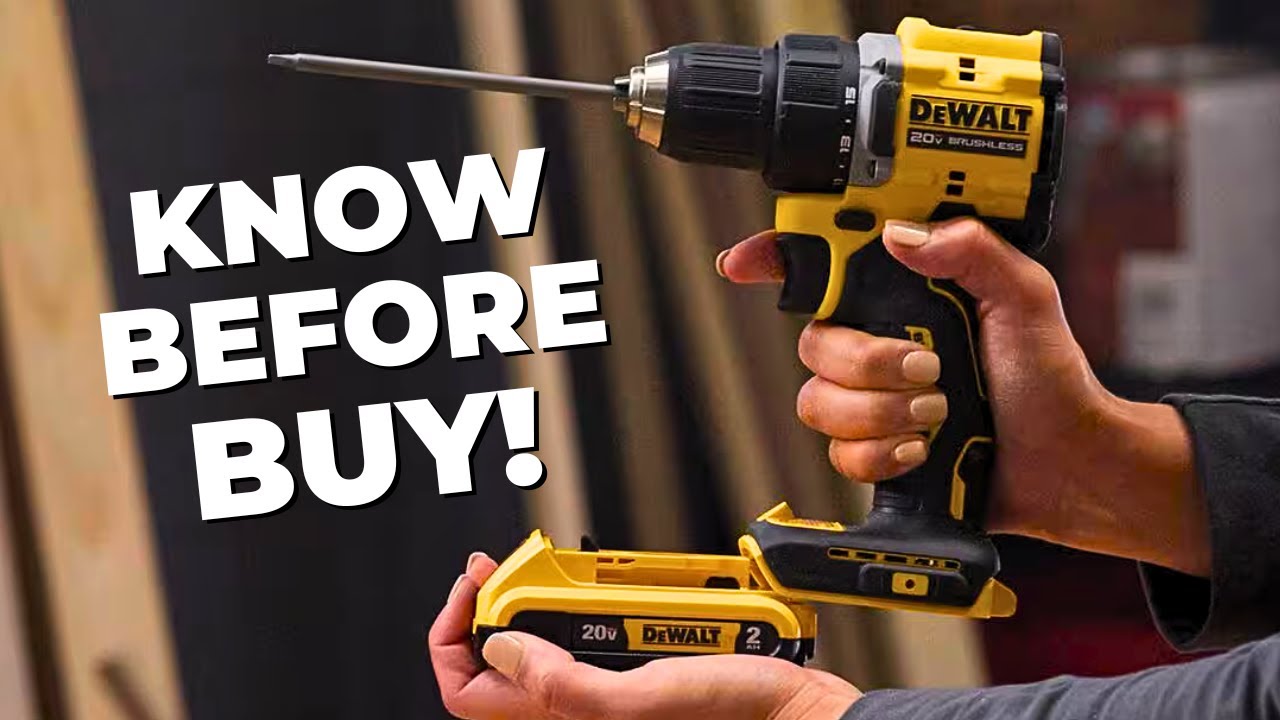
Credit: www.youtube.com
Troubleshooting Drill Issues
Using a cordless drill for woodworking is easy, but problems can occur. Knowing how to fix common issues saves time and keeps your work smooth.
This guide covers three common problems: overheating and battery care, drill bit slippage, and handling drill jams.
Overheating And Battery Care
Overheating can damage your drill and battery. It happens when you use the drill too long or press too hard. Proper battery care helps avoid many problems.
- Stop drilling if the drill feels hot.
- Let the drill cool before starting again.
- Charge the battery fully before use.
- Store batteries in a cool, dry place.
- Use the right charger for your battery type.
- Do not leave batteries in the drill after use.
Drill Bit Slippage
Drill bit slippage means the bit spins without drilling. This can damage the wood and bit. It usually happens if the bit is loose or worn out.
| Cause | How to Fix |
| Loose chuck | Tighten the chuck firmly by hand or with a key |
| Worn drill bit | Replace the bit with a new sharp one |
| Wrong drill bit type | Use a bit designed for wood drilling |
| Chuck damage | Inspect and repair or replace the chuck |
Handling Drill Jams
A drill jam stops the bit from turning. It can happen if the wood is too hard or the bit is dull. You must act carefully to avoid damage.
Try these tips to clear jams:
- Release the trigger immediately.
- Pull the drill bit out slowly while turning it backward.
- Check the bit for damage before using it again.
- Use a sharper bit for hard wood.
- Reduce drill speed to prevent jamming.
Maintaining Your Cordless Drill
Keeping your cordless drill in good shape helps it last longer. Regular care prevents problems and keeps it working well.
This guide covers cleaning, battery care, and knowing when to replace parts. Follow these tips for safe and smooth use.
Cleaning And Storage
Clean your drill after each use to remove dust and wood chips. Wipe it with a dry cloth and avoid water near the motor.
- Use a soft brush to clean vents and crevices
- Keep drill bits clean and sharp
- Store the drill in a dry, cool place
- Use the carrying case if available
- Avoid leaving the drill in direct sunlight or damp areas
Battery Maintenance Tips
Proper battery care keeps your drill running longer and holds charge better. Follow these simple rules for battery health.
- Charge the battery fully before first use
- Do not let the battery drain completely before charging
- Store batteries in a cool, dry place away from metal objects
- Remove the battery from the drill if not used for a long time
- Use the charger made for your battery type only
When To Replace Parts
Check your drill parts regularly. Replace worn or damaged parts to keep the drill safe and effective.
| Part | Signs to Replace | Replacement Tip |
| Drill Bits | Dull edges, bending, or breaking | Use new bits matching your drill size |
| Battery | Short runtime, won’t hold charge | Replace with original or compatible battery |
| Chuck | Slips or won’t hold bits tight | Get a new chuck from the drill brand |
| Switch | Intermittent power or no start | Have a technician replace the switch |
Frequently Asked Questions
What Are The Best Cordless Drills For Woodworking?
The best cordless drills for woodworking offer high torque, long battery life, and lightweight design. Brands like DeWalt and Makita are popular. Choose drills with adjustable speed settings and ergonomic grips for precise control and comfort during wood projects.
How Do I Choose The Right Drill Bit For Wood?
Select drill bits specifically designed for wood, such as spade bits or brad point bits. These bits ensure clean holes and reduce splintering. Match the bit size to your screw or hole diameter for accurate drilling in woodworking tasks.
Can Cordless Drills Handle Hardwood Materials?
Yes, cordless drills can handle hardwood if they have sufficient power and torque. Use high-quality drill bits and set the drill to a lower speed for better control. Charge batteries fully to maintain consistent performance during tough hardwood drilling.
How To Maintain My Cordless Drill For Woodworking?
Keep your cordless drill clean and dry after each use. Regularly check and tighten screws and parts. Charge batteries fully and store them in a cool, dry place. Replace worn-out drill bits to ensure smooth and efficient woodworking.
Conclusion
Using a cordless drill in woodworking simplifies tasks. It’s essential for precision work. Remember to charge your drill fully before starting. Keep safety gear handy to protect yourself. Practice makes perfect, so start with small projects. Don’t rush; take your time to learn.
Pay attention to the drill’s speed settings. Different woods require different techniques. Understand your drill’s features for better results. With these tips, woodworking becomes enjoyable. Always follow the manufacturer’s instructions for safe use. Enjoy the satisfaction of creating something with your hands.
Happy woodworking!