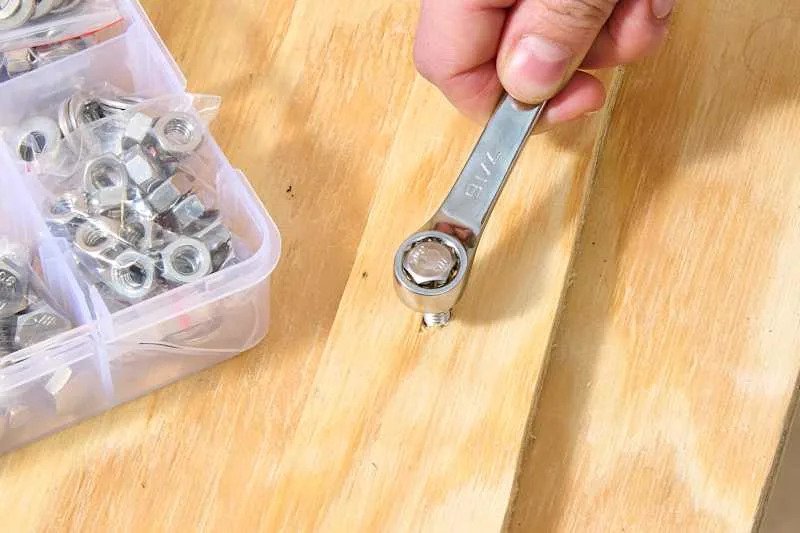
Are you struggling to loosen those stubborn, tight bolts that just won’t budge? Using a socket wrench might seem simple, but without the right technique, it can turn into a frustrating task.
This guide will show you how to use a socket wrench effectively, so you can save time and effort. Whether you’re fixing your car, assembling furniture, or tackling any DIY project, learning these tips will give you the confidence to handle even the toughest bolts.
Keep reading to discover easy steps that make a big difference in your work.
Choosing The Right Socket Wrench
Using a socket wrench makes loosening tight bolts easier. Picking the right wrench helps you work safely and quickly. This guide covers how to choose the best socket wrench for your needs.
Look at the types, sizes, and build quality before buying a socket wrench. Each factor affects how well the tool works on bolts.
Types Of Socket Wrenches
Socket wrenches come in several types. Each type suits different tasks and bolt sizes.
- Ratchet Wrenches:Most common type with a lever to turn bolts back and forth.
- Breaker Bars:Long handles for extra leverage on very tight bolts.
- Torque Wrenches:Used to apply a specific tightness or torque to bolts.
- Impact Wrenches:Powered tools that deliver strong, quick turns for tough bolts.
Selecting The Correct Size
Choosing the right size socket is key to avoid slipping and damage. The socket must fit the bolt head snugly.
| Socket Size | Bolt Size | Common Use |
| 1/4 inch | Small bolts | Electronics, small appliances |
| 3/8 inch | Medium bolts | Cars, household repairs |
| 1/2 inch | Large bolts | Heavy machinery, trucks |
| 3/4 inch and above | Extra-large bolts | Industrial equipment |
Material And Build Quality
Good materials and strong build quality increase tool life. Look for socket wrenches made with durable metals.
- Chrome Vanadium Steel:Common, strong, and resists rust.
- Stainless Steel:Rust-resistant but can be softer.
- Carbon Steel:Strong but needs coating to avoid rust.
- Finish:Polished or coated finishes prevent corrosion and wear.

Credit: www.youtube.com
Preparing For The Job
Using a socket wrench on tight bolts needs careful preparation. This helps avoid damage and makes the work easier.
Start by getting the bolt and tools ready. This guide covers cleaning, applying oil, and gathering tools.
Cleaning The Bolt And Surrounding Area
Clear dirt and rust from the bolt and its area. This gives better grip and stops dirt from entering the mechanism.
- Use a wire brush to remove rust and dirt
- Wipe the area with a clean cloth
- Remove any grease or debris around the bolt
Applying Penetrating Oil
Penetrating oil helps loosen tight bolts by getting inside threads and breaking rust bonds.
| Type of Oil | How to Apply | Wait Time |
| Standard Penetrating Oil | Spray directly on the bolt and threads | 10 to 15 minutes |
| Heavy-Duty Oil | Use a brush for thick coverage | 30 minutes or more |
| Homemade Solutions | Apply with a cloth carefully | Varies, usually 20 minutes |
Gathering Necessary Tools
Having the right tools ready saves time and effort. Make sure you have everything before starting.
- Socket wrench set with various sizes
- Breaker bar for extra leverage
- Penetrating oil and wire brush
- Protective gloves and safety glasses
- Rags for cleaning and wiping
Techniques For Tight Bolts
Tight bolts can be hard to loosen. Using the right techniques helps avoid damage and saves effort.
A socket wrench gives good leverage, but you must use it carefully to get the best results.
Using Proper Body Positioning
Stand in a stable position before you start turning. This helps you use your strength safely.
Keep your feet shoulder-width apart. Face the bolt directly to keep your movements straight.
- Balance your weight evenly on both feet
- Keep your back straight to avoid injury
- Position your hands close to your body
Applying Steady Pressure
Use slow, steady force instead of quick, jerky motions. This reduces the risk of slipping.
Keep the wrench firmly on the bolt. Let the tool do the work, not sudden strong pushes.
- Apply pressure evenly throughout the turn
- Stop and reposition if the wrench slips
- Take breaks if the bolt won’t move easily
Using Extensions And Adapters
Extensions give extra reach for bolts in tight spots. Adapters fit sockets to different wrench sizes.
Use the right extension length to avoid bending. Choose adapters that match your socket and wrench.
- Long extensions provide better leverage
- Swivel adapters help reach angled bolts
- Check all parts fit tightly before use
%20(2)%20(1).png)
Credit: www.misterworker.com
Avoiding Common Mistakes
Using a socket wrench on tight bolts can be tricky. Mistakes can cause damage to tools or parts. This guide helps you avoid common errors.
Follow these tips to work safely and effectively. Protect your tools and the bolts you work on.
Preventing Socket Slippage
Socket slippage happens when the wrench slips off the bolt. It can hurt your hand or damage the bolt head. Use these tips to stop slippage.
- Choose the right socket size for the bolt.
- Push the socket fully onto the bolt head.
- Keep the wrench handle straight to apply even force.
- Check the socket for wear or cracks before use.
- Use a socket with a good grip design.
Avoiding Over-tightening
Over-tightening can strip threads or break bolts. It also makes future repairs harder. Follow these steps to avoid this problem.
- Stop turning when the bolt feels tight.
- Use a torque wrench if possible for correct tension.
- Do not use extra force or cheater bars on the wrench.
- Check the bolt’s specifications for proper tightness.
Protecting The Bolt Head
Damaged bolt heads are hard to remove later. Protect them with care and the right tools.
| Tip | Reason |
| Use clean sockets | Prevents slipping and damage |
| Apply steady pressure | Keeps bolt head intact |
| Avoid using worn sockets | Reduces risk of rounding bolt |
| Turn slowly | Gives better control |
Advanced Tips And Tricks
Using a socket wrench on tight bolts can be hard. Some bolts seem stuck and won’t move easily.
This guide shares advanced tips to help you loosen those tough bolts safely and effectively.
Using Heat To Loosen Bolts
Heat can expand metal and break rust or corrosion bonds. This makes bolts easier to turn.
Use a heat source like a propane torch. Heat the bolt for a few minutes but avoid nearby plastic or rubber parts.
- Wear safety glasses and gloves
- Heat the bolt evenly, not too much in one spot
- Let the bolt cool slightly before trying to turn it
Impact Sockets And Wrenches
Impact sockets and wrenches are made for tough jobs. They handle high torque without breaking.
Use impact-rated tools with impact drivers or impact wrenches. These tools deliver strong, sudden force to loosen bolts.
- Do not use regular sockets with impact tools
- Impact sockets are thicker and made of stronger steel
- Use the right size socket to avoid slipping
Leveraging Torque Multipliers
Torque multipliers increase the turning force without extra effort. They help break very tight bolts.
This tool uses gears to multiply the input force. It lets you loosen bolts that are too tight for your strength alone.
- Attach the multiplier between your wrench and the bolt
- Turn slowly and steadily to avoid damage
- Check the tool’s torque limit before use
Maintenance Of Socket Wrenches
Socket wrenches are useful tools for loosening tight bolts. Proper care keeps them working well for a long time. This guide covers basic maintenance tips.
Cleaning, storage, and timely replacement help your socket wrench stay reliable. Follow these simple steps to maintain your tools.
Cleaning And Lubrication
After use, clean your socket wrench to remove dirt and grease. Use a dry cloth or mild soap with water. Avoid harsh chemicals that can damage the metal.
- Wipe the socket and handle with a clean cloth
- Use a small brush to clean inside the socket head
- Dry the tool completely before storing
- Apply a few drops of light machine oil to the moving parts
- Work the wrench to spread the oil evenly
Storage Best Practices
Store socket wrenches in a dry, clean place to avoid rust and damage. Keep them organized to find the right size quickly.
| Storage Tip | Reason |
| Use a toolbox or tool rack | Keeps wrenches safe and easy to access |
| Keep away from moisture | Prevents rust and corrosion |
| Separate by size | Helps find the correct socket quickly |
| Store with a silica gel packet | Absorbs moisture inside the toolbox |
When To Replace Tools
Replace your socket wrench if it shows signs of wear or damage. Using broken tools can cause injury or damage bolts.
- Cracked or bent handles
- Worn or rounded socket heads
- Loose or stuck moving parts
- Rust that cannot be cleaned off
- Difficulty in gripping bolts properly

Credit: www.familyhandyman.com
Frequently Asked Questions
How Do I Loosen Tight Bolts With A Socket Wrench?
To loosen tight bolts, use a longer handle for more leverage. Apply steady pressure and avoid sudden force to prevent damage. Using penetrating oil before loosening can also help ease stuck bolts.
What Socket Size Fits Tight Bolts Best?
Choose a socket that fits snugly on the bolt head. Using the correct size prevents slipping and rounding off the bolt. Measure the bolt or try different sockets to find the perfect fit.
Can I Use A Socket Wrench For Rusted Bolts?
Yes, a socket wrench works well on rusted bolts. Apply rust remover or penetrating oil first. Let it sit for a few minutes before trying to loosen the bolt gently.
How To Prevent Socket Wrench Slipping On Bolts?
Ensure the socket fits the bolt head perfectly. Use a clean, undamaged socket and wrench. Apply even pressure and avoid quick jerks to maintain grip and prevent slipping.
Conclusion
Using a socket wrench can simplify tightening bolts. Choose the right size. This ensures a snug fit. Apply steady pressure while turning the wrench. Avoid sudden jerks to prevent slipping. Keep your workspace safe and organized. A socket wrench makes bolt tightening efficient and easy.
Regular practice improves skills. Remember to check your tools regularly. Well-maintained tools last longer. This guide helps you handle tight bolts confidently. Happy wrenching!