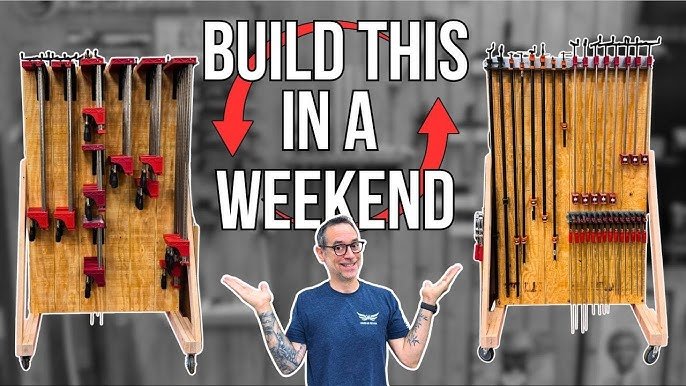
Are your clamps always scattered, making it hard to find the right one when you need it? Imagine opening your workshop and instantly spotting every clamp, neatly organized and easy to grab.
Storing clamps on pegboards is a simple trick that can save you time, reduce frustration, and keep your workspace tidy. You’ll discover smart, easy-to-follow tips to transform your pegboard into the perfect clamp storage solution. Ready to make your workshop more efficient and enjoyable?
Keep reading to find out how!

Credit: creatingmaryshome.com
Choosing The Right Pegboard
Using pegboards helps keep clamps organized and easy to find. Picking the right pegboard can make your workspace neat and safe.
Consider the material, size, and where you will mount the pegboard. These factors affect how well it works for your clamps.
Material Options
Pegboards come in several materials, each with good and bad points. Choose one that fits your workspace and clamp weight.
- MDF (Medium-Density Fiberboard):Smooth surface, good for light tools, not very strong.
- Metal:Very strong and durable, can hold heavy clamps, but may be more expensive.
- Plastic:Moisture resistant and easy to clean, but may bend under heavy weight.
- Wood:Strong and easy to customize, but can warp if wet.
Size And Hole Spacing
Choose a pegboard size that fits your wall space and clamp collection. Hole spacing affects how you place hooks and hang clamps.
| Hole Spacing | Use Case |
|---|---|
| 1/4 inch | Small clamps and light tools |
| 1/2 inch | Most clamps and general tools |
| 1 inch | Large clamps and heavy equipment |
Mounting Location
Pick a wall that is easy to reach and has enough space. Avoid areas near heat or moisture to keep your clamps safe.
Tips for mounting location:
- Choose a spot with good lighting.
- Mount at a height that is comfortable to reach.
- Ensure the wall can support the pegboard and clamps’ weight.
- Keep away from damp or humid areas to prevent rust.

Credit: www.makingmanzanita.com
Selecting Pegboard Hooks For Clamps
Storing clamps on pegboards keeps your workspace tidy. Choosing the right hooks helps hold clamps safely. It also makes finding the right clamp easier.
Understanding the types of hooks, their weight limits, and how to arrange them helps you organize well. This guide explains these key points for pegboard hooks.
Types Of Hooks
Several hook types fit pegboards and clamps. Each type works best for different clamp sizes and shapes. Pick hooks that hold clamps firmly without slipping.
- J-Hooks:Simple hooks shaped like a “J”. Good for small clamps.
- Double-Prong Hooks:Two prongs hold wider clamps securely.
- Utility Hooks:Flat hooks for general use, can hold various clamp types.
- Specialty Clamp Hooks:Designed for specific clamp styles, such as C-clamps or bar clamps.
Weight Capacity
Each hook has a weight limit. Overloading hooks can bend or break them. Check the weight of your clamps before picking hooks.
| Hook Type | Weight Capacity (lbs) |
| J-Hooks | 5 – 10 |
| Double-Prong Hooks | 15 – 25 |
| Utility Hooks | 10 – 20 |
| Specialty Clamp Hooks | 20 – 30 |
Customizing Hook Arrangements
Arrange hooks to fit your clamp sizes and shapes. Group similar clamps together. Leave space for easy removal and return.
- Place larger hooks lower for heavy clamps.
- Use shorter hooks for small clamps at eye level.
- Mix hook types to hold different clamp styles.
- Keep frequently used clamps in front.
- Adjust hooks as your clamp collection grows.
Organizing Clamps By Size And Type
Keeping clamps organized helps you find the right one fast. Using a pegboard makes storing clamps simple and neat.
Sorting clamps by size and type keeps your workspace clear. It also protects your clamps from damage.
Grouping Similar Clamps
Group clamps that look alike or serve the same purpose. This saves time when you need a specific clamp.
Place large clamps together and small ones in another area. Also, keep quick-release clamps separate from C-clamps.
- Bar clamps in one section
- C-clamps in another section
- Spring clamps in a separate spot
- Specialty clamps grouped by use
Using Labels For Easy Access
Labels help you find clamps faster. Use clear tags for each group or size on the pegboard.
Write the clamp size or type on the label. This makes it easy to put clamps back in the right place.
- Label by size: small, medium, large
- Label by type: bar, spring, C-clamp
- Use color-coded labels for quick ID
- Place labels above or below each group

Credit: www.reddit.com
Space-saving Clamp Storage Ideas
Clamps are essential tools in any workshop. Keeping them organized saves space and time. Pegboards offer a practical way to store clamps neatly.
This guide covers three smart methods for storing clamps on pegboards. Each method helps maximize your workspace efficiently.
Vertical Vs Horizontal Placement
Placing clamps vertically or horizontally on a pegboard affects space use and access. Vertical placement saves wall space and keeps clamps within reach. Horizontal placement works well for larger clamps and helps prevent damage.
- Vertical placement uses less wall space.
- Horizontal placement supports heavier clamps better.
- Choose placement based on clamp size and frequency of use.
Stacking And Nesting Clamps
Stacking and nesting clamps reduce clutter on your pegboard. You can hang smaller clamps inside larger ones or stack similar sizes together. This method keeps clamps organized and easy to grab.
| Method | Benefit |
| Stacking | Saves vertical space on the pegboard |
| Nesting | Allows smaller clamps to fit inside larger ones |
| Grouping by size | Keeps clamps easy to find and use |
Using Magnetic Strips
Magnetic strips attach to pegboards and hold metal clamps securely. They keep clamps visible and easy to reach. Magnetic strips work best for lighter clamps with metal parts.
- Install magnetic strips horizontally across the pegboard
- Place clamps so metal parts stick firmly to the magnets
- Keep heavy clamps on hooks to avoid strain on magnets
Diy Pegboard Clamp Holders
Clamps can be hard to store neatly. Pegboards offer a smart way to keep clamps organized and easy to reach. You can make custom holders to fit your clamps perfectly.
This guide shows simple ideas to create clamp holders using a pegboard. You can build holders from scratch or reuse items you have at home.
Creating Custom Holders
Start by measuring your clamps and pegboard holes. Use wood, metal, or plastic to make holders that fit your clamps. Attach hooks or brackets to hold clamps firmly. Painting or finishing your holders can protect them from wear.
- Cut wood strips to fit clamp size
- Drill holes to match pegboard spacing
- Use metal hooks for strong support
- Attach holders with pegboard hooks or screws
- Label holders for quick clamp identification
Repurposing Household Items
You can reuse items like old belts, wire hangers, and PVC pipes to make pegboard clamp holders. These materials are easy to find and can save money. They also create unique storage solutions.
| Item | Use | How to Attach |
| Old Belts | Straps to hold clamps | Staple or nail to pegboard |
| Wire Hangers | Bent into hooks | Hang directly on pegboard holes |
| PVC Pipes | Holders for clamp handles | Cut and screw to pegboard |
| Plastic Bottles | Small parts holder | Cut and hang with hooks |
Maintenance Tips For Pegboard Storage
Proper maintenance keeps your pegboard storage neat and functional. It helps you store clamps safely and find them easily.
Regular checks and cleaning prevent damage to hooks and the pegboard itself. Follow simple steps to maintain your storage.
Regular Cleaning
Dust and dirt can build up on your pegboard and hooks. Cleaning keeps your clamps and storage area tidy.
Use a soft cloth or brush to remove dust weekly. Wipe hooks and the pegboard surface with a damp cloth.
- Remove clamps before cleaning
- Use mild soap if needed
- Dry everything completely to avoid rust
Inspecting Hooks And Pegboard
Check hooks and pegboard regularly for damage or wear. Broken hooks can cause clamps to fall and get damaged.
Look for bent hooks or loose pegboard holes. Replace damaged hooks and repair any holes to keep storage safe.
- Test hooks by gently pulling on them
- Fix loose hooks with proper tools
- Replace hooks that do not hold clamps well
Frequently Asked Questions
How Do You Organize Clamps On A Pegboard?
To organize clamps on a pegboard, use sturdy hooks or brackets. Group similar clamp types together for easy access and visibility. Label sections to maintain order and avoid clutter. This method maximizes space and keeps clamps readily available.
What Pegboard Accessories Work Best For Clamp Storage?
Heavy-duty hooks, clamp holders, and adjustable brackets work best. These accessories securely hold various clamp sizes and shapes. They prevent clamps from slipping or falling. Choose accessories that support the clamp’s weight and fit your pegboard holes.
Can Pegboards Hold Heavy-duty Clamps Safely?
Yes, pegboards can hold heavy-duty clamps if you use strong hooks and mount the board securely. Use wall anchors or studs for extra support. Distribute clamps evenly to avoid overloading any single hook or section.
How To Prevent Clamps From Falling Off Pegboards?
Prevent clamps from falling by using hooks with safety clips or closed ends. Position clamps carefully and avoid overcrowding hooks. Regularly check hook stability and tighten or replace them if loose.
Conclusion
Storing clamps on pegboards is smart and simple. It saves space. Keeps your tools organized and easy to find. Arrange clamps by size or type for quick access. Pegboards offer flexibility. You can easily change the layout. This storage method works for small and large spaces.
Choose strong hooks for heavy clamps. Regularly check your setup to ensure stability. A neat pegboard boosts productivity. Your workspace stays tidy and efficient. Enjoy the benefits of organized tools.