When you work with chemicals, your hands face serious risks every day. Using chemical-resistant gloves is one of the best ways to protect yourself, but simply wearing them isn’t enough.
Are you sure you’re using your gloves the right way to keep your hands safe? Small mistakes can lead to big problems, but with the right tips, you can avoid those dangers easily. Keep reading to discover simple, practical ways to get the most out of your chemical-resistant gloves and stay protected every time you handle hazardous substances.
Your safety depends on it!

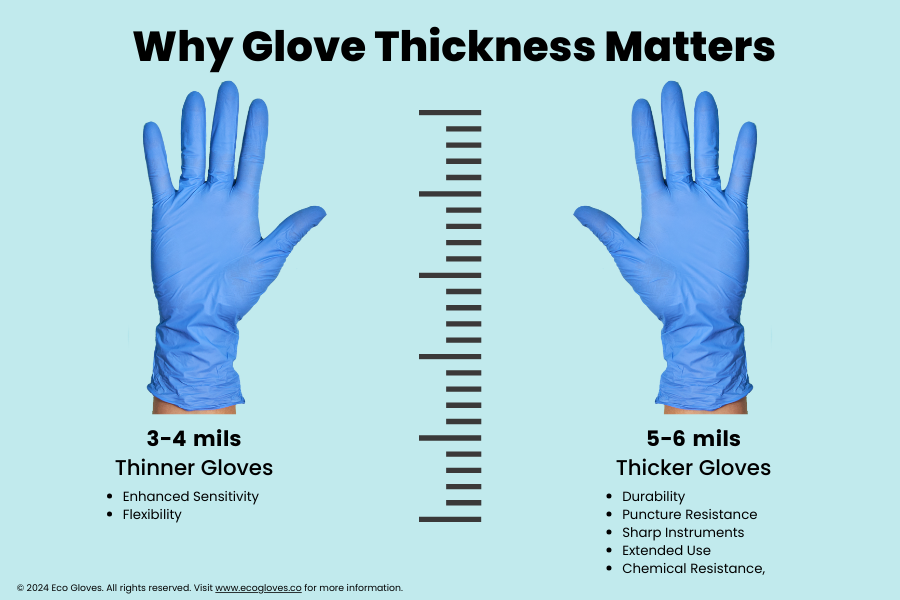
Credit: www.safetyandhealthmagazine.com
Choosing The Right Gloves
Chemical-resistant gloves protect your hands from harmful substances. Picking the right gloves keeps you safe and comfortable.
Consider the type, material, and fit before buying gloves for chemical use.
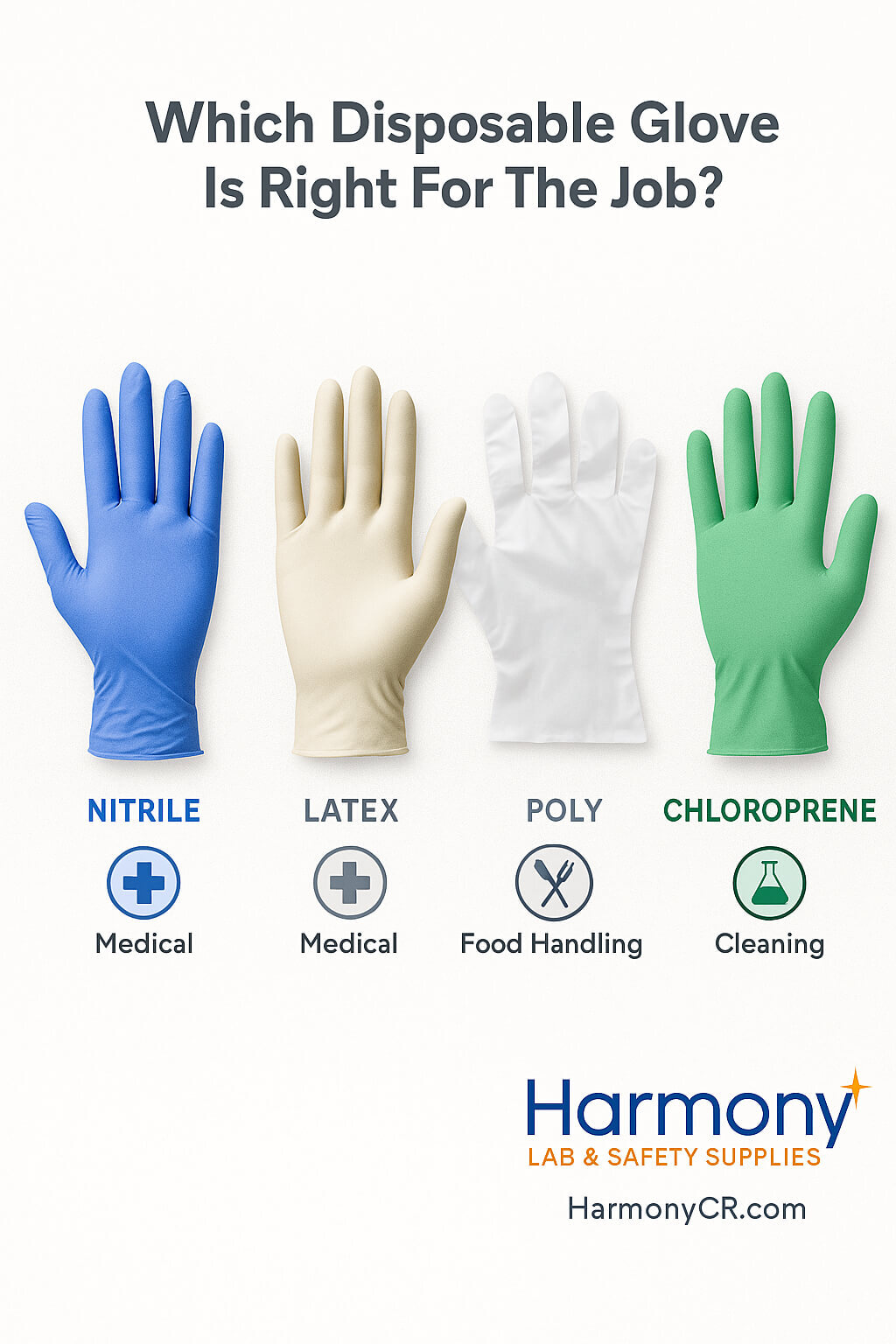
Types Of Chemical-resistant Gloves
Gloves come in different types to match the chemicals you handle. Some are disposable, while others are reusable.
- Nitrile gloves resist oils and many chemicals well.
- Neoprene gloves offer good flexibility and chemical protection.
- Latex gloves fit snugly but may cause allergies.
- Butyl gloves protect against gases and strong acids.
- PVC gloves are good for acids and alcohols but less flexible.
Material Compatibility
Choose gloves made from materials that resist the chemicals you use. This stops damage and keeps you safe.
| Chemical Type | Recommended Glove Material |
| Oils and solvents | Nitrile, Neoprene |
| Acids and alkalis | Butyl, PVC |
| Alcohols | Butyl, PVC |
| Gases and ketones | Butyl |
| General chemicals | Latex, Nitrile |
Sizing And Fit
Gloves must fit well to protect and allow easy movement. Too tight or too loose gloves cause problems.
- Measure your hand width and length before choosing a size.
- Try gloves on if possible to check comfort.
- Look for gloves with flexible materials for better fit.
- Replace gloves if they tear or become loose.

Credit: swish.ca
Proper Glove Usage
Using chemical-resistant gloves the right way keeps your hands safe. These gloves protect you from harmful chemicals and prevent skin damage.
Knowing how to check, wear, and remove gloves helps keep you safe. Follow simple tips to use gloves correctly every time.
Inspecting For Damage
Always check your gloves before use. Look for holes, tears, or cracks that can let chemicals through.
Damaged gloves do not protect well. Replace gloves if you find any damage to avoid skin exposure.
- Look for visible holes or tears
- Check for stiffness or cracks
- Feel inside for rough spots
- Replace gloves after heavy use
Correct Wearing Techniques
Put gloves on clean, dry hands. Wet or dirty hands can reduce glove protection.
Make sure gloves fit snugly but are not too tight. Loose gloves can catch on objects and tear.
- Wash and dry hands before wearing gloves
- Choose the right glove size for your hands
- Pull gloves over wrists for full coverage
- Avoid touching the outside of gloves with bare hands
Avoiding Cross-contamination
Do not use the same gloves for different tasks. Chemicals can spread from one area to another.
Remove gloves carefully to keep your skin safe. Wash hands after glove removal to remove any residue.
- Change gloves between tasks and chemicals
- Do not touch face or phone with gloves on
- Remove gloves by peeling from the wrist down
- Wash hands after taking off gloves
Maintaining Glove Integrity
Chemical-resistant gloves protect your hands from harmful substances. Keeping them in good condition is very important for safety.
Proper care extends the life of gloves and ensures they work well every time you use them.
Cleaning And Storage Tips
After using chemical-resistant gloves, clean them carefully. Use mild soap and water to remove any chemicals. Avoid harsh cleaners that can damage the material.
- Rinse gloves with cool water
- Wash with mild soap
- Dry gloves completely before storing
- Store gloves in a cool, dry place
- Keep gloves away from sunlight and heat
When To Replace Gloves
Gloves do not last forever. Replace them if you see signs of damage. Small tears or holes reduce protection.
| Sign of Damage | Reason to Replace |
| Tears or holes | Chemicals can reach skin |
| Stiff or cracked material | Glove may break during use |
| Discoloration | Material may be weakened |
| Sticky or swollen gloves | Possible chemical breakdown |
Handling Glove Disposal
Dispose of gloves safely to avoid harm. Used gloves may carry chemicals that are dangerous.
Follow these rules for safe disposal:
- Remove gloves carefully to avoid skin contact
- Place gloves in a sealed plastic bag
- Dispose of bags according to local hazardous waste rules
- Wash hands after glove removal
Enhancing Safety Practices
Using chemical-resistant gloves is crucial for safe handling of hazardous materials. These gloves protect your skin from harmful chemicals and reduce injury risks.
To improve safety, combine gloves with other protective gear and follow proper procedures. This guide covers key tips to keep you safe.
Using Gloves With Other Ppe
Gloves work best when used with other personal protective equipment (PPE). This ensures full-body protection against chemical exposure.
- Wear safety goggles to protect your eyes from splashes.
- Use a face shield if there is a risk of strong sprays or splashes.
- Wear chemical-resistant aprons or suits for body protection.
- Use proper footwear that resists chemical spills.
- Check that all PPE fits well and covers exposed skin.
Safe Removal Procedures
Removing gloves safely prevents contamination and protects your skin and clothing. Follow these steps to remove gloves properly.
- Pinch the outside of one glove near the wrist.
- Peel the glove away from your hand, turning it inside out.
- Hold the removed glove in your gloved hand.
- Slide fingers under the wrist of the remaining glove.
- Peel the second glove off inside out, trapping the first glove inside.
- Dispose of gloves safely in a proper container.
- Wash your hands thoroughly after removal.
Emergency Response Measures
In case of glove failure or chemical exposure, quick action reduces harm. Know the key emergency steps to follow.
| Situation | Action |
| Glove tear or puncture | Stop work immediately and replace gloves. |
| Chemical splash on skin | Rinse skin with water for at least 15 minutes. |
| Chemical contact with eyes | Flush eyes with water and seek medical help. |
| Inhalation of fumes | Move to fresh air and get medical attention if needed. |
| Spill containment | Use spill kits and notify safety personnel. |
Credit: harmonycr.com
Frequently Asked Questions
What Are Chemical-resistant Gloves?
Chemical-resistant gloves protect hands from harmful chemicals and substances. They’re made from materials like nitrile, latex, or neoprene. These gloves are crucial for industries like pharmaceuticals, cleaning, and laboratories. They help prevent skin irritation, burns, and other injuries. Always select gloves based on the chemical type and exposure level.
How To Choose The Right Glove Material?
Choosing the right glove material depends on the chemicals you’ll handle. Nitrile gloves are good for oils and acids, while latex is flexible and durable. Neoprene offers resistance to many chemicals. Always consult a chemical compatibility chart to ensure proper protection.
This helps prevent exposure and ensures safety.
How Often Should Gloves Be Replaced?
Replace gloves immediately if they show signs of wear or damage. Regularly inspect gloves for tears, punctures, or degradation. For high-exposure tasks, consider replacing gloves after each use. Frequent replacement ensures maximum protection against chemical exposure. Always follow manufacturer guidelines for specific glove types.
Can Chemical-resistant Gloves Be Reused?
Reusability depends on the glove material and exposure level. Some gloves are designed for single use. Others can be reused if properly cleaned and inspected. Always check manufacturer guidelines. Regularly inspect for signs of wear or damage. Proper maintenance extends glove life and ensures safety.
Conclusion
Using chemical-resistant gloves protects your hands from harmful substances. Always choose gloves that fit well and suit the chemicals you handle. Check gloves for damage before each use. Replace gloves regularly to keep protection strong. Store gloves in a cool, dry place to last longer.
Follow safety rules to avoid accidents. Wearing gloves correctly keeps your hands safe and healthy. Stay careful and protect yourself every time you work with chemicals. Safety first, always.