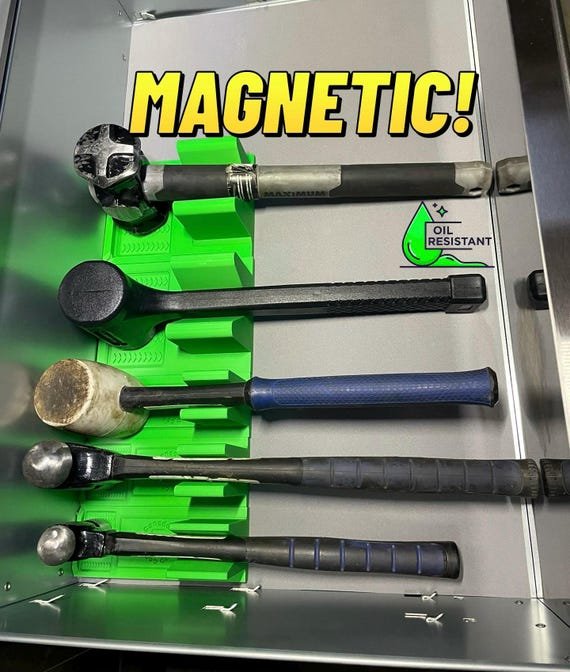
Are you tired of digging through a messy toolbox every time you need a hammer? Imagine finding the right hammer instantly, saving you time and frustration.
Organizing your hammers by size is the simple trick that can transform your workspace. In this guide, you’ll discover easy steps to arrange your hammers so they’re always within reach and ready to use. Keep reading to unlock the secret to a clutter-free, efficient tool collection that works as hard as you do.

Credit: www.familyhandyman.com
Choosing The Right Storage Space
Organizing hammers by size needs a good storage space. Picking the right spot helps keep tools safe and easy to find.
Think about the space you have and how you use your hammers. This makes your work faster and neater.
Assessing Available Areas
Look around your workshop or garage for empty walls, shelves, or cabinets. Check where you can add storage without crowding the space.
- Measure free wall space that can hold racks or pegboards
- Check shelves that can hold bins or boxes for small hammers
- Consider cabinet space for secure storage
- Find spots near your workbench for quick access
Considering Accessibility
Choose a spot where you can grab hammers easily. Avoid places that are hard to reach or cluttered.
| Storage Type | Ease of Access | Best For |
| Pegboard on wall | High | Commonly used hammers |
| Drawer or cabinet | Medium | Less used or small hammers |
| Toolbox | Low | Hammers for outdoor use |
Maximizing Vertical Space
Use walls to store hammers vertically. This saves floor space and keeps tools visible.
- Install hooks or brackets on walls
- Hang hammers by their handles or heads
- Group hammers by size from smallest to largest
- Use labeled slots to find the right hammer fast
Sorting Hammers By Size
Organizing hammers by size helps keep your tools easy to find. It also protects them from damage and clutter. Sorting by size lets you pick the right hammer for each job quickly.
This guide shows how to measure hammers, group them by size, and label them for easy use. Follow these steps to create a neat and useful hammer collection.
Measuring Hammer Dimensions
To sort hammers by size, measure their key parts. The main dimensions to check are handle length, head length, and weight. Use a tape measure or ruler to get accurate numbers.
- Measure the handle from the bottom to where it meets the head.
- Check the head length from the face to the back end.
- Weigh the hammer if you want to consider heaviness in sorting.
Categorizing Small, Medium, And Large
After measuring, place hammers into three groups: small, medium, and large. This grouping helps in storage and choosing tools fast. Use size ranges that fit your collection.
| Category | Handle Length | Head Length |
| Small | Under 10 inches | Under 4 inches |
| Medium | 10 to 14 inches | 4 to 6 inches |
| Large | Over 14 inches | Over 6 inches |
Labeling For Easy Identification
Label each hammer or its storage place with size details. Clear labels save time and keep your workspace tidy. Use tags, stickers, or written labels on shelves or boxes.
- Mark small hammers with “Small” or “S”.
- Use “Medium” or “M” for medium-sized hammers.
- Label large hammers with “Large” or “L”.
- Include handle length or weight if needed for extra detail.
Storage Solutions For Small Hammers
Small hammers can get lost or damaged if not stored properly. Keeping them organized saves time and space.
There are simple ways to store small hammers that keep your workspace neat. Choose the best option for your needs.
Using Drawer Organizers
Drawer organizers keep small hammers in place and easy to find. They stop hammers from rolling or banging together.
You can use foam inserts or plastic trays with sections. Label each section for different hammer sizes.
- Keeps tools separated
- Protects hammer heads and handles
- Uses drawer space efficiently
- Makes it quick to grab the right hammer
Magnetic Strips And Hooks
Magnetic strips hold small hammers on walls or workbenches. Hooks offer a similar way to hang hammers by their handles.
These options keep hammers visible and easy to reach. They also free up drawer or toolbox space.
- Mount strips or hooks at a comfortable height
- Arrange hammers by size or use
- Keep the area clean to maintain magnet strength
Compact Toolboxes
Compact toolboxes are great for storing small hammers and other tools together. They protect tools from dust and damage.
Look for boxes with adjustable compartments. This helps fit different hammer sizes and shapes.
- Portable and easy to carry
- Customizable compartments for organization
- Locks to secure tools
- Stackable for space saving
Arranging Medium And Large Hammers
Keeping medium and large hammers organized helps you find the right tool fast. Proper storage also protects your hammers and your workspace.
Choose a method that fits your space and tool collection. This guide shows three ways to arrange hammers by size.
Wall-mounted Racks
Wall-mounted racks save floor space. You can hang hammers by their handles or heads. Place medium hammers on one side and large ones on another.
Use racks with sturdy hooks or slots. This keeps hammers secure and easy to grab. Label sections for quick sorting.
- Install the rack at a comfortable height
- Keep medium hammers within arm’s reach
- Store large hammers where they won’t block paths
Pegboards With Custom Holders
Pegboards give flexible storage space. Use custom holders like hooks or clamps made for hammer handles. Arrange medium and large hammers by size on the board.
Adjust holders as your hammer collection changes. Group similar sizes together for a neat look. This setup keeps tools visible and easy to organize.
- Choose heavy-duty pegboard for weight support
- Use holders that fit hammer handles snugly
- Place medium hammers on upper rows for easy access
- Store large hammers lower to avoid strain
Freestanding Storage Units
Freestanding units work well if you have floor space. Use shelves or bins to separate medium and large hammers. Sort by size and type on different shelves.
Label shelves or bins to keep tools organized. Choose units with strong materials to hold heavy hammers safely.
- Place medium hammers on middle shelves for easy reach
- Store large hammers on lower shelves for stability
- Use bins to hold smaller hammer types
- Keep the area tidy to avoid accidents
Space-saving Tips And Tricks
Organizing hammers by size helps save space and keeps your tools easy to find. It also protects your work area from clutter and accidents.
Using smart storage methods lets you fit more tools in less space. Here are tips to organize your hammers efficiently.
Stacking Techniques
Stack hammers by size to save shelf space. Place larger hammers at the bottom and smaller ones on top. This keeps the pile stable.
- Use sturdy shelves or racks
- Stack handles facing the same direction
- Keep hammer heads aligned to avoid slipping
- Label the sections by hammer size
Multi-purpose Storage Options
Choose storage that holds hammers and other tools together. This saves space and keeps your workspace tidy.
| Storage Type | Best Use | Space Benefit |
| Wall-mounted pegboard | Hanging hammers by size | Frees floor and shelf space |
| Toolbox with compartments | Separating small and large hammers | Keeps tools organized and portable |
| Drawer inserts | Stacking hammers flat | Utilizes drawer space efficiently |
| Magnetic strips | Quick access to frequently used hammers | Saves counter space |
Regular Maintenance And Decluttering
Keep your hammer collection manageable. Remove broken or unused hammers regularly. This makes space for the tools you use most.
- Check your hammers every few months
- Sort by size and condition
- Donate or recycle old hammers
- Reorganize storage after removing extras
- Clean storage areas to avoid dust build-up

Credit: www.reddit.com
Safety And Maintenance
Organizing hammers by size helps keep your workspace safe and tools well maintained.
Proper care extends the life of your hammers and prevents accidents.
Proper Hammer Handling
Always hold the hammer firmly by the handle to keep control. Avoid swinging wildly or using excessive force. Store hammers with heads down to prevent falls and injuries.
- Wear safety glasses to protect your eyes.
- Check your grip before each use.
- Keep your workspace clear of clutter.
- Use the right hammer size for the job.
Preventing Rust And Damage
Keep your hammers dry and clean to avoid rust. Store them in a dry place away from moisture. Use protective coatings or oil to guard metal parts from corrosion.
| Tip | Action |
| Keep dry | Store hammers in a toolbox or rack indoors |
| Apply oil | Lightly oil metal parts after use |
| Avoid damage | Do not use hammers on hard surfaces like concrete |
Routine Inspection And Cleaning
Inspect your hammers regularly for cracks or loose heads. Clean dirt and debris from handles and heads after each use. Tighten or replace parts if needed to keep tools safe.
- Check hammer head is secure.
- Look for cracks in the handle.
- Wipe off dirt with a dry cloth.
- Replace worn handles or heads promptly.

Credit: www.reddit.com
Frequently Asked Questions
How Do I Sort Hammers By Size Effectively?
Sort hammers by measuring the head or handle length. Group them from smallest to largest. Use labeled bins or shelves for easy access and visibility.
What Tools Help In Organizing Hammers By Size?
Use measuring tape, storage racks, pegboards, or labeled bins. These tools keep hammers sorted and easily reachable. Clear labels improve organization and reduce clutter.
Why Organize Hammers Based On Size?
Organizing by size speeds up tool selection. It prevents damage and clutter. It also maintains a tidy workspace, improving efficiency and safety.
Can Hammer Weight Help In Size Organization?
Yes, weight often correlates with size and purpose. Sorting by weight and size helps identify the right hammer for each task quickly.
Conclusion
Organizing hammers by size makes your work easier and faster. It saves time when you need a specific hammer. Plus, it keeps your tools neat and accessible. Start by sorting hammers from smallest to largest. Use labeled shelves or boxes for clear storage.
This method prevents clutter and confusion. Regularly check your hammers for wear or damage. Replace worn-out tools promptly. A well-organized tool space boosts efficiency. It also reduces stress during tasks. Keep your workspace tidy. Enjoy the benefits of a clutter-free environment.
Happy organizing!