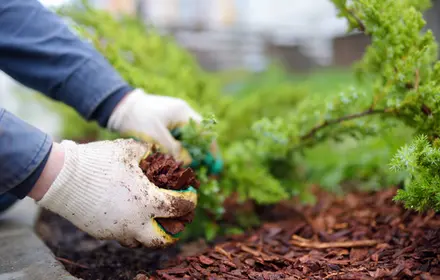
Mulching your vegetable garden can be a game-changer for your plants and your harvest. Imagine having healthier soil, fewer weeds, and vegetables that grow stronger—all with a simple step you might be overlooking.
If you want to save time, protect your plants, and boost your garden’s productivity, these tips for mulching vegetable gardens are exactly what you need. Keep reading, and you’ll discover easy ways to make your garden thrive like never before.
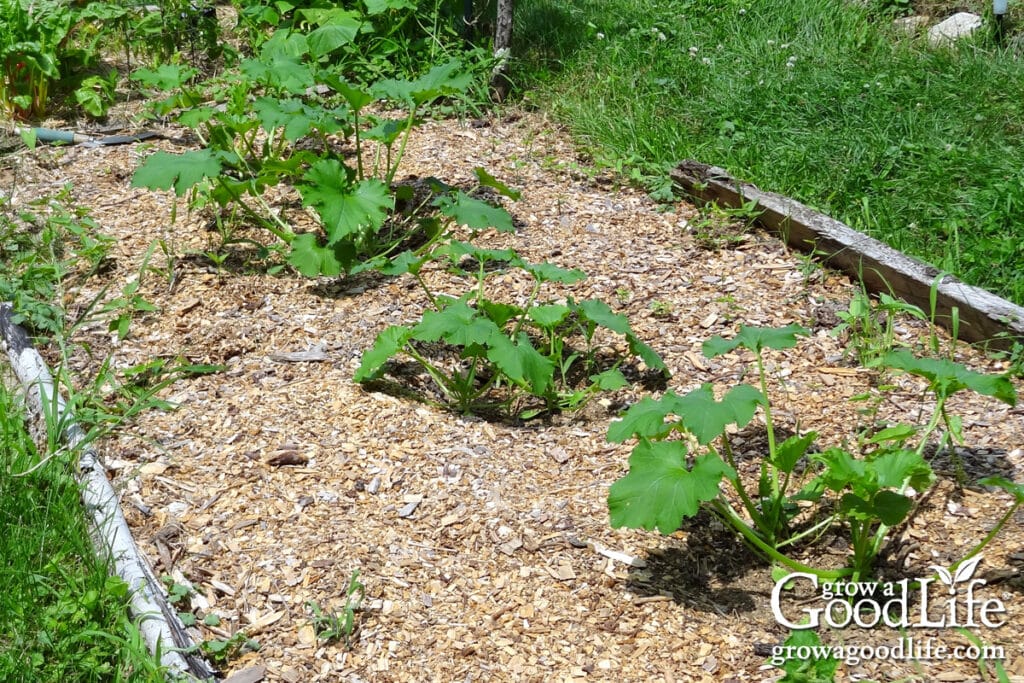
Credit: growagoodlife.com
Benefits Of Mulching
Mulching is a simple way to help vegetable gardens grow better. It covers the soil with a layer of material like straw, leaves, or wood chips.
Mulching helps plants by keeping the soil healthy and protecting it from damage. It also makes gardening easier and more productive.
Moisture Retention
Mulch keeps water in the soil longer by reducing evaporation. This helps plants get enough water during dry days.
When soil holds moisture, plants grow strong roots and stay healthy. Mulching means less watering is needed.
Weed Control
Mulch blocks sunlight from reaching weed seeds. This stops many weeds from growing in the garden.
With fewer weeds, vegetable plants get more nutrients and space to grow well.
Soil Temperature Regulation
Mulch helps keep soil temperature steady. It keeps the soil cooler on hot days and warmer on cold nights.
Stable soil temperature helps vegetable roots grow without stress from temperature changes.
Improved Soil Health
Organic mulches break down over time and add nutrients to the soil. This improves soil structure and fertility.
Good soil health means better plant growth and stronger resistance to pests and diseases.

Credit: www.enjoyoutdoorliving.ca
Choosing The Right Mulch
Mulching helps keep your vegetable garden healthy. It controls weeds, keeps soil moist, and adds nutrients.
Choosing the right mulch depends on what you need for your garden. Different mulches work best in different situations.
Organic Vs. Inorganic Mulch
Organic mulch comes from natural materials like plants. It breaks down and improves soil over time.
Inorganic mulch does not break down. It often lasts longer but does not add nutrients to the soil.
- Organic mulch: leaves, straw, grass clippings, wood chips
- Inorganic mulch: plastic sheets, landscape fabric, gravel
- Organic mulch improves soil health
- Inorganic mulch controls weeds for a long time
Popular Mulching Materials
Many materials work well for mulching vegetable gardens. Each has its own benefits and uses.
- Straw: light, breaks down to add nutrients
- Grass clippings: easy to find, add nitrogen
- Wood chips: last long, good for paths
- Leaves: cheap, improve soil as they decompose
- Plastic mulch: warms soil, blocks weeds
- Landscape fabric: durable, allows water to pass
Factors To Consider
Think about climate, garden needs, and material availability before choosing mulch.
- Climate: wet areas may need mulch that dries fast
- Soil type: some mulches improve poor soil better
- Plant type: some vegetables prefer certain mulches
- Cost and availability: use what is easy and cheap
- Maintenance: some mulches need replacing more often
When To Mulch
Mulching helps keep soil moist and controls weeds in vegetable gardens.
Knowing the right time to mulch supports healthy plant growth.
Timing For Planting Season
Apply mulch after planting seeds or seedlings in your garden.
- Wait until soil warms up in spring before mulching.
- Do not mulch too early to avoid cold soil problems.
- Use mulch to protect roots once plants start growing.
- Renew mulch layers during growing season as needed.
Weather Considerations
Check weather conditions before adding mulch to your garden.
| Weather Condition | Mulching Advice |
| Heavy Rain | Avoid mulching; soil may stay too wet |
| Dry Weather | Mulch to keep moisture in the soil |
| Cold Weather | Wait until frost ends to mulch |
| Hot Weather | Mulch helps cool the soil |
How To Apply Mulch
Mulching helps keep your vegetable garden healthy and moist. It also stops weeds from growing.
Applying mulch the right way helps your plants grow strong. Follow these tips for best results.
Preparing The Garden Bed
Start by cleaning the garden bed. Remove weeds, rocks, and debris. Water the soil lightly before adding mulch.
Proper Mulch Thickness
Use the right thickness for mulch. Too thin will not protect the soil. Too thick can stop water from reaching plants.
- Spread 2 to 3 inches of mulch for best moisture control.
- Keep mulch away from plant stems to avoid rot.
- Check mulch thickness regularly and add more if needed.
Mulching Around Plants
Place mulch carefully around each plant. Leave space near the base to allow air flow and prevent disease.
| Plant Type | Mulch Distance from Stem |
|---|---|
| Tomatoes | 2-3 inches |
| Peppers | 1-2 inches |
| Leafy Greens | 1 inch |
Common Mistakes To Avoid
Mulching helps keep your vegetable garden healthy. It saves water and stops weeds. Still, mistakes can harm your plants.
Learn what to avoid when mulching. This will make your garden grow better and stay strong.
Over-mulching
Putting too much mulch can block air and water from reaching roots. This can cause plants to suffer or die.
- Use no more than 2 to 3 inches of mulch.
- Leave space around plant stems to avoid rot.
- Check mulch thickness often and adjust if needed.
Using The Wrong Material
Not all mulch is good for vegetables. Some materials can bring pests or stop water flow.
| Mulch Type | Good For Vegetable Gardens? | Notes |
| Straw | Yes | Light, lets water through, breaks down fast |
| Grass Clippings | Yes | Use fresh, thin layers to avoid smell |
| Wood Chips | No | Break down slowly, can tie up soil nitrogen |
| Leaves | Yes | Shredded leaves work best |
| Black Plastic | Sometimes | Warms soil but can overheat plants |
Ignoring Plant Needs
Different plants have different needs. Some like mulch, others do not. Ignoring these needs can hurt growth.
- Check if the vegetable prefers mulch or bare soil.
- Use mulch to keep roots cool for heat-sensitive plants.
- Avoid mulch near plants that like dry soil.
Maintaining Mulch
Mulch helps keep your vegetable garden healthy by keeping soil moist and cool. It also stops weeds from growing. To get the best results, you need to care for the mulch regularly.
Maintaining mulch means adding more when needed, watching how it breaks down, and checking for pests or diseases. These actions keep your garden safe and growing well.
Replenishing Mulch
Mulch breaks down over time and thins out. Add fresh mulch to keep a thick layer of about 2 to 3 inches. This helps keep the soil protected and moist.
- Check mulch depth every few weeks.
- Add new mulch around plants carefully.
- Use the same type of mulch to keep soil balanced.
- Avoid piling mulch against plant stems.
Managing Mulch Breakdown
Mulch slowly turns into soil nutrients as it breaks down. This is good but can leave thin spots. Watch for this and mix mulch gently to spread materials evenly.
| Sign of Breakdown | Action to Take |
| Thin mulch layer | Add fresh mulch |
| Mulch smells bad | Turn mulch or replace it |
| Mulch clumps up | Break clumps gently |
| Weeds growing through | Remove weeds and add mulch |
Pest And Disease Monitoring
Mulch can hide pests or diseases. Check mulch often to catch problems early. Look for signs like holes, chewed leaves, or moldy spots on plants.
- Lift mulch to inspect soil and plant stems.
- Remove any moldy or smelly mulch.
- Use natural pest controls if you find insects.
- Keep mulch dry to reduce fungus growth.

Credit: www.ediblegardens52.com
Frequently Asked Questions
What Are The Best Mulch Materials For Vegetable Gardens?
The best mulch materials include straw, shredded leaves, grass clippings, and compost. These retain moisture, suppress weeds, and improve soil health.
How Does Mulching Benefit Vegetable Garden Growth?
Mulching conserves soil moisture, regulates temperature, and reduces weed growth. It also prevents soil erosion and adds nutrients as it decomposes.
When Is The Ideal Time To Mulch Vegetable Gardens?
Mulch your vegetable garden after planting and once soil has warmed. This helps retain moisture and protects roots during temperature changes.
How Thick Should Mulch Be In Vegetable Gardens?
Apply mulch 2 to 4 inches thick. This thickness effectively suppresses weeds and retains moisture without harming plant roots.
Conclusion
Mulching vegetable gardens boosts plant health and soil quality. It keeps moisture in the ground, reducing water needs. Mulch also stops weeds from taking over your garden. Organic mulches add nutrients as they break down. Choose the right mulch for your plants and climate.
Apply it properly to ensure the best results. Regularly check and refresh mulch layers. This simple practice can make gardening easier. Start mulching today and watch your garden thrive. Your vegetables will grow stronger and healthier with this method. Enjoy fresh produce from your well-mulched garden.
Happy gardening!