
If you work in a noisy environment, protecting your hearing is not just smart—it’s essential. Using ear muffs correctly can save your ears from damage and keep you comfortable throughout the day.
But are you sure you’re getting the most out of your ear muffs? Small mistakes can reduce their effectiveness and put your hearing at risk. You’ll discover simple, practical tips that make wearing ear muffs easier and more effective. Keep reading to learn how to protect your hearing the right way—your ears will thank you.

Credit: www.popularmechanics.com
Choosing The Right Ear Muffs
Ear muffs protect your ears from loud noises at work. Choosing the right ones helps keep your hearing safe. This guide covers what to look for in ear muffs.
Focus on the type, noise reduction, comfort, and fit. These factors make a big difference in protection and wearability.
Types Of Ear Muffs
There are several types of ear muffs. Each type suits different work environments and noise levels.
- Standard Ear Muffs:Basic models that cover the ears fully to block noise.
- Electronic Ear Muffs:Amplify low sounds but reduce loud noises. Good for communication.
- Disposable Ear Muffs:Lightweight and meant for short-term use.
- Heavy-Duty Ear Muffs:Designed for very loud environments, offering higher protection.
Noise Reduction Ratings
Noise Reduction Rating (NRR) shows how much sound ear muffs can block. The higher the number, the better the protection.
| NRR Level | Noise Reduction | Best Use |
| 15-20 dB | Low | Light noise, short exposure |
| 21-27 dB | Medium | Moderate noise, regular use |
| 28-33 dB | High | Very loud noise, long exposure |
Comfort And Fit
Comfort is key for wearing ear muffs all day. Poor fit lowers protection and causes discomfort.
- Look for padded headbands and ear cushions.
- Adjustable parts help fit different head sizes.
- Lightweight designs reduce pressure on the head.
- Try on before buying to check comfort.
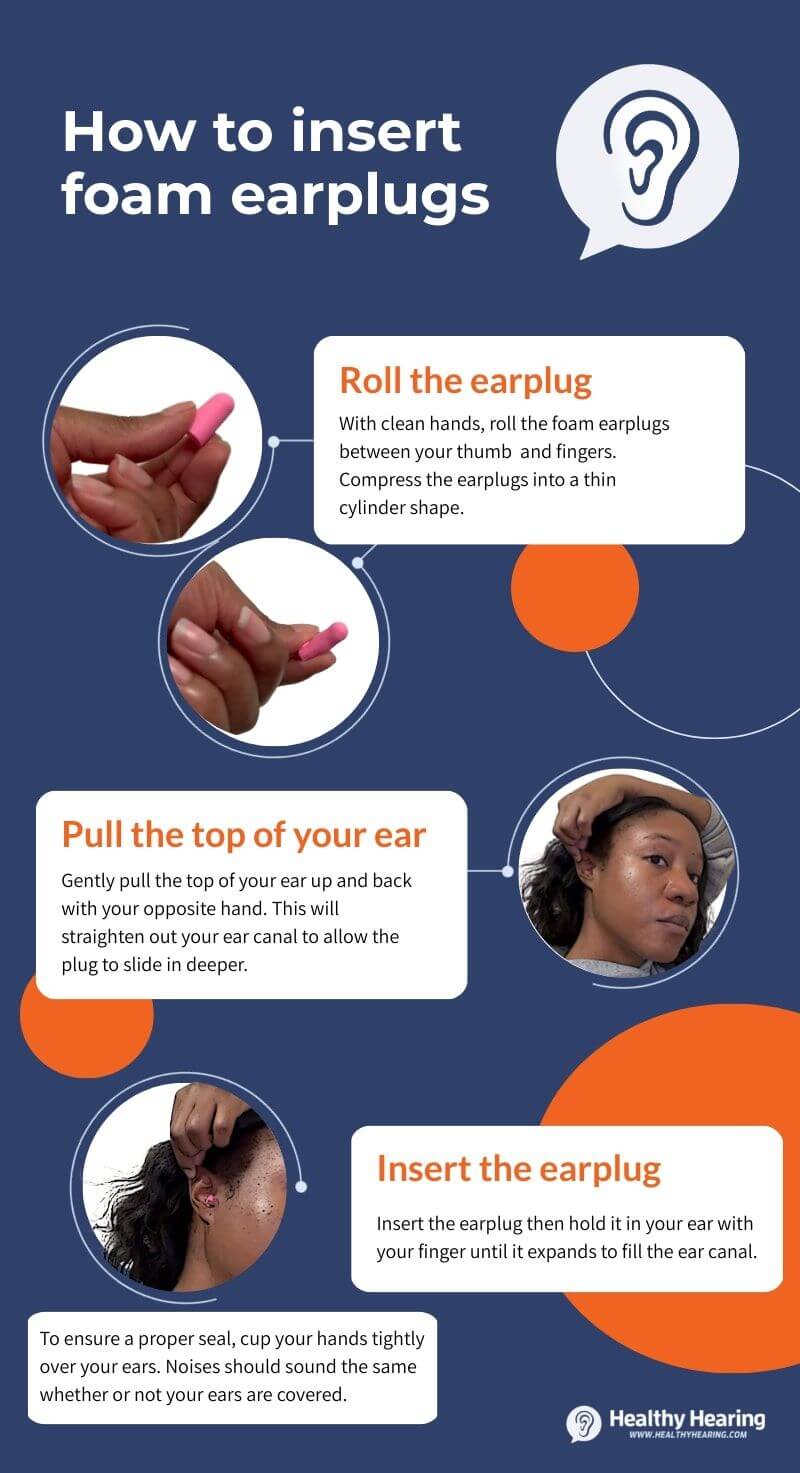
Credit: www.healthyhearing.com
Proper Wearing Techniques
Using ear muffs during noisy work keeps your ears safe. Wearing them right is important. Poor use can reduce their protection.
This guide helps you wear ear muffs properly. Follow these tips for safety and comfort.
Positioning For Maximum Protection
Place the ear cups fully over your ears. Make sure they cover your entire ear to block noise well.
Check that the headband rests on top of your head. It should hold the ear cups tight but not too hard.
- Center ear cups over ears
- Keep hair out from under the cups
- Wear ear muffs flat, not tilted
- Adjust headband for even pressure
Adjusting For Comfort
Adjust the headband to fit your head size. A good fit feels snug but not painful.
Soft padding on ear cups helps reduce pressure. Replace worn padding to keep comfort high.
- Slide headband to fit your head
- Check ear cup padding for damage
- Take breaks if ears feel sore
- Keep ear muffs clean for comfort
Checking The Seal
Make sure the ear cups seal tightly around your ears. Gaps let noise in and reduce protection.
Check for hair or glasses that break the seal. Adjust or remove items that cause gaps.
- Press ear cups gently to check seal
- Remove glasses if they cause gaps
- Keep hair away from ear cushions
- Replace cushions if they are cracked
Maintenance And Cleaning
Ear muffs protect your ears from loud noise. Keeping them clean and in good shape helps them work well. Proper care also makes them last longer.
Follow simple steps to inspect, clean, and replace parts of your ear muffs. This guide covers all you need to know.
Regular Inspection
Check your ear muffs before and after use. Look for cracks, tears, or loose parts. Make sure the cushions are soft and fit well.
- Inspect the headband for cracks or bends
- Check ear cushions for damage or hardening
- Test the seal around the ear cups
- Ensure the adjustment mechanism works smoothly
Cleaning Methods
Clean ear muffs regularly to remove dirt and sweat. Use gentle materials and avoid harsh chemicals that can damage them.
| Part | Cleaning Method | Frequency |
| Ear Cushions | Wipe with a damp cloth and mild soap | After each use |
| Headband | Use a soft cloth with mild detergent | Weekly |
| Plastic Parts | Clean with water and dry thoroughly | Monthly |
Replacing Worn Parts
Replace parts that show wear to keep protection effective. Use only parts made for your ear muff model.
- Remove old cushions if cracked or hardened
- Replace headband if bent or broken
- Check and replace seals if damaged
- Follow manufacturer instructions for fitting new parts
Enhancing Safety With Ear Muffs
Ear muffs protect your ears from loud noises at work. They help reduce the risk of hearing loss. Using ear muffs correctly keeps you safe in noisy places.
It is important to wear ear muffs that fit well. They should cover your ears completely and feel comfortable. Good ear protection supports your health during noisy tasks.
Combining With Other Ppe
Ear muffs work best with other personal protective equipment (PPE). Wearing safety glasses, helmets, and masks along with ear muffs gives full protection.
Make sure all your PPE fits together well. Check that ear muffs do not block your vision or get in the way of helmets. Proper combination keeps you safe and comfortable.
- Wear ear muffs over safety helmets designed for them
- Choose slim ear muffs to fit with safety glasses
- Adjust straps to avoid pressure points with other PPE
- Inspect all gear before starting work
Using In Different Work Environments
Different jobs need different ear muffs. Some workplaces have very loud machines. Others have sudden loud noises or constant background noise.
Choose ear muffs with the right noise reduction rating (NRR) for your environment. Use waterproof ear muffs if you work outside in wet weather. Clean ear muffs often to keep them effective.
- High NRR for construction and factories
- Lightweight ear muffs for long shifts
- Water-resistant models for outdoor work
- Replace ear cushions regularly
Avoiding Common Mistakes
Many workers make simple mistakes with ear muffs. These errors reduce protection and increase risk. Avoid these mistakes to keep your ears safe.
Always place ear muffs fully over your ears. Do not wear hair or hats between your ears and the muff. Do not remove ear muffs in noisy areas even for a short time.
- Check ear muff fit before starting work
- Replace damaged or worn parts immediately
- Do not share ear muffs without cleaning
- Store ear muffs in a clean, dry place
Adapting To Long-term Use
Wearing ear muffs during noisy work helps protect your hearing. Using them for a long time can take some getting used to. It is important to adapt well to keep comfort and safety.
Understanding how to handle discomfort and take breaks can improve your experience. Regularly checking your hearing health also helps prevent problems.
Managing Discomfort
Ear muffs can feel tight or warm after wearing them for hours. You may notice pressure on your head or around your ears. This discomfort can cause you to remove the ear muffs too often.
Choose ear muffs with soft padding and adjustable bands. Make sure they fit well but not too tight. Clean the padding regularly to keep skin healthy.
- Adjust the headband for a better fit
- Use ear muffs with soft cushions
- Keep the ear muffs clean and dry
- Wear a thin cloth cap under them if needed
Taking Breaks Safely
It is important to take breaks from noisy areas when possible. Remove ear muffs in safe, quiet places to let your ears rest. This helps reduce pressure and heat build-up.
Use breaks to check your ear muffs for damage. Replace any worn parts to keep protection effective. Do not remove ear muffs in noisy areas to protect your hearing.
- Find quiet spots for breaks
- Remove ear muffs only in safe areas
- Inspect ear muffs during breaks
- Replace damaged cushions or parts
Monitoring Hearing Health
Protecting your ears includes checking your hearing regularly. Early signs of hearing damage can be missed if you don’t test your ears. Use hearing tests to stay aware of your ear health.
Report any ringing, pain, or hearing loss to a health professional. Keep records of your hearing tests to track changes over time. Good hearing health supports safe work and a better life.
- Take regular hearing tests
- Notice any ringing or hearing changes
- See a doctor if you have concerns
- Keep records of all hearing exams

Credit: www.youtube.com
Frequently Asked Questions
How Do Ear Muffs Protect Against Noisy Work Environments?
Ear muffs reduce noise levels by covering the ears with sound-absorbing materials. They block harmful decibels, preventing hearing damage during loud tasks. Properly fitted ear muffs create a seal, ensuring maximum noise reduction and protecting your ears effectively.
When Should I Replace My Ear Muffs During Noisy Work?
Replace ear muffs if cushions crack, foam deteriorates, or noise reduction drops. Regular inspections help spot wear and tear. Damaged ear muffs don’t protect well and increase hearing loss risk. Follow manufacturer guidelines for replacement timing.
Can I Wear Ear Muffs With Other Protective Gear?
Yes, ear muffs can be worn with safety glasses, helmets, and masks. Choose models designed for compatibility to ensure comfort. Proper fit maintains noise protection without compromising other safety gear effectiveness.
How To Ensure Ear Muffs Fit Properly?
Adjust headbands to fit snugly without pressure. Ear cushions should fully cover ears and form a tight seal. Proper fit maximizes noise reduction and comfort during long work hours. Test fit before starting noisy tasks.
Conclusion
Ear muffs offer great protection during noisy work. They shield your ears from harmful sounds. Choosing the right fit ensures comfort and safety. Remember to check for wear and tear regularly. Replace them if they seem damaged. Proper maintenance extends their life.
Clean them after each use. Store them in a safe place to avoid damage. Prioritizing your hearing health is crucial. Using ear muffs wisely reduces noise-related risks. Stay safe and protect your ears. Your hearing is important. Make smart choices with ear protection.