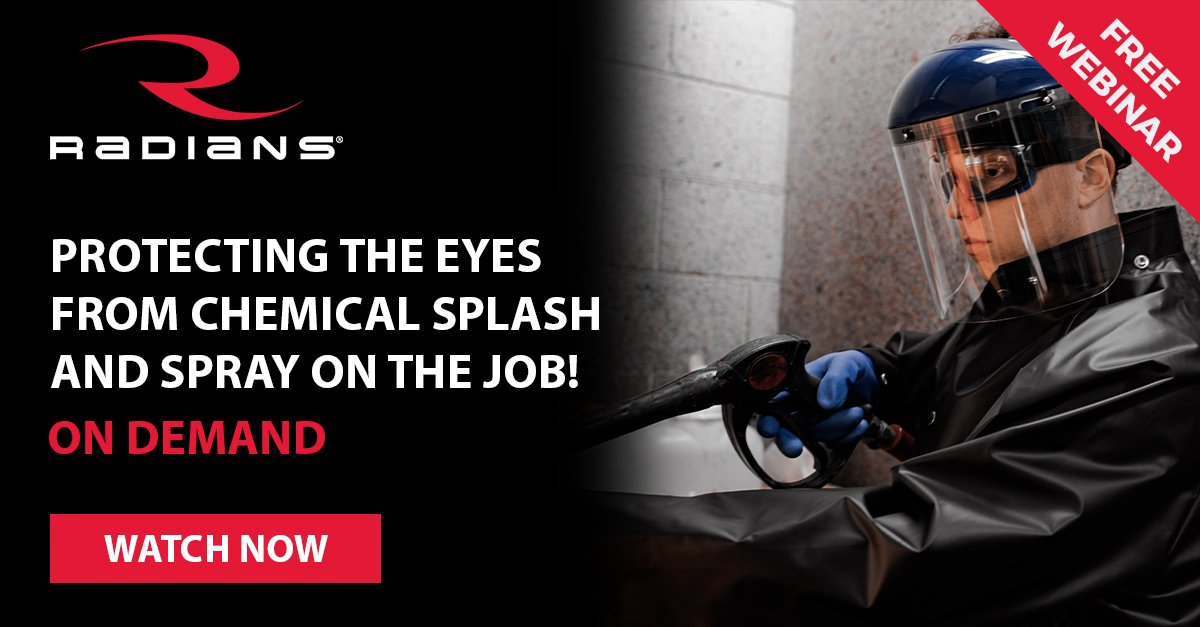
When working with chemicals, protecting your face is not just important—it’s essential. A face shield can be your best defense against harmful splashes that could cause serious injury.
But do you know the right way to use one? Using a face shield incorrectly might leave you exposed, even if you think you’re safe. You’ll discover simple, practical steps to wear and care for your face shield properly. By the end, you’ll feel confident that you’re doing everything you can to keep yourself safe from chemical splashes.
Keep reading to protect your face and your future.
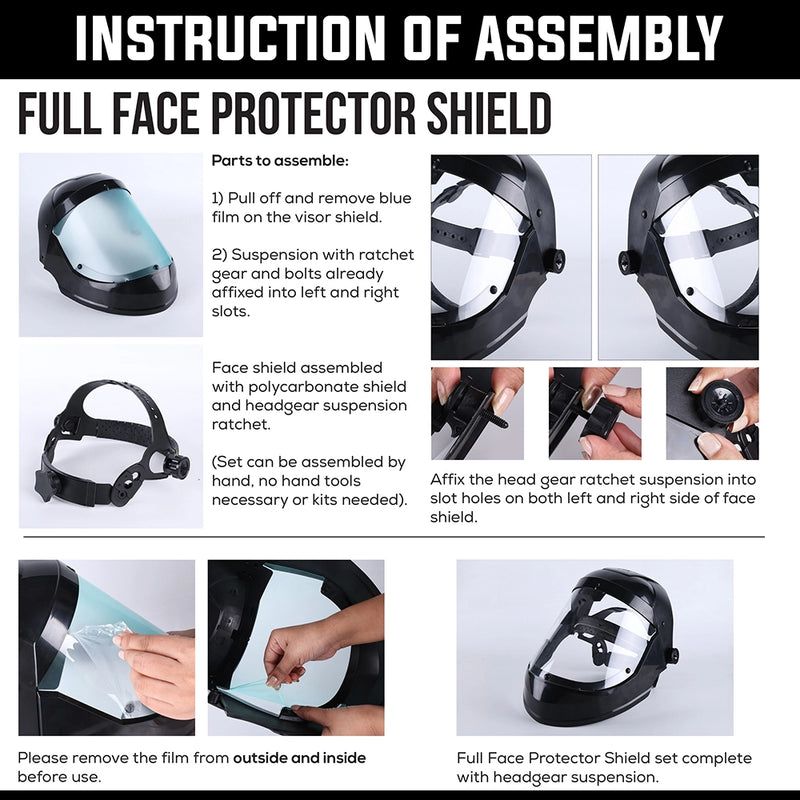
Credit: bisonlifeusa.com
Choosing The Right Face Shield
Face shields protect your face from chemical splashes at work. Picking the right one keeps you safe and comfortable.
Different face shields offer various features. You must choose one that fits your needs well.
Materials And Impact Resistance
Face shields come in many materials like polycarbonate or acetate. Polycarbonate is strong and resists impacts well.
Impact resistance helps protect your face from flying debris or drops. Look for shields rated for impact safety.
- Polycarbonate shields are tough and clear
- Acetate shields resist chemicals well but may scratch
- Look for ANSI or EN safety ratings for impact resistance
Chemical Compatibility
Your face shield must resist the chemicals you use. Some plastics break down with strong acids or solvents.
Check the chemical resistance of the shield material. Use shields that can handle your specific chemicals safely.
- Acetate shields resist acids and alkalis well
- Polycarbonate may not resist some solvents
- Always check chemical compatibility charts before use
Comfort And Fit
A comfortable face shield helps you wear it longer without problems. Look for adjustable headbands and good ventilation.
The shield should fit your head well and not slip. Padding can add comfort, and light shields reduce fatigue.
- Adjustable straps fit different head sizes
- Padded headbands reduce pressure points
- Ventilation prevents fogging and heat buildup
Preparing For Use
Using a face shield protects your face from chemical splashes. Getting ready before use keeps you safe.
Follow simple steps to prepare your face shield for the best protection.
Inspecting The Face Shield
Check the face shield for cracks or scratches before each use. Damaged shields may not protect well.
Look at the headband and straps. Make sure they are strong and fit well.
- Examine the visor for clear visibility
- Ensure no loose or broken parts
- Test the fit on your head
Proper Cleaning And Maintenance
Clean your face shield after every use to remove chemicals and dirt. Use mild soap and water.
Dry the shield with a soft cloth to avoid scratches. Store it in a clean, dry place away from sunlight.
- Use soft cloths or sponges only
- Do not use harsh chemicals to clean
- Check for damage during cleaning
- Replace shields that show wear
Combining With Other Ppe
Wear a face shield with other protective gear. Use goggles, gloves, and aprons for full safety.
Make sure the face shield fits well over other equipment. Adjust straps to avoid gaps.
- Wear safety goggles under the shield
- Use chemical-resistant gloves
- Wear long sleeves or aprons
- Check all PPE fits together properly
Correct Wearing Techniques
Using a face shield correctly protects your face from chemical splashes. It helps keep your eyes, nose, and mouth safe.
Wearing the shield the right way ensures full protection and comfort during work.
Adjusting For Full Coverage
Make sure the face shield covers your whole face. It should extend below your chin and wrap around the sides.
Adjust the headband so the shield sits close to your forehead without gaps.
- Check that the shield covers your eyes and mouth fully.
- Move the shield up or down for a secure fit.
- Ensure no part of your face is exposed.
Securing The Shield
Use the strap or band to hold the shield firmly in place. It should not slip or move easily.
Tighten the strap enough to keep the shield stable but not too tight to cause discomfort.
- Fasten the strap around your head securely.
- Check the shield stays in place when you move your head.
- Adjust the strap for long-term comfort.
Avoiding Common Fit Issues
Watch for gaps between your face and the shield. Gaps reduce protection from splashes.
Do not wear the shield too high or loose. This can let chemicals reach your skin.
- Keep hair tied back to avoid pushing the shield away.
- Remove glasses or adjust them if they block the shield.
- Replace shields that are cracked or damaged.
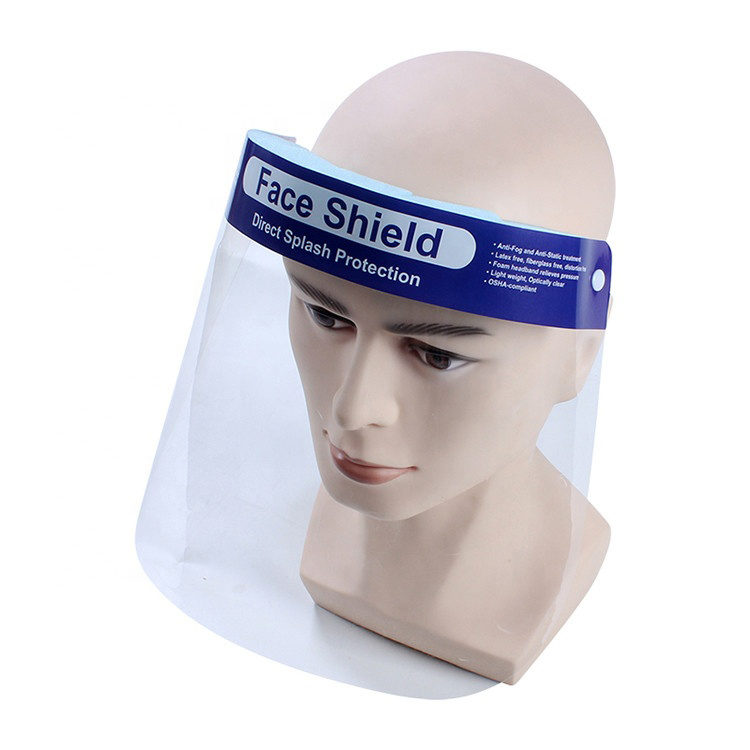
Credit: physiostore.ca
Safe Handling Practices
Using a face shield protects your face from chemical splashes. It is important to handle the shield carefully. Proper use helps keep you safe during work.
Follow these guidelines to avoid contamination, clean the shield after exposure, and store it properly. These steps extend the life of your face shield and maintain safety.
Avoiding Contamination
Always avoid touching the inside of the face shield. Chemicals or dirt on your hands can contaminate the shield. Use clean gloves when handling it.
- Do not share face shields between workers without cleaning.
- Keep the shield away from chemicals when not in use.
- Inspect the shield for cracks or damage before wearing.
- Replace the shield if it becomes scratched or clouded.
Cleaning After Exposure
Clean your face shield immediately after chemical exposure. Use mild soap and water or a recommended cleaner. Avoid harsh chemicals that can damage the shield.
| Cleaning Step | Description |
| Rinse | Rinse shield with clean water to remove chemicals |
| Wash | Use mild soap and a soft cloth to clean surface |
| Rinse Again | Rinse off soap completely with water |
| Dry | Pat dry with a clean, soft towel or air dry |
| Inspect | Check for damage or cloudiness before reuse |
Storage Guidelines
Store the face shield in a clean, dry place to keep it safe. Avoid leaving it in direct sunlight or near heat sources. Use a protective cover or container if possible.
- Keep shield away from sharp objects
- Store flat or hanging to prevent bending
- Label storage area to avoid mix-ups
Recognizing Limitations
Face shields help protect your face from chemical splashes. They cover your eyes, nose, and mouth. But face shields have limits. They do not replace other safety gear.
It is important to know when a face shield alone is not enough. You also need to check for damage and replace shields on time. This keeps you safe during work.
When A Face Shield Alone Is Not Enough
A face shield cannot protect you from all chemical hazards. It blocks splashes but does not seal your face. Chemicals can reach your skin or eyes from the sides or below.
Use a face shield with safety goggles or glasses. Wear gloves and protective clothing too. This gives full protection from harmful chemicals.
- Face shields do not stop gases or fumes
- They do not protect from fine sprays or mist
- Use goggles to protect eyes from small particles
- Wear a respirator if chemicals release harmful vapors
Signs Of Damage Or Wear
Check your face shield before each use. Look for cracks, scratches, or cloudiness on the visor. Damaged shields reduce visibility and protection.
Also, inspect the headgear. Make sure straps and fasteners are secure. Loose parts can cause the shield to slip or fall off.
- Cracks and deep scratches on the visor
- Cloudy or foggy surface that blocks view
- Broken or worn headband and straps
- Loose or missing adjustment parts
Replacing Your Face Shield
Replace your face shield if you see any damage. Do not use shields with cracks or heavy scratches. They can break easily and fail to protect.
Follow the manufacturer’s instructions for replacement. Use only shields that fit well and meet safety standards. Keep spare shields at your work area for quick replacement.
- Replace visor if visibility is poor
- Change shield after any chemical splash incident
- Store shields in a clean, dry place
- Do not share shields between workers without cleaning
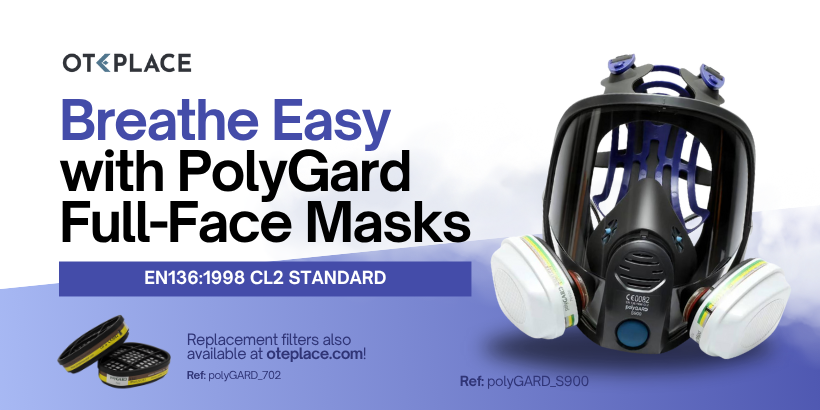
Credit: www.oteplace.com
Frequently Asked Questions
What Is The Purpose Of A Face Shield For Chemical Splashes?
A face shield protects your face from hazardous chemical splashes. It acts as a barrier, reducing the risk of injury to eyes and skin during chemical handling.
How Do I Properly Wear A Face Shield For Chemicals?
Place the shield firmly on your forehead, securing the strap around your head. Ensure it covers your entire face, including eyes, nose, and mouth, for full protection.
Can I Use A Face Shield Alone For Chemical Safety?
No, a face shield should be used with other PPE like goggles and gloves. It provides extra face protection but doesn’t replace other safety gear.
How Do I Clean And Maintain A Chemical Face Shield?
Clean the shield with mild soap and water after each use. Avoid abrasive cleaners and store it in a dry place to maintain clarity and durability.
Conclusion
Wearing a face shield protects against chemical splashes. It is simple and effective. Always check the shield for cracks or damage. Adjust it to fit snugly. Clean after each use to maintain clarity. Remember, safety gear is crucial in hazardous environments.
A small step for big protection. Prioritize your safety with the right equipment. Practice and care make it a routine. With these tips, you can confidently handle chemicals. Stay safe and aware. Protect yourself every time.