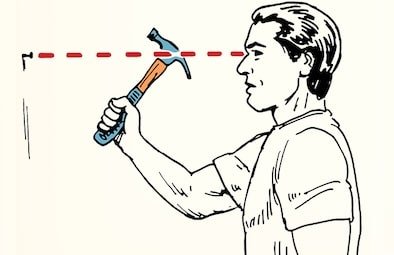
Using a mallet might seem simple, but without the right safety habits, it can quickly lead to accidents. You want to get your work done efficiently, without risking injury or damage.
That’s why learning the best tips for using a mallet safely is so important. You’ll discover easy-to-follow advice that keeps your hands protected and your projects on track. Keep reading, and you’ll gain the confidence to handle a mallet like a pro—safely and smartly.
Choosing The Right Mallet
Using a mallet safely starts with picking the right one. The right mallet helps you work better and avoid injuries.
Different tasks need different mallets. Knowing the types, materials, and sizes helps you choose well.
Types Of Mallets
There are many mallet types for different jobs. Each type fits certain tasks better.
- Wooden mallets for woodworking and gentle tapping
- Rubber mallets for softer impacts without damage
- Dead blow mallets to reduce rebound and increase control
- Rawhide mallets for metal shaping without marking surfaces
Material Considerations
The mallet’s material affects how it works and how safe it is. Some materials soften the blow.
- Wood absorbs shock and is light to use
- Rubber prevents surface damage and reduces noise
- Plastic mallets are durable and good for precise work
- Rawhide is soft and protects delicate surfaces
Size And Weight Selection
Pick a mallet size and weight that fits your strength and task. Too heavy or too light can cause accidents.
- Small mallets are easy to control but less powerful
- Large mallets deliver stronger hits but need more strength
- Choose weight that does not tire your arm quickly
- Handle length should fit your hand comfortably
Credit: www.youtube.com
Preparing Your Workspace
Using a mallet safely starts with a good workspace. A clean and well-lit area helps you work better.
Preparing your workspace reduces risks and keeps your tools ready. Focus on three key areas.
Clearing The Area
Remove all items that are not needed. A clear space stops accidents from happening.
Keep the floor free of debris and cords. This prevents trips and falls while using the mallet.
- Clear off your workbench
- Move tools not in use away
- Clean the floor around you
- Keep the workspace organized
Proper Lighting
Good lighting helps you see clearly and avoid mistakes. It makes your work safer and more precise.
Use bright, even light without shadows. Position lights to focus on your work area.
- Use overhead lights or lamps
- Avoid glare or harsh shadows
- Check lighting before starting work
- Consider natural light if possible
Securing Your Workpiece
Hold your workpiece firmly in place. This keeps it from moving and causing injury.
Use clamps or a vise to secure items. Make sure the workpiece is stable before striking.
- Choose the right clamp size
- Check stability before use
- Avoid holding by hand when possible
- Reposition clamps if the piece shifts
Personal Protective Gear
Using a mallet safely requires the right protective gear. Wearing gear protects you from injuries. It also helps you work with more confidence and control.
Focus on protecting your eyes, hands, wrists, and feet. Each part needs special care to avoid accidents. Below are tips to keep you safe while using a mallet.
Eye Protection
Always wear safety glasses or goggles when using a mallet. Flying debris can cause serious eye injuries. Choose gear that fits well and offers clear vision.
Hand And Wrist Safety
- Wear gloves that fit snugly to protect against blisters.
- Choose gloves with padding for extra cushioning.
- Keep your wrist straight to reduce strain and avoid injury.
- Take breaks to stretch your hands and wrists.
Footwear Recommendations
| Footwear Type | Reason |
| Steel-toed boots | Protect toes from heavy impacts |
| Non-slip soles | Prevent slipping on smooth surfaces |
| Closed-toe shoes | Keep feet safe from falling objects |
Correct Grip And Stance
Using a mallet safely starts with the right grip and stance. This helps you control the tool and avoid injuries.
Good posture and balance make your work easier and protect your body from strain.
Holding The Mallet
Hold the mallet firmly but not too tight. Use your dominant hand near the handle’s end for power.
Your other hand should support the mallet near the head to guide your strikes.
- Wrap your fingers around the handle comfortably.
- Keep your thumb along the handle for stability.
- Avoid gripping too hard to reduce hand fatigue.
Body Positioning
Stand with your feet shoulder-width apart. This stance gives you strength and control.
Bend your knees slightly and keep your back straight. This reduces the risk of injury.
| Body Part | Position |
| Feet | Shoulder-width apart, flat on ground |
| Knees | Slightly bent for shock absorption |
| Back | Straight to avoid strain |
| Shoulders | Relaxed and not raised |
Maintaining Balance
Keep your weight evenly distributed on both feet. This helps you stay steady while using the mallet.
Follow these tips to maintain balance:
- Shift your weight slightly forward when striking.
- Keep your head up and eyes on your target.
- Use your core muscles to support your movements.
Safe Striking Techniques
Using a mallet safely is important to avoid injuries. Good striking techniques help you work well and protect your hands and body.
Learn how to control your force, avoid reaching too far, and hit your target accurately. These tips keep your work safe and effective.
Controlled Force
Use only the force needed to do the job. Too much force can break the tool or cause accidents.
Start with light taps and increase force slowly if needed. This control helps prevent damage and keeps you safe.
Avoiding Overreach
Keep your body close to the work area. Do not stretch your arms too far to strike with the mallet.
Overreaching can cause you to lose balance or miss the target. Stand firmly with feet apart for better support.
- Stand close to the work
- Keep feet shoulder-width apart
- Move your body, not just your arms
Target Accuracy
Focus on hitting the exact spot. Good aim reduces the chance of slipping or hitting your hand.
Look carefully at the target before each strike. Use steady and clear movements to improve accuracy.

Credit: www.amazon.in
Inspecting And Maintaining Your Mallet
Keeping your mallet in good shape is important for safety and performance. Regular checks help you spot problems early.
Proper care extends the life of your mallet and prevents accidents during use.
Checking For Damage
Look closely at the mallet before each use. Check the head and handle for cracks or loose parts. A damaged mallet can break while you work.
- Inspect the mallet head for dents, cracks, or chips.
- Examine the handle for splits or looseness.
- Make sure the head is firmly attached to the handle.
- Replace the mallet if you find any serious damage.
Cleaning Tips
Cleaning your mallet removes dirt and oils that wear it down. Use mild soap and water to clean the head and handle. Avoid soaking the wood handle to prevent swelling.
Follow these cleaning steps for best results:
- Wipe the mallet with a damp cloth and mild soap.
- Rinse the cloth and wipe off soap residue.
- Dry the mallet completely with a clean towel.
- Apply wood oil to the handle if it looks dry.
Storage Best Practices
Store your mallet in a dry, cool place to avoid damage. Proper storage keeps the wood from warping and the head from loosening.
| Storage Tip | Reason |
| Hang the mallet on a wall hook | Keeps it off the ground and dry |
| Store in a toolbox or drawer | Protects from dust and damage |
| Avoid extreme temperatures | Prevents wood from cracking or warping |
Common Mistakes To Avoid
Using a mallet safely is important to avoid injuries. Many people make simple mistakes that can cause harm.
Knowing what to avoid helps you work better and stay safe. Here are common mistakes to watch out for.
Using Incorrect Tools
Using the wrong mallet can damage your project or hurt you. Not all mallets are made for every job.
For example, a wooden mallet works well for woodworking. A rubber mallet is better for delicate surfaces.
- Do not use a metal hammer as a mallet
- Choose the right mallet head for your task
- Check the handle for cracks before use
Ignoring Safety Gear
Not wearing safety gear can lead to serious injuries. Always protect your eyes and hands when using a mallet.
Safety glasses stop flying debris from hurting your eyes. Gloves protect your hands from splinters and impact.
- Wear safety glasses every time you strike
- Use gloves that fit well and protect your hands
- Consider ear protection if noise is loud
Poor Workspace Setup
A messy or unstable workspace can cause accidents. Make sure your work area is clean and well-lit.
Secure your workpiece to prevent slipping. This helps you control the mallet better and avoid misses.
- Clear the area of clutter and tools
- Use clamps to hold your work steady
- Keep your feet firmly on the ground

Credit: www.doctronic.ai
Frequently Asked Questions
How Do I Hold A Mallet Properly For Safety?
Hold the mallet firmly near the end of the handle. Keep your wrist straight and use controlled swings. Avoid gripping too tightly to reduce fatigue and increase precision.
What Protective Gear Is Essential When Using A Mallet?
Always wear safety goggles to protect your eyes from flying debris. Gloves can improve grip and prevent blisters. Use ear protection if working in noisy environments.
How Can I Avoid Damaging Materials With A Mallet?
Use the correct mallet type for your material. Strike gently and increase force gradually. Always check the surface before hitting to avoid dents or cracks.
When Should I Inspect My Mallet For Safety?
Inspect your mallet before each use. Check for cracks, loose heads, or splinters. Replace or repair damaged mallets immediately to prevent accidents.
Conclusion
Using a mallet safely is crucial for any project. Keep your workspace clear. Wear protective gear to prevent injuries. Hold the mallet correctly for better control. Always focus on your task. These simple tips enhance safety and efficiency. Practice makes perfect.
As you get familiar, your skills will improve. Remember, safety comes first. With care and attention, you can avoid accidents. Stay safe and enjoy your work. Happy building!