Cutting copper tubing may seem simple, but getting it right is key to a perfect fit and leak-free connections. If you’ve ever struggled with uneven cuts or rough edges, you know how frustrating it can be.
What if you could learn a few easy steps to cut your copper tubing cleanly and accurately every time? You’ll discover the tools and techniques that professionals use to make precise cuts. By the end, you’ll feel confident handling your copper tubing like a pro, saving time and avoiding costly mistakes.
Ready to master this essential skill? Let’s dive in.
Credit: www.boltsplus.ca
Tools For Cutting Copper Tubing
Cutting copper tubing needs the right tools to get clean and precise cuts. Using proper tools saves time and prevents damage to the tubing.
This guide covers different tools you can use to cut copper tubing accurately. Choose the tool that fits your needs and skill level.
Types Of Tubing Cutters
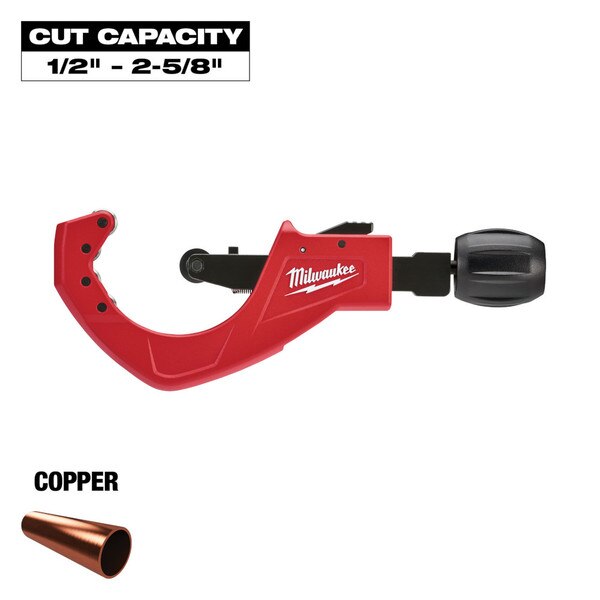
Tubing cutters are specially made tools for cutting copper pipes. They produce smooth edges without crushing the tube.
- Wheel cutters: Use a sharp wheel to score and cut the tubing.
- Rotary cutters: Have a rotating blade for faster cuts.
- Ratchet cutters: Provide extra force for thick tubing.
- Mini cutters: Good for tight spaces and small diameter tubes.
Using A Hacksaw
A hacksaw is a common hand tool for cutting copper tubing. It is affordable but needs a steady hand.
| Pros | Cons |
| Easy to find and use | May leave rough edges |
| Works on many pipe sizes | Requires more effort |
| No special skills needed | Time-consuming for many cuts |
Power Tools Options
Power tools make cutting copper tubing faster and easier. They are best for large projects.
- Reciprocating saws: Use a blade that moves back and forth quickly.
- Angle grinders: Use a cutting disc for fast cuts but need careful handling.
- Rotary tools: Small and precise, good for detailed work.
Preparing Copper Tubing
Cutting copper tubing requires careful preparation. This helps you get a clean and accurate cut.
Proper preparation saves time and avoids damage to the tubing.
Measuring And Marking
Measure the length you need carefully. Use a tape measure or ruler for accuracy.
Mark the cutting point clearly with a fine-tip marker or pencil. Make sure the mark is visible and straight.
- Measure twice to avoid mistakes
- Mark the tubing on the outer surface
- Use a marker that does not smudge easily
Securing The Tubing
Hold the tubing firmly to prevent movement. Use a vise or clamps for a steady grip.
Make sure the tubing is straight and not bent. This helps you cut evenly and safely.
- Place the tubing on a flat surface
- Use soft jaws on clamps to avoid dents
- Check the tubing is steady before cutting
Cleaning Before Cutting
Remove dirt, grease, or oxidation from the tubing surface. Clean tubing helps the cutter work better.
Use a clean cloth or sandpaper to wipe the tubing. This prepares the surface for a smooth cut.
- Wipe with a clean, dry cloth
- Lightly sand rough areas if needed
- Ensure the tubing is dry before cutting
Cutting Techniques For Accuracy
Cutting copper tubing with precision is key for a tight fit and leak-free joints. Using the right techniques helps you get clean and straight cuts every time.
This guide covers how to use a tubing cutter properly, keep steady pressure, and avoid common errors during cutting.
Proper Tubing Cutter Usage
Start by selecting a tubing cutter that fits the diameter of your copper tube. Position the cutter’s blade on the mark where you want to cut.
- Place the tubing cutter squarely around the tube.
- Tighten the cutter knob until the blade gently touches the tube.
- Rotate the cutter around the tube smoothly.
- After each full rotation, tighten the knob slightly.
- Repeat until the tube separates cleanly.
Maintaining Steady Pressure
Applying even pressure is essential to prevent crushing or deforming the copper tube. Avoid pressing too hard or too softly.
| Pressure Level | Effect on Cut |
|---|---|
| Too Light | Blade slips, causing uneven cuts |
| Too Heavy | Tubes get crushed or bent |
| Steady Moderate | Clean and accurate cut |
Avoiding Common Mistakes
Many errors happen when cutting copper tubing. Watch for these to keep your cuts precise and your project on track.
- Not scoring or marking the tube before cutting.
- Using a dull or damaged cutter blade.
- Twisting or bending the tube while cutting.
- Failing to clean the cut edges before fitting.
- Cutting at an angle instead of straight across.
Finishing The Cut Edge
After cutting copper tubing, the edges need careful finishing. This improves the fit and safety of the tubing. Finishing also prevents leaks and damage during installation.
Use the right tools and techniques to make the cut edge smooth and round. This guide covers deburring, smoothing, and checking the tubing’s shape.
Deburring The Tubing
Deburring removes sharp bits and metal flakes inside and outside the tubing. Use a deburring tool or a round file for this step. Insert the tool into the tube and spin it to clean the inside edge.
- Hold the tubing firmly to avoid slips.
- Run the deburring tool around the inside edge several times.
- Check for any leftover burrs or sharp spots.
- Deburr the outside edge carefully as well.
Smoothing Rough Edges
After deburring, the edge may still feel rough. Use fine sandpaper or an emery cloth to smooth it. Wrap the sandpaper around the edge and rub gently. This step helps the tubing fit better in fittings.
| Tool | Purpose |
| Fine sandpaper (120-220 grit) | Smooth rough edges |
| Emery cloth | Remove small imperfections |
| Deburring tool | Remove sharp burrs |
Checking For Roundness
Check if the tubing end is still round after cutting and smoothing. A misshaped tube can cause leaks. Use a round object or a tubing gauge to test this. The tube should fit snugly without gaps.
- Place the tube end against a round gauge or ring.
- Look for gaps between the tube and gauge.
- Gently squeeze the tube to feel for soft spots.
- Repeat smoothing if the tube is out of shape.
Safety Tips While Cutting
Cutting copper tubing needs care to avoid injuries. Using the right tools and safety measures helps you cut accurately and safely.
Follow these safety tips to protect yourself while working with copper tubing.
Protective Gear Recommendations
Always wear protective gear to guard against sharp edges and metal shards. Proper gear keeps you safe during the cutting process.
- Wear safety glasses to protect your eyes from flying debris.
- Use gloves to avoid cuts and improve grip on the tubing.
- Wear long sleeves to protect your arms from sharp edges.
- Use ear protection if you use power tools for cutting.
Safe Handling Practices
Handle copper tubing carefully to prevent injuries and damage. Proper handling makes cutting easier and safer.
| Practice | Reason |
| Hold tubing firmly | Prevents slipping and inaccurate cuts |
| Keep fingers away from cutting blade | Avoids accidental cuts and injuries |
| Use a proper cutting tool | Ensures clean cuts and reduces effort |
| Inspect tubing for damage | Prevents tool damage and poor cuts |
Work Area Setup
Arrange your workspace to be safe and organized. A good setup helps you focus and cut copper tubing accurately.
- Use a stable surface to hold the tubing while cutting.
- Clear the area of unnecessary tools and objects.
- Ensure good lighting to see cut marks clearly.
- Keep a first aid kit nearby for emergencies.

Credit: www.youtube.com
Troubleshooting Cutting Issues
Cutting copper tubing accurately can be tricky. Small mistakes cause uneven cuts or damage.
This guide helps you solve common problems when cutting copper pipes. Fix your cuts and tools.
Dealing With Uneven Cuts
Uneven cuts happen if the cutter slips or the tubing moves. Keep the pipe steady and the cutter sharp.
- Clamp the pipe firmly before cutting.
- Rotate the cutter slowly and evenly around the tubing.
- Check the blade for dullness or damage.
- Use a proper tubing cutter sized for the pipe diameter.
Fixing Bent Or Damaged Tubing
Bent tubing can cause leaks or poor fitting. Small bends can sometimes be straightened carefully.
- Use a tubing straightener tool for minor bends.
- Gently apply pressure to straighten the pipe by hand if the bend is small.
- Do not try to fix badly crushed or cracked tubing.
- Replace severely damaged sections to avoid leaks.
When To Replace Tools
Using worn or broken tools causes poor cuts and damages tubing. Know when to get new cutters.
| Tool Issue | Effect on Cutting | Replacement Tip |
|---|---|---|
| Dull Blade | Uneven, rough cuts | Replace blade or tool immediately |
| Loose Cutter Wheel | Slips during cutting | Tighten or replace cutter wheel |
| Damaged Handle | Hard to apply even pressure | Replace cutter for safety |
| Rust or Corrosion | Tool sticks or jams | Clean regularly or replace |
Credit: www.icrimptools.com
Frequently Asked Questions
What Tools Are Best For Cutting Copper Tubing?
For cutting copper tubing, use a pipe cutter or a hacksaw. Pipe cutters provide a clean, precise cut and are user-friendly. Hacksaws are versatile but may require more effort. Ensure your tool is sharp and suitable for the tubing’s thickness.
Always prioritize safety with protective gear.
How Do You Ensure A Straight Cut?
To ensure a straight cut, mark the tubing with a pen or marker before cutting. Use a pipe cutter for the most precise results. Rotate the cutter around the marked line evenly. For hacksaws, guide the blade carefully along the mark.
Consistency is key for accuracy.
Can Copper Tubing Be Cut Without Special Tools?
Yes, copper tubing can be cut without special tools. A fine-toothed hacksaw works well for this task. Ensure the blade is sharp for a cleaner cut. Use a tubing cutter for the best results. Always deburr the edges after cutting to avoid sharp edges.
How To Avoid Burrs When Cutting Copper Tubing?
To avoid burrs, use a quality pipe cutter and rotate it smoothly. Apply consistent pressure while cutting. After cutting, deburr the edges with a deburring tool or a file. This ensures a smooth finish and prevents any sharp edges. Proper technique minimizes burr formation.
Conclusion
Cutting copper tubing accurately takes care and the right tools. Measure twice, cut once. Use a sharp cutter and steady hands. Keep the tubing steady and follow the marks closely. Clean the edges after cutting for a smooth finish. Practice makes perfect.
These steps help you avoid leaks and fit parts well. Stay patient and take your time. Your plumbing work will last longer with precise cuts. Simple tips, great results.