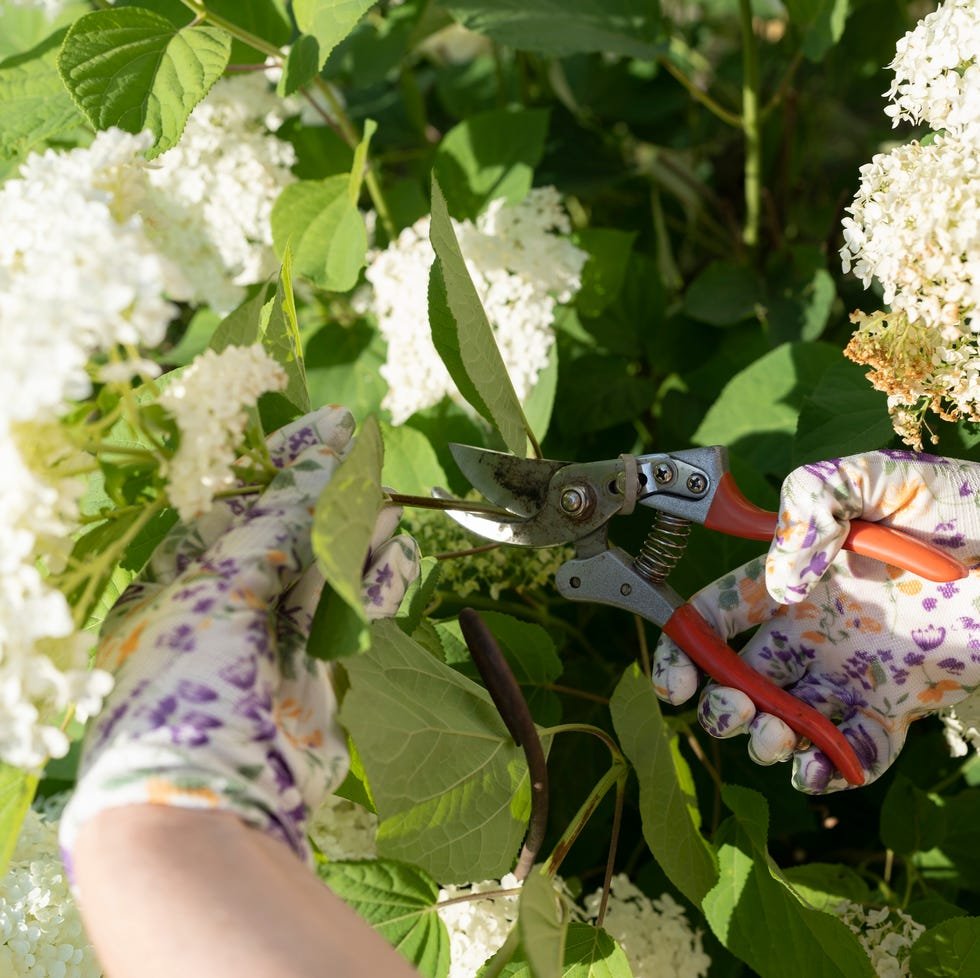
Are your shrubs looking tired and not blooming as beautifully as you’d like? You’re not alone.
Many gardeners struggle with getting their shrubs to produce vibrant, healthy flowers. The secret often lies in how—and when—you cut back your shrubs. By learning the right pruning techniques, you can transform your plants into lush, flowering beauties that brighten your garden all season long.
Ready to discover simple steps that will make a big difference? Keep reading, and you’ll unlock the key to better flowering shrubs that everyone will admire.

Credit: www.youtube.com
Choosing The Right Time
Cutting back shrubs at the right time helps them grow better flowers. Pruning at the wrong time can reduce blooms.
Knowing when to prune depends on the type of shrub and its flowering cycle. This guide explains the best timing.
Seasonal Pruning Tips
Prune shrubs during their dormant season to avoid stress. Late winter or early spring is often best.
Some shrubs need light pruning after they bloom. This keeps their shape and encourages new growth.
- Prune spring-flowering shrubs in late winter
- Cut summer-flowering shrubs in early spring
- Avoid heavy pruning in fall to protect plants from cold
Flowering Cycles To Consider
Shrubs bloom on old or new wood. Old wood flowers on last year’s growth. New wood flowers on this year’s shoots.
Cutting old wood shrubs after flowering helps new buds form for next year. For new wood shrubs, prune before growth starts.
| Shrub Type | Flowering Time | Best Pruning Time |
|---|---|---|
| Old Wood | Spring | Right after flowering |
| New Wood | Summer | Late winter or early spring |
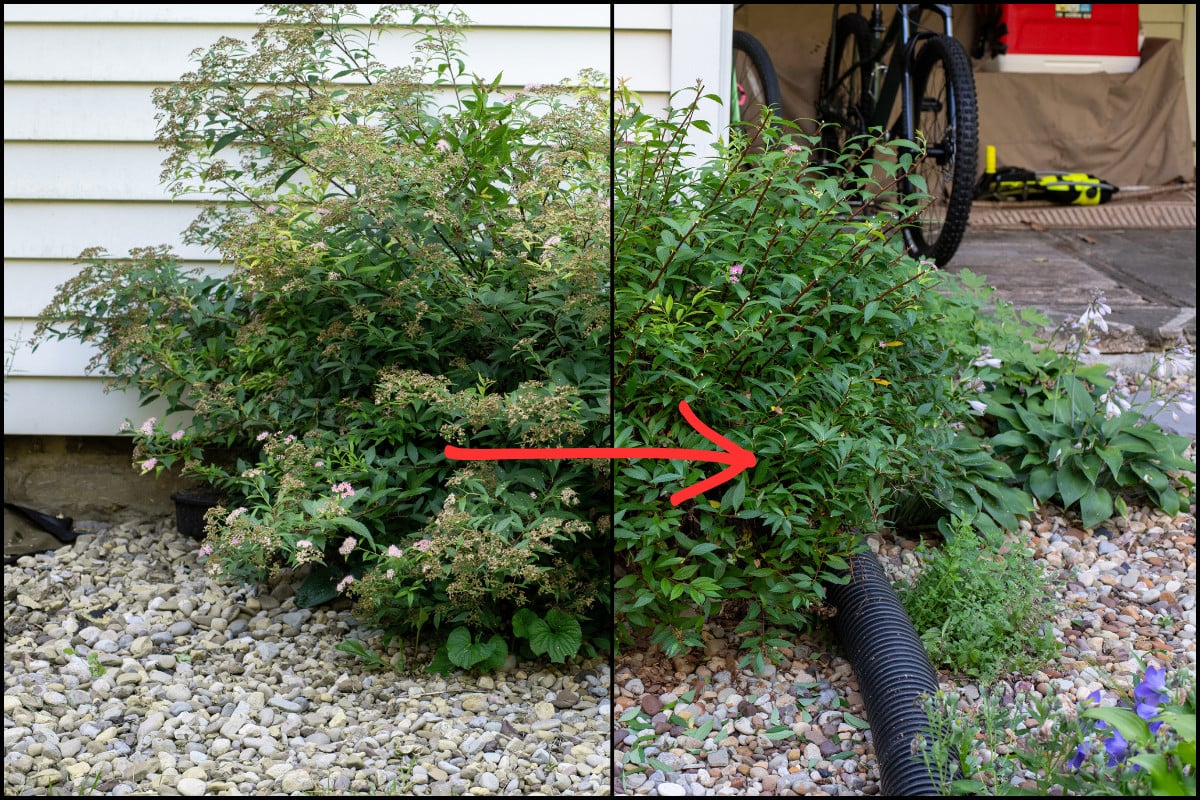
Credit: www.ruralsprout.com
Essential Tools For Pruning
Cutting back shrubs helps them grow more flowers. Using the right tools makes pruning easier and safer.
Good tools also help plants heal faster and stay healthy after pruning.
Types Of Pruning Shears
Pruning shears come in different types to cut branches of various sizes. Choose the right one for your shrub.
- Bypass Shears:Have two sharp blades that pass each other. Best for green, live branches.
- Anvil Shears:Have one sharp blade that cuts against a flat surface. Good for dry or dead wood.
- Loppers:Long-handled shears for thicker branches up to 2 inches wide.
- Pruning Saws:Used for very thick branches that shears cannot cut.
Safety Gear And Maintenance
Wear gloves and eye protection while pruning to avoid injuries. Keep tools clean and sharp for best results.
- Wear sturdy gloves to protect hands from cuts and scratches.
- Use safety glasses to protect eyes from flying debris.
- Clean shears after use with a cloth to remove sap and dirt.
- Sharpen blades regularly to make clean cuts and reduce damage to plants.
- Oil moving parts to keep tools working smoothly.
Preparing Shrubs For Pruning
Pruning shrubs helps them grow stronger and produce more flowers. Proper preparation before cutting is very important.
Removing the right branches and using clean tools keeps your shrubs healthy. Learn how to get ready for pruning below.
Identifying Dead And Diseased Branches
Look carefully at your shrub to find any branches that are dead or sick. These branches can stop your shrub from flowering well.
- Dead branches are dry and brittle.
- Diseased branches may have spots, mold, or unusual colors.
- Check for broken or cracked stems.
- Remove all unhealthy branches before pruning the healthy ones.
Cleaning And Sanitizing Tools
Clean tools help prevent the spread of disease between plants. Always sanitize your pruning tools before and after use.
| Cleaning Step | Method |
| Remove dirt | Wipe blades with a damp cloth |
| Sanitize | Use rubbing alcohol or bleach solution |
| Dry | Wipe with a dry cloth to avoid rust |
| Oil | Apply light oil to keep blades smooth |
Pruning Techniques For Better Blooms
Pruning shrubs helps them grow stronger and produce more flowers. Using the right technique is key for healthy plants.
This guide explains two main pruning methods and how to shape shrubs without causing stress.
Thinning Vs. Heading Cuts
Thinning cuts remove entire branches at their base. This opens up the shrub and lets light reach inside.
Heading cuts shorten branches by cutting them back to a bud or side branch. This encourages bushy growth.
- Thinning Cuts:Improve air flow and reduce disease risk.
- Heading Cuts:Create a fuller shape and more blooms on new growth.
- When to use:Thin old or crowded branches; head young shoots for shaping.
Shaping Shrubs Without Stress
Shaping shrubs gently keeps plants healthy and flowering well. Avoid cutting too much at once.
| Pruning Tip | Benefit |
| Cut during early spring or late winter | Promotes strong new growth |
| Use sharp, clean tools | Prevents damage and disease |
| Remove dead or weak branches | Focuses energy on healthy parts |
| Step back often to check shape | Ensures balanced and natural look |
Aftercare For Pruned Shrubs
Pruning shrubs helps them grow better flowers. After pruning, shrubs need special care.
Good aftercare keeps plants healthy and encourages strong blooms next season.
Watering And Fertilizing
Water shrubs deeply after pruning to reduce stress. Keep soil moist but not soggy.
Use fertilizer to supply nutrients for new growth. Choose a balanced fertilizer for best results.
- Water early in the day to reduce evaporation
- Apply fertilizer according to package instructions
- Avoid overwatering to prevent root rot
- Use mulch to keep soil moist longer
Monitoring For Pests And Diseases
Check shrubs often for signs of pests or disease after pruning. Early detection helps control problems.
Look for damaged leaves, discoloration, or unusual spots. Treat issues with safe methods quickly.
- Inspect leaves and stems every week
- Remove any damaged or infected parts
- Use insecticidal soap or natural remedies if needed
- Keep area around shrubs clean and free of debris
Common Mistakes To Avoid
Cutting back shrubs can help them bloom better. But many gardeners make mistakes that hurt flowering. Learning what to avoid improves shrub health and flower growth.
Two common errors are over-pruning and ignoring the needs of specific shrubs. Both can stop flowers from growing well.
Over-pruning Effects
Pruning too much can damage shrubs. It may remove flower buds and weaken plants. This leads to fewer blooms or no flowers at all.
- Removing too many branches cuts off flower growth sites.
- Heavy pruning stresses the shrub, slowing recovery.
- Excessive cutting can expose the plant to diseases.
- Some shrubs bloom on old wood, so cutting old branches stops flowers.
Ignoring Shrub Specific Needs
Each shrub species has its own pruning time and method. Ignoring these needs can reduce flowering or kill the shrub.
| Shrub Type | Best Pruning Time | Flowering Impact |
|---|---|---|
| Spring-flowering shrubs | Right after flowering | Prune too late, no flowers next season |
| Summer-flowering shrubs | Late winter or early spring | Prune too early, lose flower buds |
| Evergreen shrubs | Early spring | Cutting at wrong time reduces growth |
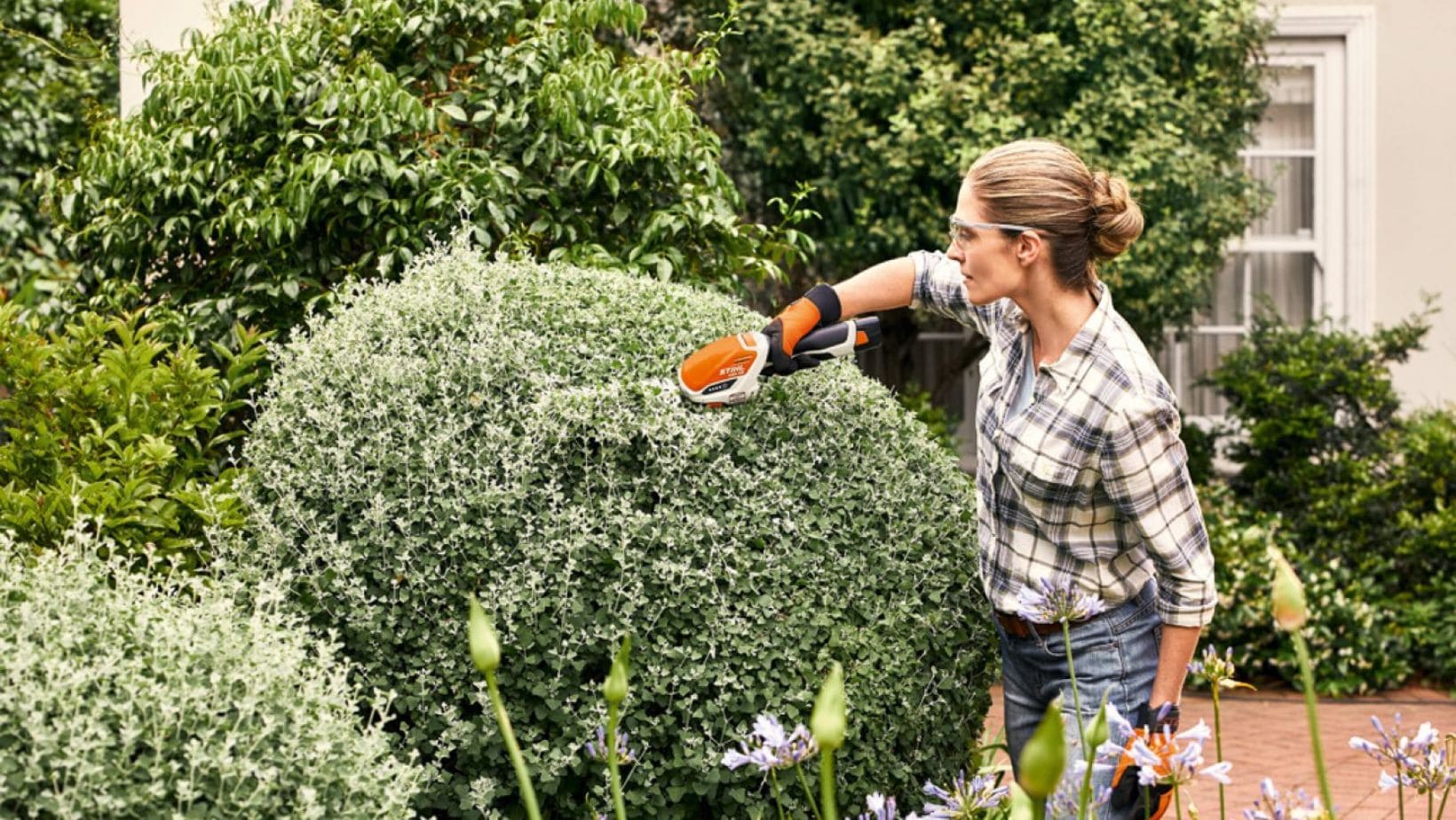
Credit: www.gardenmachinerydirect.co.uk
Frequently Asked Questions
How Often Should I Cut Back Shrubs For Better Flowering?
Cut back shrubs annually or biennially depending on the species. Regular pruning encourages new growth and more blooms. Avoid cutting too late in the season to prevent flower loss. Early spring or late winter is ideal for most shrubs.
What Tools Do I Need To Cut Back Flowering Shrubs?
Use sharp pruning shears, loppers, or a pruning saw for thicker branches. Clean tools prevent disease spread. Gloves protect your hands. Choose the right tool for the shrub size to ensure clean cuts that promote healthy growth.
When Is The Best Time To Prune Shrubs For Flowers?
Prune most flowering shrubs in late winter or early spring before new growth starts. Some spring-flowering shrubs should be pruned right after blooming. Timing is crucial to avoid cutting off buds and reducing flower production.
How Much Should I Cut Back My Flowering Shrubs?
Remove about one-third of the shrub’s growth to boost flowering. Avoid cutting too much to prevent stress. Focus on removing dead, diseased, or crossing branches to improve air circulation and light penetration.
Conclusion
Pruning shrubs boosts their growth and flowering. By trimming wisely, you encourage healthy blooms and vibrant foliage. Consistent care keeps plants looking their best. It’s important to know the right time and method for each type of shrub. Avoid cutting too much at once to prevent stress.
This simple act can lead to a more beautiful garden. Remember, practice makes perfect. With patience, your shrubs will flourish. Enjoy the beauty of your well-tended plants. Your garden will thank you with stunning flowers.