Are you struggling to remove old fixtures without damaging your walls or furniture? A pry bar might be the simple tool you need to make the job easier and faster.
But using it the wrong way can cause more harm than good. In this guide, you’ll learn exactly how to use a pry bar safely and effectively. By the end, you’ll feel confident tackling those stubborn nails, screws, or fixtures with ease.
Keep reading to discover tips that will save your time and protect your space.
Choosing The Right Pry Bar
Using a pry bar makes removing fixtures easier and safer. Picking the right pry bar helps you work better. This guide explains what to look for.
Learn about different pry bars, their materials, and sizes. Knowing these helps you choose the best tool for your project.
Types Of Pry Bars
Pry bars come in many shapes and sizes. Each type suits different jobs and spaces. Some are flat, others have a curved end.
- Flat Pry Bars: Thin and flat, good for tight spaces and lifting nails.
- Cat’s Paw Pry Bars: Curved claw for pulling nails and prying boards.
- Gooseneck Pry Bars: Strong with a curved end to pry heavy fixtures.
- Wonder Bar: Lightweight with a straight and curved end, versatile for many tasks.
Material And Size Considerations
Pry bars are made from steel or alloy. The material affects strength and durability. Size matters for control and reach.
| Material | Strength | Weight | Best Use |
| Carbon Steel | High | Heavy | Heavy-duty prying |
| Alloy Steel | Medium | Medium | General household use |
| Stainless Steel | Medium | Light | Light tasks, rust resistance |
Length ranges from 6 to 24 inches. Short bars give more control. Longer bars offer more leverage but less precision.

Credit: fencearmor.com
Preparing For Removal
Removing fixtures with a pry bar needs good preparation. This helps protect you and the area around you.
Proper steps before starting make the removal easier and safer. Pay attention to safety and clear space.
Safety Gear Essentials
Wear the right safety gear to protect yourself during fixture removal. Pry bars can cause injuries if used carelessly.
Basic safety gear includes gloves to protect your hands and safety glasses to shield your eyes from debris.
- Sturdy work gloves to avoid cuts and splinters
- Safety glasses to protect your eyes
- Closed-toe shoes to guard your feet
- Long sleeves to protect your arms
Clearing The Work Area
Remove any obstacles around the fixture before you start. A clean area helps prevent trips and falls.
Move furniture, tools, and other items away. This gives you enough room to work safely and freely.
- Clear all objects within reach of the pry bar
- Ensure good lighting in the work area
- Protect floors with a drop cloth if needed
- Keep children and pets out of the space
Techniques For Fixture Removal
Removing fixtures with a pry bar can be simple and safe. Using the right techniques helps protect surfaces and tools.
Learn how to position the pry bar, apply force carefully, and avoid damage during fixture removal.
Proper Positioning Of The Pry Bar
Place the pry bar close to the edge of the fixture. This gives better leverage and control.
Make sure the pry bar’s tip is secure and stable before you start to pull.
- Slide the pry bar gently under the fixture
- Use a piece of wood as a fulcrum if needed
- Keep the bar angled to avoid slipping
Applying Controlled Force
Push or pull the pry bar slowly. Sudden force can cause damage or injury.
Use steady pressure to loosen the fixture step by step.
- Apply force in small increments
- Stop if you feel strong resistance
- Adjust the pry bar position if needed
Avoiding Damage To Surfaces
Protect nearby surfaces by adding barriers between the pry bar and the surface.
Be careful not to scratch or crack the walls, floors, or woodwork around the fixture.
- Use painter’s tape on delicate areas
- Place a thin piece of wood or cardboard under the pry bar
- Work slowly to prevent sudden slips
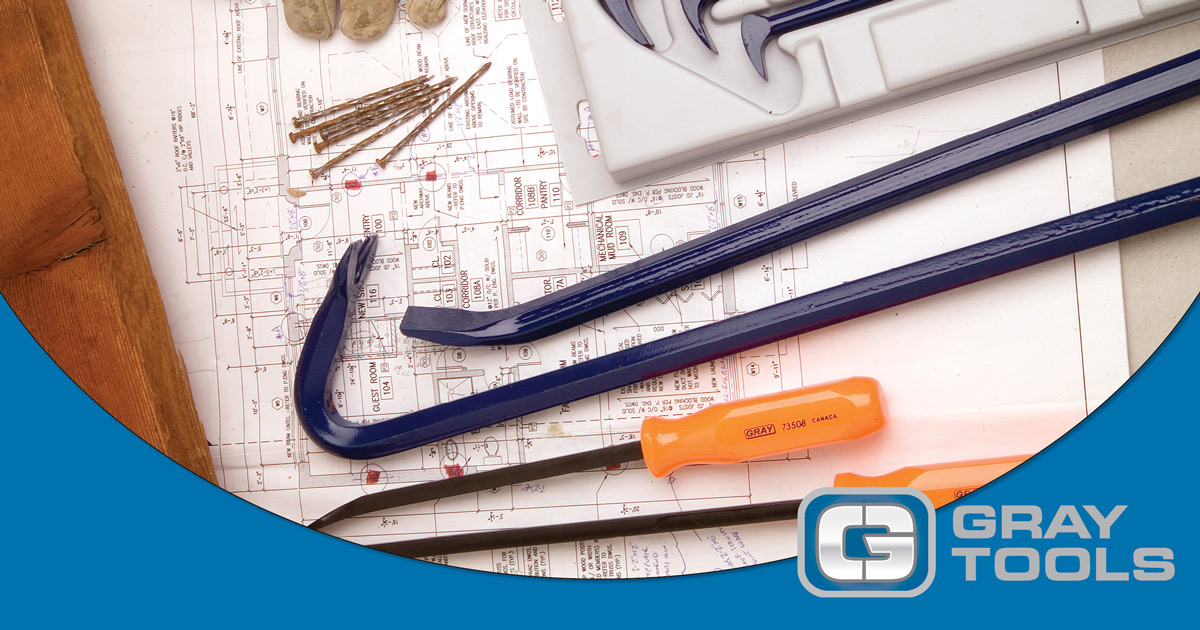
Credit: www.tenaquip.com
Common Challenges And Solutions
Using a pry bar to remove fixtures can be tricky. Some fixtures do not come off easily. You may face issues like stuck nails or rusted screws.
This guide helps you understand common problems and how to fix them safely. Follow these tips to avoid damage and work smoothly.
Dealing With Stubborn Fixtures
Stubborn fixtures often stay stuck because of tight nails or old glue. Forcing them can break the wood or the tool.
Try to loosen the fixture by gently wiggling the pry bar. Use slow, steady pressure instead of quick force.
- Place a thin piece of wood under the pry bar to protect surfaces.
- Work around the fixture in small sections.
- Heat glued areas with a hairdryer to soften glue before prying.
Handling Rusted Or Painted Fasteners
Rusted or painted nails and screws can be hard to remove. Rust weakens metal and paint seals fasteners in place.
Apply a rust remover or penetrating oil to loosen fasteners. Let it sit for a few minutes before prying.
- Use a wire brush to clean rust or paint from fastener heads.
- Tap the pry bar gently to break the seal around painted nails.
- For very stuck fasteners, use a hammer and nail puller if safe.
Maintaining Your Pry Bar
Keeping your pry bar in good shape helps it last longer. Regular care makes removing fixtures easier and safer.
Simple maintenance steps can prevent damage and rust. This guide will show you how to clean, store, and know when to replace your tool.
Cleaning And Storage Tips
Clean your pry bar after each use to remove dirt and debris. Use a wire brush or cloth to wipe off any residue.
Store the pry bar in a dry place to avoid rust. Hanging it on a tool rack is a good way to keep it off the ground.
- Remove dirt and grease after use
- Dry the tool completely before storing
- Keep it in a dry, cool place
- Hang it or place it on a shelf
- Apply light oil to metal parts to prevent rust
When To Replace Your Tool
Check your pry bar for cracks, bends, or worn edges. These signs mean the tool may not work safely.
Replace the pry bar if it shows damage that affects strength or function. Using a damaged tool can cause accidents.
- Cracks or splits in the metal
- Severe bends that do not straighten
- Worn or rounded edges that slip
- Loose or damaged handles

Credit: www.ebay.com
Frequently Asked Questions
What Is The Best Pry Bar For Removing Fixtures?
The best pry bar for removing fixtures is sturdy and has a curved claw. It should provide good leverage and fit comfortably in your hand. Look for high-quality steel to ensure durability and avoid bending or breaking during use.
How Do I Safely Use A Pry Bar To Remove Fixtures?
Place the pry bar’s claw under the fixture’s edge. Apply steady pressure to lift it gently. Use a wooden block to protect surfaces. Always wear gloves and safety goggles to avoid injury from slipping or flying debris.
Can A Pry Bar Damage The Surface When Removing Fixtures?
Yes, a pry bar can damage surfaces if used improperly. To prevent damage, use a protective block and apply slow, even force. Avoid prying near delicate materials or finish to keep surfaces intact while removing fixtures.
What Fixtures Can Be Removed Using A Pry Bar?
A pry bar can remove nails, molding, baseboards, and light fixtures. It is also useful for pulling up floorboards and removing old hardware. Its leverage makes it effective for various household fixture removal tasks.
Conclusion
Mastering the use of a pry bar makes fixture removal easier. Remember, the right tool saves time and effort. Always ensure safety by wearing gloves and goggles. Practice improves skill and builds confidence. Be patient and work carefully to avoid damage.
With these tips, removing fixtures becomes less daunting. Keep your pry bar handy for future projects. It’s a valuable tool in any toolbox. Embrace the process and learn as you go. Happy fixture removing!