
Are you relying on ear muffs to block out loud noises and protect your hearing? Keeping them in good shape is more important than you might think.
If your ear muffs aren’t well maintained, they won’t work as effectively, leaving your ears vulnerable. This guide will show you simple, practical ways to care for your ear muffs so they stay comfortable and provide the best noise reduction.
By following these easy tips, you’ll get the most out of your ear protection and keep your hearing safe for years to come. Keep reading to learn how to make your ear muffs last and work like new every time you wear them.

Credit: cpdonline.co.uk
Choosing The Right Ear Muffs
Ear muffs help protect your ears from loud noises. Choosing the right pair keeps you safe and comfortable.
Different ear muffs fit different needs. Learn about types, noise reduction, and fit to pick well.
Types Of Ear Muffs
There are several ear muff types for noise protection. Each type works best in certain places.
- Standard Ear Muffs: Simple design, covers ears fully.
- Electronic Ear Muffs: Use electronics to lower loud sounds but let soft sounds in.
- Disposable Ear Muffs: Made for short use, light and cheap.
- Heavy-Duty Ear Muffs: Made for very loud places, offer strong protection.
Noise Reduction Ratings
Noise Reduction Rating (NRR) shows how well ear muffs block noise. Higher numbers mean better protection.
Pick ear muffs with an NRR that matches your noise environment. Use higher NRR for louder places.
| NRR Value | Use Case |
|---|---|
| 15-20 dB | Low noise areas, like offices |
| 20-25 dB | Medium noise, like workshops |
| 25-30+ dB | High noise, like construction sites |
Comfort And Fit
Comfort and fit are important for long use. Ear muffs should seal well without pressure.
Look for adjustable headbands and soft ear cushions. These features help reduce discomfort.
- Adjust headband for snug fit
- Choose soft, padded ear cups
- Check weight; lighter is easier to wear
- Try different sizes if possible
Cleaning Your Ear Muffs
Ear muffs help protect your ears from loud noises. Keeping them clean helps them last longer.
Regular cleaning removes dirt, sweat, and germs from your ear muffs.
Materials Needed
Gather simple items to clean your ear muffs safely and well.
- Soft cloth or microfiber towel
- Mild soap or detergent
- Warm water
- Small bowl or container
- Disinfectant wipes (optional)
- Dry towel
Step-by-step Cleaning Process
Follow these easy steps to clean your ear muffs without damage.
- Remove the ear pads if possible.
- Mix mild soap with warm water in a bowl.
- Dampen the soft cloth with the soapy water.
- Gently wipe the ear pads and headband.
- Use a clean damp cloth to remove soap.
- Dry the parts with a dry towel.
- Let all parts air dry completely before use.
- Use disinfectant wipes for extra cleaning if needed.
Frequency Of Cleaning
Clean your ear muffs regularly to keep them fresh and safe.
Clean ear muffs after heavy use or every week if used daily.
- Weekly cleaning for daily users
- After sweaty or dirty conditions
- Before sharing with others
Storing Ear Muffs Properly
Proper storage of ear muffs helps keep them in good shape. It also ensures they work well for noise reduction.
Storing ear muffs carefully can extend their life and keep them clean. Let’s look at some tips for storing them right.
Avoiding Damage
Ear muffs can get damaged if not stored carefully. Avoid dropping or crushing them to keep their parts safe.
Keep ear muffs away from sharp objects and heavy items. Do not bend or twist the headband too much.
- Do not place heavy things on ear muffs
- Avoid sharp edges near the ear cushions
- Keep them dry to prevent mold or rust
- Do not expose to strong sunlight for long periods
Ideal Storage Conditions
Store ear muffs in a cool, dry place away from dust. This keeps the cushions soft and the parts working well.
Use a clean storage box or case to protect ear muffs from dirt and damage. Avoid places with high heat or moisture.
- Keep them at room temperature
- Use a sealed container or pouch
- Avoid humid or wet areas
- Store away from direct sunlight
Travel And Portability Tips
When traveling, use a hard or padded case to protect your ear muffs. This helps prevent damage from bumps or drops.
Keep ear muffs clean before packing. If possible, store them in a separate bag to avoid pressure from other items.
- Use a travel case with padding
- Pack ear muffs on top of other items
- Clean ear cushions before travel
- Check for damage after unpacking
Inspecting For Wear And Tear
Regular inspection of your ear muffs is important for safety and comfort. Checking for wear and tear helps maintain noise reduction. This guide covers what to look for and how to keep ear muffs in good condition.
Look closely at all parts of the ear muffs. Pay attention to damage signs, cushion condition, and headband strength. Replacing worn parts can extend the life of your ear muffs.
Signs Of Damage
Damage can reduce how well ear muffs block noise. Check for cracks, tears, and loose parts. Inspect the cushions for holes or flattening. Look for worn or cracked plastic on the ear cups and frame.
- Cracks in the plastic parts
- Torn or flattened ear cushions
- Loose or broken headband
- Worn or missing padding
- Unusual noises when wearing
Replacing Ear Cushions
Ear cushions wear out from use and sweat. Replace them to keep comfort and noise blocking strong. Remove old cushions carefully and match new ones to your model.
| Type of Cushion | Replacement Frequency | Signs to Replace |
| Foam | Every 6 months | Flattened or cracked |
| Gel | Every 12 months | Leaking or sticky |
| Leatherette | Every 9 months | Cracked or peeling |
Checking Headband Integrity
The headband holds the ear cups tightly to your head. It must be strong and flexible. Check for cracks, bent metal, or stretched plastic. Test its spring tension to ensure a snug fit.
- Look for visible cracks or breaks
- Check if padding is worn or missing
- Test if it stretches and returns easily
- Listen for loose parts when moving it
Extending Ear Muff Lifespan
Ear muffs reduce noise and protect your hearing. Keeping them in good shape helps them last longer.
Simple care and attention prevent damage and keep the ear muffs working well.
Regular Maintenance Routine
Clean your ear muffs often to remove dirt and sweat. Use a soft cloth and mild soap with water.
Check cushions and headbands for wear. Replace parts if they look cracked or worn out.
- Wipe ear cushions and headband after each use
- Store ear muffs in a dry, cool place
- Inspect parts monthly for damage
- Replace worn cushions to keep comfort and seal
Avoiding Common Mistakes
Do not expose ear muffs to extreme heat or direct sunlight. This can damage materials and reduce protection.
Do not use harsh chemicals or solvents for cleaning. They can weaken the ear cushions and plastic parts.
- Never drop or throw ear muffs
- Avoid twisting or bending the headband forcefully
- Do not share ear muffs without cleaning them first
When To Upgrade
Replace ear muffs if they lose their noise reduction ability. Damaged cushions or broken parts reduce safety.
Upgrade if the fit becomes loose or uncomfortable. A good fit is important for proper protection.
- Replace ear muffs every few years depending on use
- Change cushions at least once a year
- Upgrade if new safety standards require better protection
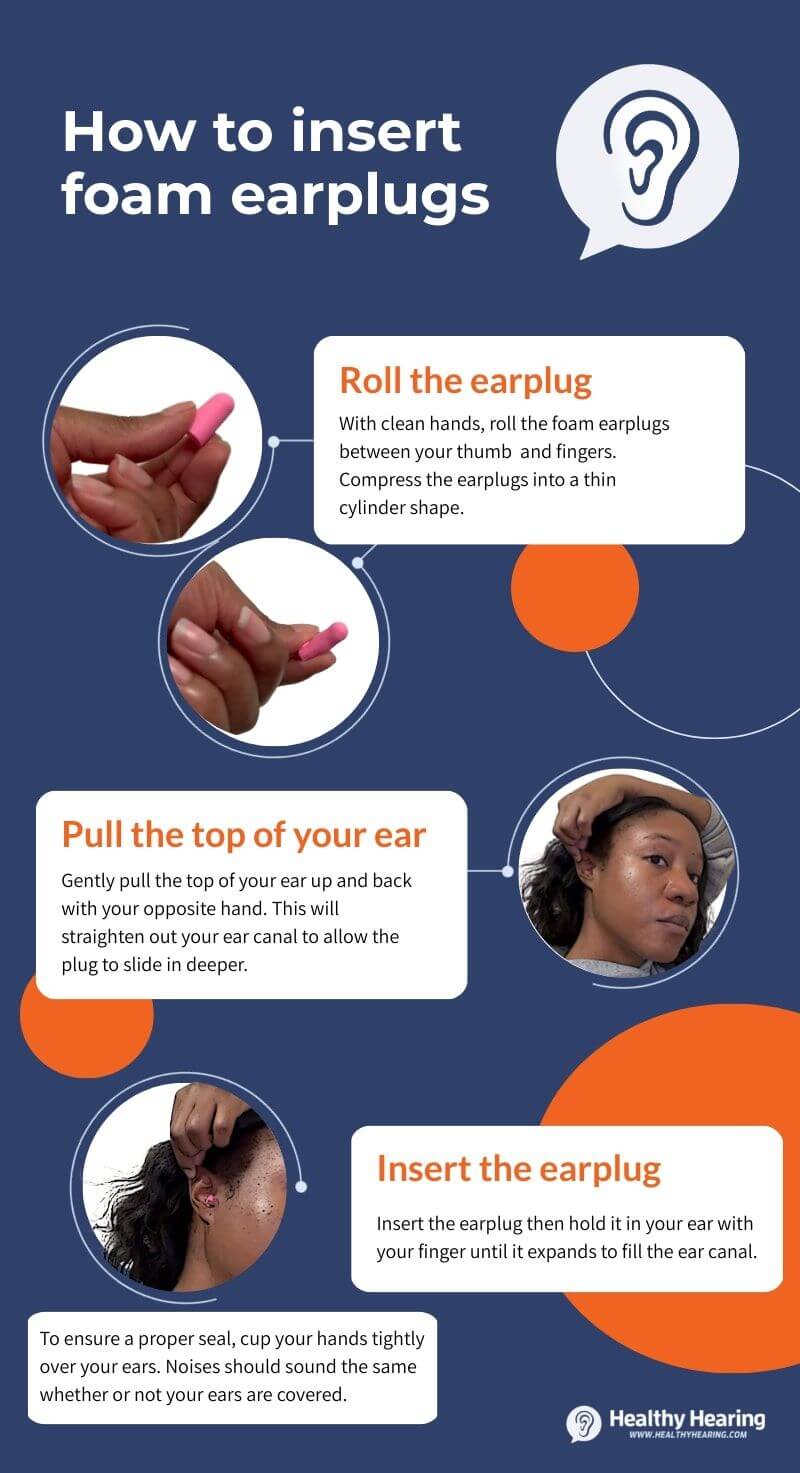
Credit: www.healthyhearing.com

Credit: www.popularmechanics.com
Frequently Asked Questions
How Often Should I Clean My Ear Muffs For Noise Reduction?
Clean your ear muffs weekly to maintain hygiene and performance. Use a damp cloth and mild soap. Avoid harsh chemicals that damage materials. Regular cleaning prevents dirt buildup and ensures effective noise reduction.
What Is The Best Way To Store Ear Muffs?
Store ear muffs in a cool, dry place away from direct sunlight. Use a protective case or pouch to avoid damage. Proper storage maintains the shape and cushioning, preserving noise reduction efficiency.
How Can I Check If Ear Muffs Still Provide Good Protection?
Inspect ear cushions for cracks or wear and check the headband tension. If cushions are damaged or the fit is loose, replace parts immediately. Regular inspection ensures optimal noise reduction and user safety.
Can I Use Ear Muffs In Wet Or Humid Conditions?
Ear muffs can be used in wet or humid conditions but must be dried properly afterward. Moisture can degrade materials and reduce noise protection. Always dry ear muffs thoroughly before storage to extend their lifespan.
Conclusion
Caring for ear muffs ensures lasting noise reduction. Simple steps make a difference. Clean them regularly with a soft cloth. Store them in a dry, safe place. Check for wear and tear often. Replace worn-out parts immediately. Proper maintenance keeps them effective for longer.
Good care protects your hearing. Invest a few minutes in upkeep. Enjoy quieter, more peaceful environments. Stay consistent with your routine. Your ears will thank you.