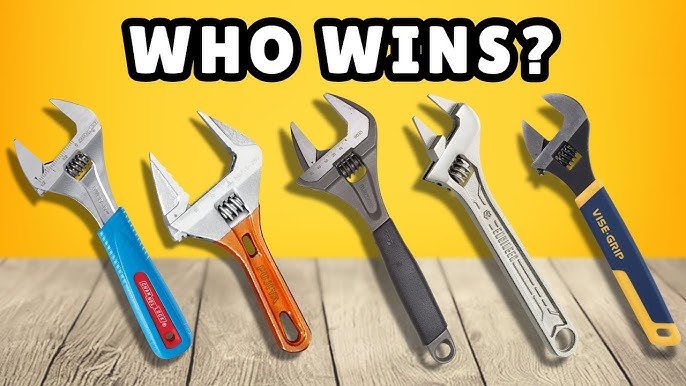
When it comes to fixing things around your home, having the right tools makes all the difference. An adjustable wrench is one of those tools that can save you time, effort, and frustration.
But are you really using it the best way? If you want your repairs to be smoother and avoid common mistakes that can damage your tools or your projects, this guide is for you. Keep reading to discover simple, practical tips that will help you get the most out of your adjustable wrench every time you pick it up.
Your next home repair just got a lot easier.

Credit: www.youtube.com
Choosing The Right Wrench
Adjustable wrenches come in many sizes and styles. Picking the right one helps you fix things faster and safer. Knowing what to look for saves you time and effort during home repairs.
This guide covers important points about size, materials, and types of adjustable wrenches. Use these tips to find the best wrench for your tasks.
Size Matters
The size of an adjustable wrench affects how well it fits nuts and bolts. Small wrenches work well in tight spaces. Larger wrenches give more leverage for tough jobs.
- Choose a wrench size that matches the bolt size
- Keep a set of different sizes for various tasks
- Use smaller wrenches for delicate or small hardware
- Use bigger wrenches to handle larger nuts and bolts
Material And Build Quality
Strong materials make wrenches last longer and work better. Steel is common because it resists bending and breaking. Some wrenches have coatings to stop rust.
| Material | Feature | Benefit |
| Chrome Vanadium Steel | High strength | Durable and long-lasting |
| Carbon Steel | Good toughness | Affordable and reliable |
| Stainless Steel | Rust resistant | Ideal for moist environments |
Types Of Adjustable Wrenches
There are several wrench types for different jobs. Each type fits specific nuts and bolts better. Knowing the types helps you pick the right tool.
- Standard adjustable wrench: most common, fits many sizes
- Crescent wrench: slim head for tight spaces
- Pipe wrench: good for gripping pipes and round objects
- Stubby wrench: short handle for hard-to-reach spots
Preparing For Repairs
Before starting home repairs, it is important to prepare your adjustable wrench. Proper preparation helps you work safely and efficiently.
Taking time to inspect, clean, and lubricate your wrench will make your repair work easier and prevent damage to the tool.
Inspecting The Tool
Check your adjustable wrench carefully before use. Look for any cracks or bends in the body or jaws. Make sure the jaws open and close smoothly.
- Look for worn or damaged teeth on the jaws
- Check the adjustment mechanism for smooth movement
- Ensure the handle is solid and has no cracks
- Test the wrench on a bolt to confirm a firm grip
Cleaning The Wrench
Remove dirt and rust to keep your wrench working well. Use a brush or cloth to clean the tool after each use.
| Cleaning Material | Purpose |
| Wire brush | Remove rust and dirt |
| Cloth with oil | Wipe surface clean |
| Soap and water | Wash off grease |
| Dry cloth | Dry tool to prevent rust |
Lubricating Moving Parts
Keep the wrench’s moving parts smooth by adding lubricant. This reduces wear and makes adjustments easier.
Apply a few drops of light machine oil to the screw and sliding parts. Then move the jaws back and forth to spread the oil evenly.
Proper Grip Techniques
Using an adjustable wrench correctly helps you fix things at home safely. A strong grip stops accidents and makes your work easier.
Learn how to hold the wrench well and adjust it for the best results. Proper grip protects the tool and your hands.
Adjusting The Jaw Correctly
Set the wrench jaw to fit the nut or bolt tightly. A loose fit can damage the tool or the part you work on.
- Turn the thumb wheel to open or close the jaw.
- Fit the jaw snugly around the fastener.
- Double-check the fit before applying force.
- Do not force the wrench if it feels loose.
Positioning For Maximum Torque
Hold the wrench handle close to the end for more power. Position your hand so you push or pull in a straight line.
| Handle Position | Effect |
| Near the end | Higher torque, easier turning |
| Middle of handle | Less torque, more effort needed |
| Close to jaw | Lowest torque, tool may slip |
Avoiding Slippage
Slippage can hurt your hands and damage the fastener. Use a firm grip and keep the wrench aligned.
- Always pull the wrench toward you instead of pushing.
- Keep the wrench jaw clean and free from oil.
- Wear gloves for extra grip and hand protection.
- Replace worn or damaged wrenches immediately.
Common Mistakes To Avoid
Adjustable wrenches are useful for many home repairs. Using them correctly saves time and prevents damage.
Avoiding common mistakes helps protect your tools and workpieces. Learn what to watch out for below.
Overtightening Bolts
Turning bolts too tight can strip the threads or break the bolt. It also makes future repairs harder.
Use steady pressure and stop when the bolt feels snug. Avoid forcing it beyond what is needed.
- Check bolt tightness with a torque wrench if possible
- Do not use extra tools to increase wrench force
- Practice gentle turns near the end of tightening
Using The Wrong Size
Adjustable wrenches fit many sizes, but using one too big or small causes slipping. This can damage bolts.
Adjust the wrench jaws to fit tightly around the bolt head. A loose fit wastes effort and causes rounding.
- Match the wrench size closely to the bolt or nut
- Check jaw adjustment before applying force
- Use a fixed wrench if the adjustable one does not fit well
Applying Sideways Force
Do not push or pull the wrench sideways. This twists the jaws and damages the tool or bolt.
Always pull or push the wrench straight along the handle’s line. This gives the best grip and control.
- Keep wrench jaws square to the bolt head
- Avoid rocking or angling the wrench during use
- Use longer handles carefully to prevent bending
Maintaining Your Adjustable Wrench
Keeping your adjustable wrench in good shape helps it last longer. Proper care makes home repairs easier and safer.
Simple habits like cleaning and checking your wrench can prevent damage. Learn how to care for your tool below.
Regular Cleaning
After each use, wipe your wrench clean to remove dirt and grease. Use a cloth dampened with mild soap and water.
- Dry the wrench fully to avoid rust
- Apply a light oil to the moving parts
- Use a small brush to clean hard-to-reach areas
Storing Safely
Store your adjustable wrench in a dry place. Avoid leaving it in damp or dusty areas to prevent rust and dirt build-up.
| Storage Tip | Reason |
| Keep in a toolbox or drawer | Protects from dust and moisture |
| Hang on a pegboard | Easy access and good airflow |
| Avoid leaving outside | Prevents rust and damage |
Periodic Inspection
Check your wrench regularly for signs of wear. Look for cracks, bent parts, or loose adjustments.
- Test the smoothness of the sliding jaw
- Ensure the adjustment screw turns easily
- Look for any rust spots or corrosion
- Replace the wrench if parts are damaged

Credit: mafpro.in
Advanced Tips And Tricks
Using an adjustable wrench is common in home repairs. Advanced tips help you work faster and safer.
These tips focus on combining tools, improving grip, and dealing with tough fasteners.
Using Wrench With Other Tools
Combine an adjustable wrench with pliers or a hammer to increase force. This helps loosen tight bolts.
Use pliers to hold the bolt steady while turning the wrench. Tap the wrench handle lightly with a hammer to break rust.
- Hold bolt with pliers to prevent spinning
- Tap wrench handle with hammer for stuck bolts
- Use pipe extension on wrench handle for more leverage
Improving Grip With Accessories
Adding grip accessories to your wrench improves control. Rubber sleeves or tape prevent slipping.
Wear gloves with a good grip. This reduces hand fatigue and helps keep steady pressure on the wrench.
- Use rubber grips on wrench handles
- Wrap handles with electrical or grip tape
- Choose gloves with textured palms for better hold
Handling Stubborn Fasteners
Apply penetrating oil to stuck bolts and let it sit for a while. This loosens rust and dirt inside threads.
Try turning the wrench back and forth gently. This helps break the bond without damaging the fastener.
- Spray penetrating oil on fastener and wait 10 minutes
- Use gentle back-and-forth motion to loosen
- Heat metal around fastener carefully to expand it

Credit: www.reddit.com
Frequently Asked Questions
How Do I Adjust An Adjustable Wrench Properly?
Turn the thumbwheel to open or close the jaws. Fit the wrench snugly around the fastener. Avoid over-tightening to prevent damage to the tool or fastener.
What Size Adjustable Wrench Is Best For Home Repairs?
A 6 to 8-inch wrench is versatile for most home tasks. Larger sizes offer more leverage but may be bulky. Choose based on the typical fastener size you encounter.
How To Prevent Slipping With An Adjustable Wrench?
Ensure the wrench jaws fit tightly around the fastener. Pull the wrench handle toward you for better grip. Avoid using worn or damaged wrenches to reduce slipping.
Can Adjustable Wrenches Replace Fixed-size Wrenches?
Adjustable wrenches can replace some fixed wrenches, but not all. They are versatile but may not fit perfectly on all fasteners. For precise tasks, fixed wrenches might be better.
Conclusion
Adjustable wrenches make home repairs easier. They’re versatile and reliable tools. Use them for various tasks. Remember to choose the right size. Secure the wrench tightly on the bolt. This prevents slipping and damage. Practice using gentle force. It avoids over-tightening and breaking.
Regular maintenance keeps your wrench effective. Clean and store it properly. This ensures long-lasting performance. With practice, you’ll improve your repair skills. You’ll find home projects more manageable. Using adjustable wrenches can save time. It also saves money on repairs.
So, keep practicing and enjoy fixing things at home.