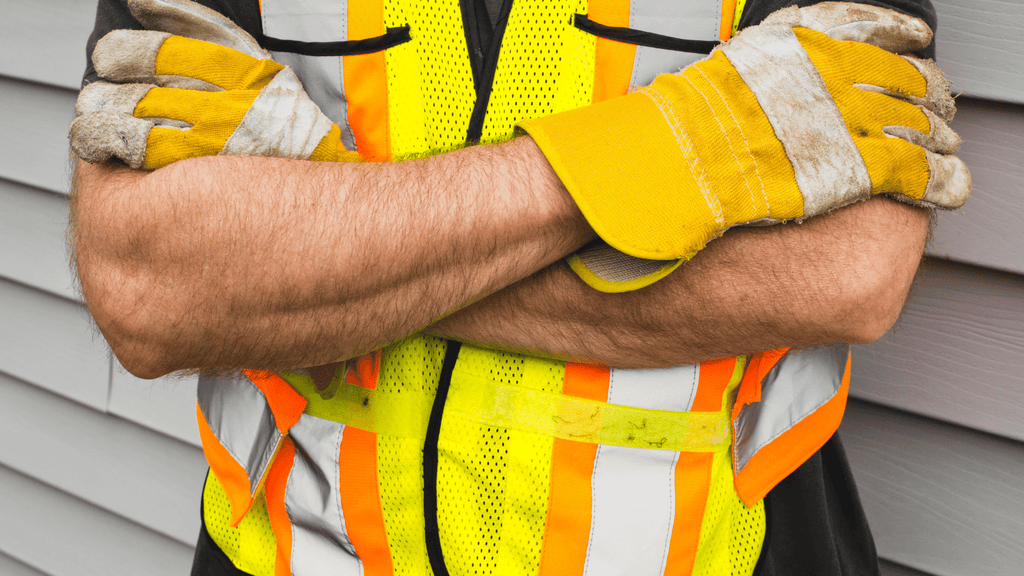
You rely on your high-visibility safety vest to keep you seen and safe, especially in low-light or busy environments. But are you taking the right steps to keep it in top condition?
A worn-out or dirty vest can lose its bright colors and reflective power, putting you at risk. You’ll discover simple, practical tips to maintain your safety vest so it stays effective every time you wear it. Keep reading to protect yourself and get the most out of your gear.
Choosing Durable Safety Vests
Picking a durable safety vest helps keep workers safe and visible. The right vest lasts longer and stays bright in tough conditions.
Focus on materials, reflective tape, and proper fit. These factors affect how well the vest performs and how comfortable it is.
Materials That Last
Choose vests made from strong fabrics like polyester or mesh. These materials resist tears and wear from daily use. Polyester is water-resistant and easy to clean.
- Polyester offers durability and water resistance.
- Mesh fabric improves breathability for hot work sites.
- Look for double stitching to prevent seams from ripping.
- Avoid thin, cheap fabrics that wear out fast.
Reflective Tape Quality
| Type of Tape | Durability | Visibility |
| Glass Bead Tape | Moderate | Good |
| Microprismatic Tape | High | Excellent |
| Heat-Sealed Tape | High | Good |
Choose vests with microprismatic tape for strong reflectivity. Heat-sealed tape lasts longer than sewn tape. Check that tape sticks well and does not peel off.
Size And Fit Considerations
Pick a vest that fits over your clothes without being too tight. A good fit keeps the vest in place and visible from all angles.
- Measure your chest size before buying.
- Allow room for jackets or coats underneath.
- Check for adjustable straps or closures.
- Make sure the vest covers your torso well.
Proper Cleaning Techniques
High-visibility safety vests need regular cleaning to keep them bright and effective. Dirt and stains can reduce their visibility and safety.
Using the right cleaning methods helps keep the vest’s reflective material working well. Follow these tips to care for your safety vest.
Washing Instructions
Wash safety vests by hand or on a gentle machine cycle. Use cold or warm water to avoid damage to the reflective strips.
Turn the vest inside out to protect the reflective tape during washing. Use mild detergent and avoid bleach.
- Use gentle or delicate cycle if machine washing
- Wash in cold or warm water only
- Turn vest inside out before washing
- Use mild detergent
Avoiding Harsh Chemicals
Harsh chemicals can harm the vest’s fabric and reflective parts. Avoid bleach, fabric softeners, and strong stain removers.
Use gentle cleaning products to keep the vest safe and bright. These chemicals break down the reflective material over time.
- Do not use bleach
- Avoid fabric softeners
- Skip strong stain removers
- Choose mild detergents only
Drying Methods
Air drying is the safest way to dry safety vests. Do not use a dryer because heat can damage the reflective strips.
Hang the vest in a shaded area. Avoid direct sunlight to prevent colors from fading quickly.
- Air dry by hanging the vest
- Do not use a tumble dryer
- Dry in shaded, well-ventilated areas
- Avoid direct sunlight
Storage Best Practices
High-visibility safety vests need proper storage to stay effective. Good storage keeps the vests clean and bright.
Follow simple steps to protect your vests from damage. This helps keep workers safe and visible.
Keeping Vests Flat
Store safety vests flat to avoid wrinkles and creases. Wrinkles can reduce the vest’s visibility and lifespan.
Use a clean, flat surface or shelf for storage. Avoid folding vests tightly or placing heavy items on top.
Protecting From Sunlight
Keep vests away from direct sunlight when storing them. Sunlight can fade colors and weaken fabric fibers.
Store vests in a shaded area or a closed container. This helps maintain the brightness and strength of the material.
Organizing For Easy Access
Organize vests by size or type to find them quickly. This saves time when you need to put them on fast.
- Use labeled bins or shelves
- Keep frequently used sizes at the front
- Check stock regularly to replace old vests
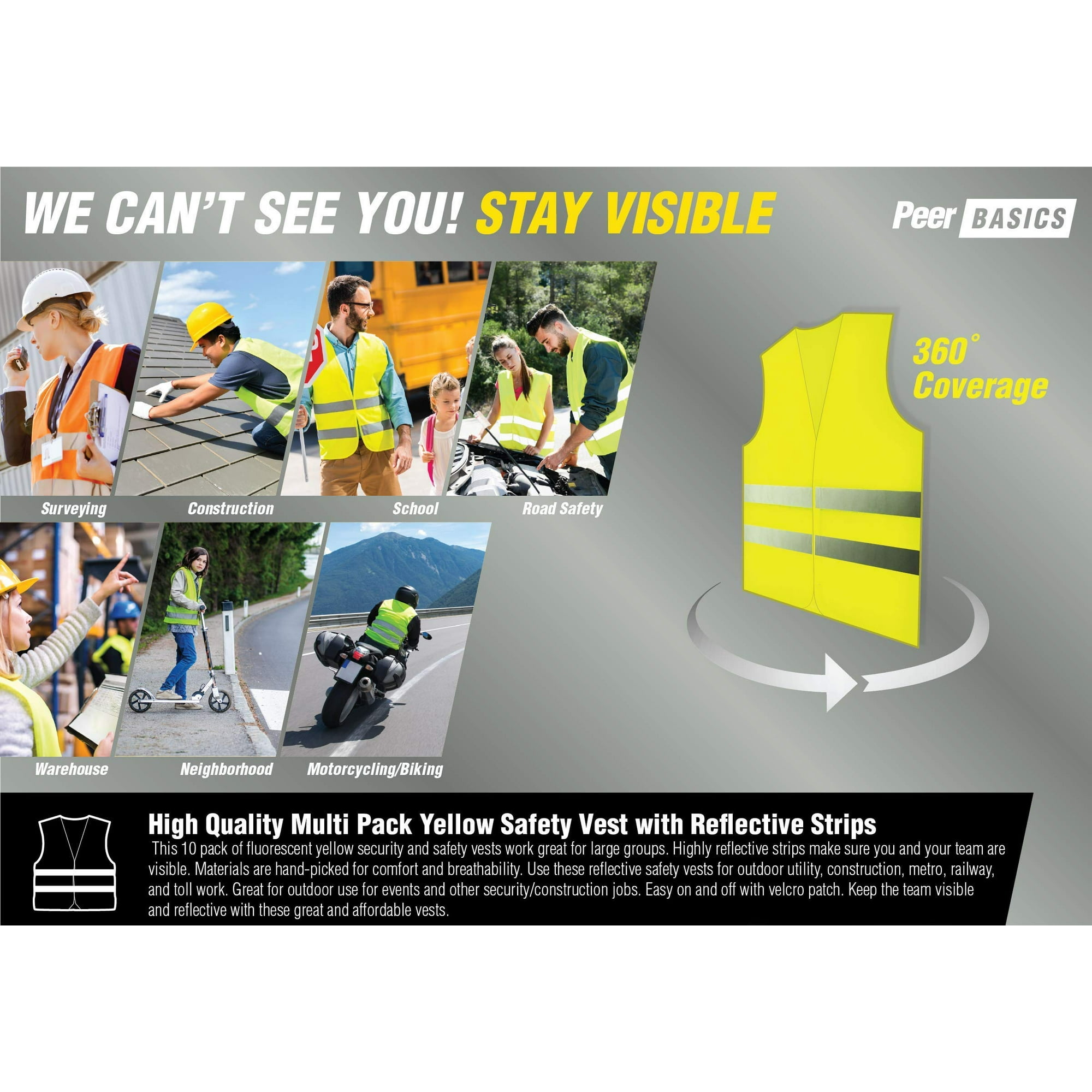
Credit: www.walmart.ca
Inspecting For Damage
High-visibility safety vests keep workers safe in low light. Regular checks help keep vests effective. Inspecting vests for damage is an important task.
Look closely at each part of the vest. Pay special attention to reflective strips, tears, and signs of wear. Small damage can reduce the vest’s visibility.
Checking Reflective Strips
Reflective strips must be clean and intact to work well. Dirt, scratches, or fading can make them less visible. Check strips in good light.
- Wipe strips with a damp cloth to remove dirt.
- Look for cracks, peeling, or fading on the strips.
- Make sure strips are firmly attached and not loose.
- Replace the vest if reflective strips are badly damaged.
Identifying Tears And Wear
Fabric tears and worn spots reduce the vest’s strength and safety. Check all areas, especially seams and edges. Look inside and outside.
| Damage Type | Signs to Look For | Impact on Safety |
|---|---|---|
| Tears | Rips or holes in fabric | Reduces vest coverage and protection |
| Fraying | Loose threads or worn edges | Weakens vest structure |
| Stains | Heavy dirt or discoloration | Can hide reflective strips |
Repairing Minor Damage
Small tears and loose strips can be fixed to extend vest life. Use simple tools and materials. Do not try to fix major damage.
- Clean the damaged area before repair.
- Sew small tears with strong thread and needle.
- Use fabric glue or tape for minor loose strips.
- Test repairs to ensure strips stay in place.
- Replace vest if damage is too large or repairs fail.
Replacing Old Vests
High-visibility safety vests protect workers by making them easy to see. Over time, these vests can wear out and lose their effectiveness. It is important to replace old vests to keep safety standards high.
This guide explains how to recognize when to replace vests, how to dispose of old ones responsibly, and how to choose new vests for best safety.
Recognizing When To Replace
Safety vests show signs when they need replacement. Look for fading colors or torn fabric. Reflective strips that peel off or lose shine also mean it is time to get new vests.
- Check for holes or tears in the fabric
- Look for faded or dull colors
- Inspect reflective tape for cracks or peeling
- Test if the vest fits properly and is comfortable
- Replace if the vest no longer meets safety standards
Disposing Responsibly
Old safety vests should not be thrown in regular trash. Recycling or donating helps reduce waste and supports safety programs. Some organizations accept used vests for reuse or recycling.
| Disposal Method | Description |
|---|---|
| Recycling Centers | Accept vests made from recyclable materials |
| Donation Programs | Provide vests to schools or charities |
| Manufacturer Take-Back | Some brands offer recycling for old products |
| Textile Waste Collection | Special bins for fabric and clothing waste |
Choosing New Vests
Pick vests that meet current safety rules. Choose bright colors with strong reflective tape. The vest should be durable and comfortable for long wear. Proper fit helps workers stay safe and alert.
- Select vests with ANSI or OSHA approval
- Choose high-quality reflective strips
- Buy vests made from breathable material
- Ensure vests fit over work clothes
- Replace vests regularly to maintain visibility
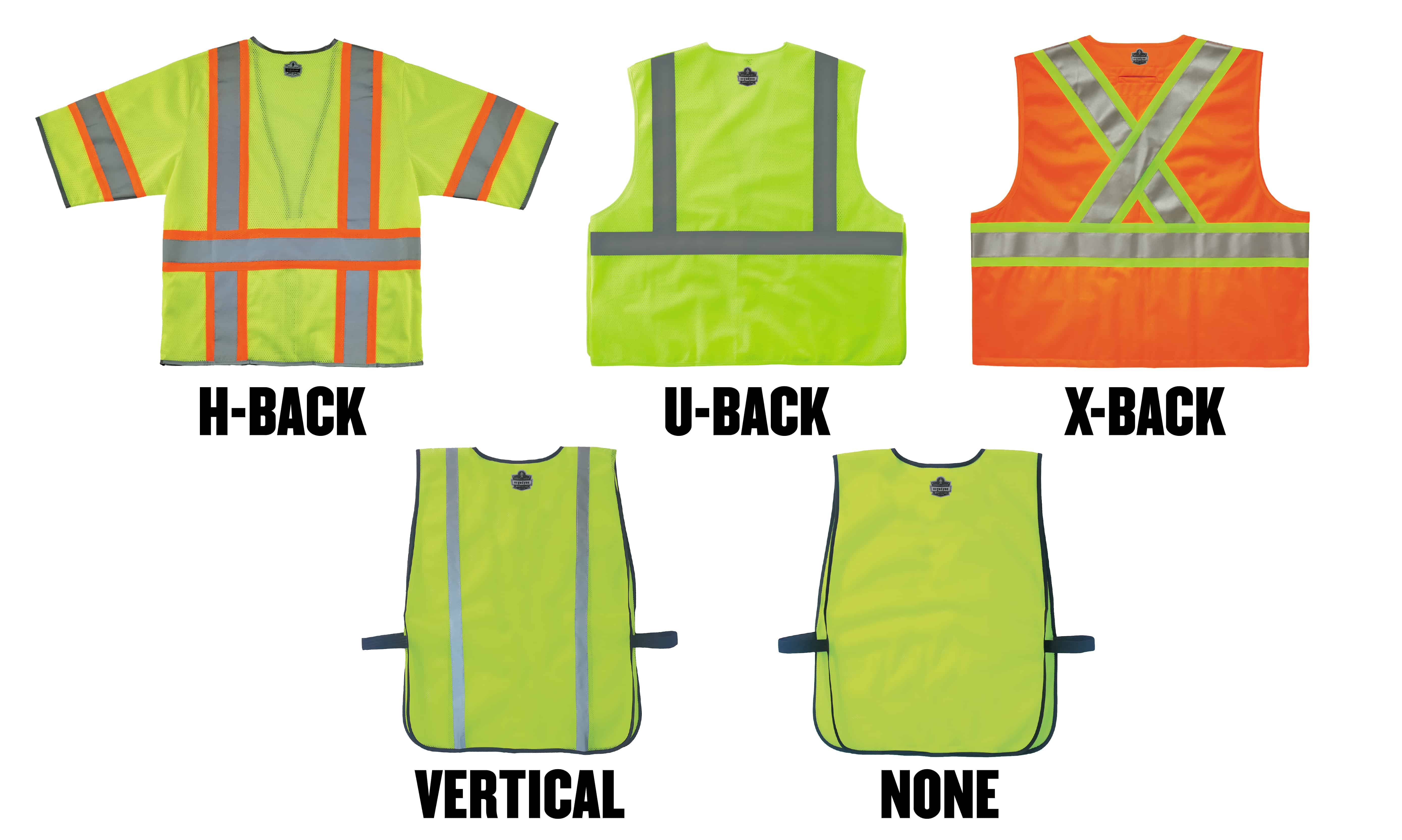
Credit: www.ergodyne.com

Credit: mandosafety.en.made-in-china.com
Frequently Asked Questions
How Often Should I Wash My Safety Vest?
Wash your high-visibility safety vest every two weeks or as needed. Frequent washing helps maintain its brightness and effectiveness. Use mild detergent and cold water to preserve the fabric and reflective strips. Avoid bleach and fabric softeners as they can damage the material and reduce visibility.
Can Safety Vests Be Machine Dried?
It’s best to air dry safety vests to maintain their quality. Machine drying can weaken the fabric and reflective materials. If you must use a dryer, choose a low-heat setting. Hang vests in a well-ventilated area to ensure they dry thoroughly and maintain their reflective properties.
What Detergents Are Safe For Safety Vests?
Use mild detergents without bleach or fabric softeners for washing safety vests. Harsh chemicals can degrade the fabric and reflective strips. Choose a detergent that is gentle on colors to preserve the vest’s visibility. Avoid any additive that could compromise the safety features of the vest.
How Do I Store Safety Vests Properly?
Store safety vests in a cool, dry place away from direct sunlight. Sunlight can fade the fabric and reduce its reflectivity. Hang them on a hanger or fold them neatly to avoid wrinkles. Ensure they are clean and dry before storing to prevent mold or damage.
Conclusion
Maintaining high-visibility safety vests is simple but important. Clean them gently with mild soap and cold water. Avoid bleach or harsh chemicals that can damage the fabric. Dry vests in the shade to keep colors bright. Check for tears or worn spots regularly.
Replace vests that lose reflectivity to stay safe. Proper care helps vests last longer and work better. Safety starts with clear visibility on the job. Keep your vest in good shape every day. It protects you when you need it most.