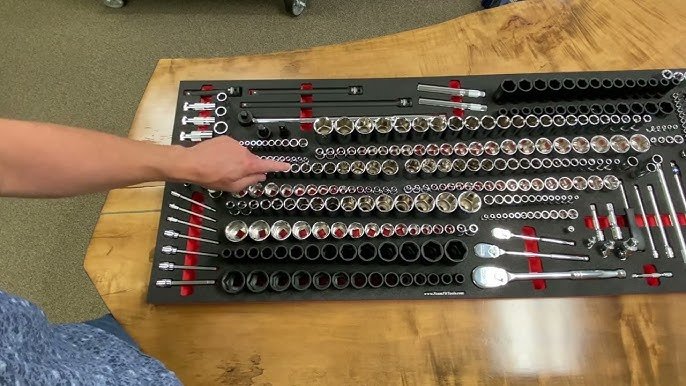
Do you ever find yourself digging through a messy toolbox, hunting for the right socket, only to give up in frustration? If your socket sets are all over the place, it’s time to bring order to the chaos.
Organizing your socket sets not only saves you time but also makes every project smoother and less stressful. In this guide, you’ll discover simple, practical ways to keep your sockets neat and easy to find. Stick with me, and you’ll never waste another minute searching for the right tool again.
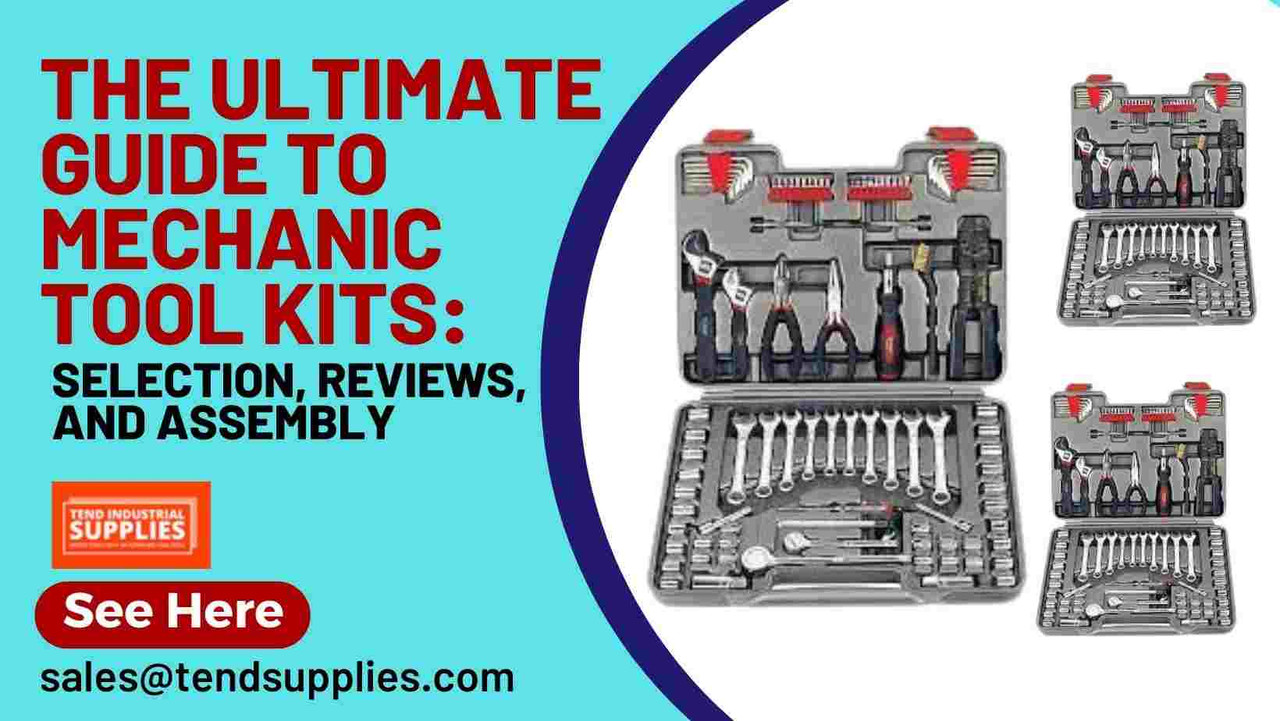
Credit: tendsupplies.com
Choosing The Right Storage
Keeping your socket sets organized helps you work faster. The right storage protects your tools from damage. It also saves space in your workshop.
Picking the best storage depends on your needs. You should think about the types, materials, and size of the organizer.
Types Of Socket Organizers
There are several styles of socket organizers. Each type offers different ways to store and access sockets. Choose one that fits your work style.
- Tray organizers hold sockets in fixed spots for easy viewing.
- Rail organizers use clips to keep sockets in place on a bar.
- Magnetic organizers use magnets to hold sockets securely.
- Portable cases allow you to carry your sockets safely.
Materials And Durability
Socket organizers come in different materials. Some are plastic, while others are metal. The material affects how long the organizer lasts.
Plastic organizers are lightweight and affordable. Metal organizers are stronger and resist damage better. Choose a material that fits your use and budget.
Size And Capacity Considerations
Think about how many sockets you have now and plan for more later. The organizer should hold all your sockets without crowding.
Also, consider the size of the sockets. Some organizers are made for standard sizes only. Pick one that fits your sets comfortably.
- Count your current sockets.
- Check if you might add more sockets.
- Match the organizer size to your socket sizes.
- Ensure the organizer fits your workspace.

Credit: www.amazon.com
Sorting Your Socket Sets
Keeping your socket sets organized saves time and effort. You can find the right tool quickly.
Sorting sockets by clear categories helps you work more efficiently and keeps your workspace neat.
By Size And Drive Type
Sort sockets first by their size, from smallest to largest. Then group them by drive type, like 1/4-inch, 3/8-inch, or 1/2-inch drives.
- Place all 1/4-inch drive sockets together in size order
- Group 3/8-inch drive sockets next by size
- Keep 1/2-inch drive sockets separate and sorted by size
Metric Vs. Standard Sockets
Metric and standard sockets use different measurements. Keep them in separate groups to avoid confusion.
| Socket Type | Measurement Unit | Common Sizes |
|---|---|---|
| Metric | Millimeters (mm) | 8mm, 10mm, 12mm, 14mm |
| Standard | Inches | 1/4″, 3/8″, 1/2″, 9/16″ |
Grouping By Frequency Of Use
Sort sockets by how often you use them. Keep frequent-use sockets easy to reach.
- Put daily-use sockets in the front or top of your toolbox
- Store less-used sockets in a separate box or drawer
- Label storage areas to find sockets faster
Labeling Techniques
Organizing socket sets is easier with clear labels. Labels help you find the right socket quickly.
Good labeling saves time and keeps your workspace tidy. You can use different ways to label your sockets.
Using Tags And Stickers
Tags and stickers are simple tools for labeling sockets. They stick directly to the socket or the storage case.
Write the socket size or type on each tag or sticker. Use a clear marker or printed labels for easy reading.
- Use durable stickers that resist oil and dirt
- Attach tags with small strings or loops
- Place labels where you can see them clearly
Color Coding Systems
Color coding helps you sort sockets by size or type fast. Assign a color to each group of sockets.
Use colored tape, paint, or labels on each socket or drawer. This makes it easy to spot the socket you need.
- Red for small sizes
- Blue for medium sizes
- Green for large sizes
- Yellow for special sockets
Digital Inventory Methods
Digital inventory helps track your socket sets using apps or spreadsheets. This keeps your collection organized and updated.
Enter socket details like size, type, and location in a digital list. Update it when you add or remove sockets.
- Use a simple spreadsheet with columns for size and location
- Try apps designed for tool tracking
- Scan QR codes on sockets for quick info
Maintaining Order Over Time
Keeping your socket sets organized helps you work faster and avoid frustration. It takes regular care to keep everything in its place.
Simple habits can keep your tools neat and ready. This guide shows how to maintain order over time.
Regular Clean-up Routines
Cleaning your socket sets after each use stops dirt from building up. Wipe sockets and trays with a dry cloth.
Put each socket back in its place right after cleaning. This habit keeps your set organized day after day.
- Clear your work area before storing tools
- Use a small brush to remove dust
- Check for loose pieces and return them
Preventing Rust And Damage
Rust can ruin socket sets fast. Keep sockets dry and store them in a cool place.
Use rust-preventive sprays or oils on metal parts. Avoid leaving sockets on damp surfaces.
- Dry sockets completely after use
- Apply light oil coating regularly
- Store sets in sealed containers if possible
Replacing Missing Pieces
Missing sockets slow down your work and cause mess. Check your set often for lost parts.
Replace missing pieces quickly to keep the set complete. Label your set to avoid losing tools.
- Inspect your set after every project
- Order replacement sockets from reliable sources
- Keep spare parts organized separately
Maximizing Workspace Efficiency
Organizing socket sets well helps keep your workspace neat. It saves time and reduces clutter. A tidy workspace improves your focus and speed.
Choosing the right storage and organizing method suits your work style. This guide covers compact storage, organizer types, and customization tips.
Compact Storage Solutions
Compact storage helps you keep socket sets in small spaces. It reduces mess and makes tools easy to find. Use stackable trays or drawer inserts to save space.
- Use foam inserts to keep sockets in place
- Choose stackable trays for vertical storage
- Label each compartment for quick access
- Store sockets by size or type for fast selection
Portable Vs. Fixed Organizers
Choose portable organizers if you move your socket set often. Fixed organizers fit best in a dedicated workspace. Each type has pros and cons to consider.
| Organizer Type | Best For | Key Feature |
| Portable | Work on different sites | Compact and easy to carry |
| Fixed | Home or garage workbench | Stable with more storage space |
Customizing For Your Work Style
Customize your socket set organizer to match how you work. Adjust compartments and layouts based on your most used tools. This makes your tasks smoother.
- Arrange sockets by frequency of use
- Add extra space for new tools
- Use color codes or labels for quick ID
- Keep related tools together in one section
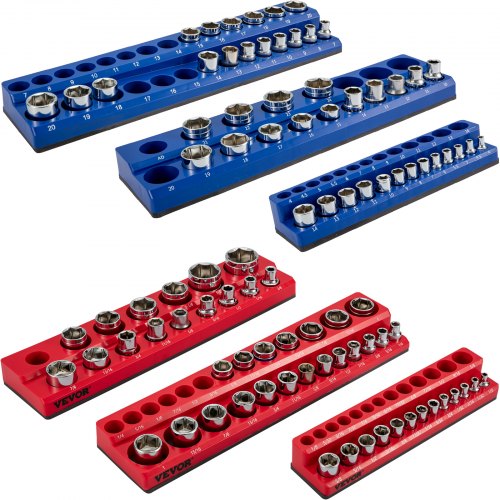
Credit: www.vevor.com
Tools And Accessories For Organization
Keeping your socket sets tidy helps you find tools fast. Good organization saves space and protects your tools.
Use the right holders and storage options to keep everything in place. This guide covers popular tools for organizing socket sets.
Magnetic Holders And Trays
Magnetic holders stick to metal surfaces and keep sockets from rolling away. Magnetic trays catch small parts and screws during work.
They are easy to use and move around your workspace. Magnetic trays come in different sizes to hold many sockets or small tools.
Drawer Inserts And Foam Liners
Drawer inserts and foam liners create custom spaces for each socket. This stops tools from shifting inside drawers and makes them easy to spot.
- Foam liners can be cut to fit exact socket shapes.
- Drawer inserts often have labeled slots for socket sizes.
- Both keep tools protected from damage and loss.
- They help maintain a clean and organized toolbox.
Wall-mounted Storage Options
Wall-mounted racks and pegboards save floor space. They keep socket sets visible and easy to grab.
| Type | Benefits |
| Socket Rails | Hold sockets in size order, easy to remove |
| Pegboards | Flexible arrangement with hooks and holders |
| Magnetic Strips | Quick attach and release of sockets and tools |
Frequently Asked Questions
What Is The Best Way To Organize Socket Sets?
The best way is to sort by size and type in a labeled case. Use foam inserts or magnetic trays to keep sockets secure and easy to find.
How Do I Prevent Socket Sets From Getting Lost?
Store sockets in dedicated trays or organizers with clear labels. Keep the set in a consistent, easy-to-access location to avoid misplacement.
Can I Organize Socket Sets By Brand Or Size?
Yes, organizing by size is most practical, but brand separation helps if you use multiple brands. Label compartments clearly for quick identification.
What Tools Help In Organizing Socket Sets Efficiently?
Use socket organizers, foam trays, magnetic holders, or drawer inserts. These tools keep sockets neat, secure, and accessible, improving workflow.
Conclusion
Organizing socket sets makes your workbench tidy and efficient. Everything in its place saves time. You find the right socket quickly. No more searching through messy piles. A well-organized set boosts productivity. It also reduces frustration. Clear labeling helps identify sizes easily.
Store sockets in a dedicated drawer or rack. Keep them clean and rust-free for longer life. Regularly check and maintain your set. This ensures they’re always ready for use. A little organization goes a long way. Enjoy a smoother workflow and happier workbench.