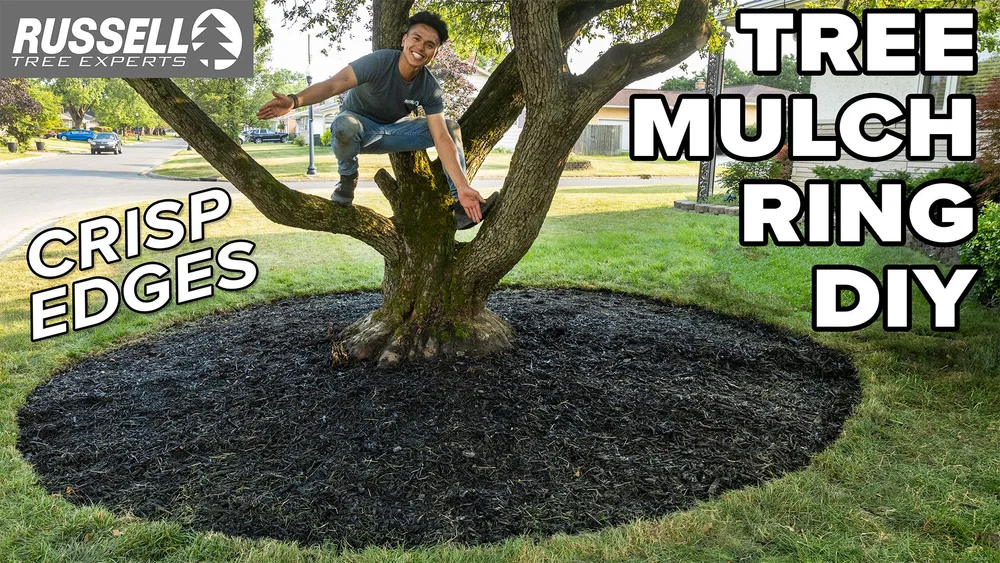
Mulching around your trees might seem simple, but doing it the right way can make a huge difference in their health and growth. If you want your trees to thrive, protect their roots, and save time on watering and weeding, this guide is for you.
You’ll learn easy steps to mulch correctly and avoid common mistakes that could harm your trees. Keep reading, and you’ll discover how a little effort now can lead to stronger, healthier trees for years to come.
Benefits Of Mulching Trees
Mulching around trees helps keep them healthy and strong. It protects the roots and improves the soil.
This simple practice supports tree growth and saves water. It also reduces weeds and controls temperature.
Improving Soil Moisture
Mulch keeps soil moist by slowing water evaporation. This means trees need less watering. Moist soil also helps roots absorb nutrients better.
Weed Control
Mulch blocks sunlight from reaching weed seeds. This stops many weeds from growing near the tree. Less weeds means less competition for water and nutrients.
- Reduces weed growth naturally
- Limits the use of herbicides
- Protects tree roots from damage
- Keeps the area clean and tidy
Temperature Regulation
Mulch acts like a blanket for the soil. It keeps the soil cool in summer and warm in winter. This protects roots from extreme temperatures.
Enhancing Soil Nutrients
| Mulch Type | Benefits to Soil |
|---|---|
| Wood chips | Break down slowly, add organic matter |
| Leaves | Decompose quickly, enrich soil nutrients |
| Grass clippings | Provide nitrogen, improve soil fertility |
| Bark mulch | Enhances soil structure, retains moisture |
As mulch decomposes, it feeds the soil with nutrients. This helps trees grow strong and healthy.

Credit: texastrees.org
Choosing The Right Mulch
Mulching around trees helps keep soil moist and healthy. Picking the best mulch protects roots and improves tree growth.
This guide explains key points to help you select the right mulch for your trees.
Organic Vs Inorganic Mulch
Organic mulch comes from natural materials. It breaks down and adds nutrients to the soil. Inorganic mulch does not decompose and lasts longer. It mainly controls weeds and soil temperature.
Choose organic mulch if you want to improve soil health. Pick inorganic mulch for low maintenance and weed control.
Popular Mulch Types
- Wood chips:Organic, slow to break down, good for moisture.
- Bark mulch:Organic, looks neat, protects soil well.
- Straw:Organic, light and easy to spread, adds nutrients.
- Gravel:Inorganic, controls weeds, does not improve soil.
- Rubber mulch:Inorganic, long-lasting, good for weed control.
Factors To Consider
| Factor | Why It Matters | Tip |
| Tree Type | Some trees need more nutrients from mulch. | Use organic mulch for nutrient-loving trees. |
| Climate | Hot areas need mulch that keeps soil cool. | Choose mulch that retains moisture well. |
| Maintenance | Some mulches need replacing more often. | Pick long-lasting mulch if you want less work. |
| Appearance | Mulch affects how your garden looks. | Pick mulch color and texture you like. |
| Cost | Some mulches cost more than others. | Balance price with benefits and durability. |
Preparing The Area
Mulching around trees helps keep them healthy and saves water. Before adding mulch, prepare the area well. This step makes sure the mulch works its best.
Preparing the area includes clearing debris, checking the tree’s health, and deciding how deep the mulch should be. These parts keep the tree safe and happy.
Clearing Debris
Remove leaves, grass, and sticks from around the tree base. This cleaning stops pests and diseases from hiding under the mulch.
Clear a circle at least 3 feet wide around the tree trunk. Avoid damaging roots or the trunk while cleaning.
- Pick up fallen leaves and twigs
- Pull out weeds and grass
- Check for old mulch and remove it
- Keep the area dry and clean
Assessing Tree Health
Look at the tree for signs of damage or disease before mulching. Healthy trees absorb mulch benefits better.
Check the leaves, branches, and trunk for spots, cracks, or pests. If you see problems, treat the tree first.
- Inspect leaves for discoloration or holes
- Look for broken or dead branches
- Check the trunk for cracks or wounds
- Note any insects or fungus on the tree
Determining Mulch Depth
Decide how thick the mulch layer should be. Too much mulch can harm roots, too little may not help enough.
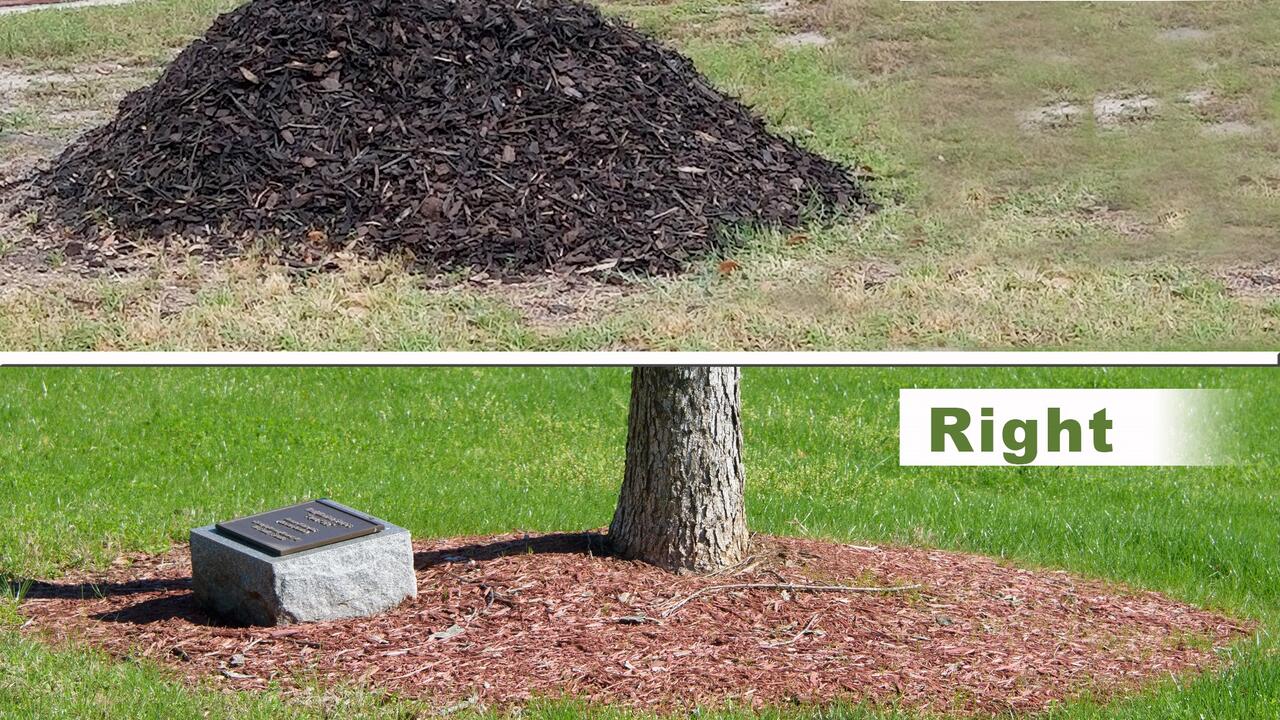
A good mulch depth is usually 2 to 4 inches. Spread mulch evenly and keep it away from the trunk by a few inches.
- Use 2 to 4 inches of mulch
- Keep mulch 3 to 6 inches from the trunk
- Check mulch yearly and add more if thin
- Do not pile mulch against the tree trunk
Credit: extension.msstate.edu
Mulching Techniques
Mulching around trees helps keep soil moist and healthy. It also protects roots and stops weeds from growing.
Using the right mulching methods supports tree growth and avoids common problems.
Proper Mulch Placement
Place mulch in a wide ring around the tree. Keep mulch away from the trunk to prevent rot.
Spread mulch evenly, about 2 to 4 inches deep. Too thin or too thick layers do not work well.
- Leave 3 to 6 inches of space from the trunk
- Extend mulch at least 2 feet wide
- Keep mulch level with the soil surface
Avoiding Mulch Volcanoes
Mulch volcanoes happen when mulch piles up against the tree trunk. This causes moisture and pests.
Remove excess mulch that touches or covers the trunk. This helps the tree breathe and stay healthy.
- Do not pile mulch higher than the root flare
- Keep mulch away from the trunk’s base
- Check mulch levels regularly and adjust
Layering Tips
Use organic mulch like wood chips or bark. Apply mulch in thin layers to build up over time.
Break up old mulch before adding new layers. This keeps the soil healthy and improves water flow.
- Start with a thin layer of mulch
- Add more mulch yearly to maintain depth
- Mix or fluff mulch to prevent compaction
Maintaining Mulch Around Trees
Mulching helps trees stay healthy by keeping soil moist and cool. It also stops weeds from growing near the tree.
To keep the mulch working well, you need to take care of it regularly. This guide shows how to maintain mulch around trees.
Replenishing Mulch
Mulch breaks down over time and becomes thin. Adding new mulch keeps the tree protected and the soil healthy.
- Check mulch depth every few months.
- Keep mulch about 2 to 4 inches deep.
- Remove old, compacted mulch before adding new.
- Spread mulch evenly around the tree base.
- Avoid piling mulch against the tree trunk.
Monitoring Moisture Levels
Mulch helps keep soil moist, but you still need to watch moisture levels. Too much or too little water harms the tree.
| Soil Condition | Action Needed |
| Dry soil below mulch | Water the tree deeply |
| Wet or soggy soil | Reduce watering and check drainage |
| Moist but not wet | No action needed |
Preventing Pest Issues
Mulch can attract pests if not cared for. Keep mulch clean to stop insects and rodents from damaging the tree.
- Keep mulch at least 6 inches away from the trunk.
- Do not let mulch stay wet for long periods.
- Remove fallen leaves and debris from mulch regularly.
- Inspect mulch for signs of insects or rodents monthly.
Common Mulching Mistakes
Mulching around trees helps keep soil moist and healthy. People often make simple mistakes when mulching.
These mistakes can harm the tree instead of helping it grow. Learn what to avoid when mulching.
Over Mulching
Putting too much mulch around a tree can cause problems. Thick layers stop air and water from reaching the roots.
Excess mulch can hold too much moisture. This causes root rot and invites pests.
- Use 2 to 4 inches of mulch only
- Keep mulch layer thin near the tree base
- Remove old mulch before adding new
Mulching Too Close To Trunk
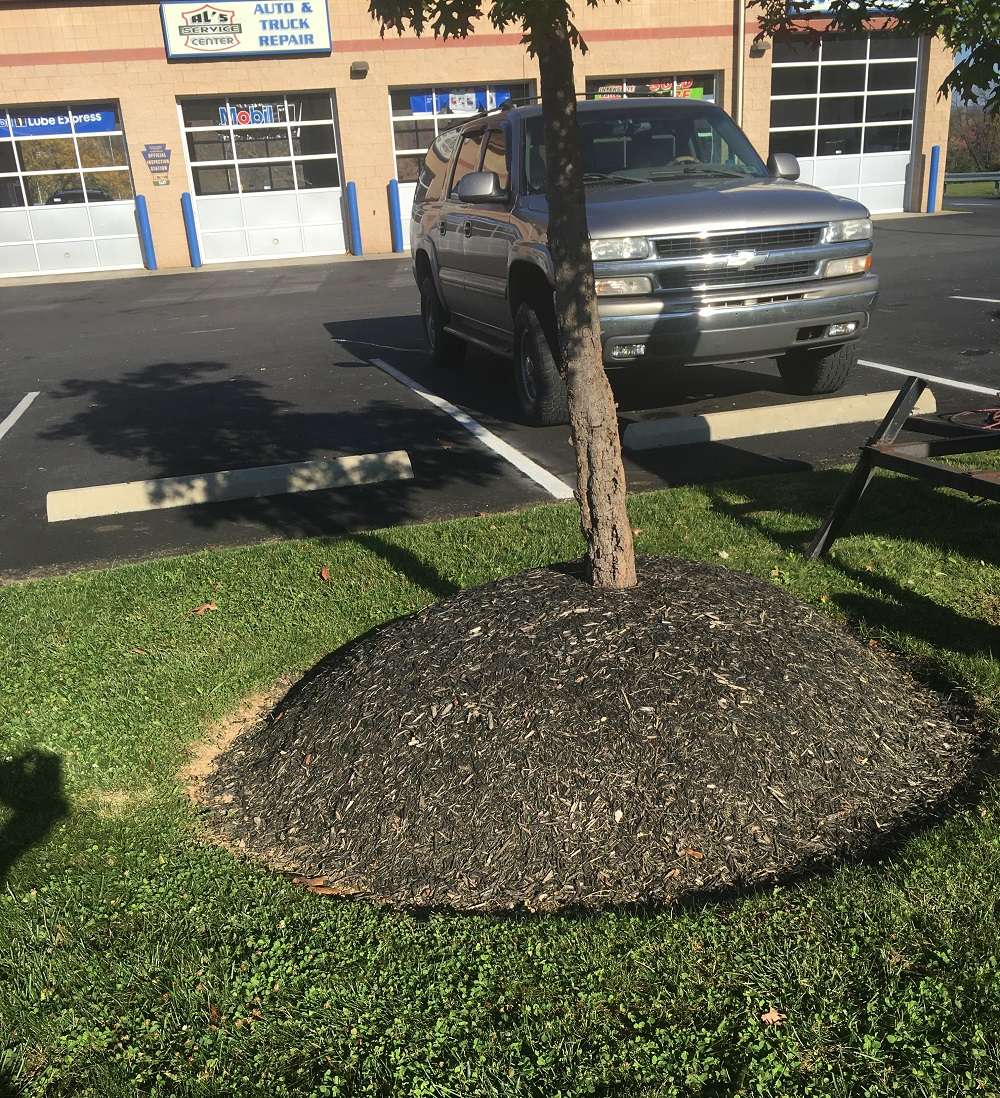
Mulch piled against the tree trunk traps moisture there. This can cause bark to rot and attract insects.
Keep mulch a few inches away from the trunk. This lets air flow and keeps the trunk dry.
- Leave 2 to 4 inches of space from trunk
- Create a donut shape with mulch
- Avoid mulch volcanoes around trees
Using The Wrong Mulch Type
Not all mulches are good for trees. Some types can harm the tree or soil.
Fresh wood chips can take nitrogen from soil. Certain mulches may carry pests or diseases.
- Use shredded bark or composted mulch
- Avoid fresh sawdust or leaves
- Check mulch is free of pests and weed seeds
Credit: www.kingstownelawn.com
Frequently Asked Questions
What Is The Best Mulch For Trees?
Organic mulches like wood chips, bark, and compost are best. They retain moisture, regulate temperature, and improve soil health around trees.
How Thick Should Mulch Be Around Trees?
Apply mulch in a 2-4 inch layer. Too thick can suffocate roots, while too thin won’t retain moisture effectively.
How Far From The Trunk Should Mulch Be Placed?
Keep mulch 2-4 inches away from the tree trunk. This prevents moisture buildup and reduces the risk of rot and pests.
When Is The Best Time To Mulch Trees?
Spring or fall is ideal for mulching. These seasons help retain soil moisture and protect roots during temperature changes.
Conclusion
Mulching around trees benefits your garden in many ways. It conserves moisture, controls weeds, and enhances soil health. Choose the right mulch type for your trees. Organic options like wood chips or bark work well. Apply mulch evenly around the tree base.
Keep it away from the trunk. Too much mulch can harm trees. Regularly check and refresh the mulch layer. Your trees will thrive with proper care. Happy gardening!