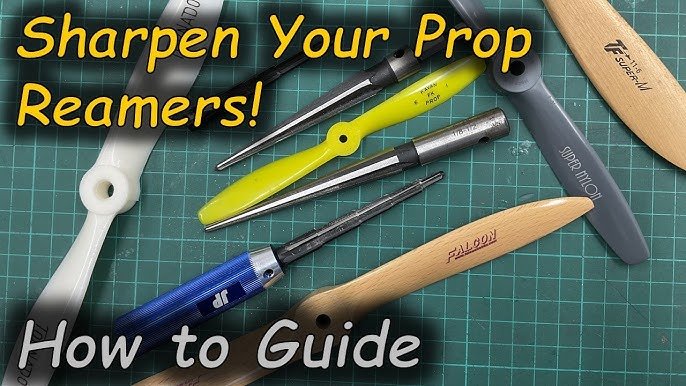
Are your screwdrivers not gripping screws like they used to? A dull screwdriver can make simple tasks frustrating and slow you down.
But don’t worry—you can fix this quickly and easily. You’ll discover practical tips for sharpening your screwdrivers efficiently. These simple methods will save you time, improve your work quality, and keep your tools ready for any job. Keep reading to learn how to get your screwdrivers back in perfect shape!
Choosing The Right Tools
Using the right tools makes sharpening screwdrivers easier and safer. It helps keep the tool’s shape and extends its life.
Before sharpening, know the type of screwdriver you have. This guides you in picking the correct sharpening method and tools.
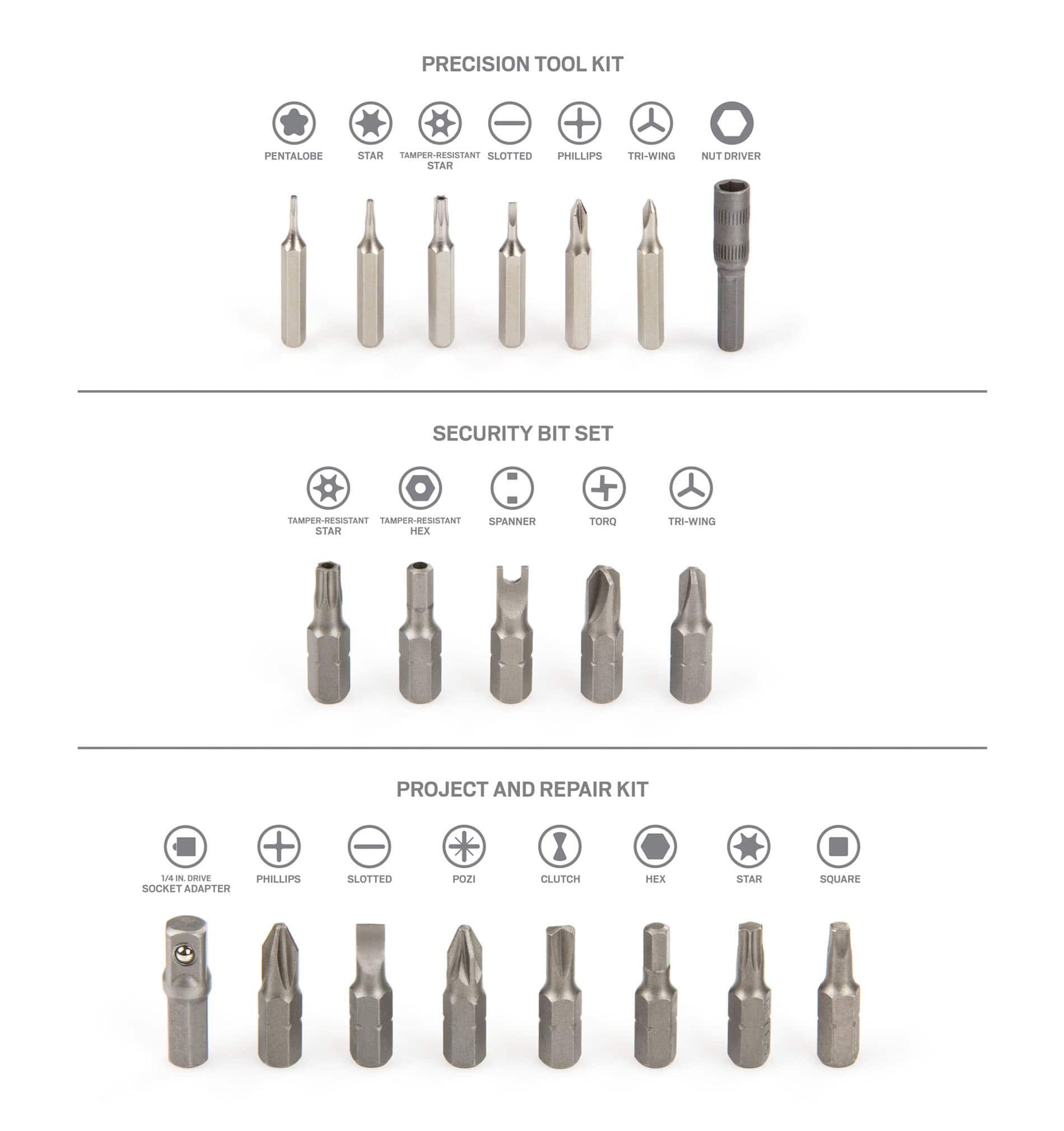
Types Of Screwdrivers
Screwdrivers come in many shapes and sizes. Each type needs a specific sharpening approach to keep the tip fitting well into screws.
- Flathead: Has a flat blade and fits straight slots.
- Phillips: Features a cross-shaped tip for better grip.
- Torx: Star-shaped tip used for high torque screws.
- Hex: Six-sided tip that fits hexagonal screws.
- Pozidriv: Similar to Phillips but with extra lines for grip.
Essential Sharpening Tools
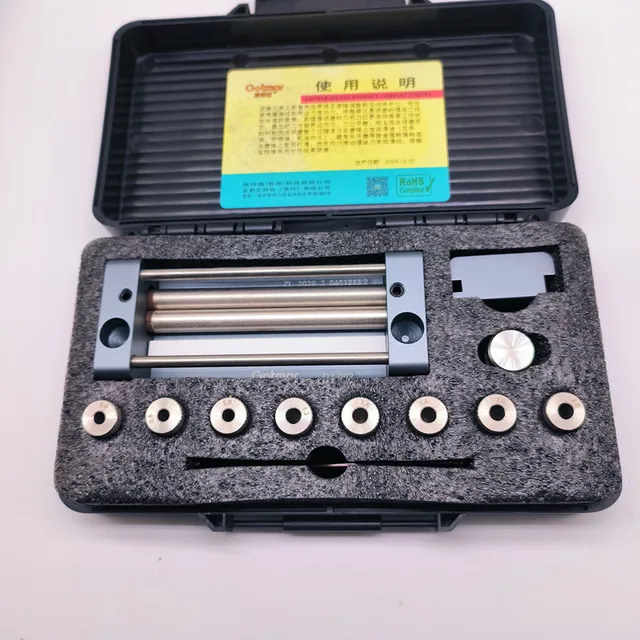
Choosing good sharpening tools helps you work faster and get better results. Some tools are better for certain types of screwdriver tips.
| Tool | Use | Best For |
| Flat File | Sharpen flat edges | Flathead screwdrivers |
| Triangular File | Sharpen pointed or angled tips | Phillips, Pozidriv |
| Diamond File | Fine sharpening and polishing | All screwdriver types |
| Sharpening Stone | Smooth and sharpen blades | Flathead and Hex |
| Bench Grinder | Quick reshaping of tips | Strong steel screwdrivers |
Preparing For Sharpening
Sharpening screwdrivers makes them work better and last longer. Proper preparation helps you sharpen safely and correctly.
Before sharpening, take time to get ready. This saves time and keeps you safe.
Safety Precautions
Safety is important when sharpening screwdrivers. Sharp tools and grinding machines can cause injuries.
Wear protective gear and work in a safe place to avoid accidents.
- Use safety glasses to protect your eyes
- Wear gloves to protect your hands
- Keep your workspace clean and well-lit
- Secure the screwdriver firmly before sharpening
- Work slowly and do not rush the process
Cleaning The Screwdriver
Cleaning the screwdriver removes dirt and rust. This helps sharpen the blade evenly.
Use simple tools to clean the screwdriver before you start.
- Wipe the blade with a dry cloth
- Use a wire brush to remove rust
- Apply a small amount of oil to loosen stuck dirt
- Dry the screwdriver completely before sharpening
Sharpening Techniques
Screwdrivers lose their sharpness after long use. Keeping them sharp helps you work faster and safer.
There are different ways to sharpen screwdrivers. Some use hand tools while others use power tools.
Manual Sharpening Methods
Manual sharpening uses simple tools like files and sharpening stones. It needs patience and care.
Use a flat file to shape the screwdriver tip. Move the file in one direction to avoid damage.
- Hold the screwdriver firmly
- File the edges gently
- Check the tip often
- Stop when the edges are even and sharp
Using Power Tools
Power tools like bench grinders make sharpening faster. Use them carefully to avoid overheating.
Keep the screwdriver moving on the grinder. Do not press too hard to protect the metal.
- Wear safety glasses
- Use a slow speed setting
- Cool the screwdriver in water often
- Check the tip shape regularly
Maintaining The Correct Angle
The angle of the screwdriver tip affects how well it fits screws. Keep the right angle to work better.
Most flathead screwdrivers need an angle between 20 and 30 degrees. Use a guide or protractor if needed.
- Hold the tool steady
- File evenly on both sides
- Keep the angle consistent
- Test the screwdriver on a screw
,aspect=fit)
Credit: www.justdial.com
Testing Sharpness
Testing screwdriver sharpness ensures the tool works well and lasts longer. Sharp screwdrivers grip screws better and reduce slippage.
Use simple checks to see if the screwdriver tip is sharp and ready for use. Two main ways are visual inspection and functional tests.
Visual Inspection
Look closely at the screwdriver tip to spot any damage or dullness. A sharp tip has clean, defined edges and no chips or bends.
- Check for rounded or worn edges
- Look for cracks or chips on the tip
- Ensure the tip shape matches the screw head type
- Use a magnifying glass for a detailed view
Functional Tests
Test the screwdriver by using it on different screws to see how well it grips and turns them. Poor grip may mean the tip is too dull.
| Test | What to Look For | Result Meaning |
| Grip on screw | Screwdriver fits tightly without slipping | Sharp tip |
| Ease of turning | Screw turns smoothly with steady force | Good sharpness |
| Slippage | Screwdriver slips or damages screw head | Dull or worn tip |
| Visual wear after use | Tip remains intact without new damage | Properly sharpened |
Maintaining Screwdrivers Post-sharpening
After sharpening screwdrivers, proper care keeps them sharp and safe. Good maintenance helps the tools last longer.
Simple habits can protect the edges and handles from damage. Follow these tips to keep your screwdrivers in top shape.
Proper Storage
Store screwdrivers in a dry place to avoid rust. Use tool racks or boxes to keep them organized and prevent damage.
- Keep screwdrivers in a tool roll or case
- Separate them by size and type
- Use magnetic strips to hold metal tools safely
- Avoid placing heavy objects on screwdriver tips
- Clean tools before storing to remove dirt and moisture
Regular Maintenance Tips
Check your screwdrivers often for wear or damage. Clean and oil metal parts to stop rust and ensure smooth use.
| Maintenance Task | Frequency | Details |
| Clean screwdriver tips | After each use | Wipe with a dry cloth to remove dirt |
| Inspect handles | Weekly | Look for cracks or loose parts |
| Apply light oil | Monthly | Protect metal from rust and corrosion |
| Sharpen edges | As needed | Use a proper sharpening tool to restore tips |
Credit: www.aliexpress.com
Common Mistakes To Avoid
Sharpening screwdrivers can extend their life and improve performance. Many people make errors that reduce the tool’s effectiveness.
Avoiding common mistakes helps keep screwdrivers sharp and safe to use. Read on to learn what to watch out for.
Using The Wrong Sharpening Tool
Not all sharpening tools are fit for screwdrivers. Using the wrong tool can damage the blade or tip.
Choose a sharpening stone or file designed for metal tools. Avoid rough grinders unless they have fine settings.
Sharpening At Incorrect Angles
Holding the screwdriver at the wrong angle wastes effort and can ruin the tip shape.
- Find the original bevel angle of the tip.
- Keep the tool steady and consistent while sharpening.
- Avoid changing angles mid-process.
Applying Too Much Pressure
Pressing too hard wears out the metal quickly and creates uneven edges.
Use gentle, even strokes to remove small amounts of metal. Let the sharpening tool do the work.
Neglecting To Clean The Screwdriver
Dirt, rust, and grease reduce sharpening quality. They can clog the sharpening surface.
| Cleaning Step | Purpose |
| Remove rust with wire brush | Clear corrosion |
| Wipe off grease with cloth | Prevent slipping |
| Use mild soap and water | Clean dirt |
Ignoring Safety Precautions
Sharpening tools can cause injury if mishandled. Follow these safety tips:
- Wear safety goggles to protect eyes.
- Use gloves to avoid cuts.
- Keep fingers away from sharpening surface.
- Work in a well-lit area.
Credit: www.golfinfluence.com
Frequently Asked Questions
How Often Should Screwdrivers Be Sharpened?
Screwdrivers should be sharpened when their tips become dull or rounded. Regular use wears down edges, reducing grip and efficiency. Inspect tips frequently, and sharpen as needed to maintain optimal performance and prevent damage to screws and work surfaces.
What Tools Are Best For Sharpening Screwdrivers?
A fine-grit sharpening stone or a diamond file works best for screwdrivers. These tools provide control and precision. Avoid coarse grinders that can overheat and damage the metal. Always sharpen at the correct angle to maintain the original tip shape.
Can Sharpening Screwdrivers Improve Their Lifespan?
Yes, sharpening screwdrivers extends their lifespan by restoring tip sharpness. This prevents slipping and reduces wear on both the tool and screws. Proper maintenance keeps the screwdriver effective and safe, saving money on replacements over time.
How To Sharpen A Flathead Screwdriver Efficiently?
Hold the screwdriver at a 45-degree angle to the sharpening tool. Move the tip back and forth evenly on the stone or file. Check frequently to avoid over-sharpening. Finish by smoothing edges to prevent chipping during use.
Conclusion
Sharpening screwdrivers can be quick and easy. Use the right tools. Keep your workspace clean for safety. Regular maintenance prevents wear and extends tool life. Practice makes perfect. Over time, sharpening becomes second nature. Always ensure your screwdrivers are ready for any task.
A sharp tool saves time and effort. Enjoy the satisfaction of a job well done. With these tips, your screwdrivers will stay sharp. Ready for any project or repair. Keep them in good condition. It’s worth the effort. Happy sharpening!