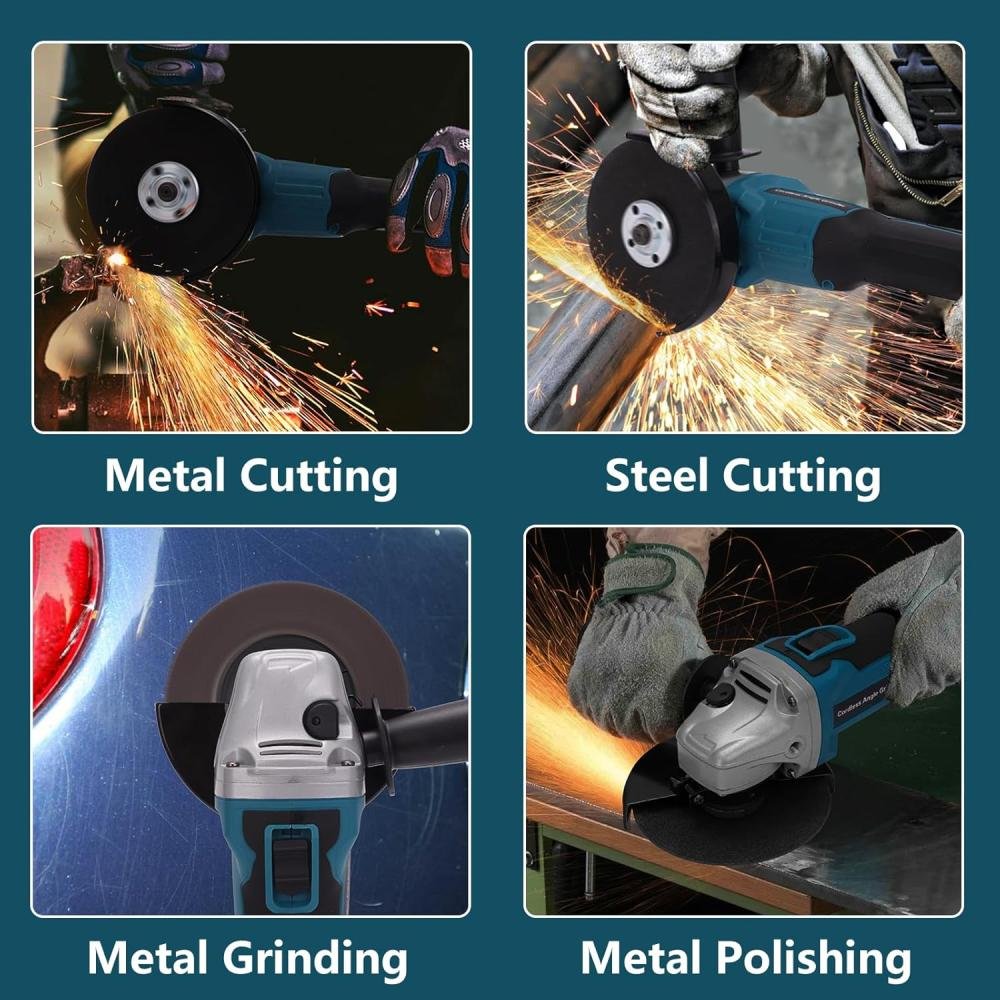
If you need to cut metal quickly and precisely, mastering how to operate an angle grinder is a skill you can’t afford to miss. Whether you’re working on a DIY project or tackling a professional job, using an angle grinder safely and effectively can save you time and frustration.
In this guide, you’ll discover simple, step-by-step instructions to handle your angle grinder like a pro. By the end, you’ll feel confident and ready to make clean, accurate cuts every time. Keep reading to unlock the secrets of metal cutting with an angle grinder and avoid common mistakes that could cost you.
Choosing The Right Angle Grinder
Using an angle grinder for metal cutting requires picking the right tool. The correct grinder improves safety and cutting quality.
There are many types of grinders and discs. Knowing what fits your job helps you work better and faster.
Types Of Angle Grinders
Angle grinders come in different types based on power source and size. Choose one that fits your metal cutting needs.
Electric grinders are common for home and workshop use. Cordless grinders offer more mobility but less runtime.
- Electric (corded): continuous power, good for long jobs
- Cordless (battery-powered): portable, best for quick tasks
- Pneumatic (air-powered): used in heavy industry, needs air compressor
Selecting Suitable Discs
Discs are key to cutting metal safely and cleanly. Pick discs designed for metal cutting, not grinding or polishing.
Look for discs with the right diameter and thickness. Thin discs cut faster but wear out quicker.
- Cut-off discs: thin, made for cutting metal
- Grinding discs: thicker, used for shaping metal
- Flap discs: for smoothing edges after cutting
Power And Size Considerations
Choose an angle grinder with enough power to cut metal smoothly. More power means faster and easier cutting.
Size matters for control and access. Smaller grinders work well in tight spaces. Larger grinders handle bigger jobs.
| Grinder Size | Disc Diameter | Best For |
|---|---|---|
| Small | 4 to 5 inches | Light cutting, tight spots |
| Medium | 6 to 7 inches | General metal cutting |
| Large | 9 to 12 inches | Heavy-duty cutting |
Essential Safety Gear
Using an angle grinder for metal cutting needs careful attention to safety. Wearing the right gear protects you from sparks and flying debris.
This guide covers the key safety equipment to wear before operating an angle grinder.
Protective Clothing
Wear clothes that cover your skin fully to guard against sparks and metal shards. Avoid loose clothing that can catch on the grinder.
- Long-sleeve shirts made from thick cotton or leather
- Durable work pants that cover the legs
- Leather aprons to protect the torso
- Sturdy boots to shield your feet
Eye And Ear Protection
Protect your eyes and ears from harm caused by noise and flying particles. Use safety gear designed for harsh work conditions.
| Safety Gear | Purpose |
| Safety Goggles | Prevent metal shards and sparks from hitting eyes |
| Face Shield | Extra protection for face and eyes from debris |
| Ear Plugs or Earmuffs | Reduce loud noise from the grinder to protect hearing |
Gloves And Respiratory Masks
Wear gloves to protect your hands from cuts and heat. Use a mask to avoid breathing in dust and fumes.
- Leather gloves with a good grip
- Respiratory masks rated for dust and fumes
- Ensure gloves fit well and mask seals properly
Preparing The Work Area
Before using an angle grinder for metal cutting, set up your work area carefully. A safe space helps you work better and avoid accidents.
Focus on clearing hazards, securing the metal, and making sure the lighting is good. These steps keep you safe and improve your cutting accuracy.
Clearing Hazards
Remove any objects that can get in your way or catch fire. Check the floor and workbench for clutter or loose items.
- Clear away tools and scrap metal
- Keep flammable materials far from the grinder
- Ensure cords are not tangled or in your path
- Wear proper safety gear like gloves and goggles
Securing The Metal
Hold the metal firmly before cutting. Moving metal can cause the blade to slip and cause injury.
| Method | Description |
|---|---|
| Clamps | Use clamps to attach the metal piece to a stable surface. |
| Vise | A bench vise holds small or irregular pieces tight and steady. |
| Workbench | Place metal flat on a sturdy workbench to prevent wobbling. |
Ensuring Proper Lighting
Good lighting helps you see the cut line clearly and avoid mistakes. Check for shadows and dark spots in your work area.
Tips for better lighting:
- Use bright LED work lights focused on the cutting area.
- Position lights to avoid glare on the metal surface.
- Keep the workspace free of dust to maintain light clarity.
Setting Up The Angle Grinder
Before cutting metal with an angle grinder, you must set it up properly. This ensures safety and effective work.
Follow these steps to prepare your angle grinder for metal cutting tasks.
Installing The Cutting Disc
Choose the right cutting disc for metal. Make sure the disc fits the grinder’s spindle.
- Unplug the grinder to avoid accidents.
- Remove the old disc using the wrench.
- Place the new cutting disc on the spindle.
- Tighten the disc with the wrench securely.
- Check the disc for any cracks or damage before use.
Checking The Guard
The guard protects you from sparks and debris. Always check it before starting work.
| Guard Feature | What to Check |
|---|---|
| Position | Make sure the guard covers the disc properly |
| Attachment | Check that the guard is firmly attached and does not move |
| Damage | Inspect for cracks or bends that can cause hazards |
Adjusting The Handle
The handle helps you control the grinder. Adjust it to suit your grip and cutting angle.
Follow these tips for handle adjustment:
- Loosen the handle screw or bolt.
- Rotate the handle to a comfortable angle.
- Tighten the screw or bolt firmly to secure the handle.
- Hold the grinder with both hands before cutting.
Cutting Techniques For Metal
Using an angle grinder to cut metal requires careful technique. Proper handling helps make clean cuts and keeps you safe.
Focus on marking, angle control, and pressure to get the best results with your tool.
Marking The Cut Line
Start by clearly marking where you want to cut on the metal. Use a permanent marker or scribe tool for accuracy.
A clear line guides your cut and reduces mistakes. Double-check the line before you begin cutting.
Maintaining Correct Angle
Hold the angle grinder so the cutting disc meets the metal at about 90 degrees. This angle gives the cleanest cut.
Keep the tool steady and avoid tilting it. Tilting can cause uneven cuts or damage the disc.
- Use both hands for better control
- Keep your body balanced
- Check the angle regularly while cutting
Applying Steady Pressure
Press the grinder lightly against the metal. Let the disc do the cutting without forcing it.
Apply steady, even pressure. Too much force can wear the disc quickly or cause kickback.
- Start the cut slowly to create a groove
- Maintain a smooth motion along the cut line
- Pause if the tool overheats or stalls

Credit: www.protoolreviews.com
Handling Common Challenges
Using an angle grinder for metal cutting can be tough. Sparks, debris, and heat can cause problems. Knowing how to handle these challenges helps you work safely and well.
This guide covers three common issues you may face. Each section gives tips to keep you safe and avoid damage.
Dealing With Sparks And Debris
Sparks and debris fly off when cutting metal. They can hurt your eyes or start fires. Protect yourself and your work area.
- Wear safety goggles and a face shield
- Use gloves and long sleeves to protect skin
- Clear the area of flammable materials
- Work in a well-ventilated space
- Keep a fire extinguisher nearby
Preventing Disc Jamming
Disc jamming happens when the grinder blade gets stuck. This can cause kickback and injury. Use the right methods to avoid it.
| Cause | Prevention |
| Cutting too fast | Apply steady pressure |
| Incorrect angle | Hold grinder at 15-30 degrees |
| Using worn discs | Replace discs regularly |
| Poorly secured metal | Clamp workpiece firmly |
Managing Heat Build-up
Cutting metal creates heat. Too much heat can damage the disc and metal. Here are ways to manage heat while cutting.
- Take breaks to let the disc cool down
- Use a cutting disc designed for metal
- Keep the disc moving to avoid staying in one spot
- Use water spray to cool if safe and allowed
Maintenance Tips For Longevity
Proper maintenance keeps your angle grinder working well. It helps avoid costly repairs. This guide covers simple care steps.
Follow these tips to extend the life of your grinder and ensure safe operation every time.
Cleaning The Grinder
Clean your angle grinder after each use. Dirt and dust can cause damage. Use a soft brush to remove debris from vents and moving parts.
Wipe the tool with a dry cloth. Avoid using water or harsh chemicals. Keep the grinder dry to prevent rust and electrical issues.
Inspecting And Replacing Discs
Check discs before every use. Look for cracks, chips, or wear. Using damaged discs is dangerous and can harm the tool.
- Remove the disc from the grinder
- Inspect the disc for any cracks or damage
- Replace the disc if you find defects
- Use only discs that fit your grinder model
- Tighten the disc securely before use
Storing Equipment Safely
Store your angle grinder in a dry, cool place. Avoid damp areas that cause rust. Keep it away from children and pets.
| Storage Tip | Reason |
| Use a case or toolbox | Protects from dust and damage |
| Keep away from moisture | Prevents rust and electrical faults |
| Store unplugged | Prevents accidental start-up |
| Place in low-traffic area | Reduces risk of falling or impact |

Credit: www.motortrend.com

Credit: www.familyhandyman.com
Frequently Asked Questions
What Safety Gear Is Needed For Angle Grinder Use?
Wear safety goggles, gloves, ear protection, and a dust mask. These protect against sparks, debris, and loud noise during metal cutting with an angle grinder.
How Do I Choose The Right Cutting Disc?
Select a disc rated for metal cutting. Match the disc size to your grinder and ensure it suits the specific metal type you are cutting.
What Is The Correct Angle For Metal Cutting?
Hold the angle grinder at a 15 to 30-degree angle. This ensures efficient cutting without overheating or damaging the metal surface.
Can I Use An Angle Grinder On All Metals?
Yes, but use appropriate discs for different metals. Steel, aluminum, and other metals require specific cutting wheels for best results.
Conclusion
Operating an angle grinder for metal cutting is straightforward. Always prioritize safety. Wear goggles and gloves. Understand the tool’s features. Use the right blade for metal. Start with a firm grip. Steady movements ensure a clean cut. Keep the workspace clear.
Maintain the grinder regularly for best results. Practice builds confidence. Stay focused during operation. These tips lead to successful metal cutting. With patience, your skills will improve. Enjoy the process and stay safe!