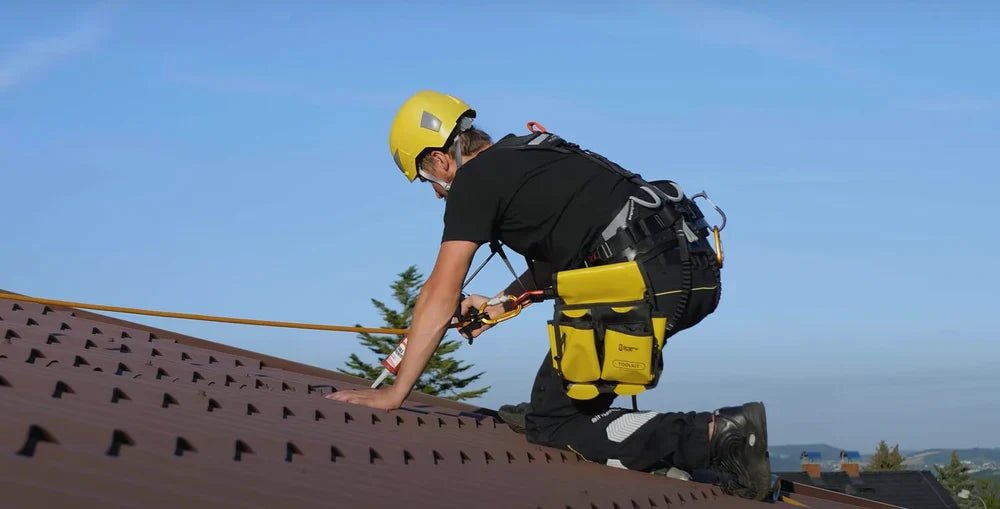
Working on a roof can be risky, but your safety doesn’t have to be. If you want to protect yourself while getting the job done, using a safety harness is a must.
This guide will show you exactly how to choose, wear, and use a safety harness the right way. By the time you finish reading, you’ll feel confident and ready to work safely at heights. Don’t take chances with your life—learn how a simple piece of equipment can make all the difference.
Keep reading to discover the essential steps that could save you from serious injury.
Credit: www.falltech.com
Choosing The Right Harness
Using a safety harness on a roof keeps workers safe from falls. Choosing the correct harness is very important. The right harness fits well and suits the job.
There are different types of harnesses. You should also think about the material and comfort. This guide helps you pick the best one for roofing work.
Types Of Safety Harnesses
Safety harnesses come in many styles. Each style fits different needs. Some hold your body tightly. Others allow more movement but still protect you.
- Full-body harness: supports chest, waist, and legs
- Chest harness: wraps around the upper body only
- Suspension harness: used for hanging and work positioning
- Rescue harness: designed for quick rescue operations
Material And Durability
Strong materials keep harnesses safe and long-lasting. Most harnesses use nylon or polyester. Both resist wear and weather well.
| Material | Strength | Weather Resistance | Common Use |
| Nylon | High | Good | Most harnesses |
| Polyester | High | Very Good | Outdoor use |
| Leather | Medium | Poor | Limited use |
Fit And Comfort
A harness should fit snugly but not squeeze. Comfort helps you work longer without pain. Look for padded straps and adjustable parts.
- Adjust straps to fit your body shape
- Check for padding on shoulders and legs
- Make sure it does not limit movement
- Test wearing it before working on the roof
Credit: www.falltech.com
Proper Harness Setup
Using a safety harness correctly is very important for roof work. It helps protect you from falls and injuries.
Proper setup includes inspecting the harness, adjusting straps, and connecting lanyards safely.
Inspecting The Harness
Check the harness before each use. Look for tears, frayed webbing, or broken hardware.
Make sure all buckles and rings work well and are not rusted or bent.
- Look for cuts or worn spots on straps
- Test buckles and D-rings for damage
- Check labels for expiration or safety ratings
Adjusting Straps Correctly
Put on the harness and tighten all straps to fit snugly. The harness should not be loose or too tight.
Adjust shoulder, chest, and leg straps so the harness stays in place without restricting movement.
- Start with shoulder straps and pull to fit
- Fasten chest strap at mid-chest level
- Adjust leg straps evenly on both legs
- Make sure straps lie flat and are not twisted
Connecting Lanyards And Anchors
Attach lanyards to the D-ring on the back of the harness. Use a strong anchor point on the roof.
Check that the anchor can hold your weight and is secure before starting work.
- Use a certified anchor rated for fall protection
- Connect lanyard hooks securely to the D-ring and anchor
- Keep lanyard free of knots and sharp edges
- Test the connection with a gentle pull before climbing
Anchorage Points For Roofing
Safety harnesses protect workers from falls on roofs. A strong anchorage point is key for safety.
Anchorage points hold the harness securely. Choosing the right point reduces accident risks.
Identifying Secure Anchors
Secure anchors must hold heavy loads without moving. Look for solid, stable parts on the roof.
Anchors should not break or bend under force. Check for cracks, rust, or loose parts before use.
- Choose metal beams or strong rafters
- Avoid weak or rotten wood
- Do not use gutters or fragile parts
- Test the anchor by applying pressure
Temporary Vs Permanent Anchors
Temporary anchors are used for short jobs. They can be moved and removed after work finishes.
Permanent anchors stay fixed to the building. They provide ongoing safety for frequent roof work.
- Temporary anchors include roof hooks and lifelines
- Permanent anchors often are bolts or plates attached to beams
- Temporary anchors need careful installation and removal
- Permanent anchors require professional fitting
Using Roof Structures Safely
Use only strong roof parts as anchor points. Avoid fragile or damaged sections.
Inspect roof structures before attaching safety gear. Look for stable rafters or beams.
- Attach anchors to main beams or trusses
- Do not rely on roofing tiles or shingles
- Check for signs of wear or damage
- Make sure anchors do not slip or slide
Fall Arrest Systems
Fall arrest systems help protect workers from falling while working on roofs. They stop falls safely and reduce injury risks. These systems include harnesses, anchors, and connectors.
Using the right fall arrest system is key to staying safe on roofing jobs. Understanding how each part works helps workers use the system correctly.
Components And Function
Fall arrest systems have several parts that work together. Each part has a clear role to keep workers safe during a fall.
- Safety Harness:Worn by the worker to catch them in a fall.
- Anchor Point:A secure spot on the roof where the system attaches.
- Lanyard:Connects the harness to the anchor point.
- Connector:Links the harness and lanyard securely.
Shock Absorbers And Energy Management
Shock absorbers reduce the force felt by the worker during a fall. They manage energy to lower injury risk.
| Component | Function | Benefit |
| Shock Absorber | Stretches to slow fall speed | Reduces impact force on the body |
| Energy Absorbing Lanyard | Limits fall arrest force | Protects worker from sudden stops |
| Self-Retracting Lifeline | Retracts and locks during fall | Minimizes fall distance |
Backup Safety Measures
Backup safety measures add extra protection to fall arrest systems. They help if the main system fails or is not used properly.
- Use guardrails where possible to block edges.
- Wear helmets to protect against head injuries.
- Have a rescue plan ready in case of a fall.
- Inspect all equipment before each use.
Common Mistakes To Avoid
Using a safety harness correctly is very important for roofing work. Many accidents happen because of simple mistakes. Knowing what to avoid can keep you safe on the roof.
This guide shows common errors workers make with safety harnesses. Avoiding these mistakes helps protect your life and health.
Ignoring Harness Inspections
Not checking your harness before use can cause serious problems. Damaged straps or broken buckles may fail when you need them most.
Always inspect your harness for tears, cuts, or wear. Check metal parts for rust or cracks. If you find any damage, do not use the harness.
- Look for frayed or torn webbing
- Check buckles and D-rings for damage
- Make sure all stitching is intact
- Inspect after every use and before starting work
Improper Attachment Techniques
Attaching your harness incorrectly can cause it to fail during a fall. Many workers do not connect the lanyard properly to anchor points.
Use the right anchor point that can support your weight. Connect hooks and clips securely. Avoid tying knots or using makeshift attachments.
- Choose approved anchor points only
- Ensure hooks latch fully and lock
- Do not attach to weak or loose objects
- Follow manufacturer instructions for connections
Overlooking Weight Limits
Each safety harness has a weight limit that should never be ignored. Exceeding this limit can cause the harness to break during a fall.
Check the label on your harness for the maximum weight allowed. Remember to include the weight of your tools and equipment in the total.
- Know the harness weight capacity before use
- Include all gear weight in calculations
- Do not share harnesses between workers with different weights
- Replace harnesses that cannot support your total weight
Maintenance And Storage Tips
Safety harnesses are key to protecting workers on roofs. Keeping them clean and stored right helps them last longer. Regular checks find problems early.
Follow simple steps to maintain your harness. Proper care keeps it safe for every use.
Cleaning The Harness
Clean your harness after every use. Dirt and sweat can weaken the material. Use mild soap and warm water. Avoid harsh chemicals or bleach.
- Remove dirt with a soft brush
- Soak harness in soapy water for a few minutes
- Rinse thoroughly with clean water
- Air dry in a shaded, ventilated area
- Do not use a dryer or direct sunlight
Storing For Longevity
Store your harness in a dry place away from sunlight. Avoid areas with heat, chemicals, or sharp objects. Proper storage stops damage and keeps harness ready.
| Storage Tip | Reason |
| Hang harness on a hook | Prevents creases and damage |
| Keep away from UV light | Protects material from weakening |
| Store in cool, dry place | Stops mold and mildew growth |
| Avoid contact with oils or chemicals | Prevents material degradation |
Regular Safety Checks
Inspect your harness before every use. Look for tears, frays, or broken parts. Check buckles and straps for secure fit. Replace damaged parts immediately.
- Check webbing for cuts or frays
- Test buckles and adjusters for function
- Look for rust or corrosion on metal parts
- Verify labels and expiry dates are clear
- Record inspections in a log for tracking
Training And Compliance
Using safety harnesses correctly is very important for roofing work. Training helps workers use these tools safely. Following rules keeps everyone protected.
Compliance means meeting all safety laws and standards. This stops accidents and keeps work safe on roofs.
Safety Standards And Regulations
Safety rules tell how to use harnesses the right way. These rules come from government and industry groups. They make sure harnesses are strong and safe.
Roofers must follow these rules to avoid fines and injuries. Rules include how to inspect, wear, and maintain harnesses.
- OSHA sets safety rules for fall protection
- ANSI provides standards for harness design
- Regular inspection of harnesses is required
- Harnesses must fit each worker properly
Worker Training Programs
Training teaches workers how to use harnesses safely. This lowers the chance of falls and injuries. Training should be easy to understand and hands-on.
Programs cover how to wear harnesses, check for damage, and connect to anchors. Workers also learn how to react in emergencies.
- Explain parts of the safety harness
- Show how to wear and adjust the harness
- Practice using anchor points and lanyards
- Review emergency rescue procedures
Documentation And Record Keeping
Keeping records helps track training and safety checks. It proves that workers learned and equipment is safe. Records also help find problems early.
Document training dates, attendance, and test results. Log inspections and repairs for each harness. Store records where supervisors can access them.
- Track who completed safety training
- Record harness inspections and repairs
- Keep injury reports and safety audits
- Update records regularly to stay compliant

Credit: divergentalliance.com
Frequently Asked Questions
What Is The Purpose Of A Safety Harness In Roofing?
A safety harness protects roofers from falls by securing them to anchor points. It prevents serious injuries and fatalities on job sites. Using a harness is essential for complying with safety regulations and ensuring worker safety during roofing tasks.
How Do You Properly Wear A Roofing Safety Harness?
Wear the harness by placing shoulder straps over your shoulders and fastening the chest and leg straps snugly. Adjust all straps to fit comfortably but securely. Ensure the D-ring is positioned between your shoulder blades for proper fall arrest.
When Should A Roofing Safety Harness Be Inspected?
Inspect the safety harness before every use. Check for frayed straps, damaged buckles, and worn stitching. Regular inspections ensure the harness remains reliable and safe. Replace any damaged parts immediately to maintain effective fall protection.
Can Any Safety Harness Be Used For Roofing Work?
No, only harnesses designed for fall arrest in roofing should be used. They must meet OSHA and ANSI standards. Roofing harnesses offer appropriate strength, comfort, and attachment points for secure fall protection.
Conclusion
Roofing safely requires the right equipment. A safety harness is crucial. It protects you from falls and serious injuries. Always inspect your harness before each use. Check straps and buckles for any damage. Proper fitting ensures better safety. Follow the manufacturer’s instructions closely.
Remember, safety gear is not optional. It’s a must for every roofing job. Practice makes perfect. Get comfortable with your harness on the ground first. Rooftop safety saves lives. Prioritize it every time you climb. Stay safe and secure. Your life depends on it.