Measuring something might seem simple, but using a tape measure accurately takes a bit of skill. If you’ve ever struggled with getting the right measurement or ended up with crooked cuts and wasted materials, you’re not alone.
Imagine how much easier your projects would be if you could trust every mark you make. You’ll learn easy tips and tricks to use your tape measure like a pro. By the end, you’ll save time, avoid costly mistakes, and feel confident in every measurement you take.
Keep reading to master your tape measure and make every project smoother.
Choosing The Right Tape Measure
Using a tape measure well starts with picking the right one. The right tape measure helps you get exact numbers.
Think about where and how you will use it. This guide covers key points to help you choose.
Types Of Tape Measures
Tape measures come in different types. Each type fits a certain task or job better.
- Standard tape measures are common for home use.
- Fiberglass tapes work well for outdoor jobs.
- Steel tapes are strong and good for heavy use.
- Digital tape measures show numbers on a screen.
Length And Width Considerations
Pick a tape measure with the right length for your projects. Longer tapes measure big areas well.
The tape’s width also matters. Wider tapes stay straight and are easier to read.
- Short tapes (12-16 feet) are good for small jobs.
- Long tapes (25-50 feet) work for large spaces.
- Wider tapes (1 inch or more) resist bending.
Material And Durability
The tape’s material affects how long it lasts. Choose strong material for tough jobs.
Look for tapes with coatings that stop rust and wear. A solid case protects the tape inside.
- Steel tapes are tough but may rust without coating.
- Fiberglass tapes resist water and weather well.
- Plastic or nylon coatings protect the tape surface.
- Rubber cases help avoid drops and damage.
Credit: www.acservicetech.com
Preparing For Measurement
Using a tape measure correctly starts with good preparation. Getting ready helps you take exact measurements.
Before you measure, check your space and tools. This makes the process simple and accurate.
Clearing The Measuring Surface
Make sure the surface you want to measure is clean and flat. Remove any objects or dirt.
A clear surface lets the tape measure lie straight. This avoids mistakes in your measurement.
- Move tools, papers, and small items away
- Wipe off dust or spills if needed
- Check that the surface is not uneven
Identifying Start And End Points
Find the exact points where you will start and end your measurement. Mark these points clearly.
Knowing the start and end helps you place the tape measure correctly. This improves your accuracy.
- Use a pencil or tape to mark points
- Double-check the points before measuring
- Make sure points are easy to see
Ensuring Proper Lighting
Good lighting helps you read the tape measure numbers clearly. Work in a bright area if possible.
Poor light can cause errors or slow down your work. Use extra lamps if natural light is low.
- Choose a well-lit room or outdoor space
- Use a flashlight or desk lamp if needed
- Avoid shadows on your measuring area
Basic Measuring Techniques
Using a tape measure correctly helps you get accurate results every time. Understanding basic techniques makes measuring easier and more reliable.
Learn how to read tape markings, hold the tape end firmly, and keep the tape straight during measuring tasks.
Reading The Tape Markings
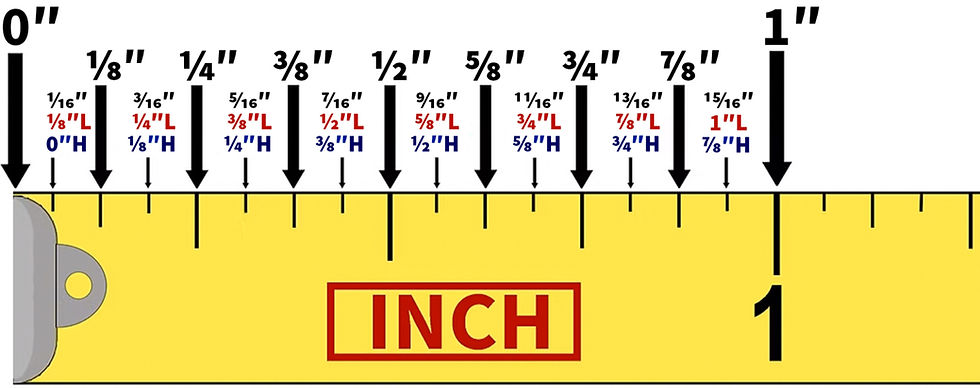
Tape measures have many small lines and numbers. Each marking shows a fraction of an inch or a centimeter. Knowing what these marks mean is key to measuring well.
- Longer lines usually show whole inches or centimeters.
- Shorter lines show fractions, like 1/2, 1/4, or 1/8 of an inch.
- Numbers appear every inch or centimeter for quick reading.
- Some tapes include both metric and imperial units.
Securing The Tape End
Hold the tape end firmly to prevent slipping. Most tape measures have a small metal hook at the end. Use this hook to catch the edge of the object you measure.
| Type of Tape End | How to Secure |
| Metal Hook | Hook onto edge or lip |
| Adhesive Tape End | Stick it to the surface |
| Magnetic End | Attach to metal surfaces |
| No Hook | Hold firmly with your hand |
Keeping The Tape Straight
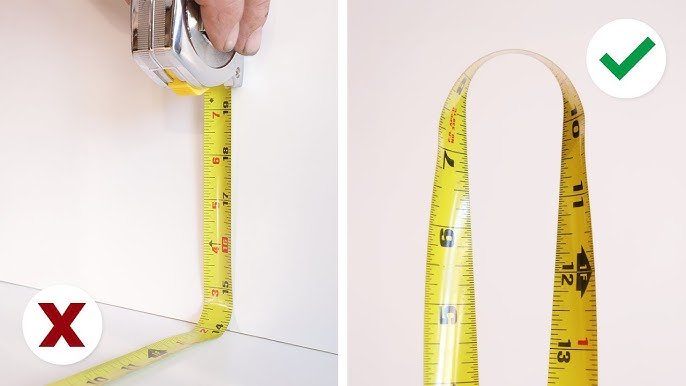
Keep the tape measure straight to avoid wrong readings. A bent tape can show a longer length than the real one. Use your hand to stretch the tape tight and straight.
- Pull the tape firmly but do not overstretch.
- Avoid bending the tape around curves.
- Use a flat surface if possible for better accuracy.
- Hold the tape at eye level to read numbers correctly.
Advanced Tips For Precision
Using a tape measure with care improves your measuring accuracy. Small mistakes can cause big errors in your projects.
These tips focus on how to get precise results using your tape measure. Learn to handle the tape and read measurements correctly.
Using The Hook Correctly
The metal hook at the tape’s end helps you measure from edges. It moves slightly to account for its own thickness.
- Hook the tape on the edge for outside measurements.
- Push the hook against the surface for inside measurements.
- Make sure the hook slides freely but is not loose.
- Check that the hook sits flat and does not tilt.
Accounting For Tape Thickness
The hook thickness changes the start point of your measurement. Tape hooks usually have a small gap to offset this.
| Measurement Type | Hook Position | Effect |
| Outside Measurement | Hook pulled out | Measures from tape end edge |
| Inside Measurement | Hook pushed in | Measures from hook inside edge |
Avoiding Tape Sagging
Long tape runs can sag. This bends the tape and makes the measurement longer than actual.
- Hold the tape tight and straight from start to end.
- Use a helper to hold the tape if measuring long distances.
- Keep the tape close to the surface to reduce sagging.
- Use a rigid tape or a laser measure for very long distances.
Common Mistakes To Avoid
Using a tape measure seems easy, but mistakes can cause wrong results. Avoiding common errors helps you measure accurately. This guide explains errors to watch for.
Focus on three common mistakes: misreading fractions, ignoring tape tension, and measuring curved surfaces. Learn how to fix these issues.
Misreading Fractions
Many tape measures use fractions to show inches. People often confuse these fractions, causing wrong measurements.
- Look carefully at the fraction marks on the tape.
- Remember common fractions like 1/8, 1/4, 1/2, and 3/4.
- Use a magnifying glass if the numbers look small or unclear.
- Double-check your reading before marking or cutting.
Ignoring Tape Tension
Pulling the tape too tight or leaving it loose changes the measurement. Tape tension affects length accuracy.
| Tape Tension | Effect on Measurement |
|---|---|
| Too tight | Stretches tape, shows longer than actual |
| Too loose | Tape sags, shows shorter than actual |
| Proper tension | Tape is firm without stretching, accurate length |
Measuring Curved Surfaces
Curved surfaces are hard to measure with a straight tape. Ignoring the curve causes wrong numbers.
Try these tips for curved surfaces:
- Use a flexible tape measure like cloth or fiberglass.
- Follow the curve closely without lifting the tape.
- Mark points carefully and add up segments if needed.
- Do not force a rigid metal tape along a curve.

Credit: learn.reeb.com
Maintaining Your Tape Measure
Keeping your tape measure in good condition helps you get accurate readings every time. Regular care stops damage and extends its life.
Learn how to clean, store, check, and replace parts of your tape measure for best results.
Cleaning And Storage
Clean your tape measure after use to remove dirt and dust. Wipe the blade with a dry cloth. Avoid using water or harsh chemicals.
- Retract the tape fully before cleaning
- Use a soft cloth to wipe the blade and case
- Keep it in a dry place to prevent rust
- Store the tape measure flat or hanging to avoid bends
Checking For Damage
Inspect your tape measure regularly to spot damage early. Look for dents, cracks, or worn markings on the blade.
| Damage Type | Possible Effect | What to Do |
| Cracks in blade | Inaccurate measurements | Replace blade or tape measure |
| Worn markings | Hard to read numbers | Consider replacing the tape |
| Broken hook | Blade slips during measuring | Replace the hook |
| Rust spots | Blade sticks or tears | Clean and apply light oil |
Replacing Worn Parts
Some tape measures allow you to change parts. The hook and blade can wear out and affect accuracy.
- Remove the old hook by unscrewing or prying gently
- Buy a replacement hook that fits your model
- Attach the new hook firmly to ensure correct measurements
- Replace the blade if it is bent or has missing markings

Credit: medium.com
Frequently Asked Questions
How Do I Read A Tape Measure Correctly?
To read a tape measure correctly, align the object’s edge with the zero mark. Note the nearest inch or centimeter mark. Use smaller marks for precise measurements. Always read from the tape’s top edge for accuracy.
What Is The Best Way To Hold A Tape Measure?
Hold the tape measure firmly at the base with one hand. Pull the tape straight out with the other hand. Keep the tape taut to avoid sagging. This ensures accurate and consistent measurements.
How Can I Avoid Errors When Using A Tape Measure?
Avoid errors by keeping the tape straight and taut. Ensure the tape starts exactly at zero. Double-check measurements and use a steady hand. Avoid bending or twisting the tape during measurement.
When Should I Use The Tape Measure’s Hook?
Use the tape measure’s hook to anchor the tape on edges. The hook grips surfaces for stable measurement. This helps when measuring longer distances alone. Always ensure the hook is secure before measuring.
Conclusion
Measuring accurately with a tape measure is crucial for success. Start by choosing a reliable tape measure. Always double-check your readings. Hold the tape measure steady to avoid mistakes. Keep the tape straight for true measurements. Practice regularly to improve your skills.
Accurate measurements save time and materials. Consistency is key. Remember, small errors can lead to bigger problems. Stay focused and patient while measuring. Using these tips, you can measure with confidence. Your projects will thank you. Happy measuring!