Measuring large surfaces can feel tricky, especially when you want accuracy and ease. If you’ve ever struggled to get the right measurements without wasting time or making mistakes, this guide is made for you.
You’ll learn simple, effective tips to use your tape measure like a pro, no matter the size of the space. Keep reading, and you’ll discover how to measure confidently, save effort, and get results you can trust every time.
Choosing The Right Tape Measure
Using a tape measure on large surfaces needs the right tool. A good tape measure helps you get exact measurements quickly and easily.
Not all tape measures work well for big areas. Knowing the types and what to look for helps you pick the best one.
Types Of Tape Measures
There are different tape measures for different jobs. Some are short and easy to carry. Others are long and made for big spaces.
- Steel tape measures are strong and good for rough use.
- Fiberglass tapes do not stretch and work well outside.
- Cloth tapes are flexible but not very durable.
- Long measuring tapes (surveyor tapes) reach 100 feet or more.
Length And Durability Considerations
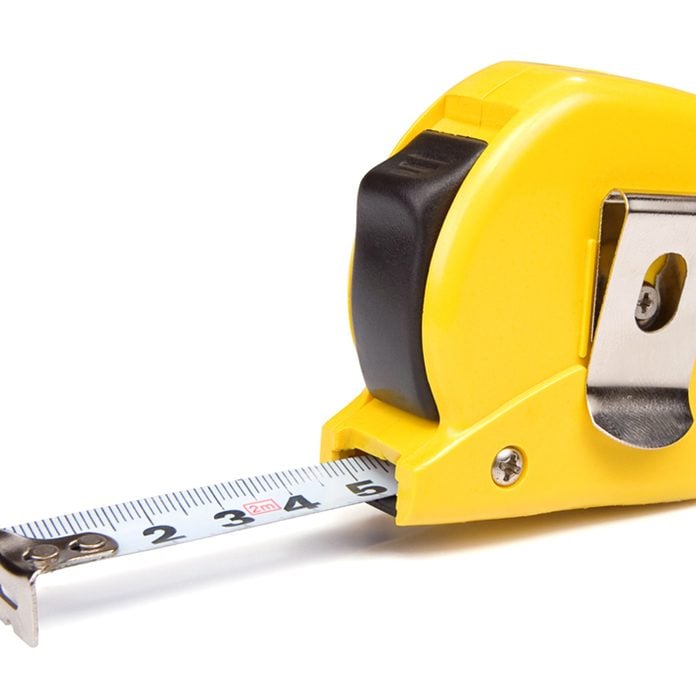
Length matters when measuring large surfaces. Choose a tape long enough to cover the area in one pull.
Durability is key for long-lasting use. Look for tapes with strong casing and wear-resistant blades.
- Pick tape measures with a sturdy, impact-resistant case.
- Look for blades coated to resist rust and scratches.
- Choose a tape that locks firmly to avoid slipping.
- Long tapes over 50 feet work best for big jobs.
Credit: www.familyhandyman.com
Preparing For Measurement
Measuring large surfaces requires careful preparation to get accurate results. Before using a tape measure, you need to clear the area and mark where you will start measuring.
Taking these steps helps you avoid mistakes and makes the process easier. Let’s look at how to prepare the surface and mark points for your tape measure.
Clearing The Surface
Remove all objects from the area you want to measure. This includes furniture, tools, or any debris that could block the tape or cause errors.
- Clear away furniture and large items
- Clean dust and dirt from the surface
- Make sure the surface is flat and even
- Check for obstacles like cords or cables
- Ensure good lighting to see markings clearly
Marking Starting Points
Mark your starting point carefully to ensure your tape measure begins at the correct spot. Use a visible mark that will not fade or move.
| Tool | Use |
|---|---|
| Pencil or Chalk | Easy to see on most surfaces |
| Masking Tape | Creates a clear edge without damage |
| Sticky Notes | Good for temporary marks on smooth surfaces |
| Marker | Use only on surfaces where marks can be removed |
Place the mark at the exact point where you will stretch the tape. Check that the tape hook can catch the edge securely at this mark.
Measuring Large Surfaces Accurately
Measuring large surfaces needs care and good technique. Using a tape measure correctly helps you get the right size.
Big areas can be tricky to measure because the tape can bend or move. Follow simple tips to measure well every time.
Using Anchors And Supports
Anchors hold the tape measure in place on one end. Use a nail, hook, or have someone help you hold it.
Supports keep the tape straight and steady over long distances. Use walls, edges, or clamps to support the tape.
- Attach the tape’s end to a fixed point
- Ask a helper to hold the tape at the far end
- Use clamps or weights to keep tape steady
- Rest tape on flat surfaces to avoid bending
Avoiding Tape Sagging
Tape sagging causes wrong measurements. The tape bends down under its own weight.
Keep the tape tight and level. Pull gently to avoid stretching or breaking it.
- Hold the tape firmly at both ends
- Use supports to hold the tape up
- Measure in smaller sections if tape is very long
- Check tape for damage before measuring
Reading Measurements Correctly
Look straight at the tape to avoid mistakes. Angled views change the reading.
Read the number at the exact end of the surface you measure. Use tape marks carefully.
- Keep the tape flat on the surface
- Align the tape’s zero mark with the start point
- Note the number at the end point clearly
- Double-check by measuring twice

Credit: www.familyhandyman.com
Common Mistakes To Avoid
Measuring large surfaces with a tape measure needs care. Simple errors can cause wrong results. Avoiding these mistakes saves time and materials.
Read these common mistakes and learn how to prevent them. Proper technique helps you get accurate measurements every time.
Ignoring Tape Tension
Not holding the tape tight changes the length reading. A loose tape sags and gives a longer measure than real.
- Keep the tape straight and pulled firmly.
- Do not bend or twist the tape while measuring.
- Use the locking feature if your tape has one.
- Check the tape for damage that affects tension.
Misalignment Issues
Placing the tape off the edge or at an angle causes errors. The tape must line up exactly with the surface edges.
| Problem | Effect | Fix |
| Tape starts away from edge | Measurement is shorter | Place tape hook firmly on the edge |
| Tape angled across surface | Measurement is longer | Align tape parallel to surface edges |
| Tape moves during measuring | Inconsistent results | Hold tape steady or ask for help |
Overlooking Measurement Units
Confusing inches with centimeters or mixing units leads to mistakes. Always check the tape’s unit marks before measuring.
- Confirm the unit system on your tape measure.
- Write down measurements with units clearly.
- Convert units carefully if needed.
- Use a tape measure with both metric and imperial units to avoid errors.
Advanced Tips For Efficiency
Measuring large surfaces can be tricky and time-consuming. Using a tape measure well helps you save time and get accurate results.
These tips focus on working smart and avoiding common mistakes. They help you stay efficient and precise.
Using A Helper
Having another person hold the tape measure makes measuring large areas easier. A helper keeps the tape steady and straight.
You can focus on reading numbers and marking points. This teamwork speeds up the process and reduces errors.
- Ask your helper to hold the tape at the start or end point.
- Keep the tape flat and tight to avoid sagging.
- Use clear signals to communicate during measuring.
Double-checking Measurements
Check each measurement twice to avoid mistakes. Measuring once may cause errors you miss at first.
Repeat the measurement from the opposite side or point. This confirms the number and gives you confidence.
- Measure the surface in both directions if possible.
- Compare your results with any plans or drawings.
- Mark the measurement points clearly before recording.
Recording Measurements Effectively
Write down each measurement right after taking it. This avoids forgetting or mixing numbers later.
Use a notebook or a digital device to keep your notes organized and easy to read.
- Label each measurement with a clear description.
- Use a consistent format for all entries.
- Review your notes regularly to catch any errors early.

Credit: georgefurniture.com
Maintaining Your Tape Measure
Taking care of your tape measure helps it last longer. It keeps your measurements accurate.
Regular maintenance prevents problems and saves money on replacements.
Cleaning And Storage
Clean your tape measure after each use. Dirt and dust can make it hard to read the numbers.
Store your tape measure in a dry place. Avoid places with too much heat or moisture.
- Wipe the blade with a dry cloth
- Use mild soap and water for tough dirt
- Dry the tape fully before storing
- Keep it in a case or toolbox
- Do not leave it in direct sunlight
Inspecting For Wear And Damage
Check your tape measure often. Look for cracks, bends, or worn numbers on the blade.
Damaged tape measures give wrong readings. Replace or fix any broken parts quickly.
- Look for rust or corrosion on the blade
- Check the hook for tightness and straightness
- Test the lock to see if it holds the blade well
- Make sure the tape retracts smoothly
Frequently Asked Questions
How Do I Measure Large Surfaces Accurately?
Use a long tape measure and keep it taut for accuracy. Mark endpoints clearly and measure in sections if needed. Avoid tape sagging and double-check measurements for precision.
What Tape Measure Length Is Best For Large Areas?
Choose a tape measure at least 25 to 50 feet long. Longer tapes help measure wide surfaces without multiple sections. Ensure the tape is durable and easy to read.
Can I Use A Tape Measure Alone On Big Surfaces?
Yes, but it helps to have a second person. One holds the tape start; the other extends it. This method improves accuracy and prevents tape sagging.
How To Avoid Errors When Measuring Big Surfaces?
Keep the tape straight and tight. Measure in consistent units and double-check each segment. Avoid measuring over obstacles or uneven surfaces to reduce errors.
Conclusion
Measuring large surfaces becomes easier with the right tape measure skills. Always keep the tape tight and straight for accuracy. Use helper tools like clamps or a partner if needed. Mark your measurements clearly to avoid mistakes. Practice often to gain confidence and speed.
These simple steps help you measure big areas correctly. Keep your tape measure in good condition for best results. Now, measuring large surfaces won’t feel so hard or confusing. Give it a try and see the difference yourself.