
If you work with noisy tools, protecting your hearing is a must. But simply having ear muffs isn’t enough—you need to wear them correctly to get the best protection.
You might think putting on ear muffs is easy, but a small mistake can leave your ears vulnerable to damage. In this guide, you’ll discover exactly how to wear ear muffs so they block out noise effectively, keep you comfortable, and let you focus on your work without distraction.
Keep reading to learn the simple steps that can save your hearing for years to come.
Credit: www.walmart.ca
Choosing The Right Ear Muffs
Using ear muffs is essential when working with noisy tools. The right ear muffs protect your hearing and keep you comfortable. This guide helps you pick the best ear muffs for your needs.
Consider the type, noise reduction rating, and comfort features. These factors affect how well the ear muffs work and how long you can wear them.
Types Of Ear Muffs
There are three main types of ear muffs. Each type offers different protection levels and fits various needs.
- Passive Ear Muffs:Use thick padding to block noise without electronics.
- Electronic Ear Muffs:Reduce loud sounds and let you hear normal talk.
- Bluetooth Ear Muffs:Combine noise protection with wireless audio features.
Noise Reduction Ratings
The Noise Reduction Rating (NRR) shows how much sound ear muffs can block. A higher rating means better protection.
| NRR | Noise Level Blocked (dB) |
| 15 – 20 | Moderate noise, like light machinery |
| 21 – 25 | Louder noise, such as power tools |
| 26 – 31 | Very loud noise, like heavy construction |
Comfort Features To Look For
Comfort matters, especially if you wear ear muffs for hours. Look for soft padding and adjustable headbands.
- Padded ear cups to reduce pressure
- Adjustable headband for a secure fit
- Lightweight design to prevent fatigue
- Breathable materials to keep ears cool

Credit: www.reddit.com
Proper Fit For Maximum Protection
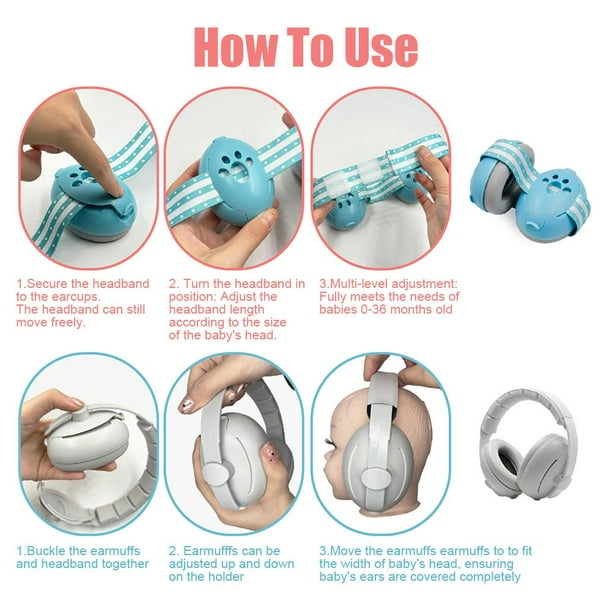
Wearing ear muffs correctly is important to protect your ears from loud noises. A proper fit helps block sound effectively. This guide explains how to wear ear muffs with the best fit.
Follow these tips to adjust your ear muffs. Make sure they fit well and cover your ears fully. This keeps noise out and protects your hearing.
Adjusting The Headband
The headband holds the ear muffs in place. Adjust it so the ear cushions sit firmly on your ears. A loose headband lets sound in, reducing protection.
Pull the headband arms to lengthen or shorten them. The ear muffs should feel snug but not too tight. Tightness can cause discomfort during long use.
- Pull headband arms to adjust size
- Make sure ear cushions press evenly on ears
- Keep it snug but comfortable
Positioning The Cushions
Place the ear cushions directly over your ears. The soft cushions create a seal that blocks noise. Check that no part of your ear is outside the cushion.
Make small adjustments to get the cushions centered. Proper positioning improves noise reduction and comfort.
- Cover your entire ear with the cushions
- Adjust until cushions feel even around ears
- Avoid letting hair or glasses break the seal
Checking For Gaps
Look for gaps between your skin and the ear cushions. Gaps let noise in and reduce protection. Move the ear muffs to close any spaces.
Wear the ear muffs and try moving your head. If you feel air or sound, adjust the fit again. Good ear muffs fit tightly without pain.
- Check all around the cushions for gaps
- Shift ear muffs until you feel a full seal
- Re-adjust if you move your head or body
Tips For Extended Wear
Wearing ear muffs for long periods needs care to stay comfortable. Follow easy tips to protect your ears and skin.
These tips help you use ear muffs safely while working with noisy tools for hours.
Managing Heat And Sweat
Heat builds up inside ear muffs and can make your skin sweat. This may cause discomfort or irritation.
- Choose ear muffs with breathable padding
- Use absorbent cloths or liners inside the ear cups
- Keep your head clean and dry before wearing
- Wipe ear muffs regularly to remove sweat
- Adjust the headband to avoid tight pressure
Taking Breaks Safely
Taking breaks helps your ears and skin rest. Remove ear muffs carefully to keep noise protection ready.
- Find a quiet spot before removing ear muffs
- Take off ear muffs slowly to avoid stretching
- Allow ears to breathe for 5 to 10 minutes
- Check your skin for any redness or irritation
- Put ear muffs back on properly when you resume work
Combining With Other Safety Gear
Use ear muffs together with safety glasses and helmets. Proper fit keeps all gear effective and comfortable.
| Safety Gear | Tips for Wearing with Ear Muffs |
| Safety Glasses | Choose slim frames to fit under ear cups |
| Helmets | Adjust helmet straps to avoid pressing ear muffs |
| Face Shields | Test ear muff position before starting work |

Credit: hsi.com
Maintenance And Care
Ear muffs protect your ears from loud noises. Taking care of them keeps them working well. Regular maintenance helps them last longer.
Proper care means cleaning, replacing parts, and storing ear muffs correctly. This guide explains how to do these tasks.
Cleaning Ear Muffs
Clean ear muffs after each use to remove dirt and sweat. Use a soft cloth and mild soap with water. Avoid harsh chemicals that damage materials.
- Wipe ear cushions gently with a damp cloth
- Clean the headband and outer parts carefully
- Let ear muffs dry fully before storing
Replacing Cushions
Cushions wear out over time and lose comfort. Replace them if they crack, tear, or feel hard. New cushions keep the seal tight and block noise well.
- Check cushions regularly for damage
- Buy the right size and type for your ear muffs
- Follow the instructions to remove old cushions
- Press new cushions firmly in place
Storage Best Practices
Store ear muffs in a cool, dry place. Avoid direct sunlight and heat. Keep them away from dust and heavy objects.
- Use a clean storage bag or box
- Do not fold or crush ear muffs
- Keep them away from sharp tools or edges
- Store with cushions facing up to keep shape
Frequently Asked Questions
How Do Ear Muffs Protect Against Noisy Tools?
Ear muffs reduce noise by covering your ears with sound-absorbing material. They block loud sounds, preventing hearing damage. Properly worn ear muffs create a seal around your ears for maximum protection. They are essential when using noisy tools to safeguard your hearing health.
Can I Wear Ear Muffs With Glasses Or Helmets?
Yes, you can wear ear muffs with glasses or helmets. Choose ear muffs designed with slim ear cups or adjustable headbands for comfort. Proper fitting ensures they don’t press uncomfortably against glasses or helmets. This combination still provides effective noise protection during tool use.
How Should Ear Muffs Fit For Noisy Tool Use?
Ear muffs should fit snugly but comfortably around your ears. The ear cups must fully cover your ears without gaps. Adjust the headband to ensure a secure seal. A proper fit maximizes noise reduction and prevents sound leakage while using noisy tools.
How Often Should I Replace Ear Muffs For Noisy Tools?
Replace ear muffs every 1-3 years or if damaged. Check cushions and seals regularly for wear or cracks. Worn-out ear muffs lose effectiveness and reduce noise protection. Timely replacement ensures continued hearing safety when operating noisy tools.
Conclusion
Ear muffs protect your ears from loud noise. Choose a comfortable pair. Adjust them properly for the best fit. Ensure they fully cover your ears. Regular use helps prevent hearing damage. Clean them often to maintain hygiene. Store them safely when not in use.
Always prioritize ear safety around noisy tools. Your ears will thank you. Stay safe and enjoy quieter work environments.