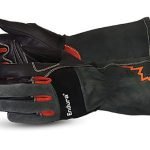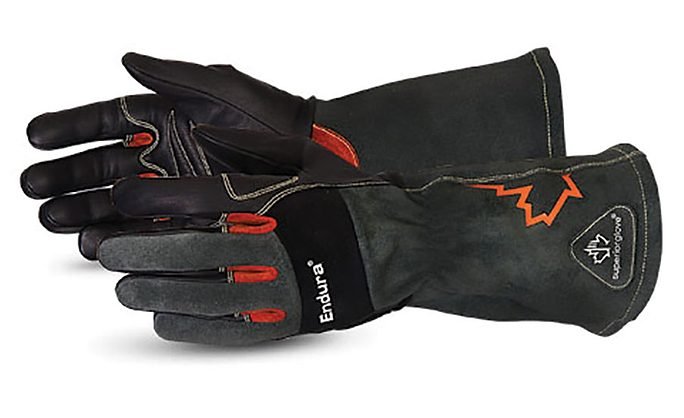
When you’re working on metal projects, protecting your hands is not just important—it’s essential. Welding gloves are your best defense against burns, sparks, and sharp edges that can cause serious injury.
But how do you choose the right gloves? And how can you use them to get the most out of your work while staying safe? This guide will walk you through everything you need to know about welding gloves. By the end, you’ll feel confident handling your metal projects with both skill and safety.
Keep reading, because your hands deserve the best protection possible.
Choosing The Right Welding Gloves
Welding gloves protect your hands from heat, sparks, and sharp metal edges. Picking the right gloves helps you work safely and comfortably.
Not all welding gloves are the same. You should choose gloves based on the type of welding and the materials you use.
Types Of Welding Gloves
There are many types of welding gloves. Each type fits different welding methods and tasks.
Common types include MIG gloves, TIG gloves, and stick welding gloves. MIG gloves are thicker for heavy sparks. TIG gloves are thinner for more control. Stick welding gloves offer good heat protection.
- MIG gloves: Thick and heat resistant
- TIG gloves: Thin and flexible
- Stick welding gloves: Balanced protection
Materials And Durability
Welding gloves are made from different materials. The material affects how strong and heat resistant the gloves are.
Leather is the most common material. It is tough and protects well from heat and sparks. Some gloves use split leather for flexibility. Others use full-grain leather for durability.
- Cowhide: Durable and heat resistant
- Pigskin: Breathable and flexible
- Goatskin: Soft and durable
- Deerskin: Flexible and comfortable
Size And Fit Considerations
Choosing the right size makes your work easier and safer. Gloves that are too tight can hurt your hands. Gloves that are too loose reduce control.
Measure your hand width and length before buying. Check the size chart for each brand. Try gloves on if possible. Make sure you can move your fingers freely.
- Measure hand width across knuckles
- Measure hand length from wrist to fingertip
- Choose gloves that allow good finger movement
- Check for adjustable cuffs for a secure fit
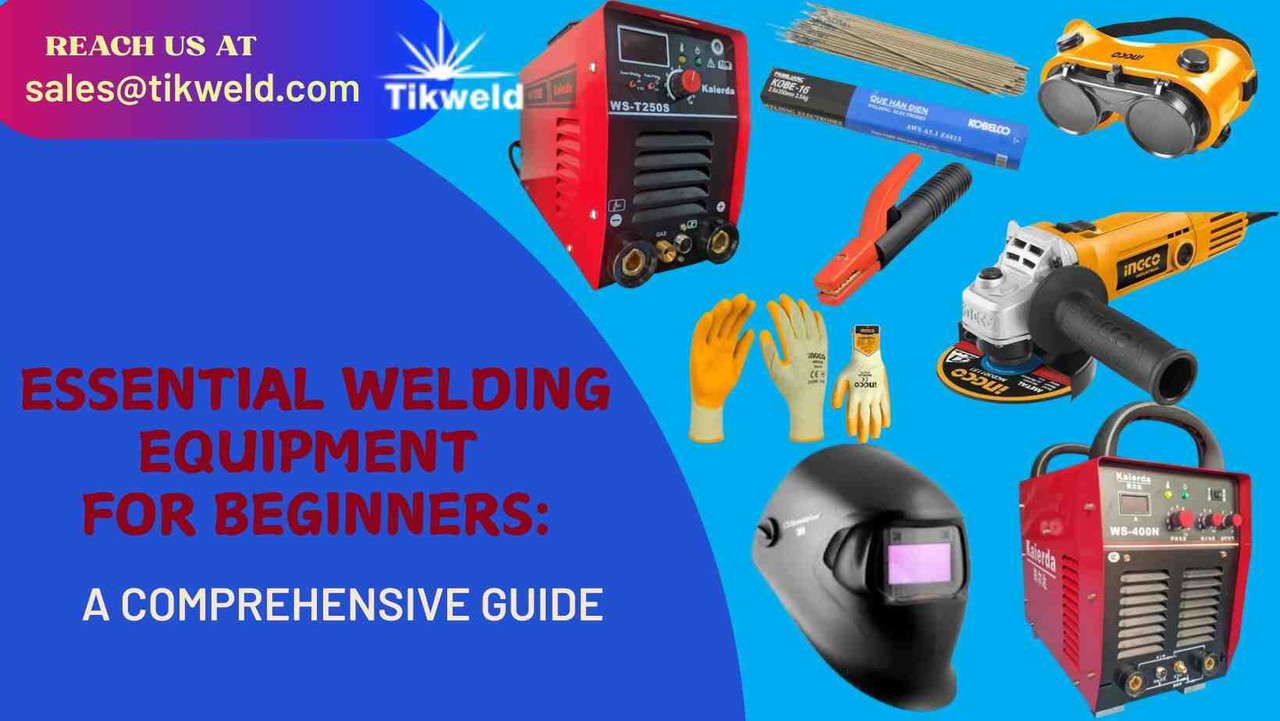
Credit: tikweld.com
Key Safety Features
Welding gloves protect your hands during metal projects. They keep you safe from burns, cuts, and other injuries.
Choosing gloves with the right safety features helps you work confidently and avoid accidents.
Heat Resistance
Welding gloves must resist high temperatures. This stops burns when you handle hot metal or tools.
Good gloves use materials like leather and heat-resistant fabrics. These materials block heat and keep your hands cool.
- Protects from sparks and hot metal
- Prevents burns during welding tasks
- Allows longer work time with heat exposure
Cut And Puncture Protection
Metal projects often involve sharp edges and tools. Gloves with strong materials stop cuts and punctures.
Look for gloves made with reinforced palms or extra padding. These reduce the risk of injury from sharp objects.
- Prevents cuts from metal edges
- Protects against punctures from nails or wires
- Improves safety when handling rough materials
Flexibility And Comfort
Gloves must fit well and allow easy hand movement. This helps you work precisely and safely.
Flexible gloves reduce hand fatigue. Comfortable gloves encourage you to wear them all the time during projects.
- Allows better grip on tools
- Supports long hours of work
- Improves control for detailed welding
Proper Glove Care
Taking good care of your welding gloves helps them last longer. It also keeps your hands safe during metal work.
Proper cleaning, storage, and timely replacement are key to glove care.
Cleaning Techniques
Keep your welding gloves clean to avoid dirt buildup. Dirt can reduce glove protection and comfort.
Use a soft brush to remove loose dirt and dust. If gloves are very dirty, wipe them with a damp cloth.
- Do not soak gloves in water
- Use mild soap if needed
- Dry gloves naturally away from heat
- Avoid using harsh chemicals
Storage Tips
Store gloves in a cool, dry place to keep leather and fabric in good shape. Avoid wet or hot areas.
Keep gloves away from sunlight to prevent cracking and fading. Use a clean container or shelf for storage.
- Store gloves flat or upright
- Keep gloves away from sharp objects
- Do not fold gloves tightly
- Check gloves before storage for dirt
When To Replace Gloves
Replace gloves if they show signs of damage. Tears and holes reduce protection and increase risk of injury.
Also replace gloves if they become stiff or lose heat resistance. Old gloves may not work well.
- Look for cracks or holes
- Check if gloves feel thin or weak
- Replace if gloves smell bad or moldy
- Use new gloves if heat protection fails
Using Gloves Effectively During Welding
Welding gloves protect your hands from heat, sparks, and sharp edges. Using them right keeps you safe and helps your work.
Learn how to wear gloves correctly, avoid mistakes, and handle hot materials safely. These tips improve your welding experience.
Wearing Gloves Correctly
Put on welding gloves so they fit snugly but not too tight. Loose gloves can catch sparks or reduce control.
Make sure gloves cover your wrists and part of your forearms. This protects skin from burns and flying sparks.
- Choose gloves that match your hand size
- Check for holes or tears before wearing
- Wear gloves over your jacket sleeves
Avoiding Common Mistakes
Do not use gloves that are old or damaged. They lose protection and can cause injuries.
Avoid touching your face or phone with welding gloves. Sparks and dirt can cause burns or damage.
- Never use gloves for tasks other than welding
- Keep gloves clean and dry
- Replace gloves if they smell bad or feel stiff
Handling Hot Materials Safely
Always use welding gloves when moving hot metal. Gloves protect your hands from burns and cuts.
Let metal cool down on a safe surface after welding. Do not touch it with bare hands until fully cool.
- Use tongs or pliers for extra safety
- Keep a fireproof mat nearby
- Wear gloves when adjusting hot equipment
Additional Safety Gear To Consider
Welding gloves protect your hands, but other safety gear is important too. These items help keep you safe from sparks, heat, and fumes.
Using the right gear reduces injury risks and makes your work easier. Always wear the proper equipment for each task.
Protective Clothing
Wear flame-resistant clothing to protect your skin from sparks and heat. Avoid synthetic fabrics that can melt and cause burns.
Long sleeves and pants help cover your body and reduce skin exposure. Choose thick, durable materials made for welding work.
- Flame-resistant jacket or shirt
- Heavy-duty pants without cuffs
- Leather apron for extra protection
- High boots or closed shoes
Eye And Face Protection
Wear a welding helmet with the right shade lens to protect your eyes from bright light. Sparks can cause serious eye injuries.
Face shields or safety goggles add extra protection from flying debris and heat. Always check your gear before welding.
- Welding helmet with auto-darkening lens
- Safety goggles underneath helmet
- Face shield for grinding and cutting
- Clear safety glasses for extra eye safety
Respiratory Safety
Welding produces harmful fumes and gases. Use a respirator to avoid breathing in dangerous particles.
Choose a respirator designed for welding. Make sure it fits well and has the right filters for your work environment.
- Half or full-face respirator
- Filters for metal fumes and gases
- Disposable masks for light welding
- Proper ventilation in the workspace

Credit: www.envirosafetyproducts.com
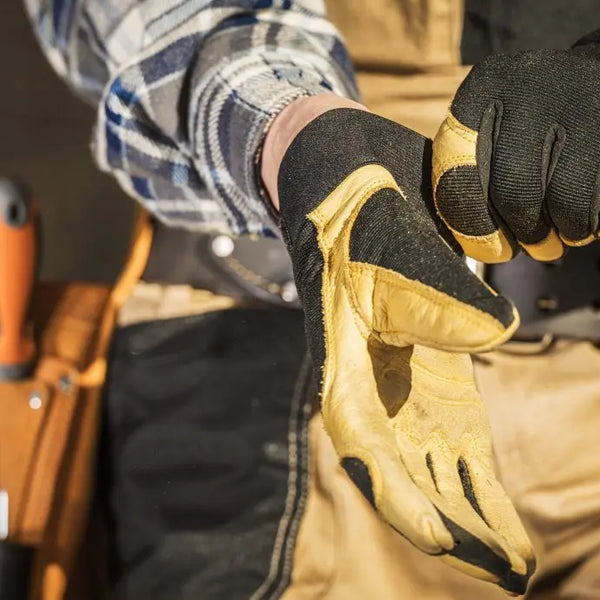
Credit: www.envirosafetyproducts.com
Frequently Asked Questions
What Are Welding Gloves Made Of?
Welding gloves are typically made from heat-resistant leather like cowhide or goatskin. This material protects against sparks, heat, and sharp metal edges during welding.
How To Choose The Right Welding Gloves?
Select gloves based on the type of welding, heat resistance needed, and comfort. Proper fit and durability are crucial for safety and precision.
Can Welding Gloves Protect Against Electric Shock?
Welding gloves provide limited electric shock protection. They mainly guard against heat and sparks, so use additional insulated gloves for electrical safety.
How To Maintain Welding Gloves For Durability?
Clean gloves regularly, avoid exposing them to moisture, and store in a dry place. Proper care extends glove life and maintains protection.
Conclusion
Welding gloves are essential for metalwork safety. They protect your hands from heat and sparks. Always choose the right size for comfort and protection. Inspect gloves regularly for wear and damage. Replace them when necessary to ensure safety. Different materials offer varied levels of protection.
Leather is durable, while synthetic options can be lighter. Proper care extends glove life. Store them in a dry place. Clean them according to the manufacturer’s instructions. Prioritize safety by using quality gloves. Your hands deserve the best protection. Stay safe, and enjoy your metal projects with confidence.