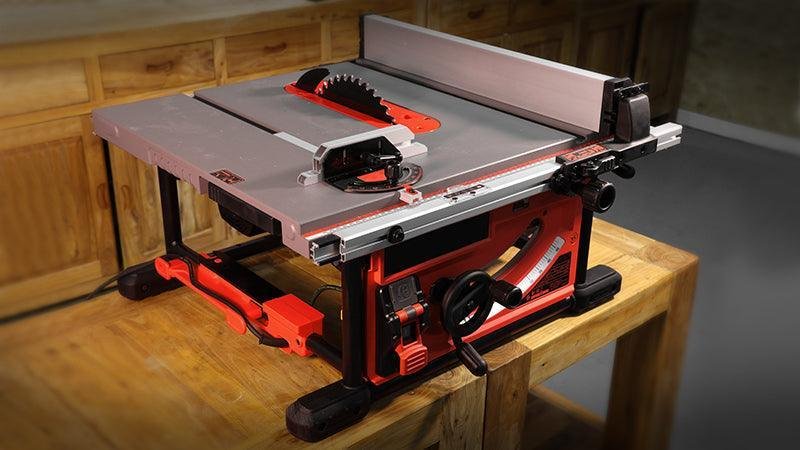
Are you ready to take your woodworking skills to the next level? Using a table saw accurately can make all the difference between a rough cut and a perfect piece.
Whether you’re a beginner or have some experience, mastering the table saw will boost your confidence and improve your projects. In this guide, you’ll discover simple tips and tricks that help you cut with precision every time. Keep reading, and you’ll learn how to avoid common mistakes, stay safe, and get the best results from your table saw.
Your next project deserves nothing less than accuracy—and we’re here to show you how.
Choosing The Right Table Saw
Using a table saw correctly starts with choosing the right one. A good table saw makes cutting easier and safer.
You need to pick a saw that fits your work type and skill level. This guide helps you choose the best table saw.
Types Of Table Saws
There are different types of table saws for various jobs. Each type works best in certain situations.
- Benchtop saws are small and easy to move.
- Contractor saws are heavier and good for outdoor work.
- Cabinet saws are large and made for heavy use.
- Hybrid saws combine features of contractor and cabinet saws.
Key Features To Consider
Some features affect how well your table saw works. Check these before buying.
- Motor power affects cutting speed and thickness.
- Fence quality keeps cuts straight and safe.
- Blade size limits the depth of cuts.
- Dust collection helps keep your workspace clean.
- Safety features like blade guards protect you during use.
Blade Selection For Precision
Choosing the right blade helps you cut wood precisely. Different blades work for different materials.
Look at the number of teeth on the blade. More teeth give smoother cuts but cut slower.
- Rip blades have fewer teeth and cut along the grain.
- Crosscut blades have more teeth and cut across the grain.
- Combination blades work for both ripping and crosscutting.
- Fine-tooth blades are best for smooth, detailed cuts.

Credit: www.popularmechanics.com
Setting Up For Accuracy
Using a table saw accurately depends on how well you set it up. Proper setup helps you make clean and precise cuts.
Take your time to adjust the blade, fence, and miter gauge. Also, make sure your work surface is steady.
Aligning The Blade And Fence
Check that the blade and fence are parallel to each other. This alignment prevents wood from binding or kicking back.
Use a combination square or a reliable measuring tool to confirm the distance is the same from the blade to the fence along the table.
- Turn off the saw and unplug it before adjusting
- Loosen the fence locking mechanism
- Measure the distance from the blade teeth to the fence at the front and back
- Adjust the fence until both distances are equal
- Tighten the fence lock securely
Adjusting The Miter Gauge
The miter gauge guides your wood at an angle. It must be set to the correct angle and fit snugly in the slot.
Check the miter gauge’s angle with a protractor or angle guide. Make sure it slides smoothly without wobbling.
- Set the miter gauge to zero degrees for straight cuts
- Tighten the angle adjustment lock firmly
- Test the fit by sliding the gauge back and forth in the slot
- Adjust or clean the slot if the gauge is loose or stiff
Ensuring A Stable Work Surface
A stable work surface keeps your material steady during cuts. This reduces mistakes and increases safety.
Check that your table saw is level and does not wobble. Add supports or pads if needed to improve stability.
- Place the saw on a flat, solid floor
- Use a level to check the saw table’s balance
- Add shims under legs if the saw wobbles
- Use clamps or supports for larger workpieces
- Keep the area around the saw clear of clutter
Essential Safety Measures
Using a table saw can be dangerous without the right safety steps. Follow these measures to protect yourself and work accurately.
Focus on tools and gear that keep your hands and body safe. Use good habits while operating the saw to avoid accidents.
Using Push Sticks And Guards
Push sticks help keep your hands away from the blade. Use them to push small or narrow pieces through the saw safely.
- Always use a push stick for cuts under 6 inches wide.
- Check that the blade guard is in place before starting.
- Never remove or disable safety guards on the saw.
- Keep the push stick clean and free of cracks or damage.
Proper Protective Gear
Wear the right gear to protect your eyes, ears, and body from harm. Safety gear reduces injury from dust, noise, and flying debris.
| Protective Gear | Purpose |
| Safety Glasses | Protect eyes from sawdust and chips |
| Hearing Protection | Reduce noise damage from the saw |
| Dust Mask | Prevent breathing sawdust |
| Non-slip Gloves | Improve grip but avoid loose gloves |
Safe Operating Practices
Follow safe methods while using the table saw to avoid accidents and errors. Stay alert and control the workpiece firmly.
- Check the saw blade for damage before use.
- Adjust the blade height to just above the workpiece.
- Stand to the side, not directly behind the blade.
- Feed the wood slowly and steadily through the blade.
- Never reach over the blade or remove scraps while the saw runs.
Techniques For Precise Cuts
Using a table saw with accuracy needs good techniques. Precise cuts help make your project look clean and professional.
Learn how to measure, feed, and cut materials carefully. These skills improve safety and results when working with a table saw.
Measuring And Marking Materials
Always measure twice before cutting. Use a pencil or marking knife to mark clear lines on your material. This helps guide your cut.
- Use a tape measure for long cuts
- Mark lines with a square tool for accuracy
- Check your marks from different angles
- Use a sharp pencil to avoid thick lines
- Label cut pieces to keep track
Controlling Feed Rate
Feed rate is how fast you push the wood through the blade. Control your feed speed to avoid rough edges or burning the wood.
| Feed Speed | Effect on Cut |
| Too Fast | Uneven cuts, blade binding |
| Too Slow | Burn marks, blade wear |
| Just Right | Smooth, accurate cuts |
Making Rip, Cross, And Bevel Cuts
Different cuts need different setups and techniques. Adjust your saw and fence to match the type of cut you want.
- Rip Cuts:Cut wood along the grain using a rip fence.
- Cross Cuts:Cut wood across the grain with a miter gauge.
- Bevel Cuts:Tilt the blade to the needed angle for angled edges.
Maintaining Your Table Saw
Keeping your table saw in good shape helps it work well and last longer. Regular maintenance stops problems before they start.
This guide covers simple ways to care for your table saw. You will learn how to clean, sharpen, and check it for accuracy.
Cleaning And Lubricating Parts
Clean your table saw after each use to remove dust and debris. Use a brush or compressed air for tight spots.
Lubricate moving parts like the gears and trunnions. This keeps them running smoothly and prevents rust.
- Unplug the saw before cleaning
- Use a soft brush to remove sawdust
- Apply light machine oil on metal parts
- Wipe excess oil to avoid buildup
Blade Sharpening And Replacement
A sharp blade cuts wood cleanly and safely. Check the blade often for dullness or damage.
Replace the blade if it is chipped or worn out. Sharpen the blade regularly to keep cuts smooth.
- Turn off and unplug the saw before blade work
- Remove the blade guard and arbor nut
- Use a blade sharpener or take it to a pro
- Install the blade with teeth facing forward
Routine Calibration Checks
Check your table saw’s settings to keep cuts accurate. Measure the blade angle and fence alignment often.
Adjust the parts if the saw is cutting unevenly or off size. Use a square and ruler for precise checks.
- Test the blade angle with a carpenter’s square
- Ensure the fence is parallel to the blade
- Check the miter gauge for correct angles
- Tighten any loose screws or bolts
Troubleshooting Common Issues
Using a table saw can be tricky if problems arise. Fixing these issues keeps your cuts clean and safe.
This guide covers common problems and how to solve them quickly.
Fixing Misaligned Cuts
Misaligned cuts happen when the blade or fence is off. This causes uneven or crooked edges on your wood.
Check the blade and fence alignment before cutting. Adjust them to be parallel and square to the table.
- Use a combination square to check the blade’s angle.
- Adjust the fence to be parallel with the blade.
- Tighten all screws after adjustments to prevent movement.
Addressing Motor And Blade Problems
If the motor runs slow or the blade stops, check the power source first. Loose cords or bad outlets can cause problems.
Inspect the blade for dullness or damage. A dull blade makes rough cuts and strains the motor.
- Unplug the saw before checking the blade or motor.
- Clean the motor vents to avoid overheating.
- Replace dull or damaged blades promptly.
- Check power cables and plugs for damage.
Handling Material Tear-out
Tear-out happens when the wood fibers pull away during cutting. It leaves rough or splintered edges.
Use a sharp blade and cut slowly to reduce tear-out. Supporting the wood on both sides helps too.
- Use a fine-tooth blade for clean cuts.
- Place painter’s tape on the cut line to hold fibers.
- Cut with the finished side facing down to protect it.
- Use a zero-clearance insert to support wood near the blade.
Advanced Tips For Experts
Using a table saw with precision takes skill and care. Experts can improve accuracy by applying advanced techniques. This guide covers key tips to enhance your cutting experience.
Focus on jigs, complex cuts, and workflow efficiency to get the best results. These tips help you work faster and safer with better control over your projects.
Using Jigs And Accessories
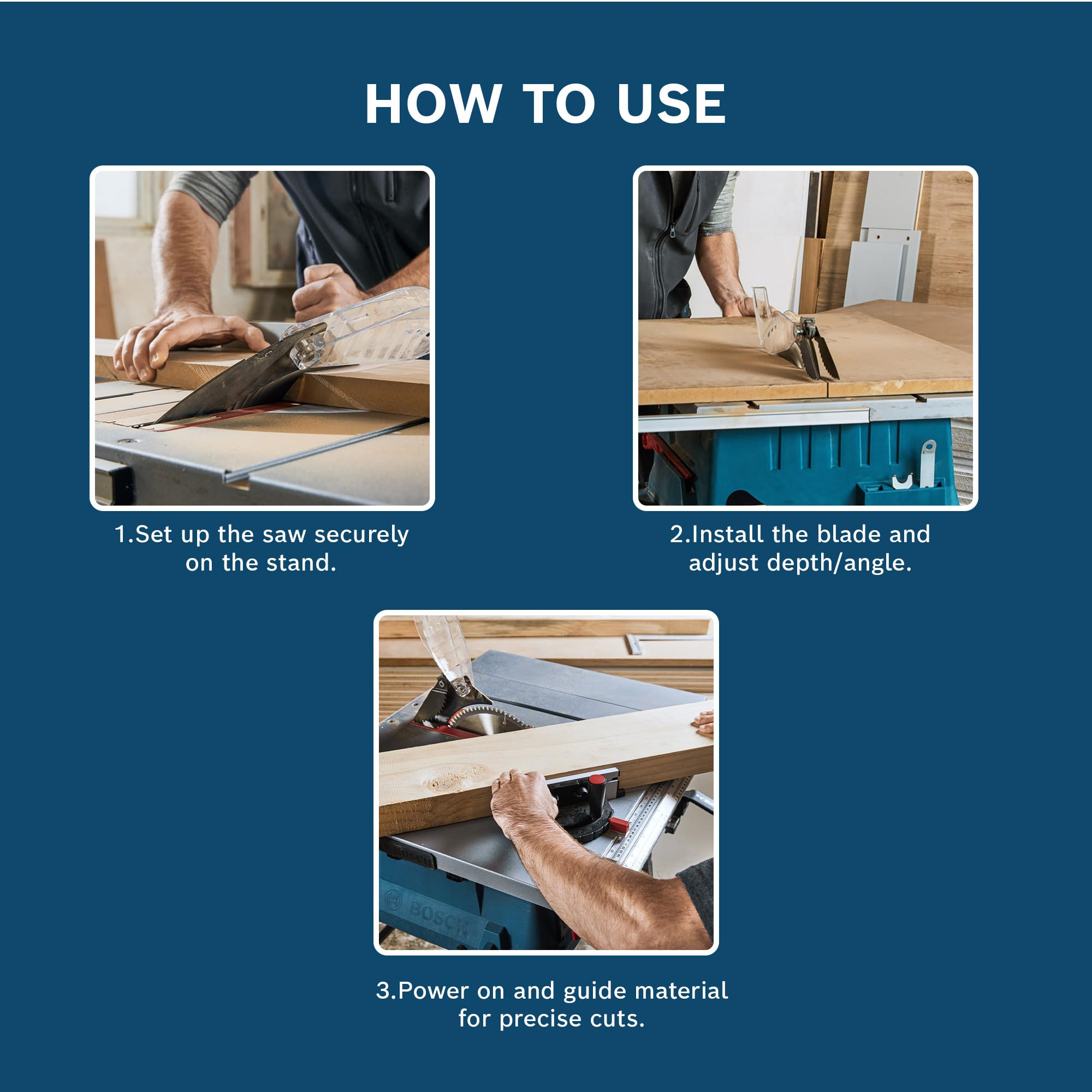
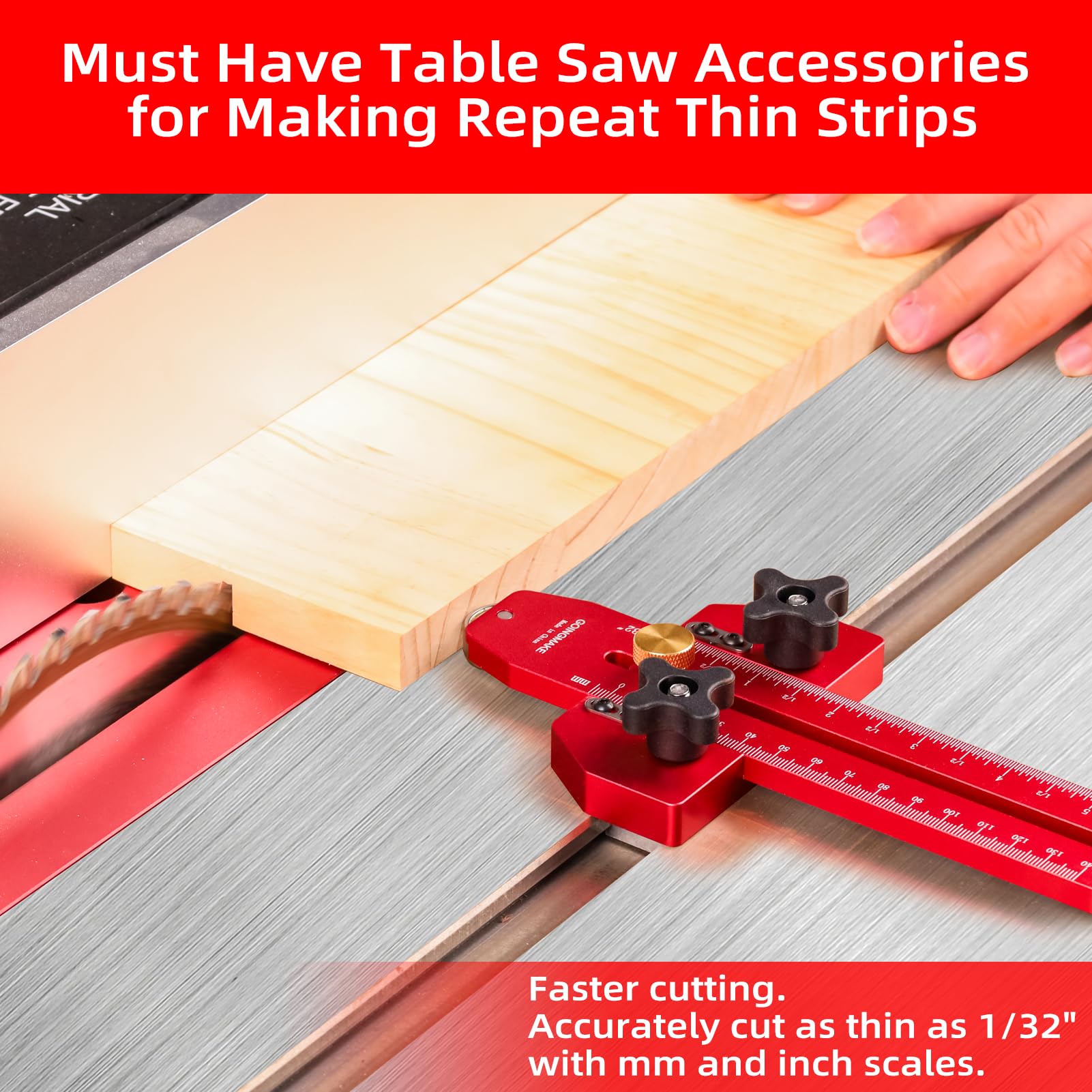
Jigs and accessories help hold and guide wood for precise cuts. Custom jigs let you repeat cuts with consistent results. Always choose the right jig for the job.
- Use crosscut sleds to stabilize wood for square cuts.
- Employ featherboards to keep wood tight against the fence.
- Try zero-clearance inserts to reduce tear-out on thin cuts.
- Use dado blade sets with proper shims for clean grooves.
- Attach push sticks or push blocks to keep hands safe.
Techniques For Complex Cuts
Complex cuts require careful setup and steady control. Breaking down the cut into smaller steps often improves accuracy and safety.
| Cut Type | Tip | Reason |
| Miter Cuts | Use a miter gauge with stops | Ensures consistent angles |
| Bevel Cuts | Adjust blade tilt slowly | Prevents uneven cuts |
| Rabbet Cuts | Make multiple shallow passes | Reduces tear-out and burn |
| Dado Cuts | Use proper blade width and guides | Keeps groove clean and accurate |
Improving Efficiency And Workflow
Work faster without losing accuracy by organizing your workspace and planning cuts ahead. Set up stops and clamps to save time on repeated cuts.
- Arrange tools and materials close to the saw.
- Label jigs and settings for quick setup changes.
- Group similar cuts together before starting.
- Keep the blade sharp and clean for smooth cutting.
- Clear sawdust often to maintain visibility and safety.
Credit: www.amazon.sa
Credit: www.amazon.ca
Frequently Asked Questions
How Do I Ensure Accurate Cuts With A Table Saw?
To ensure accurate cuts, always use a sharp blade and a reliable fence guide. Measure twice before cutting and keep the wood firmly against the fence to avoid shifting.
What Safety Tips Improve Table Saw Accuracy?
Wear safety gear, keep hands away from the blade, and use push sticks. Proper setup and steady feed rates also enhance accuracy and reduce mistakes.
How Do I Maintain My Table Saw For Precision?
Regularly clean the table surface and blade. Check blade alignment and fence calibration often to maintain precision and smooth operation.
What Blade Type Is Best For Precise Table Saw Cuts?
Use a fine-tooth carbide-tipped blade for clean, accurate cuts. Different blades suit different materials, so choose based on your project needs.
Conclusion
Mastering table saw use takes patience and practice. Start with easy projects. Safety should always come first. Use proper gear like goggles and gloves. Check the blade before cutting. Keep your workspace clean and organized. Measure twice, cut once for accuracy.
Follow the steps we’ve shared. Soon, you’ll see improvement in your skills. Remember, every cut counts. So, keep learning and practicing. Happy sawing and stay safe!