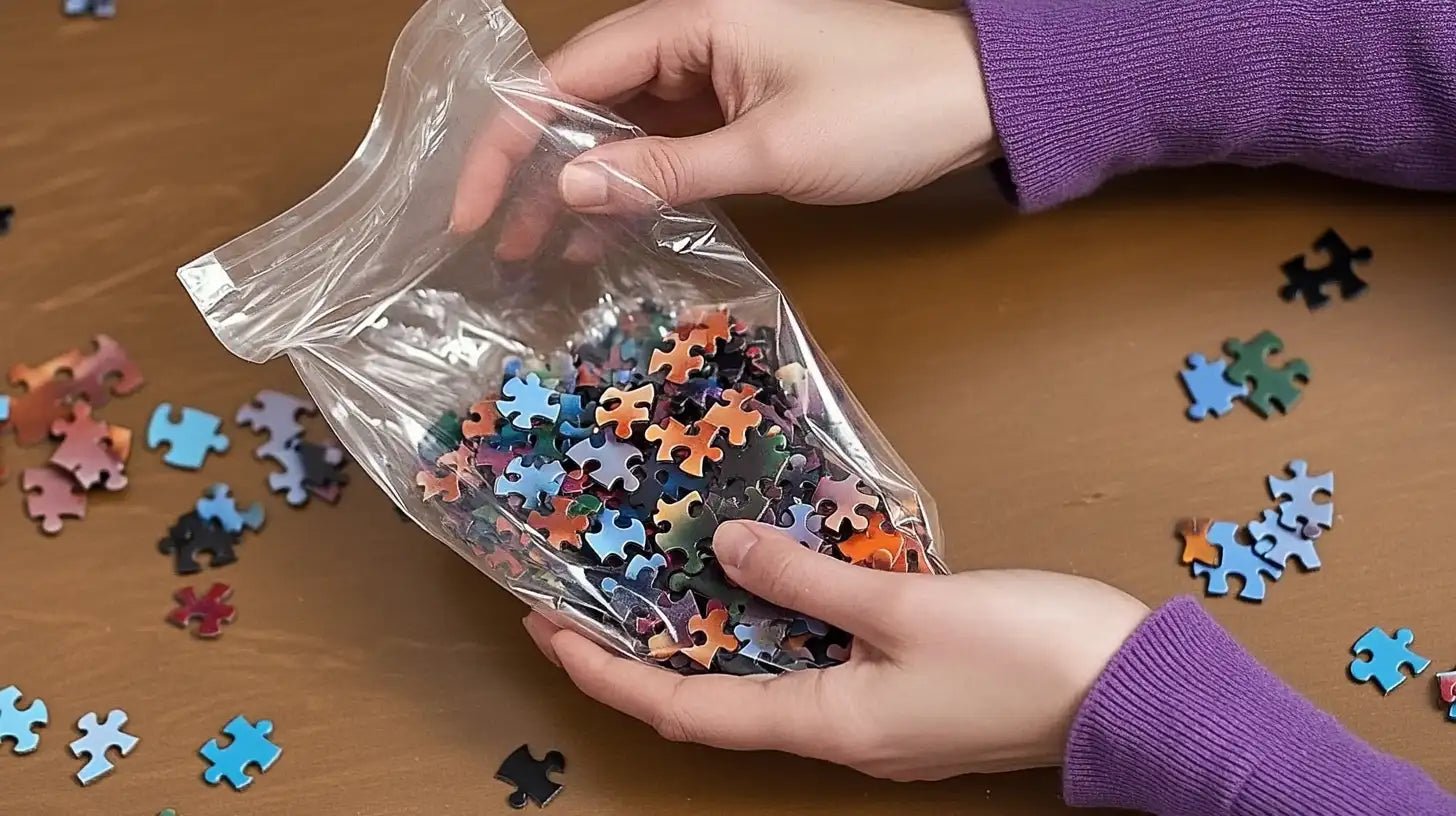
Are you tired of hunting for your jigsaw every time you need it? Keeping your jigsaws organized and safe can save you time and frustration.
Imagine opening your cabinet and instantly finding the exact tool you need, ready to go. In this guide, you’ll discover simple and effective ways to store your jigsaws in cabinets that protect your tools and keep your workspace neat. Whether you have one or several, these storage tips will make your projects smoother and your tools last longer.
Keep reading to transform your clutter into order with easy storage solutions designed just for you.

Credit: mossawistudios.com
Choosing The Right Cabinet
Storing jigsaws neatly helps keep your space organized. Picking the right cabinet is key to protect your puzzles.
A good cabinet saves space and keeps pieces safe from dust and damage. Think about your needs before buying.
Types Of Cabinets For Jigsaw Storage
There are many types of cabinets to store jigsaws. Some have shelves, others have drawers or bins.
Choose a style that fits your room and the number of puzzles you own.
- Shelf cabinets hold puzzles stacked flat or upright
- Drawer cabinets allow sorting pieces by size or color
- Bin cabinets use containers to keep puzzles separate
- Wall-mounted cabinets save floor space
Material And Durability Considerations
Cabinet materials affect how long they last and how they look. Wood, metal, and plastic are common options.
Wood cabinets look nice and are strong. Metal cabinets resist damage but can be heavy. Plastic cabinets are light and easy to clean.
- Wood: sturdy, classic style, may need care
- Metal: durable, modern look, heavier to move
- Plastic: lightweight, affordable, less strong
Size And Capacity Matters
Pick a cabinet size that fits your puzzle collection and room space. Too small means no room to grow.
Think about how many puzzles you want to store and their box sizes. Choose a cabinet with enough shelves or drawers.
- Measure your puzzle boxes before buying
- Leave space for future puzzles
- Make sure the cabinet fits your room layout
- Check if shelves or drawers are adjustable

Credit: nautiluspuzzles.com
Preparing Your Jigsaws For Storage
Storing your jigsaws properly keeps them safe and ready to use. Taking time to prepare them helps avoid damage and rust.
Follow simple steps to clean, remove blades, and protect all parts before putting them in cabinets.
Cleaning And Maintenance Tips
Clean your jigsaw after each use to remove dust and debris. Wipe the outside with a dry cloth to stop dirt buildup.
Check the vents and moving parts. Use a small brush or compressed air to clear out sawdust and particles.
- Unplug the jigsaw before cleaning
- Use a soft brush for tight spots
- Keep the tool dry to avoid rust
Removing Blades Safely
Always remove the blade before storing your jigsaw. This prevents accidents and keeps the blade sharp.
Use the blade release mechanism or a screwdriver if needed. Wear gloves to protect your hands during removal.
- Unplug the jigsaw first
- Press the blade release or loosen screws
- Handle blades carefully to avoid cuts
- Store blades in a safe place separately
Protecting Jigsaw Components
Cover the jigsaw with a cloth or place it in a case to protect it from dust and moisture. Keep it in a dry cabinet.
Check moving parts like the shoe plate and adjusters. Apply a light machine oil to keep them working smoothly.
- Use a dust cover or plastic bag
- Store jigsaws upright if possible
- Oil moving parts lightly before storage
- Keep storage area dry and clean
Space-saving Storage Techniques
Storing jigsaw puzzles in cabinets can save space and keep them safe. Using smart methods helps keep puzzles organized and easy to find.
This guide covers three ways to store jigsaws: adjustable shelves, drawer organizers, and vertical vs horizontal storage.
Using Adjustable Shelves
Adjustable shelves let you change the space between shelves to fit puzzle boxes. You can customize the height to store different box sizes.
- Keep puzzles upright to save space.
- Set shelves close together for small boxes.
- Leave more space for bigger puzzles.
- Use labels on shelves for easy sorting.
Incorporating Drawer Organizers
Drawer organizers divide space inside drawers. They keep puzzle pieces or small boxes separated and neat.
| Type of Organizer | Best Use |
| Grid Dividers | Separate puzzle pieces by color |
| Shallow Trays | Store puzzle boxes flat |
| Stackable Inserts | Increase vertical space inside drawers |
Vertical Vs Horizontal Storage
Choosing vertical or horizontal storage affects space and access. Vertical saves space, horizontal protects boxes.
- Vertical:Store puzzle boxes like books. Easy to pull out one at a time.
- Horizontal:Stack boxes flat. Protects boxes but takes more shelf space.
- Mix both types to fit your cabinet size and puzzle collection.
Maximizing Cabinet Efficiency
Storing jigsaws and their accessories neatly saves time and space. A well-organized cabinet helps you find tools fast.
Use smart methods to keep your jigsaws and parts ready for your next project. Proper storage protects tools and keeps your workspace tidy.
Labeling And Categorizing Tools
Labeling your tools makes it easier to locate them quickly. Grouping similar items together reduces clutter and saves space.
- Use clear labels on boxes or drawers for each jigsaw part.
- Categorize blades by type and size for fast selection.
- Mark storage containers with simple tags or stickers.
- Keep manuals or instructions in labeled folders nearby.
Utilizing Door Space
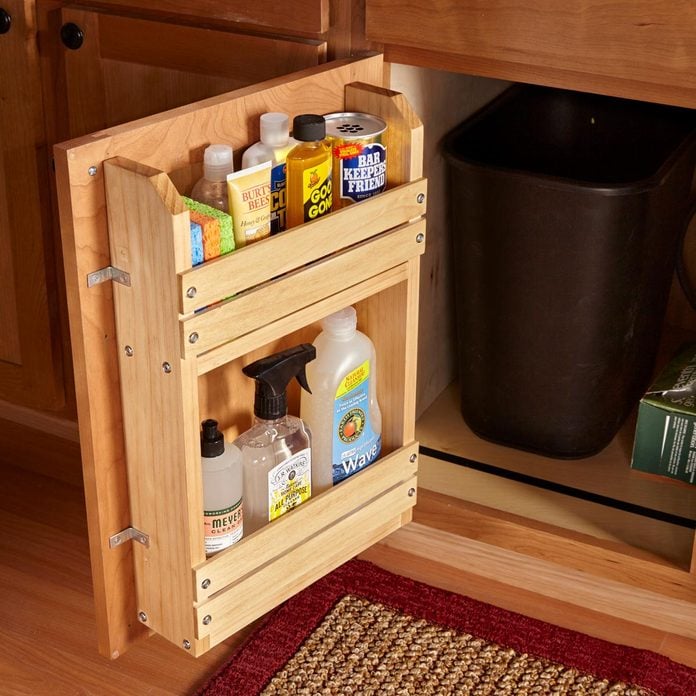
The inside of cabinet doors offers extra room for storage. Use hooks, racks, or small shelves to hold jigsaw accessories.
| Door Storage Option | Use |
| Hooks | Hang cords or small tools |
| Small Racks | Store blades and small parts |
| Magnetic Strips | Hold metal bits and screws |
| Clear Pockets | Keep manuals or papers |
Stacking And Nesting Strategies
Stacking and nesting save space by using vertical and inside room wisely. Arrange items to avoid damage and keep access easy.
- Stack storage boxes from largest to smallest.
- Place jigsaw bodies inside padded compartments.
- Nest blades inside blade holders or cases.
- Use dividers to separate delicate parts.
Safety And Accessibility
Storing jigsaws properly helps keep them safe and easy to use. Good storage protects tools and prevents accidents.
Organizing jigsaws in cabinets makes them quick to find. This saves time and keeps your workspace tidy.
Securing Jigsaws To Prevent Damage
Keep jigsaws in place to avoid falls or bumps. Use straps or hooks inside the cabinet to hold them steady.
Store blades separately to stop them from getting dull or broken. Use blade covers or small boxes for safety.
- Use padded holders to reduce scratches
- Hang jigsaws by handles or hangers
- Keep blades in blade guards or cases
- Check cabinet shelves for firmness
Ensuring Easy Access
Arrange jigsaws so you can reach them without moving other tools. Place frequently used jigsaws at the front.
Label shelves or hooks to find the right jigsaw fast. Clear organization saves time during work projects.
- Place heavier jigsaws on lower shelves
- Use pull-out trays for deep cabinets
- Keep cords neatly coiled and visible
- Group similar jigsaws together
Childproofing Storage Cabinets
Keep children safe by locking cabinets that store jigsaws. Use childproof locks or latches to block access.
Store sharp blades and electrical parts out of reach. Teach children that these tools are not toys.
- Install magnetic or keyed cabinet locks
- Store blades in locked boxes inside cabinets
- Keep power cords unplugged when not in use
- Place safety signs on cabinet doors
Additional Tips And Tricks
Storing jigsaws in cabinets keeps your tools safe and organized. Using the right methods can protect your jigsaws from damage and make them easy to find.
Below are some tips and tricks to help you store your jigsaws properly and maintain your collection over time.
Using Foam Inserts For Protection
Foam inserts cushion your jigsaws and prevent scratches. They fit inside drawers or cabinets and keep each piece in place. Foam also reduces noise when moving the cabinet.
- Choose foam with the right thickness for your jigsaws.
- Cut foam to fit the shape of each jigsaw piece.
- Use adhesive spray to fix foam inserts inside the cabinet.
- Check foam regularly for wear and replace if needed.
Customizing Cabinets For Specific Needs
Custom cabinets make jigsaw storage easier. You can add shelves, dividers, or hooks based on your jigsaw sizes. This helps keep everything neat and accessible.
| Feature | Benefit |
| Adjustable shelves | Fits jigsaws of different heights |
| Dividers | Separates pieces to avoid mix-ups |
| Hooks | Hangs cords or accessories neatly |
| Label holders | Makes identifying tools faster |
Regular Inventory Checks
Checking your jigsaw inventory often helps you keep track. You can spot missing pieces or tools that need repair. This practice saves time and avoids frustration.
- Set a schedule to review your jigsaws monthly or quarterly.
- Count each jigsaw and check for damage.
- Note down any missing parts or needed repairs.
- Organize and clean the cabinet during each check.
Credit: www.familyhandyman.com
Frequently Asked Questions
How To Organize Jigsaws Inside Cabinets Effectively?
Organize jigsaws by size and type inside cabinets. Use dividers or trays to separate pieces. Label sections for easy identification. This keeps jigsaws tidy and accessible, saving time during use.
What Materials Are Best For Jigsaw Storage Cabinets?
Wood and plastic cabinets are ideal for jigsaw storage. Wood offers durability and a classic look. Plastic provides lightweight, moisture-resistant options. Choose based on your workspace needs and budget.
How To Prevent Jigsaw Damage When Stored In Cabinets?
Store jigsaws in padded compartments or use foam inserts. Keep blades covered and remove batteries if applicable. Proper storage prevents scratches, rust, and accidental damage.
Can Jigsaw Cabinets Improve Workshop Safety?
Yes, cabinets keep jigsaws out of reach from children and pets. They also reduce clutter, minimizing trip hazards. Secure cabinets with locks for added safety in busy workshops.
Conclusion
Organizing jigsaws in cabinets keeps them safe and accessible. Choose the right cabinet for your space and collection size. Stack boxes neatly to maximize room. Use clear labels for easy identification. Consider dividers or trays for sorting pieces. Regularly check and maintain your collection to prevent damage.
Enjoy a tidy and clutter-free puzzle area. Storage solutions make finding and assembling puzzles enjoyable. Simple steps ensure your jigsaws stay in good condition. Now, you can focus on the fun of completing each puzzle. Happy puzzling!