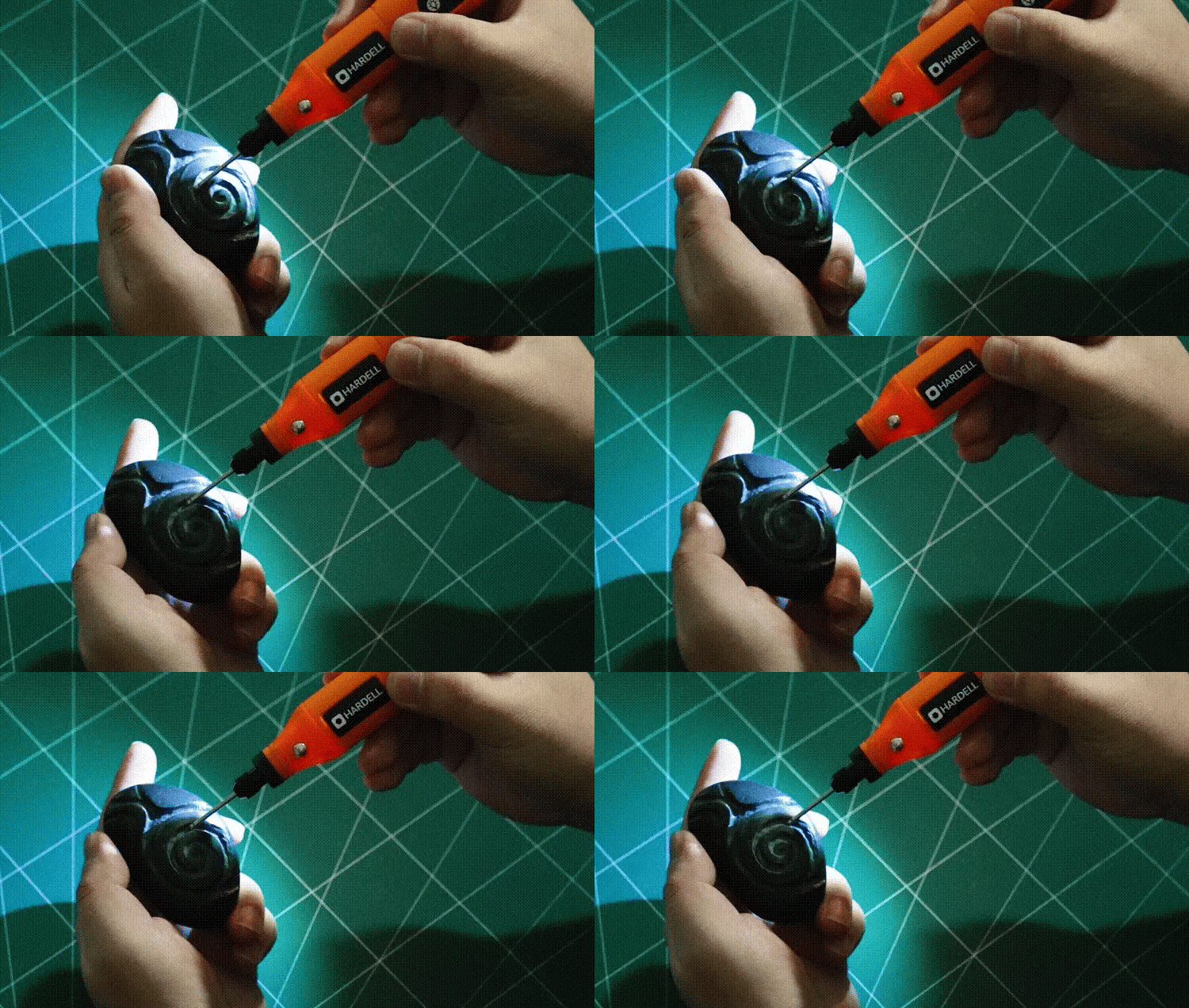
If you want your rotary tool to deliver precise, reliable results every time, proper maintenance is key. Imagine working on your project without worrying about your tool losing power or accuracy halfway through.
Keeping your rotary tool in top shape not only extends its life but also ensures your work stays sharp and flawless. You’ll discover simple, effective ways to maintain your rotary tool so it always performs at its best. Stick with us, and you’ll never have to struggle with a worn-out or sluggish tool again.
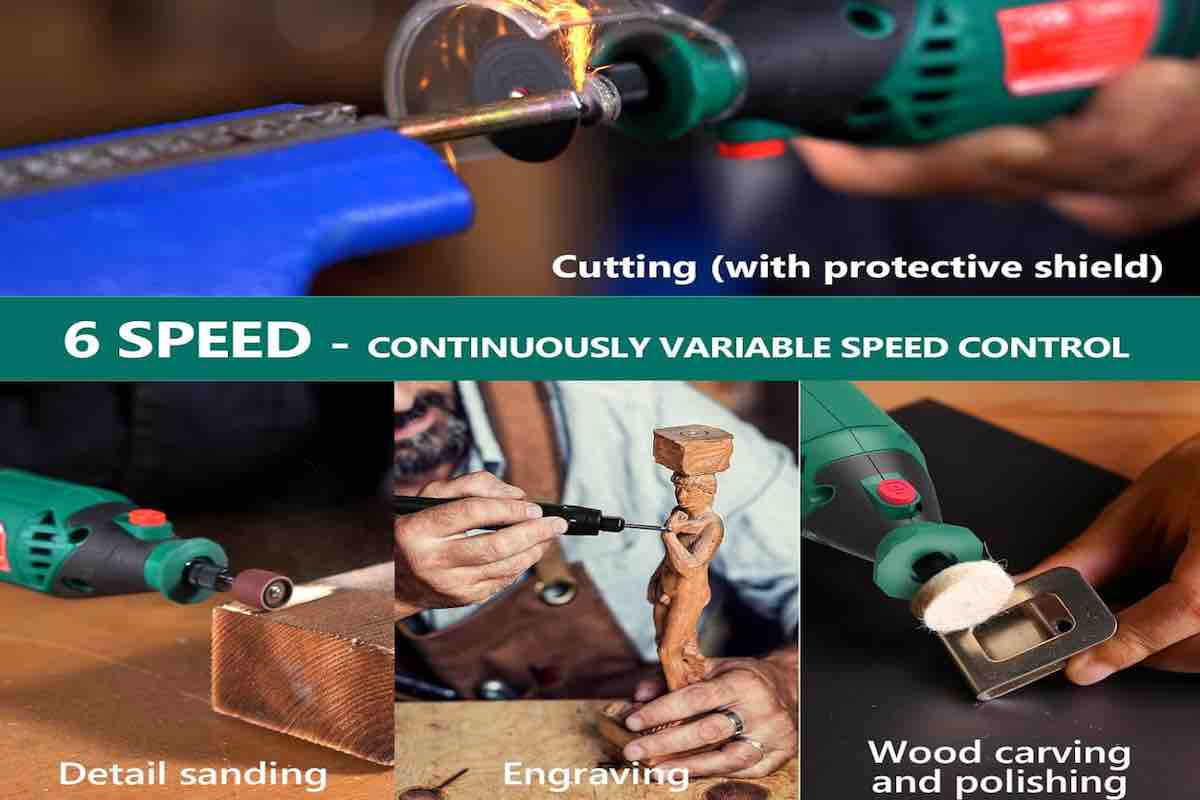
Credit: tendsupplies.com
Choosing The Right Rotary Tool
Picking the correct rotary tool is key for precise work. The right tool helps you finish tasks smoothly.
Consider your project and the tool’s features. This guide helps you choose wisely.
Selecting Based On Project Needs
Think about what you will use the rotary tool for. Different projects need different tools and attachments.
Some tools work better for carving, while others suit sanding or polishing. Match the tool to your task.
- Use fine bits for detailed carving
- Choose wider bits for sanding surfaces
- Pick tools with good grip for steady control
- Select models with easy bit changes for varied tasks
Evaluating Power And Speed Options
Look at the power and speed settings of the rotary tool. These affect how well you control the work.
Higher power helps cut hard materials. Variable speed lets you adjust for delicate or tough jobs.
| Power Level | Best Use | Speed Range (RPM) |
|---|---|---|
| Low | Delicate work, polishing | 5,000 – 15,000 |
| Medium | General sanding, carving | 15,000 – 25,000 |
| High | Cutting hard materials, heavy grinding | 25,000 – 35,000 |

Credit: eternaltools.com
Essential Maintenance Supplies
Keeping your rotary tool in good shape is key for precise work. Using the right supplies helps your tool last longer and work better.
This guide covers the main supplies you need for cleaning, lubricating, and storing your rotary tool safely.
Cleaning Tools And Lubricants
Cleaning your rotary tool removes dust and debris that affect performance. Lubricants keep moving parts smooth and prevent wear.
- Soft brushes to remove dust from vents and crevices
- Compressed air cans to blow out hard-to-reach spots
- Microfiber cloths for wiping the tool’s surface
- Light machine oil to lubricate bearings and shafts
- Contact cleaner spray for switches and electrical parts
Storage Solutions
Proper storage protects your rotary tool from damage and dust. It also keeps accessories organized and easy to find.
| Storage Item | Purpose | Benefits |
|---|---|---|
| Hard plastic case | Protects tool and accessories | Prevents impact damage and dust |
| Foam inserts | Keeps tool parts secure | Stops parts from moving or scratching |
| Small containers | Organizes bits and attachments | Makes finding tools quick and easy |
| Silica gel packs | Absorbs moisture inside storage | Reduces rust and corrosion risk |
Cleaning Your Rotary Tool
Maintaining your rotary tool is important for precise work. Keeping it clean helps the tool last longer and work better.
Regular cleaning removes dust and dirt that can cause problems. Follow these tips to clean your rotary tool carefully.
Removing Dust And Debris
Dust and debris build up quickly during use. Removing them keeps your tool running smoothly and safely.
- Unplug the rotary tool before cleaning.
- Use a soft brush to remove loose dust from vents and surfaces.
- Blow air gently through the vents to clear dust inside.
- Wipe the tool body with a dry or slightly damp cloth.
- Avoid using water directly on the tool to prevent damage.
Cleaning Collets And Attachments
Collets and attachments collect grime that reduces grip and precision. Clean these parts regularly for best results.
| Part | Cleaning Method | Tips |
|---|---|---|
| Collets | Use a small brush or toothpick to clear debris. | Remove the collet from the tool before cleaning. |
| Attachments | Soak in warm, soapy water and dry thoroughly. | Check for wear or damage before reuse. |
| Wrench | Wipe clean and remove dust after each use. | Keep it handy for quick attachment changes. |
Lubrication Techniques
Keeping a rotary tool well-lubricated helps it run smoothly. Proper lubrication lowers friction and wear on parts.
Using the right lubrication method keeps your tool precise and extends its life. It is important to know where and how often to apply oil.
Identifying Lubrication Points
Look at the tool’s manual to find exact lubrication points. These spots usually include the spindle, bearings, and moving joints.
Check these parts regularly for signs of dryness or noise. These signs mean lubrication is needed to keep the tool working well.
- Spindle: where the bit spins
- Bearings: help the parts rotate smoothly
- Collet: holds the tool bit tightly
- Moving joints: any place that moves or pivots
Frequency Of Application
Lubricate the rotary tool after every few hours of use. Check the manual for exact timing based on your model.
If you use the tool a lot, apply oil more often. For light use, lubrication every month can be enough.
- Heavy use: lubricate after 2-3 hours of work
- Moderate use: lubricate once a week
- Light use: lubricate once a month
- Always clean parts before applying oil
Inspecting And Replacing Parts
Maintaining a rotary tool is essential for precise work. Checking parts regularly helps keep it running smoothly.
Replacing worn parts prevents damage and ensures accurate results in your projects.
Checking Brushes And Bearings
Brushes and bearings wear out over time. Worn brushes can cause poor motor performance. Damaged bearings create noise and affect tool stability.
- Remove the brush caps to inspect brushes for wear or cracks.
- Replace brushes if they are shorter than the manufacturer’s recommended length.
- Spin the bearings to check for smooth rotation.
- Replace bearings if they feel rough or make noise.
Replacing Worn Components
Use the right tools to replace parts safely. Follow the manufacturer’s guide for your rotary tool model.
| Component | Signs of Wear | Replacement Tips |
| Brushes | Short, cracked, or burnt | Replace with exact size brushes |
| Bearings | Noisy or rough rotation | Use proper bearing puller for removal |
| Collets | Loose grip on bits | Replace if bits wobble during use |
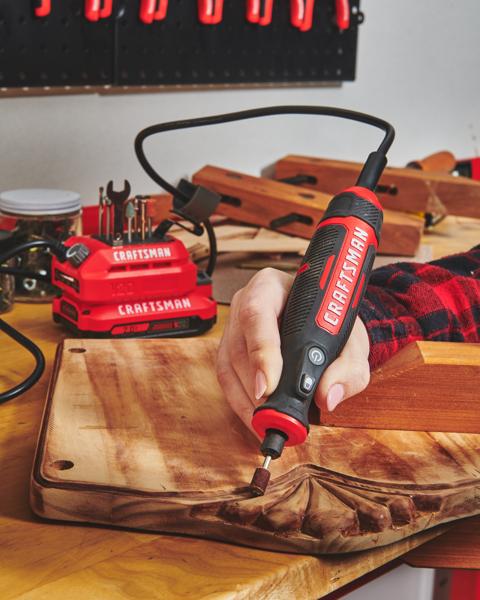
Credit: www.craftsman.com
Calibrating For Precision
Maintaining a rotary tool for precision work requires careful calibration. This ensures your tool performs accurately for detailed tasks.
Proper calibration helps you avoid mistakes and improves the quality of your projects.
Adjusting Speed Settings
Set the speed according to the material you work on. Slow speeds suit soft materials, while hard materials need higher speeds.
Check your rotary tool’s speed dial or digital display before starting. Adjust it carefully to keep control and precision.
- Low speed prevents burning or melting soft materials
- High speed cuts through hard materials easily
- Use medium speed for general tasks
- Test speed on scrap material first
Ensuring Attachment Stability
Check that all attachments fit tightly in the rotary tool. Loose parts cause wobbling and reduce precision.
Tighten collets and bits securely before use. Replace worn or damaged attachments to keep accuracy high.
- Insert bits fully into the collet
- Tighten collet nut using the proper tool
- Inspect attachments for cracks or wear
- Use the correct attachment for your task
Safe Usage Practices
Using a rotary tool for precision work needs care and attention. Safety keeps you from harm and helps your work stay accurate.
Follow simple safety steps to protect yourself and your tool. This guide focuses on safe handling and avoiding overheating.
Handling And Grip Tips
Hold your rotary tool firmly but not too tight. A relaxed grip helps you control the tool better and reduces hand fatigue.
Use both hands if needed. One hand can guide the tool while the other supports it for steady movements.
- Keep your fingers away from the rotating bit
- Wear gloves to protect your hands
- Use a comfortable grip that suits your hand size
- Keep the tool steady for precise cuts
Avoiding Overheating
Overheating can damage your rotary tool and the workpiece. It also makes the tool unsafe to hold.
Take breaks to let the tool cool down. Do not push the tool too hard as it causes extra heat.
- Use the correct speed for your task
- Apply light pressure; let the tool do the work
- Keep the ventilation openings clear
- Stop and rest the tool if it feels hot
Storage And Long-term Care
Proper storage and care keep your rotary tool ready for precise work. It helps the tool last longer and work smoothly.
Taking simple steps to protect your tool from damage improves its performance. Let’s look at how to store and maintain it well.
Protecting From Moisture And Dust
Moisture and dust can damage your rotary tool’s motor and parts. Keep the tool dry and clean for best results.
- Store the tool in a dry, cool place away from humidity.
- Use a sealed case or container to prevent dust build-up.
- Clean the tool with a soft cloth after each use.
- Avoid leaving the tool in damp areas like bathrooms or garages.
- Consider silica gel packs in the storage case to absorb moisture.
Periodic Tool Checks
Regular checks help spot problems before they become serious. Inspect parts and keep everything tight and clean.
| Check Item | What to Look For | Frequency |
| Power Cord | Frays, cuts, or loose connections | Before each use |
| Collet and Bits | Wear, proper fitting, and cleanliness | After every use |
| Ventilation Slots | Dust or debris blocking airflow | Monthly |
| Motor Noise | Unusual sounds or vibrations | During use |
| Switch Operation | Smooth turning on/off | Monthly |
Frequently Asked Questions
How Often Should I Clean My Rotary Tool For Precision Work?
Clean your rotary tool after every use to maintain accuracy. Remove dust and debris to prevent clogging and wear. Regular cleaning ensures smooth operation and prolongs the tool’s lifespan.
What Lubricants Are Best For Rotary Tool Maintenance?
Use light machine oil or manufacturer-recommended lubricants for rotary tools. Apply sparingly to moving parts to reduce friction. Proper lubrication keeps the tool running smoothly and prevents overheating.
How Do I Replace Rotary Tool Accessories Safely?
Always unplug the rotary tool before changing accessories. Use the correct wrench to loosen the collet nut. Secure the new accessory firmly to avoid accidents during precision work.
Why Is Regular Inspection Important For Rotary Tools?
Regular inspection detects wear, damage, or loose parts early. It prevents malfunction and ensures precision in your work. Timely repairs save money and extend tool life.
Conclusion
Maintaining your rotary tool is key for precision work. Regular cleaning keeps it in top shape. Lubricate the parts to avoid wear. Check the attachments for any damage. Replace worn-out parts immediately. Store your tool in a dry place. This prevents rust and dust build-up.
Follow these steps for lasting performance. Your projects deserve a reliable tool. With care, your rotary tool will serve you well. Happy crafting!