When you work with chemicals, your eyes face serious risks every day. Choosing the right safety glasses isn’t just about comfort—it’s about protecting your vision from harmful splashes, fumes, and debris.
But with so many options available, how do you know which glasses will keep you safest? You’ll discover simple, clear steps to pick the perfect safety glasses for your chemical work. By the time you finish reading, you’ll feel confident that your eyes are truly protected.
Keep reading to learn what matters most for your safety.
Credit: www.popularmechanics.com
Types Of Safety Glasses
Choosing the right safety glasses is key for working with chemicals. Different types protect your eyes in different ways.
Knowing the types helps you pick glasses that keep your eyes safe from splashes and fumes.
Basic Eye Protection
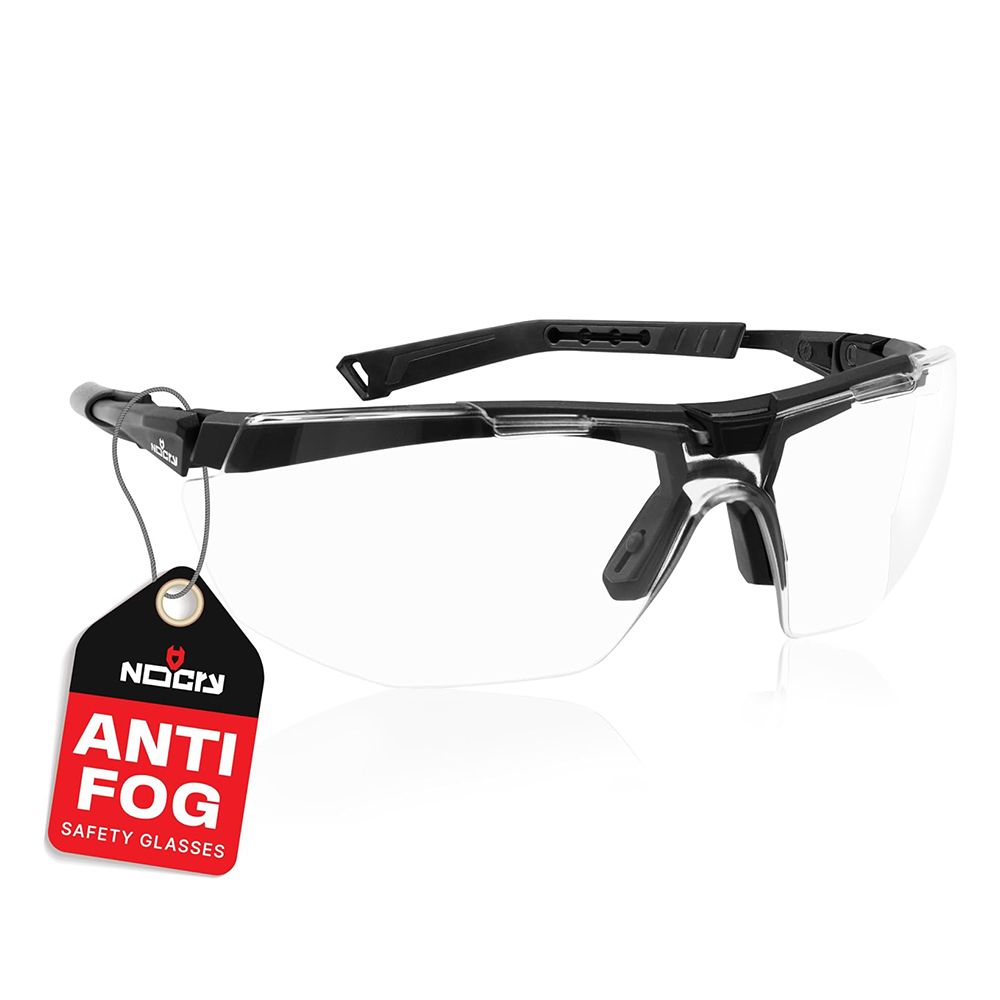
Basic safety glasses look like regular glasses but are stronger. They protect against dust and small particles.
These glasses usually have side shields to block particles from the sides. They are comfortable for long use.
Chemical Splash Goggles
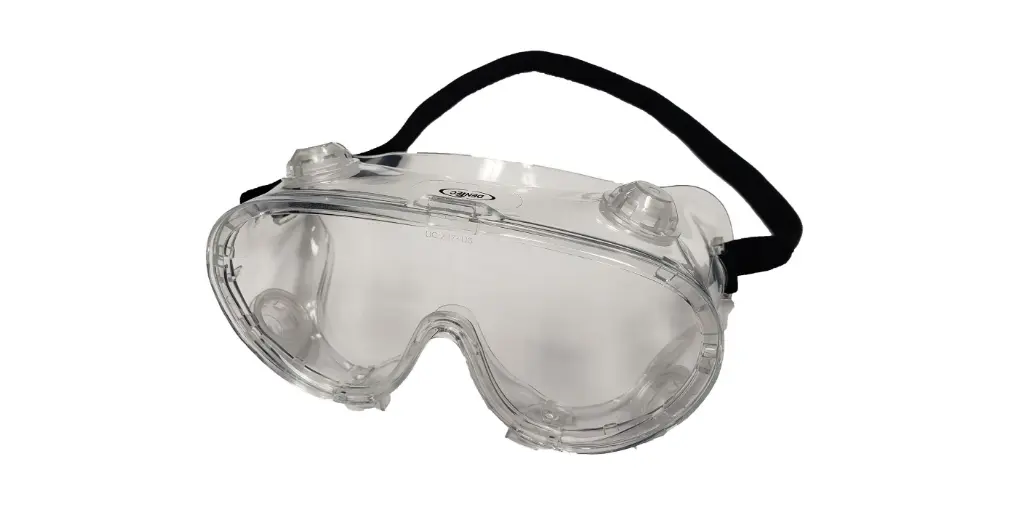
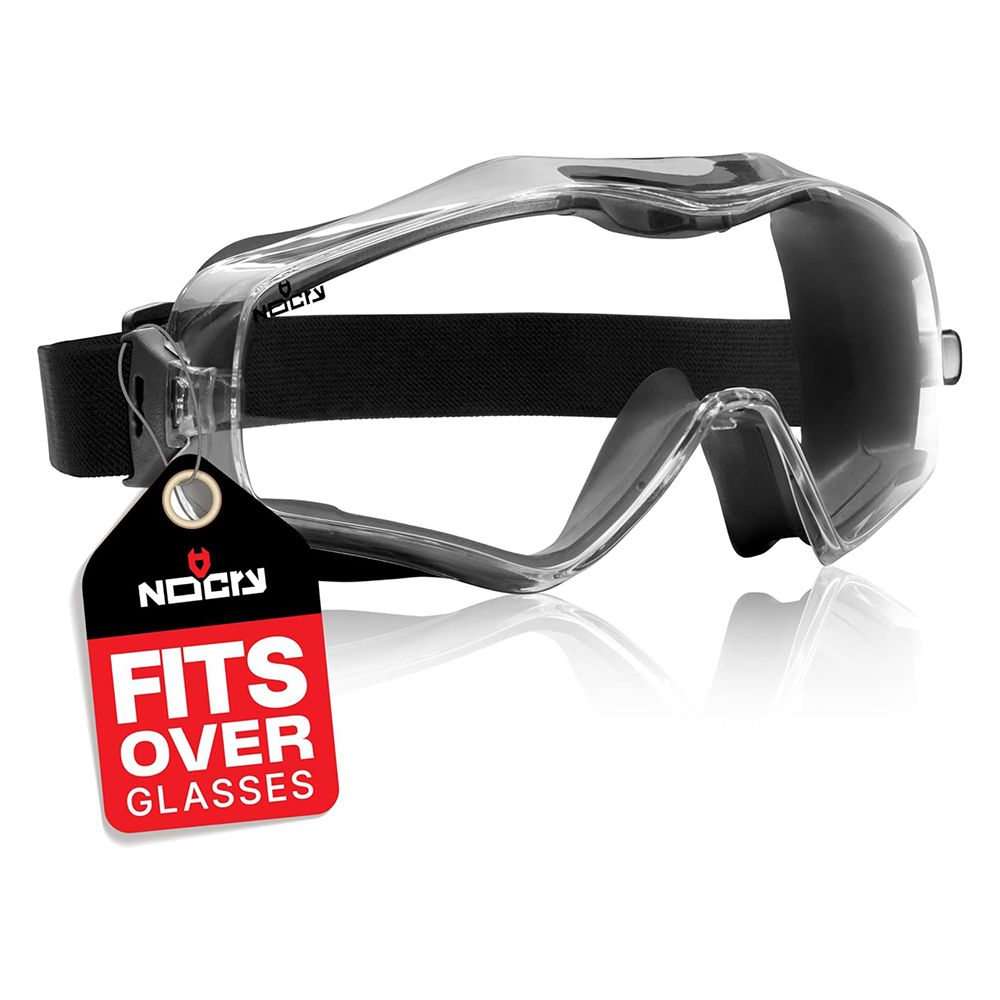
Chemical splash goggles offer full eye protection. They seal around your eyes to stop liquid chemicals from getting in.
These goggles help prevent damage from splashes and fumes. They are the best choice for heavy chemical work.
- Wraparound design for full coverage
- Ventilation to reduce fogging
- Soft seals for comfort and safety
Prescription Safety Glasses
Prescription safety glasses combine vision correction and eye protection. They fit your eyesight needs and protect from hazards.
You can get them with side shields or as splash goggles. They help people who need glasses to work safely with chemicals.
Credit: www.popularmechanics.com
Key Safety Standards
Choosing the right safety glasses is important for working with chemicals. Safety glasses protect your eyes from splashes and harmful substances.
Following safety standards ensures your glasses provide the needed protection. Learn about key standards to select the best safety glasses for chemical work.
Ansi Z87.1 Certification
ANSI Z87.1 is a safety standard for eye protection in the United States. Glasses with this certification meet strict rules for impact and chemical splash resistance.
Look for the Z87 mark on the glasses or packaging. This mark shows the glasses passed tests for durability and protection.
Osha Requirements
OSHA sets rules for workplace safety, including eye protection. Employers must provide safety glasses that meet these rules.
OSHA requires safety glasses to protect against hazards like chemical splashes and flying particles. Using approved glasses helps avoid injuries and fines.
Impact And Chemical Resistance
Safety glasses for chemical work must resist impact and chemicals. Impact resistance stops flying debris from breaking the lenses.
Chemical resistance protects your eyes from splashes and fumes. Look for glasses made from strong materials like polycarbonate with special coatings.
- Polycarbonate lenses offer good impact resistance
- Coatings protect against fog and scratches
- Sealed or wraparound designs reduce chemical entry
Material And Lens Options
Choosing the right safety glasses for chemical work is important. The material and lens type affect protection and comfort. Understanding the options helps you pick the best glasses.
Safety glasses must resist impact and chemical splashes. Lens features like coatings and UV protection add extra safety.
Polycarbonate Lenses
Polycarbonate lenses are strong and lightweight. They resist impact better than glass or plastic. These lenses protect your eyes from flying debris and chemical splashes.
Polycarbonate also blocks harmful UV rays naturally. This helps protect your eyes during outdoor chemical work.
Anti-fog Coatings
Anti-fog coatings stop lenses from fogging. Fogging can block your view and cause accidents. These coatings keep your glasses clear in humid or warm conditions.
- Improves vision in humid environments
- Reduces need to wipe lenses
- Increases safety and comfort
Uv Protection Features
UV protection shields your eyes from harmful ultraviolet light. Chemical work sometimes happens outdoors. UV protection reduces risks of eye damage from the sun.
| UV Protection Level | Description |
| UV400 | Blocks 99-100% of UVA and UVB rays |
| UV300 | Blocks most UVA and some UVB rays |
| No UV Protection | Does not block ultraviolet rays |

Credit: cen.acs.org
Fit And Comfort Factors
Choosing the right safety glasses for chemical work means focusing on fit and comfort. Glasses that fit well protect better and feel easier to wear all day.
Comfort helps you keep the glasses on without adjusting them often. This lowers the risk of exposure to chemicals.
Adjustable Frames
Adjustable frames let you change the fit around your head and nose. This helps the glasses stay secure and stop chemicals from getting in.
Look for frames with movable nose pads and flexible temples. They let you customize the fit for your face shape.
- Adjust nose pads for comfort and seal
- Flexible temples fit different head sizes
- Adjustable arms reduce slipping during work
Ventilation And Breathability
Good ventilation prevents fogging and keeps your vision clear. Breathable glasses help air flow without letting chemicals in.
Choose glasses with vents that block splashes but allow air to pass. This keeps your eyes comfortable and safe.
- Side vents improve airflow
- Indirect vents stop chemical spray
- Anti-fog coatings add extra clarity
Weight And Pressure Points
Lightweight safety glasses reduce tiredness. Heavy glasses press on your nose and ears, causing discomfort.
Check for glasses that spread pressure evenly. Soft padding at contact points lowers pain and marks on skin.
- Choose lightweight materials like polycarbonate
- Look for padded nose bridges
- Soft temple tips reduce ear pressure
Additional Protective Features
Safety glasses for chemical work need extra features to protect your eyes well. These features help block splashes and harmful fumes.
Choosing glasses with the right protective parts keeps you safer in the workplace. Look for side shields, sealing gaskets, and respirator compatibility.
Side Shields
Side shields cover the sides of your eyes. They stop chemicals from entering from the side angles.
These shields add extra protection without blocking your view. Choose glasses with strong, clear side shields.
- Protect against splashes from the side
- Made of plastic or metal
- Should fit snugly but comfortably
Sealing Gaskets
Sealing gaskets create a close seal around your eyes. They prevent chemicals and fumes from getting inside.
Gaskets are usually made of soft, flexible material. They fit tightly against your skin for better safety.
- Blocks dust and liquid splashes
- Made of foam or rubber
- Must fit well to be effective
Compatibility With Respirators
Some chemical work needs both safety glasses and respirators. Glasses must fit well with respirator masks.
Look for glasses designed to work with respirators. This prevents gaps and discomfort while working.
- Fits under or over respirator straps
- Does not block respirator seal
- Comfortable for long use
Maintenance And Care Tips
Safety glasses for chemical work need regular care to keep them safe and clear.
Proper maintenance helps protect your eyes and extends the life of your glasses.
Cleaning Procedures
Clean your safety glasses often to remove dust, chemicals, and smudges.
- Rinse glasses with clean water before wiping.
- Use a soft cloth or lens tissue to avoid scratches.
- Apply mild soap if needed, then rinse well.
- Do not use harsh chemicals or abrasive cleaners.
- Dry glasses with a clean, soft cloth.
Storage Recommendations
Store safety glasses properly to avoid damage and dirt buildup.
| Storage Tip | Reason |
| Keep in a hard case | Protects from scratches and impacts |
| Store away from chemicals | Prevents lens damage and corrosion |
| Keep in a cool, dry place | Prevents warping and fogging |
| Place lenses facing up | Avoids lens surface scratches |
Inspection For Damage
Check your safety glasses for cracks, scratches, and loose parts before use.
- Look closely at lenses for deep scratches.
- Check the frame for cracks or breaks.
- Test hinges and arms for tightness.
- Replace glasses if you see any damage.
- Do not use glasses that impair vision or fit.
Budgeting And Purchasing Tips
Choosing safety glasses for chemical work needs both safety and cost in mind. You want glasses that protect well but do not break your budget.
Smart buying helps you get good glasses without spending too much. Here are tips to balance cost and quality, buy in bulk, and find trusted brands.
Balancing Cost And Quality
Cheap glasses may not protect your eyes properly. Expensive ones might have extra features you don’t need. Look for a good balance.
Check the safety ratings and materials. Pick glasses with strong lenses and good side protection. They should meet safety standards for chemicals.
- Focus on impact and chemical splash resistance
- Choose glasses with anti-fog and scratch-resistant coatings
- Compare prices from different sellers
Bulk Buying Options
Buying in bulk can save money if you need many safety glasses. It also ensures everyone on site has proper eye protection.
Look for suppliers that offer discounts on large orders. Check if the glasses come in sets or packs. Consider storage space before buying a lot.
- Ask about volume discounts
- Check return policy for bulk orders
- Ensure consistent quality across all units
Trusted Brands And Suppliers
Choose brands known for safety and quality. Trusted brands meet strict safety rules and often provide warranties.
Buy from suppliers with good reviews and clear return policies. Reliable sellers help if you need replacements or support.
- Look for certifications like ANSI Z87.1 or EN166
- Check user reviews and ratings
- Buy from authorized dealers or official websites
Frequently Asked Questions
What Materials Are Best For Chemical Safety Glasses?
Polycarbonate lenses are best for chemical safety glasses. They resist impact and chemical splashes. Polycarbonate is lightweight and offers UV protection, making it ideal for chemical work environments.
How Do I Ensure Safety Glasses Fit Properly?
Safety glasses should fit snugly without pressure. They must cover eyes completely and wrap around sides. Adjustable nose pads and temples help achieve a secure, comfortable fit for extended wear.
Are Anti-fog Coatings Necessary For Chemical Safety Glasses?
Yes, anti-fog coatings prevent lens fogging from heat and moisture. This ensures clear vision during chemical tasks and enhances safety by maintaining visibility in humid or high-temperature environments.
Can Tinted Safety Glasses Be Used In Chemical Work?
Tinted safety glasses may reduce visibility in low light. Clear lenses are generally recommended for chemical work to ensure accurate color recognition and maximum visibility in all conditions.
Conclusion
Selecting the right safety glasses for chemical work is crucial. Protecting your eyes should be a top priority. Consider the type of chemicals you handle. Choose glasses with the right lens material. Ensure a snug fit to prevent exposure. Comfort matters too, as you’ll wear them for long hours.
Check for certifications and compliance standards. This guarantees quality and reliability. Regularly inspect your glasses for damage. Replace them when necessary to maintain safety. Stay informed about new advancements in safety gear. Prioritize your safety and make informed choices. Your eyes are worth the effort.
Stay safe and protected.