Transplanting flowers can feel like a daunting task. You want your beloved blooms to thrive in their new home, but the process can be stressful for both you and your plants.
Imagine the joy of seeing your flowers flourish, adding vibrant colors and life to your garden. What if you could make this transition smooth and stress-free? You’ll discover practical tips that ensure your flowers experience minimal stress during transplantation. Whether you’re a seasoned gardener or just starting, these strategies will empower you to transplant with confidence, turning your gardening dreams into a colorful reality.
Keep reading to unlock the secrets to a healthier, happier garden!

Credit: joradahl.de
Choosing The Right Time
Transplanting flowers can be tricky if the timing is wrong. Choosing the right time helps plants settle with less stress.
Knowing the best seasons and time of day can improve the success of moving your flowers.
Best Seasons For Transplanting
Spring and fall are the best seasons to transplant flowers. The weather is mild, helping plants adjust well.
- Spring: Plants start growing after winter rest.
- Fall: Cooler weather helps roots grow before winter.
- Avoid hot summer days that dry out plants.
- Winter is too cold for most flowers to move safely.
Ideal Time Of Day
| Time of Day | Reason |
| Early Morning | Cool temperatures reduce plant stress. |
| Late Afternoon | Sun is less intense, giving plants time to recover. |
| Midday | Too hot, plants can dry and wilt quickly. |
Credit: www.permaculturegardens.org
Preparing The New Location
Choosing the right spot helps flowers grow well after transplanting.
Good preparation reduces stress and helps plants settle quickly.
Soil Quality And Drainage
Check soil before planting. It should be loose and rich in nutrients.
- Remove rocks and old roots
- Mix in compost or organic matter
- Test soil pH for plant needs
- Ensure soil drains well to avoid waterlogging
Sunlight And Space Requirements
Flowers need the right amount of sun and room to grow.
| Flower Type | Sunlight | Space Between Plants |
| Sun-loving | 6-8 hours | 12-18 inches |
| Partial shade | 3-6 hours | 10-15 inches |
| Shade-tolerant | Less than 3 hours | 8-12 inches |
Preparing The Flowers
Transplanting flowers can stress the plants. Preparing them well helps them adapt faster. This guide covers key steps to get flowers ready.
Good preparation reduces damage to roots and leaves. It also improves the chances of healthy growth after transplant.
Watering Before Transplant
Water the flowers one day before transplanting. Moist soil holds roots together and makes digging easier. Avoid watering right before transplant to prevent soggy soil.
Proper watering keeps the plants hydrated. It reduces shock and helps flowers recover quickly in the new spot.
Pruning And Root Care
Trim dead or damaged leaves before moving. Pruning lowers water loss and stress. It also helps the plant focus energy on root growth.
Check roots carefully. Remove broken or rotten roots using clean scissors. Keep the root ball intact to protect fine roots.
- Cut off dead leaves and stems
- Remove damaged roots gently
- Keep most roots and soil together
- Use clean tools to prevent infection

Credit: m.youtube.com
Transplanting Techniques
Transplanting flowers can be tricky. Using the right techniques helps plants adjust well. It also lowers stress on roots and leaves.
Good transplanting means careful digging, handling, and moving. This guide shares tips for these steps.
Digging Up With Minimal Root Damage
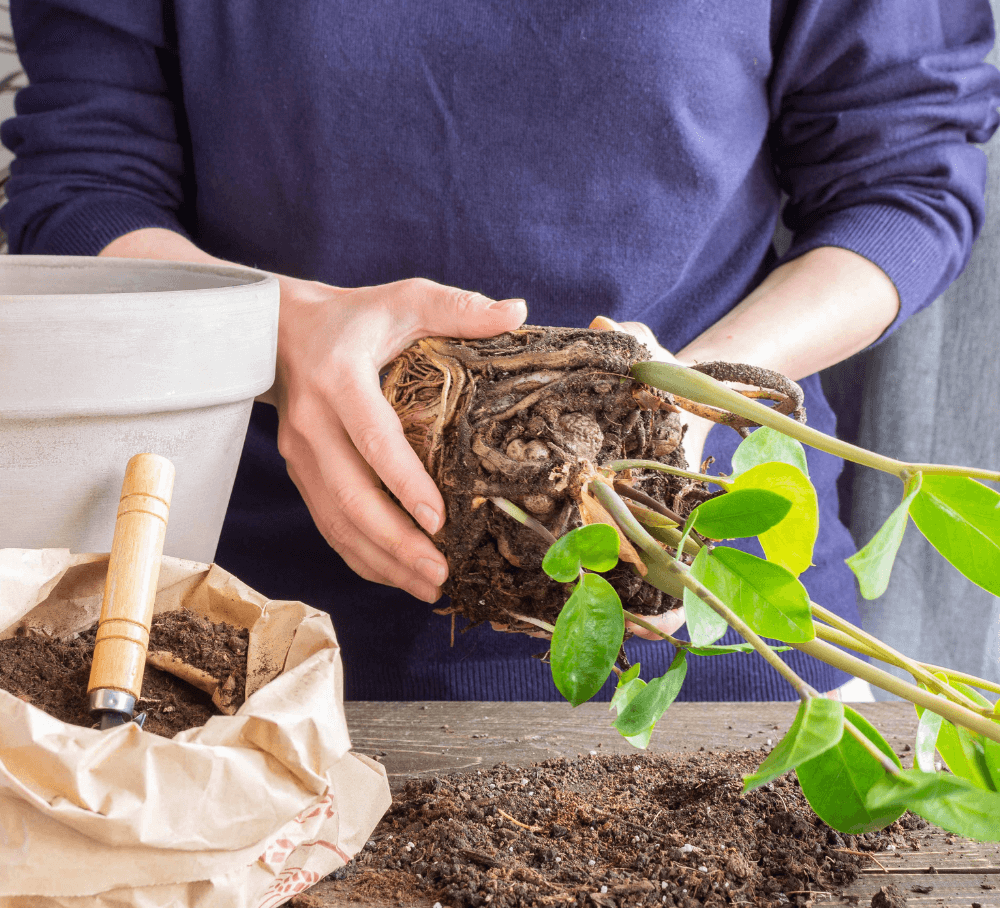
Dig around the plant gently to keep roots safe. Use a small shovel or garden fork to loosen soil.
Lift the plant by its root ball, not by the stems or leaves. This protects the fragile parts of the plant.
- Dig wide enough to include most roots
- Loosen soil without breaking roots
- Keep the root ball intact
- Do not pull the plant from the top
Handling And Transporting Plants
Handle plants gently during moving. Avoid dropping or shaking the root ball. Keep soil around roots moist.
Use a container or wrap roots in damp cloth. This protects roots and keeps them healthy during transport.
- Hold plants by the root ball
- Keep roots covered with soil or damp material
- Move plants quickly to reduce stress
- Place plants in shade if transport takes long
Planting In The New Spot
Transplanting flowers needs care to keep plants healthy. Picking the right spot helps plants grow strong. Prepare the soil before planting for best results.
Planting in a new spot means checking soil and depth. This helps reduce stress on flowers. Follow simple steps for planting success.
Proper Planting Depth
Plant flowers at the same depth as before. Too deep can cause root rot. Too shallow can dry out roots quickly. Check the root ball and soil line carefully.
- Dig a hole twice as wide as the root ball
- Place the plant so the top of the root ball is level with ground
- Fill hole gently, avoid air pockets
- Press soil lightly around the plant
- Water immediately after planting
Soil Amendment And Mulching
Improve soil to help flowers settle in. Adding organic matter makes soil soft and rich. Mulch keeps moisture and stops weeds.
| Soil Amendment | Purpose |
| Compost | Adds nutrients and improves drainage |
| Peat Moss | Increases moisture retention |
| Sand | Improves soil aeration |
| Mulch | Maintains moisture and controls weeds |
Aftercare For Transplanted Flowers
Transplanting flowers can be hard on the plants. Good aftercare helps them grow strong again. You must take care of water, nutrients, and protection.
After moving flowers, watch them closely. Proper care reduces transplant shock and helps flowers bloom.
Watering Schedule
Water is very important after transplanting. Keep the soil moist but not too wet. Water deeply to reach the roots.
Water the flowers every day for the first week. Then reduce to every two or three days depending on weather and soil.
- Water early in the morning or late in the evening
- Avoid watering leaves to prevent disease
- Check soil moisture before watering again
Fertilizing Tips
Fertilizer helps flowers get nutrients fast after transplanting. Use a balanced, gentle fertilizer to avoid burning roots.
Feed flowers two weeks after transplanting. Do not over-fertilize because it can harm young plants.
- Choose a fertilizer with equal parts nitrogen, phosphorus, and potassium
- Apply fertilizer diluted with water for better absorption
- Follow package instructions carefully
Protecting From Pests And Weather
Newly transplanted flowers are weak and attract pests. Protect them with natural barriers or gentle sprays.
Use shade cloth or covers to shield flowers from strong sun and wind. This lowers stress and helps recovery.
- Check plants daily for insects or damage
- Use insecticidal soap for pest control if needed
- Cover plants during hot or windy days
- Remove damaged leaves to prevent disease
Signs Of Stress And Recovery
Transplanting flowers can be tough on plants. They often show signs of stress after moving.
Knowing how to spot these signs helps you care for plants better. It also aids in their recovery.
Common Stress Symptoms
After transplanting, flowers may show several stress symptoms. Watch for these signs closely.
- Wilting leaves or petals
- Yellowing or browning foliage
- Slow or no new growth
- Leaves dropping off
- Soil drying out too fast
- Stunted root development
How To Help Plants Bounce Back
Helping flowers recover needs careful steps. Use the right water, light, and soil care.
| Care Action | Why It Helps |
| Water regularly but not too much | Prevents drying and root rot |
| Place in shaded area first | Reduces sun stress |
| Use mulch around roots | Keeps soil moist and cool |
| Avoid heavy fertilizing immediately | Prevents root burn |
| Check soil drainage | Stops waterlogging |
Frequently Asked Questions
How Do I Reduce Shock When Transplanting Flowers?
To reduce shock, water flowers well before moving. Handle roots gently and transplant during cooler parts of the day. Use nutrient-rich soil and keep plants shaded initially to minimize stress and promote quick recovery.
When Is The Best Time To Transplant Flowers?
The best time to transplant flowers is during early morning or late afternoon. These times avoid heat stress. Early spring or fall seasons are ideal for transplanting, allowing roots to establish before extreme weather arrives.
How Should I Prepare Flowers Before Transplanting?
Water flowers a day before transplanting to keep roots hydrated. Prune dead or excess foliage to reduce water loss. Prepare the new site with loose, nutrient-rich soil to ensure healthy root growth after transplanting.
What Soil Conditions Help Transplanted Flowers Thrive?
Use well-draining, nutrient-rich soil with organic matter. Avoid compacted or waterlogged soil. Proper pH levels, depending on flower type, support nutrient absorption and root development, enhancing transplant success.
Conclusion
Transplanting flowers does not have to be hard or stressful. Plan carefully and handle plants gently. Water them well before and after moving. Choose the right time and place for planting. Watch your flowers closely for signs of stress. Give them time to adjust and grow strong.
With patience and care, your flowers will thrive in their new home. Enjoy the beauty they bring to your garden. Simple steps make a big difference in plant health. Keep these tips in mind for successful transplanting every time.