Are you ready to tackle your demolition project but worried about staying safe? Using a crowbar might seem straightforward, but without the right approach, it can lead to accidents or injuries.
You’ll discover simple yet powerful tips to use a crowbar safely and effectively. By following these easy steps, you’ll protect yourself while making your work faster and smoother. Keep reading to learn how to handle your crowbar like a pro and get the job done without any setbacks.
Choosing The Right Crowbar
Using a crowbar safely starts with picking the right one. The right crowbar helps you work better and avoid injuries.
Consider the type, material, and size before buying a crowbar for demolition tasks.
Types Of Crowbars
Crowbars come in different shapes and sizes. Each type serves a specific purpose in demolition work.
- Flat Pry Bar:Thin, flat end good for lifting and prying nails.
- Gooseneck Crowbar:Curved end for heavy leverage and pulling nails.
- Wrecking Bar:Longer and thicker for heavy demolition and breaking materials.
- Nail Puller:Designed specifically to pull out nails cleanly.
Material And Size Considerations
Choose the right material and size to match the task and your strength. Crowbars are made from steel or alloy for strength.
| Material | Pros | Cons |
| Carbon Steel | Strong and durable | Can rust if not cared for |
| Alloy Steel | Lightweight and strong | Usually more expensive |
| Chrome Vanadium | Corrosion-resistant | May cost more |
- Length:Longer bars give more leverage but can be harder to control.
- Weight:Heavier bars break tough materials but tire you faster.
- Grip:Look for a comfortable grip to avoid slipping and hand strain.

Credit: trueprepper.com
Personal Protective Equipment
Using a crowbar for demolition can be risky. Wearing the right protective gear helps keep you safe.
Protecting your hands, eyes, feet, and body reduces injuries during work.
Gloves And Eye Protection
Gloves protect your hands from cuts and bruises. Choose gloves with a good grip and tough material.
Eye protection stops dust and debris from hurting your eyes. Wear safety goggles or glasses that fit well.
- Wear thick, durable gloves
- Use gloves that fit snugly
- Choose safety goggles with clear lenses
- Make sure eye protection covers your sides
Footwear And Clothing
Wear boots with strong soles to protect your feet from falling objects. Avoid open shoes.
Clothing should cover your arms and legs to protect from scrapes. Use thick, long-sleeved shirts and pants.
- Wear steel-toe or reinforced boots
- Choose clothing made of tough fabric
- Avoid loose clothes that can catch on objects
- Use long sleeves and full-length pants
Preparing The Work Area
Using a crowbar for demolition needs a safe work area. Preparing the space helps prevent accidents.
Clear the area and check for dangers before you start. This keeps you and others safe.
Clearing Debris
Remove loose materials and trash from the work zone. A clean area gives you space to move and use tools safely.
- Pick up broken wood, nails, and metal pieces.
- Clear dust and small debris with a broom or blower.
- Dispose of waste in a proper container.
- Keep pathways open for easy exit and entry.
Checking For Hazards
Look carefully for hazards that can cause injuries. Fix or avoid these problems before using the crowbar.
| Hazard | What to Do |
| Exposed wires | Turn off power and cover wires |
| Unstable surfaces | Secure or avoid walking on them |
| Hidden nails or sharp objects | Remove or mark clearly |
| Nearby pipes or cables | Locate and protect from damage |
Proper Handling Techniques
Using a crowbar safely helps prevent injuries during demolition work. Proper handling techniques improve control and reduce accidents.
Learn the right ways to grip the crowbar and how to apply force carefully. These tips keep you safe and make work easier.
Correct Grip And Posture
Hold the crowbar firmly with both hands. Keep your hands spaced apart for better control and balance.
Stand with feet shoulder-width apart. Keep your back straight and bend your knees slightly to avoid strain.
- Grip near the center for precision tasks
- Grip near the ends for more leverage
- Keep wrists straight to avoid injury
- Use your legs, not your back, to apply force
Applying Controlled Force
Use steady, controlled pressure when prying or pulling. Avoid sudden or jerky movements that can cause slips.
Apply force gradually. Let the crowbar do the work instead of using excessive strength.
- Push or pull slowly to keep control
- Adjust your grip if the tool slips
- Stop if you feel strain or loss of balance
- Wear gloves to improve grip and protect hands
Safe Demolition Practices
Using a crowbar safely is important during demolition work. It helps prevent accidents and damage.
Always follow safety steps to protect yourself and the building structure. Careful use makes the job easier.
Starting Points And Angles
Choose a good starting point to apply force with the crowbar. Look for loose or weak areas first.
Use the crowbar at the right angle. This helps you remove materials without extra effort or damage.
- Insert the crowbar under edges or nails
- Push or pull at a low angle for better leverage
- Apply steady pressure to avoid slipping
- Move slowly to control the tool
Avoiding Structural Surprises
Check the area before you start pulling or prying. Hidden wires or pipes can cause problems.
Look for signs of support beams or load-bearing walls. Avoid removing parts that hold the structure.
- Wear protective gear like gloves and goggles
- Inspect walls and floors for wiring or plumbing
- Ask for help if unsure about the structure
- Work slowly and watch for cracks or shifts
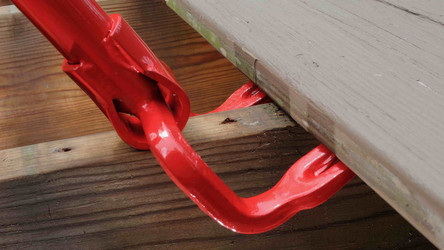
Credit: angelguardproducts.com
Maintaining Your Crowbar
Keeping your crowbar in good shape helps you work safely and effectively. Regular care stops damage and makes the tool last longer.
Focus on cleaning, checking for wear, and proper storage. These simple steps protect your crowbar during demolition tasks.
Cleaning And Inspection
After each use, clean your crowbar to remove dirt and debris. Check for cracks, bends, or rust that can weaken the tool.
- Wipe the crowbar with a dry cloth to remove dust and dirt.
- Use a wire brush to clean rust or stuck debris.
- Inspect the crowbar for cracks or bends along the shaft.
- Check the tip and claws for damage or dullness.
- Apply a light coat of oil to metal parts to prevent rust.
Storage Tips
Store your crowbar in a dry place to avoid rust and damage. Keep it off the ground and away from moisture.
| Storage Method | Benefit |
| Hang on a wall rack | Keeps crowbar dry and easy to find |
| Use a toolbox or tool chest | Protects from dust and physical damage |
| Place on a shelf off the floor | Prevents moisture exposure and rust |
| Cover with a cloth or plastic sheet | Reduces dust buildup |
Responding To Injuries
Using a crowbar for demolition can cause injuries. It is important to know how to respond quickly and safely. Acting fast can reduce pain and prevent more damage.
Keep calm and follow basic first aid steps. Knowing when to get medical help is also important for serious injuries.
First Aid Basics
Stop any bleeding by pressing a clean cloth on the wound. Keep the injured part raised if possible. Clean small cuts with water to avoid infection.
For bruises or sprains, use ice wrapped in cloth to reduce swelling. Do not apply ice directly to the skin. Rest the injured area and avoid moving it too much.
- Apply pressure to stop bleeding
- Clean wounds gently with water
- Use ice to reduce swelling
- Keep injured area still and raised
When To Seek Medical Help
Get medical help if bleeding does not stop after 10 minutes. Seek care for deep wounds or if you see bone or tissue.
Also, visit a doctor if you feel severe pain, numbness, or if the injured part looks deformed. Watch for signs of infection like redness, swelling, or fever.
- Bleeding that won’t stop
- Deep cuts or exposed bone
- Severe pain or numbness
- Deformed or misshapen injury
- Signs of infection (redness, swelling, fever)

Credit: www.reddit.com
Frequently Asked Questions
How Do I Hold A Crowbar Safely During Demolition?
Hold the crowbar with both hands firmly. Keep your grip near the end for better control. Maintain a steady stance to avoid slips. Always wear gloves to protect your hands from blisters and injuries.
What Protective Gear Is Essential When Using A Crowbar?
Wear safety goggles to shield your eyes from debris. Use durable gloves to protect your hands. A hard hat is advised for overhead work. Steel-toed boots help protect feet from heavy falling objects.
How Can I Prevent Damage While Using A Crowbar?
Apply force gradually to avoid sudden damage. Use the crowbar’s curved end for leverage. Avoid using excessive force that may break materials. Inspect the tool regularly to ensure it’s in good condition.
What Is The Best Technique For Prying With A Crowbar?
Position the crowbar’s tip under the material’s edge. Use your body weight to apply steady pressure. Move the crowbar slowly to loosen the material evenly. Avoid jerky movements to prevent tool slippage or injury.
Conclusion
Using a crowbar safely ensures a successful demolition project. Always wear protective gear to prevent injuries. Check the crowbar for any damage before use. Hold it firmly with both hands for better control. Work slowly to avoid accidents or mistakes.
Keep your workspace clean and free from obstacles. Practice caution and stay aware of your surroundings. If unsure, consult a professional for guidance. Safe demolition saves time and ensures safety. Follow these tips for a smooth, efficient experience. Your safety should always be the priority in any demolition task.