Are you tired of rummaging through a cluttered toolbox every time you need a specific wrench? It’s frustrating, isn’t it?
Imagine the ease of having your wrenches neatly organized by function, saving you time and stress during your projects. This guide is your ticket to transforming chaos into order. You’ll discover practical tips and clever hacks to streamline your toolkit, making every task smoother and more enjoyable.
By the end of this article, you’ll not only know how to organize your wrenches efficiently, but you’ll also feel empowered to tackle any mechanical challenge with confidence. Ready to dive in and revolutionize your workspace? Keep reading to unlock the secrets of wrench organization that every DIY enthusiast and professional needs to know.
Credit: www.etsy.com
Types Of Wrenches
Wrenches are tools used to grip and turn objects like nuts and bolts. Different types serve different purposes. Knowing the types helps you organize and use them better.
This guide covers common wrench types and their main uses. Each type has a unique design for specific tasks.
Open-end Wrenches
Open-end wrenches have U-shaped openings. They fit around two opposite sides of a nut or bolt. These wrenches work well in tight spaces where you cannot slide the wrench over the fastener.
Box-end Wrenches
Box-end wrenches fully enclose the nut or bolt head. This design offers a strong grip and reduces slipping. They come in fixed sizes and fit snugly on the fastener.
Adjustable Wrenches
Adjustable wrenches have a movable jaw. This lets you fit different sizes of nuts and bolts with one tool. They are handy when you do not know the exact size of the fastener.
Socket Wrenches
Socket wrenches use a ratchet handle with removable sockets. Each socket fits a specific fastener size. This tool speeds up tightening or loosening bolts without removing the wrench each turn.
- Ratchet handle
- Various socket sizes
- Quick fastening
- Good for deep or hard-to-reach places
Specialty Wrenches
| Wrench Type | Use |
|---|---|
| Pipe Wrench | Gripping round pipes tightly |
| Torque Wrench | Applying precise force to bolts |
| Allen Wrench | Turning hexagonal socket screws |
| Spanner Wrench | Adjusting round nuts with holes |
Sorting Wrenches By Use
Organizing wrenches by their use makes work easier and faster. You can quickly find the right wrench for any job.
Sorting helps keep your workspace neat and saves time when fixing or building things.
Grouping By Size
Wrenches come in different sizes to fit various nuts and bolts. Grouping them by size helps you pick the correct one quickly.
Keep small, medium, and large wrenches in separate sections. This way, you avoid searching through all sizes.
- Small wrenches for tight spaces and small bolts
- Medium wrenches for general use
- Large wrenches for heavy-duty tasks
Grouping By Task
Different wrenches are designed for specific tasks. Sort them based on the jobs you do most often.
For example, keep plumbing wrenches separate from automotive wrenches. This saves time finding the right tool.
- Plumbing wrenches like pipe wrenches
- Automotive wrenches like torque wrenches
- General repair wrenches like combination wrenches
Grouping By Frequency
Group wrenches by how often you use them. Keep the most used ones within easy reach.
Less used wrenches can be stored in drawers or higher shelves. This keeps your workspace tidy and efficient.
- Daily use wrenches in a toolbox or on a pegboard
- Occasional use wrenches stored away
- Rarely used wrenches in labeled containers
Space-saving Storage Solutions
Organizing wrenches by function helps you find the right tool fast. Saving space in your workshop or garage keeps the area neat.
Using smart storage solutions reduces clutter and protects your tools. This guide shows easy ways to store wrenches efficiently.
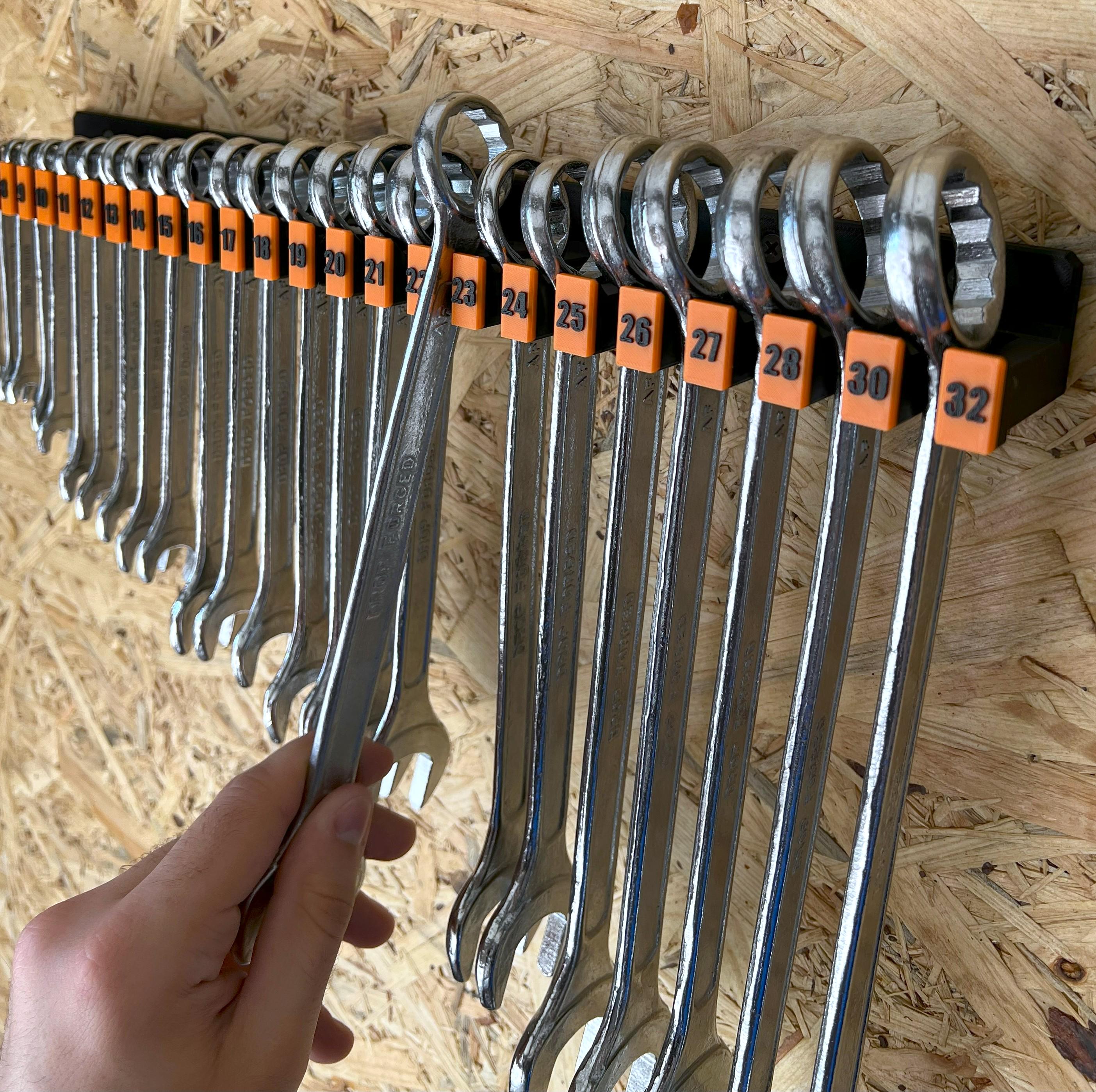
Wall-mounted Racks
Wall-mounted racks hold wrenches upright on the wall. This keeps your workbench clear and tools visible.
Racks come in many sizes and styles to fit wrench sets. You can group wrenches by size or type for quick access.
- Save floor and drawer space
- Easy to install with screws or adhesive
- Keep tools organized and accessible
- Display wrenches for quick selection
Magnetic Strips
Magnetic strips stick to walls and hold metal wrenches firmly. They use strong magnets to keep tools in place.
These strips save space and make it easy to grab the right wrench. You can place them near your work area for convenience.
- Hold multiple wrenches without damage
- Simple to mount and reposition
- Keep tools visible and organized
- Works well for light to medium-weight wrenches
Tool Chests And Drawers
Tool chests and drawers provide enclosed storage for wrenches. They protect tools from dust and damage.
Use drawer organizers or foam inserts to sort wrenches by size or function. This system keeps tools neat and easy to find.
- Protect tools with closed storage
- Use inserts to separate wrench types
- Stack chests to maximize vertical space
- Lock chests for secure storage
Portable Organizers
Portable organizers let you carry wrenches to different job sites. They come in cases or rolls with compartments.
These organizers save space by holding only the wrenches you need. They keep tools safe and easy to transport.
- Compact and easy to carry
- Separate wrenches by size or type
- Keep tools secure during travel
- Fold or roll up for small storage space

Credit: cisivistools.com
Labeling And Accessibility
Organizing wrenches by function helps you find the right tool fast. Clear labels and easy access keep your workspace efficient.
Good labeling systems and smart storage make wrench use safer and less frustrating. This guide covers key tips for labeling and accessibility.
Clear Labeling Methods
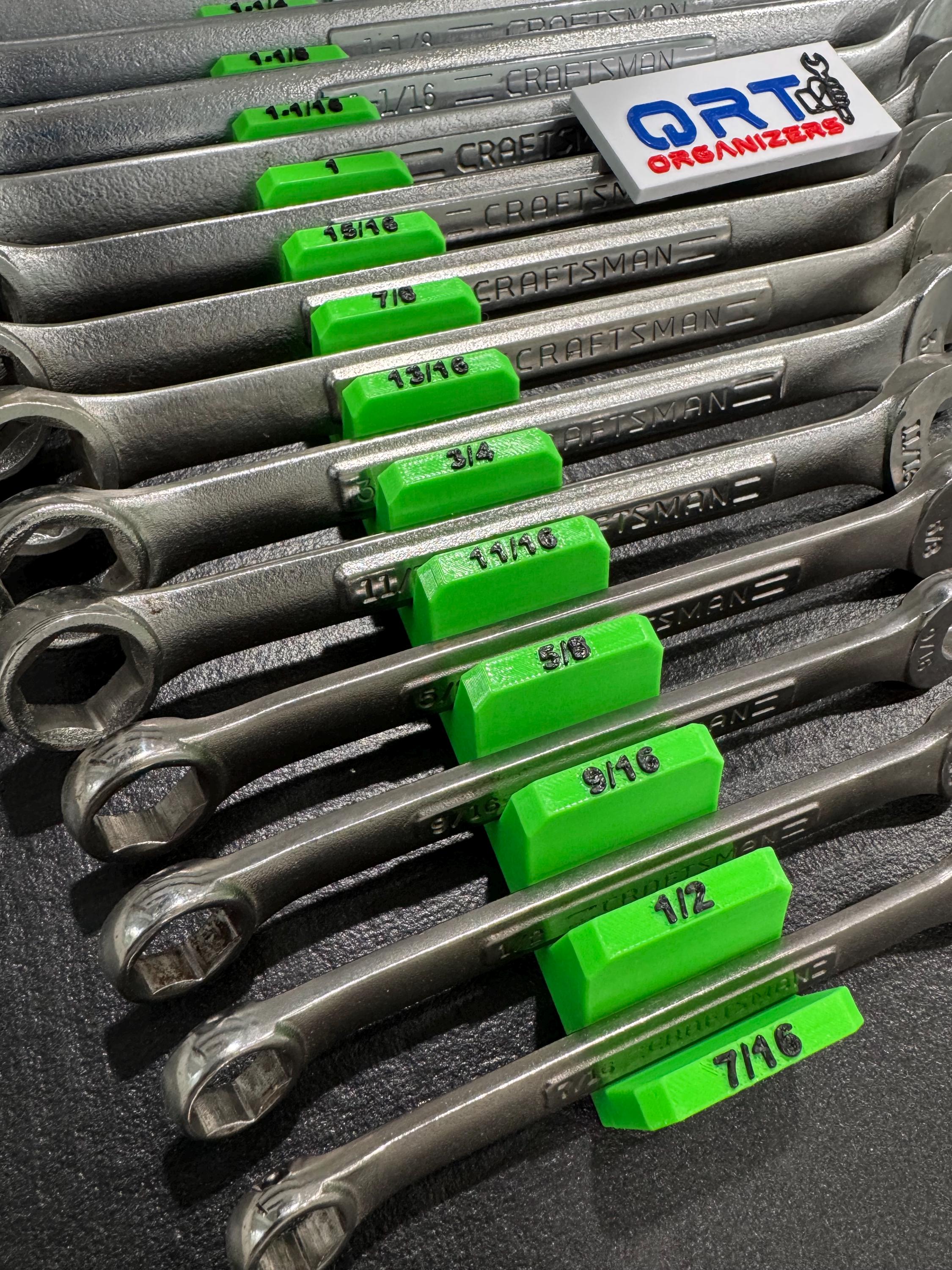
Label each wrench or storage spot with simple words or symbols. Use labels that stay clear even if the area gets dusty or oily.
- Use waterproof labels or tape
- Print text large and bold for easy reading
- Color-code wrenches by size or type
- Add icons for wrench functions, like open-end or box-end
- Place labels on both the wrench and the holder
Quick Access Tips
Keep frequently used wrenches where you can grab them fast. Arrange tools so you don’t waste time searching or moving other items.
| Tip | Explanation |
| Use shallow trays | Wrenches stay visible and easy to pick up |
| Group by function | Find the right wrench type quickly |
| Install wall racks | Free up drawer space and keep tools visible |
| Keep handles facing out | Grab wrenches safely without twisting your wrist |
Maintaining Order Over Time
Regularly check your wrench storage to keep things neat. Set small habits to return tools and fix any label damage.
- Put wrenches back after use
- Replace worn or faded labels
- Clean storage areas often
- Review organization every few months
- Adjust labels if you add new wrench types
Maximizing Workshop Efficiency
Organizing wrenches by function helps you find the right tool fast. It saves time and keeps your workspace tidy.
Using smart methods to store wrenches reduces clutter and prevents damage. This guide covers key ways to arrange your tools.
Ergonomic Placement
Place wrenches where you can reach them easily. Keep often-used tools within arm’s length to reduce strain.
- Arrange wrenches by size from left to right
- Use wall-mounted racks for quick access
- Keep heavy wrenches lower to avoid lifting injuries
- Label storage spots clearly for fast identification
Combining Tools And Storage
Group wrenches with related tools to speed up work. Use storage systems that hold multiple tool types safely.
| Storage Type | Best Use | Benefits |
| Drawer Organizers | Small wrenches and sockets | Prevents mixing and makes tools easy to find |
| Wall Racks | Large and medium wrenches | Frees up bench space and keeps tools visible |
| Toolboxes with Compartments | Mixed tool sets including wrenches | Portable and keeps tools secure |
Regular Inventory Checks
Check your wrench collection often to avoid missing tools. Replace damaged wrenches to keep your set safe and reliable.
- Count wrenches monthly to track all sizes
- Inspect tools for wear or damage
- Clean tools before storing to prevent rust
- Update storage labels if new tools are added
Credit: www.etsy.com
Frequently Asked Questions
What Is The Best Way To Organize Wrenches By Function?
Organize wrenches by grouping them based on their specific use. Separate adjustable, combination, and socket wrenches for easy access. Label each section clearly to save time and improve workflow.
How Do I Categorize Wrenches For Quick Retrieval?
Sort wrenches by size and type within their functional groups. Use drawer inserts or wall racks to keep them visible and accessible. This method reduces search time and keeps your workspace tidy.
Why Organize Wrenches By Function Instead Of Size?
Organizing by function improves efficiency by matching tools to tasks quickly. It prevents mixing different wrench types and minimizes confusion during projects. This approach also extends tool lifespan through proper storage.
Can Organizing Wrenches Increase Workshop Productivity?
Yes, organized wrenches reduce time spent searching for tools. Clear categorization helps maintain focus and speeds up repairs. A well-ordered workspace boosts overall productivity and safety.
Conclusion
Organizing wrenches by function saves time and reduces frustration. You can find the right tool quickly and work more efficiently. A neat tool area looks better and helps keep wrenches in good shape. Sorting by function makes your toolbox easier to manage and use.
Start small and build your system step by step. Keep it simple and consistent for best results. This way, your wrench collection stays ready for any job.