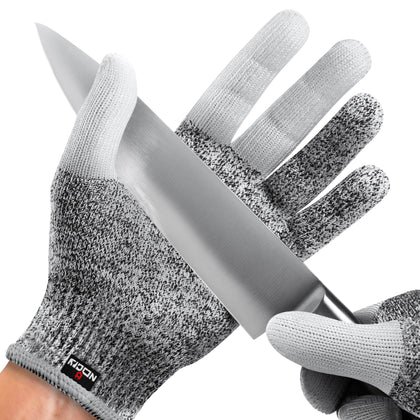
Are you gearing up for a metal project and concerned about safety? You’re not alone.
Working with metal can be rewarding, but it comes with its own set of risks. One slip, and you could end up with a nasty cut. That’s where cut-resistant gloves come in, offering you peace of mind and protection. But with so many options out there, how do you choose the right pair for your needs?
In this guide, you’ll discover everything you need to know about using cut-resistant gloves effectively. From understanding material strengths to picking the perfect fit, we’ve got you covered. Stick around, because by the end of this article, you’ll be equipped with the knowledge to keep your hands safe while you work confidently on your metal projects.
Benefits Of Cut-resistant Gloves
Cut-resistant gloves protect your hands during metal projects. They reduce the risk of injuries from sharp tools and edges.
Using these gloves makes working with metal safer and easier. They help you handle materials with confidence.
Protection Against Sharp Edges
Cut-resistant gloves shield your hands from cuts and scratches. Metal sheets and tools often have sharp edges that can hurt you.
The gloves use strong fibers to stop blades or metal from cutting through. This protection lowers the chance of accidents.
Enhanced Grip And Dexterity
These gloves improve your grip on slippery metal parts. Many have textured surfaces that keep tools steady in your hands.
They also allow you to move your fingers easily. This helps you work with small parts without losing control.
- Better hold on sharp or oily metal pieces
- More precise handling of tools
- Less hand fatigue during long tasks
Durability And Longevity
Cut-resistant gloves last longer than regular gloves. They are made from tough materials that resist wear and tear.
You can use them for many metal projects without losing protection. This saves money over time and keeps you safe.

Credit: vanguardsafety.com
Types Of Cut-resistant Gloves
Cut-resistant gloves protect your hands during metal projects. They come in different materials and styles. Choosing the right type can keep you safe and comfortable.
Understanding material options, glove ratings, and fit helps you pick the best gloves for your work.
Material Options
Cut-resistant gloves use various materials to stop cuts and slashes. Each material has its own strengths and weaknesses.
- Kevlar:Lightweight and strong, good heat resistance.
- Dyneema:Very strong and flexible, resists cuts well.
- Steel Mesh:Heavy-duty protection, used for sharp blades.
- HPPE (High-Performance Polyethylene):Offers high cut resistance, light and breathable.
- Nylon:Often blended with other fibers for comfort and durability.
Glove Ratings And Standards
Gloves are tested to meet safety standards. These ratings show how well gloves protect against cuts.
| Standard | Cut Resistance Level | Description |
| ANSI/ISEA 105 | A1 to A9 | Levels from lowest to highest cut protection |
| EN 388 | 1 to 5 | European standard measuring cut resistance and durability |
| ISO 13997 | Measured in Newtons | Measures the force needed to cut the glove |
Choosing The Right Fit
Fit affects comfort and safety. Gloves that are too loose or tight can cause accidents.
- Measure your hand size before buying gloves.
- Try gloves on to check finger and palm fit.
- Choose gloves that allow good movement and grip.
- Consider glove thickness for dexterity needs.
Selecting Gloves For Metal Work
Choosing the right cut-resistant gloves is important for safety in metal projects. The gloves protect your hands from sharp edges and metal shards.
It is key to pick gloves that fit well and match the type of metal work you do. This guide helps you select gloves that keep you safe and comfortable.
Assessing Project Risks
Look at the type of metal and tools you will use. Different tasks have different risks for cuts and injuries.
Check if you will handle sharp sheets, wires, or small parts. Also, consider if there is a chance of heat or sparks.
- Sharp edges and points
- Metal shavings and shards
- Heat and sparks from welding
- Heavy or rough materials
Matching Gloves To Tasks
Choose gloves with the right cut resistance level for your task. Not all gloves protect the same way.
Use gloves that fit the size of your hands and allow good movement. Some gloves have extra padding for heavy work.
- Light tasks: thin gloves with moderate cut resistance
- Heavy cutting: thick gloves with high cut resistance
- Welding: gloves with heat resistance and cut protection
- Fine work: gloves with good dexterity and fit
Considering Comfort And Breathability
Gloves should feel comfortable for long hours. Breathable materials help keep your hands dry and cool.
Look for gloves with good ventilation and stretch. This reduces hand fatigue and improves grip.
- Breathable fabrics like nylon or polyester
- Stretchy gloves for easy hand movement
- Moisture-wicking liners to reduce sweat
- Proper glove length to protect wrists

Credit: www.ishn.com
Proper Glove Usage Techniques
Using cut-resistant gloves correctly keeps your hands safe during metal projects. These gloves protect against sharp edges and metal shards.
Knowing how to wear and use them improves safety and comfort. This guide explains the best techniques to follow.
Correct Wearing Practices
Always check gloves for damage before use. Make sure they fit well and cover your entire hand and wrist.
Put gloves on with clean hands. Avoid stretching or tearing the material when wearing them.
- Choose gloves that fit snugly but allow movement.
- Cover wrists to protect from metal cuts.
- Inspect gloves for holes or wear before each use.
- Remove gloves carefully to avoid skin contact with metal debris.
Maintaining Mobility And Safety
Wear gloves that balance protection and flexibility. You need to handle tools without losing control.
Keep fingers free to move but shielded from sharp parts. Avoid bulky gloves that limit your grip.
- Use gloves made from materials that allow finger movement.
- Test your grip before starting work.
- Replace gloves if they become stiff or slippery.
- Wear gloves suited for the specific metal project.
Avoiding Common Mistakes
Do not use damaged gloves. They lose their cut resistance and can cause injury.
Avoid wearing gloves near moving machines without proper protection. Gloves can get caught and pull your hand in.
- Never reuse disposable gloves for heavy metal work.
- Do not wear gloves with loose threads or tears.
- Avoid touching your face or phone with dirty gloves.
- Keep gloves clean and dry for best performance.
Care And Maintenance Tips
Cut-resistant gloves protect your hands during metal projects. Proper care keeps them effective and safe. This guide shares cleaning, storage, and replacement tips.
Following these steps helps your gloves last longer and maintain their protection quality. Take time to care for your gloves after each use.
Cleaning Guidelines
Cleaning cut-resistant gloves removes dirt and metal particles. Use gentle methods to keep the material strong and intact.
- Wash gloves by hand with mild soap and cold water.
- Avoid bleach or harsh chemicals that damage fibers.
- Rinse gloves thoroughly to remove all soap.
- Air dry gloves flat, away from direct sunlight or heat.
- Do not machine wash or tumble dry unless label says it is safe.
Storage Recommendations
Proper storage protects gloves from damage and keeps them ready for use. Keep gloves clean and dry before storing.
| Storage Tip | Reason |
| Store in a cool, dry place | Prevents mold and material breakdown |
| Avoid direct sunlight exposure | Stops UV damage to glove fibers |
| Keep away from sharp objects | Prevents accidental cuts or tears |
| Use a dedicated container or bag | Keeps gloves clean and dust-free |
When To Replace Gloves
Replace gloves to maintain hand safety. Signs of wear reduce cut resistance and protection.
- Check for visible cuts, holes, or frayed fibers.
- Replace if gloves lose their snug fit or stretch out.
- Discard gloves with chemical stains or hardening spots.
- Replace gloves after heavy use or long periods.
- Follow manufacturer’s replacement recommendations.
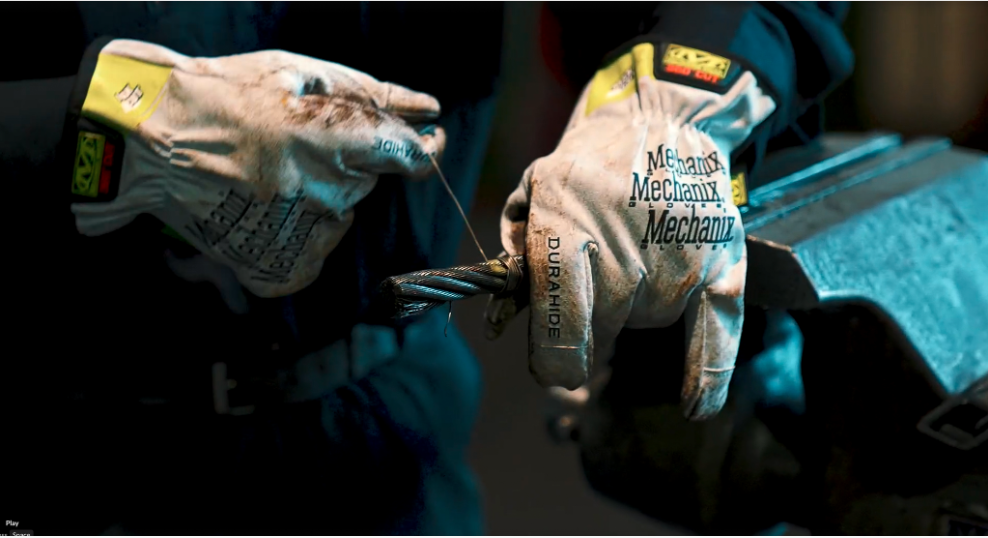
Credit: b2b.mechanix.com
Additional Safety Measures
Using cut-resistant gloves is important for metal projects. You must also follow extra safety steps. These steps help protect you from injuries and accidents.
Below are key safety measures. They cover clothing, workplace rules, and emergency plans. Each measure keeps you safer on the job.
Using Protective Clothing
Wear clothes that protect your body from sharp edges and sparks. Use long sleeves and pants made from thick, durable material. Avoid loose clothing that can catch on machines.
- Wear cut-resistant sleeves along with gloves
- Choose steel-toed boots for foot protection
- Use safety goggles or face shields to protect eyes
- Wear ear protection if noise is loud
Workplace Safety Protocols
Follow clear rules to keep the work area safe. Keep tools and metal pieces organized. Clean up spills and debris right away to avoid slips and cuts.
| Safety Rule | Purpose |
| Keep work area tidy | Prevent trips and falls |
| Use machines with guards | Protect hands and fingers |
| Check gloves before use | Ensure no damage or wear |
| Report hazards immediately | Fix problems fast |
Emergency Preparedness
Be ready for accidents. Know where first aid kits and emergency exits are. Learn how to stop bleeding and treat cuts if they happen.
- Stop the work and stay calm
- Use clean cloth to press on the wound
- Call for medical help if bleeding is heavy
- Keep injured part elevated if possible
- Report the injury to your supervisor
Frequently Asked Questions
What Are Cut-resistant Gloves Made Of?
Cut-resistant gloves are typically made from materials like Kevlar, Dyneema, or steel mesh. These materials provide excellent protection against sharp edges and metal shards. They balance durability with flexibility for safe handling of metal projects.
How Do Cut-resistant Gloves Protect During Metal Work?
These gloves prevent cuts by creating a tough barrier between your skin and sharp metal objects. They reduce injury risk from sharp tools and metal edges. Their design ensures safety without compromising hand dexterity.
When Should I Wear Cut-resistant Gloves For Metal Projects?
Wear cut-resistant gloves anytime you handle sharp metal sheets, tools, or machinery. They are essential during cutting, grinding, welding, or assembly tasks. Using them consistently helps avoid serious hand injuries.
Can Cut-resistant Gloves Prevent All Metal-related Injuries?
While cut-resistant gloves reduce cut risks, they do not prevent all injuries. They don’t protect against crushing or impact injuries. Always use proper safety gear along with gloves for complete hand protection.
Conclusion
Cut-resistant gloves protect your hands during metal projects. They reduce the risk of cuts and injuries. Always choose gloves that fit well and suit your task. Regularly check gloves for damage and replace them if needed. Using these gloves helps you work safely and with confidence.
Stay cautious, and your hands will thank you. Safety starts with the right gear. Keep your projects safe and successful.