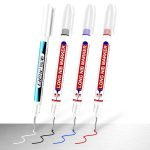
Are you planning a DIY project that involves drilling into concrete? Whether you’re hanging shelves, mounting a TV, or installing a new fixture, marking drill holes accurately is crucial.
It can be a bit intimidating, but with the right tips, you can ensure your project goes smoothly. Imagine confidently drilling into concrete, knowing that your measurements are spot on and your final result will look professional. In this guide, you’ll discover simple, effective tips that will make marking drill holes on concrete a breeze.
Get ready to transform your next project from daunting to doable! Keep reading to unlock the secrets to flawless drill hole marking.
Choosing The Right Tools
Marking drill holes on concrete needs the right tools. Using proper tools makes the job easier and more accurate.
Choosing tools that work well on rough surfaces helps you mark clearly and avoid mistakes.
Types Of Marking Tools
There are many tools to mark concrete. Some are simple, and some are made for rough surfaces.
- Chalk lines – easy to use and can mark straight lines
- Pencils – work on smooth concrete but may fade quickly
- Paint markers – visible and long-lasting on rough surfaces
- Soapstone – leaves clear marks and is easy to wipe off
- Grease pencils – good for temporary marks on concrete
Pick the tool that fits your project size and surface texture.
Selecting Durable Markers For Concrete
Concrete is rough and dusty, so markers must be strong. Durable markers stay visible during drilling.
Choose markers that resist fading and smudging. This saves time and ensures accuracy.
- Use paint markers with waterproof ink
- Pick markers with thick tips for bold lines
- Choose tools that dry fast to avoid smears
- Try grease pencils for marks that last but wipe off easily
Preparing The Concrete Surface
Marking drill holes on concrete needs a clean surface. Dirt and moisture can cause mistakes.
Preparing the area carefully helps you mark exact points. This saves time and effort later.
Cleaning And Drying Techniques
Remove dust and debris from the concrete before marking. Use a stiff brush or broom to clean well.
After cleaning, dry the surface fully. Use a cloth or let it air dry to avoid slippery spots.
- Sweep the surface with a stiff brush
- Wipe with a dry cloth to remove dust
- Wait for the concrete to dry completely
- Avoid marking on wet or damp areas
Ensuring A Smooth Marking Area
Check for rough spots or uneven patches on the concrete. Smooth surfaces help make clear marks.
Use sandpaper or a grinding tool to even out bumps. Remove loose particles after smoothing.
- Inspect the area for cracks and bumps
- Sand rough spots gently for smoothness
- Clean dust after sanding before marking
- Choose flat areas for best marking results
Accurate Measurement Methods
Marking drill holes on concrete needs precise measurements. Accurate marks help avoid mistakes and save time.
Using the right tools and methods makes it easier to get exact points for drilling. This guide explains two key ways to measure accurately.
Using Measuring Tapes And Rulers
Measuring tapes and rulers are simple tools for marking drill holes. They work well for small projects or close measurements.
Start by holding the tape or ruler flat against the concrete surface. Pull the tape tight or place the ruler steady for a clear reading.
- Use a pencil or chalk to mark the exact spot.
- Double-check measurements before marking.
- Measure from fixed edges or corners for consistency.
- Mark lightly to avoid confusion later.
Employing Laser Levels For Precision
Laser levels help create straight and level lines on concrete. They improve accuracy, especially on larger surfaces.
Set up the laser level so the beam shines on the area to be drilled. Adjust it until the beam is perfectly horizontal or vertical.
- Use the laser line as a guide for marking drill points.
- Combine laser lines with tape measurements for best results.
- Check the laser level’s calibration before use.
- Wear safety glasses to protect your eyes from the laser beam.

Credit: civilcraft.com.au
Marking Techniques For Visibility
Marking drill holes on concrete is important for accuracy. Clear marks help you drill in the right spots.
Choosing the right marking method improves visibility. This guide covers ways to create marks that last and stand out.
Creating Clear And Lasting Marks
Use tools that make visible and durable marks on concrete. A pencil or pen often fades or smudges on rough surfaces.
- Use a carpenter’s pencil for bolder lines.
- Try a grease pencil for dark and thick marks.
- Consider tape to outline the drilling spot before marking.
- Clean the concrete surface before marking to remove dust.
- Press firmly but avoid scratching the surface too deep.
Using Chalk Vs. Paint For Marking
| Marking Type | Visibility | Durability | Best Use |
| Chalk | Good | Short-term | Quick, temporary marks |
| Paint | Excellent | Long-term | Outdoor or long projects |
Chalk is easy to apply and remove. It works well for short jobs or indoor use.
Paint stands out more and lasts longer. It works best on rough or outdoor concrete.
Avoiding Common Mistakes
Marking drill holes on concrete needs care to get good results. Small errors can cause big problems. This guide shows how to avoid common mistakes.
Focus on clear marks and exact measurements. These tips help you work clean and precise for strong, safe drilling.
Preventing Mark Smudges
Smudged marks make drilling points unclear. Use a sharp pencil or a fine marker for clear lines. Avoid touching the marks after drawing.
- Use painter’s tape on the concrete before marking.
- Draw marks carefully on the tape, not directly on concrete.
- Let the mark dry if using marker pens.
- Wear gloves to keep hands clean and avoid smudging.
- Work slowly to keep lines sharp and visible.
Double-checking Measurements
Wrong measurements cause holes in the wrong place. Always measure twice before marking. Use a tape measure and a square tool for accuracy.
| Measurement Tip | Why It Helps |
| Measure from fixed edges | Prevents shifting marks |
| Use a level to check alignment | Keeps holes straight |
| Mark with a sharp tool | Ensures clear points |
| Check spacing against project plan | Avoids uneven holes |
Credit: power-pro.com
Safety Tips During Marking
Marking drill holes on concrete needs care to avoid injuries. Safety helps you work better and finish on time.
Use the right tools and stay alert while marking. Protect yourself from dust, sharp tools, and debris.
Wearing Protective Gear
Wear safety gear to protect your eyes, hands, and lungs. Concrete dust and small chips can cause harm.
Always use goggles to shield your eyes from dust. Gloves protect your hands from sharp tools and rough surfaces.
- Wear safety goggles to protect your eyes
- Use gloves to avoid cuts and scrapes
- Wear a dust mask to prevent inhaling concrete dust
- Consider ear protection if you use loud tools nearby
Handling Tools Safely
Use marking tools carefully to avoid slips and mistakes. Keep your hands steady and your tools sharp.
Check tools before use. Broken or dull tools can cause accidents or poor markings.
- Hold marking tools firmly and steady
- Keep tools clean and in good condition
- Store tools safely when not in use
- Work in a well-lit area to see clearly
Tips For Different Concrete Conditions
Marking drill holes on concrete needs care depending on the surface and moisture. Different concrete types require different tools and methods.
Knowing how to mark on rough, smooth, wet, or dry concrete helps make accurate holes and saves time.
Marking On Rough Vs. Smooth Surfaces
Rough concrete surfaces have an uneven texture that can make marks hard to see. Use thick, bright markers that stand out on the rough surface.
Smooth concrete is flat and easier to mark. Thin lines work well here, and pencil or chalk can be used for clear marks.
- Use permanent markers or paint pens on rough surfaces
- Try chalk or pencil on smooth concrete
- Ensure marks are visible under different lighting
- Test your marker on a small spot first
Working With Wet Or Dry Concrete
Wet concrete is soft and can be marked by pressing gently with a stick or nail. Avoid deep marks that damage the surface.
Dry concrete needs more durable marks. Use paint markers or scratch the surface lightly to guide drilling.
- Mark wet concrete with a stick or nail carefully
- Use paint markers on dry concrete for clear lines
- Wait for wet concrete to firm before drilling
- Keep marks simple and easy to follow

Credit: www.angi.com
Frequently Asked Questions
How To Accurately Mark Drill Holes On Concrete?
Use a pencil or chalk to mark precise spots. Measure twice before marking. Ensure surface is clean and dry for clear marks.
What Tools Help Mark Drill Holes On Concrete?
A tape measure, pencil, chalk, and level are essential. These tools ensure accurate, straight, and visible markings on concrete.
How To Avoid Mistakes When Marking Drill Holes?
Double-check measurements and use a level for alignment. Mark lightly first, then confirm placement before drilling.
Can I Mark Drill Holes On Wet Concrete?
No, wait for the concrete to dry. Wet surfaces cause markings to smudge and reduce accuracy.
Conclusion
Marking drill holes on concrete takes care and focus. Use the right tools and measure twice for accuracy. Clear marks help guide your drilling and avoid mistakes. Keep your workspace clean and well-lit for better results. Take your time and check your marks before drilling.
Following these tips makes the job easier and safer. Practice improves your skill and confidence over time. Stay patient and precise for the best outcome.