Are you ready to tackle your next plumbing project with confidence? The adjustable wrench is your best friend when it comes to handling those tricky pipes and fittings.
In this guide, you’ll discover the secrets to mastering this essential tool. Imagine fixing leaks and tightening connections with ease, all while saving time and money. Don’t let plumbing challenges intimidate you any longer; with the right technique, you’ll transform into a DIY pro.
Keep reading to unlock practical tips and insider tricks that will make your plumbing tasks a breeze.

Credit: www.youtube.com
Choosing The Right Adjustable Wrench
An adjustable wrench is a useful tool for plumbing tasks. Picking the right one makes your work easier and safer.
Consider the type, size, and material before buying an adjustable wrench for plumbing jobs.
Types Of Adjustable Wrenches
There are several types of adjustable wrenches. Each type fits different plumbing needs and spaces.
- Standard adjustable wrench with a smooth jaw for general use
- Crescent wrench with a curved jaw for tight spots
- End adjustable wrench with a slim head for narrow pipes
- Ratcheting adjustable wrench for faster turning
Size And Jaw Capacity
The size of the wrench affects how well it fits the nuts and bolts. Jaw capacity is the maximum opening of the wrench.
| Wrench Size | Jaw Capacity | Use |
|---|---|---|
| 6 inches | 0.6 inches | Small pipes and tight spaces |
| 8 inches | 0.8 inches | Medium plumbing tasks |
| 10 inches | 1.0 inch | Larger nuts and bolts |
| 12 inches | 1.2 inches | Heavy plumbing jobs |
Material And Durability
Strong materials last longer and resist rust. Look for adjustable wrenches made of these materials.
- Chrome-vanadium steel: tough and rust-resistant
- Carbon steel: strong but may need oil to prevent rust
- Stainless steel: rust-proof and durable
- Aluminum: lightweight but less strong

Credit: spannerss.wordpress.com
Preparing For Plumbing Work
Using an adjustable wrench for plumbing requires good preparation. You must be ready before starting any work. This helps you work safely and avoid damage.
Preparing well means knowing what to do first. You should follow safety rules, turn off water, and get all your tools ready.
Safety Precautions
Safety is important when working with plumbing tools. Wear gloves to protect your hands. Use goggles to keep your eyes safe from splashes. Make sure your workspace is clean and dry to avoid slips.
- Wear protective gloves
- Use safety goggles
- Keep the area dry and tidy
- Do not wear loose clothing
- Check tools before use
Shutting Off Water Supply
Before starting plumbing work, always shut off the water supply. This stops water flow and prevents leaks or flooding. Locate the main water valve and turn it off fully. Open a faucet to drain the pipes.
If you work on a specific pipe, find the local shut-off valve. Turning this off saves water in other parts of the house.
Gathering Necessary Tools
Have all your tools ready before starting. Besides the adjustable wrench, you may need other items for plumbing tasks. Organizing tools saves time and helps you work smoothly.
| Tool | Purpose |
| Adjustable wrench | Loosen or tighten nuts and bolts |
| Pipe cutter | Cut pipes to size |
| Plumber’s tape | Seal pipe threads to prevent leaks |
| Screwdriver | Remove or install screws |
| Bucket | Catch water from pipes |
Proper Grip And Handling
Using an adjustable wrench correctly helps you fix plumbing tasks safely. A proper grip and handling improve your control and prevent damage.
Learn how to adjust the wrench, position it for the best torque, and avoid common mistakes. These tips make your work easier and more efficient.
Adjusting The Jaw Width
Set the jaw width to fit the nut or bolt tightly. Turn the screw mechanism slowly until the jaws grip the object firmly. Avoid leaving gaps to prevent slipping.
- Open the jaws wide enough to fit the part.
- Close the jaws until they touch the sides without forcing.
- Check that the wrench holds the part securely before turning.
Positioning For Maximum Torque
Place the wrench so the fixed jaw is against the direction you want to turn. Hold the handle near the end for more power. Pull the wrench instead of pushing to avoid injury.
| Position | Purpose |
| Fixed jaw facing the turn | Better grip on the fastener |
| Handle held at the end | More torque and control |
| Pulling motion | Safer and stronger force |
Avoiding Common Mistakes
Many users slip or damage fasteners by incorrect handling. Watch for these errors and fix them before starting work.
- Do not use the wrench on rounded or damaged nuts.
- Avoid using too much force that bends the wrench.
- Never use a hammer to increase torque on the wrench.
- Keep your hands dry and clean for a firm grip.
- Do not place your fingers near the jaw to avoid pinching.
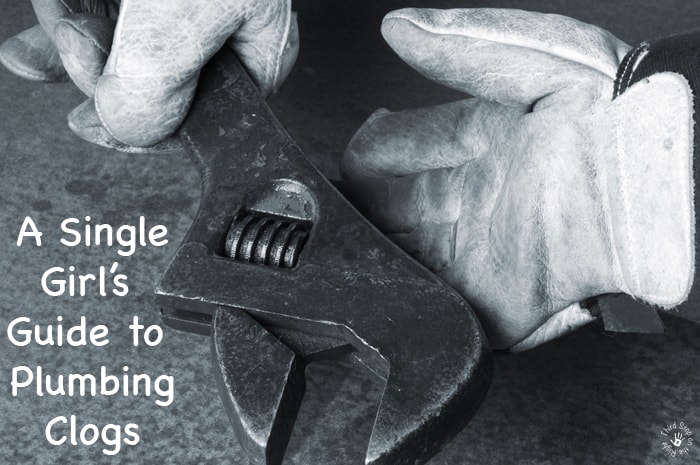
Credit: www.thirdstopontheright.com
Techniques For Different Plumbing Tasks
An adjustable wrench is a useful tool for many plumbing jobs. It fits different sizes of pipes and fittings.
Knowing how to use this wrench correctly helps you work faster and avoid damage.
Tightening And Loosening Pipes
Use the adjustable wrench to grip pipe fittings firmly. Adjust the wrench so it fits snugly around the pipe.
Turn the wrench slowly to tighten or loosen the pipe without slipping. Keep your hand steady to avoid rounding the edges.
- Set the wrench jaw to fit tightly around the pipe
- Pull the wrench handle toward you for more control
- Turn slowly to avoid damaging the pipe
Working With Nuts And Bolts
Adjust the wrench to fit the nut or bolt head exactly. A snug fit prevents slipping and damage.
Hold the wrench firmly and turn in the correct direction to tighten or loosen the nut or bolt.
- Match the wrench opening to the nut or bolt size
- Use steady pressure while turning
- Turn clockwise to tighten, counterclockwise to loosen
Dealing With Stuck Or Rusted Parts
Stuck parts need extra care to avoid breaking. Apply penetrating oil before using the wrench.
Use slow, steady pressure and try to move the part back and forth to loosen rust or dirt.
- Apply penetrating oil and wait 10-15 minutes
- Adjust wrench to fit tightly
- Use steady, gentle pressure when turning
- Try small rocking motions to loosen stuck parts
Maintaining Your Adjustable Wrench
Taking care of your adjustable wrench helps it last longer. Proper maintenance keeps it working smoothly.
Regular cleaning, lubrication, and storage protect the tool from damage and rust.
Cleaning After Use
Clean your wrench after every job. Dirt and grime can cause the tool to stick or wear out.
- Wipe off grease and dirt with a clean cloth
- Use a brush to remove debris from the jaws
- For tough grime, wash with warm soapy water
- Dry the wrench completely to avoid rust
Lubrication Tips
Lubricate the moving parts to keep the wrench adjusting smoothly.
| Lubricant Type | Application Area | Frequency |
| Light machine oil | Adjusting screw and sliding jaw | After cleaning or monthly |
| Grease | For heavy use or rust prevention | Every few months |
| WD-40 | Quick loosening of stuck parts | As needed |
Storage Recommendations
Store your adjustable wrench in a dry place to stop rust and damage.
- Keep it in a toolbox or drawer
- Use a tool rack to avoid dropping or banging
- Wrap the wrench in a cloth if storing for a long time
- Check stored tools regularly for rust or dirt
Troubleshooting Common Issues
An adjustable wrench is a useful tool for plumbing tasks. Sometimes, it can cause problems during use. Knowing how to fix these issues saves time and effort.
This guide covers common problems with adjustable wrenches and how to solve them.
Slipping Jaw Problems
The wrench jaw can slip when it does not grip the pipe or bolt tightly. This can damage the tool or the plumbing fixture.
- Check if the jaw is clean and free from oil or dirt.
- Adjust the jaw size properly to fit the object.
- Apply steady pressure to keep the grip firm.
- A worn jaw may need replacement to prevent slipping.
Jaw Alignment Fixes
Misaligned jaws make the wrench hard to use and can cause damage. Fixing alignment is simple but important.
| Issue | Cause | Solution |
|---|---|---|
| Jaw does not close evenly | Dirt or debris in the adjustment mechanism | Clean the mechanism and lubricate it |
| Jaw moves crookedly | Bent or damaged jaw | Carefully bend back or replace the jaw |
| Loose adjustment screw | Worn or stripped threads | Tighten or replace the screw |
When To Replace Your Wrench
Sometimes, fixing is not enough. A worn or damaged wrench can be unsafe and ineffective.
- Jaws are too worn to grip properly.
- Adjustment mechanism is broken or stuck.
- Tool is bent or cracked.
- Repeated slipping causes damage to plumbing parts.
- Tool feels loose and unsafe to use.
Frequently Asked Questions
What Is An Adjustable Wrench Used For In Plumbing?
An adjustable wrench fits various nut sizes, ideal for plumbing tasks. It tightens or loosens fittings without needing multiple tools. It’s perfect for pipes, valves, and faucets, providing a secure grip and preventing damage to fixtures.
How Do You Properly Adjust An Adjustable Wrench?
Turn the worm screw to open or close the jaws. Adjust the wrench until it fits snugly around the nut or bolt. Ensure it’s tight to avoid slipping and damaging the plumbing fixture.
Can An Adjustable Wrench Damage Plumbing Fixtures?
If used incorrectly, yes. Applying too much force or using a loose fit can strip or damage fittings. Always adjust the wrench tightly and apply steady pressure to protect pipes and valves.
What Size Adjustable Wrench Is Best For Plumbing?
A 6-inch to 12-inch adjustable wrench is ideal for most plumbing jobs. Smaller wrenches are good for tight spaces, while larger ones provide more leverage for stubborn fittings.
Conclusion
Using an adjustable wrench makes plumbing tasks easier and safer. It fits different sizes of nuts and bolts. Always adjust the wrench tightly before turning. This prevents slipping and damage to pipes. Take your time and work carefully. Practice helps build confidence and skill.
Keep your tools clean and in good shape. With patience, you can handle many plumbing jobs yourself. Simple steps lead to good results. Trust your hands and stay calm. Plumbing work feels less hard with the right tool.