Imagine this: a sunny day, the perfect weather for gardening. You reach for your trusty garden trowel, only to find it rusty and dull.
Frustrating, right? Maintaining your garden trowels is crucial for a smooth gardening experience. A well-kept trowel not only makes your work easier but also ensures your plants thrive. In this guide, you’ll discover simple yet effective ways to keep your garden trowels in top condition.
Say goodbye to rust and hello to effortless digging and planting. Ready to transform your gardening game? Let’s dig in and make your tools work as hard as you do!
Choosing The Right Trowel
Picking the right garden trowel helps you work faster and easier. A good trowel fits your needs and lasts long.
Think about the material and design before buying. These affect comfort and durability.
Materials That Last
Strong materials keep your trowel useful for many seasons. Steel blades resist bending and rust.
Wood handles feel natural but need care. Plastic handles resist water but can break.
- Stainless steel blades resist rust and stains
- Carbon steel blades are very strong but may rust
- Wood handles offer good grip and comfort
- Plastic handles are light and water-resistant
Ergonomic Designs
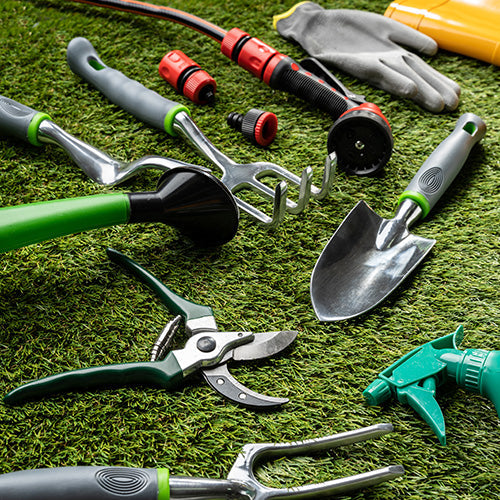
Ergonomic trowels reduce hand strain. Look for curved handles that fit your grip well.
Soft grips improve comfort during long work. Balanced weight helps control the tool better.
- Curved handles match hand shape
- Soft rubber grips prevent slipping
- Lightweight trowels reduce arm fatigue
- Balanced tools improve digging accuracy
Credit: mr-fothergills.co.uk
Cleaning After Each Use
Keeping your garden trowels clean after every use helps them last longer. Dirt and moisture can cause rust and damage.
Cleaning is simple and only takes a few minutes. It keeps your tools ready for the next gardening job.
Removing Soil And Debris
Remove all soil and debris from the trowel blade before storing it. This stops dirt from hardening and causing rust.
- Use a stiff brush to scrub off loose dirt.
- Wipe the blade with a dry cloth to remove remaining bits.
- For stubborn soil, use a putty knife or old toothbrush.
- Clean the handle too, as dirt can build up there.
Using Mild Cleaners
After removing dirt, wash the trowel with mild soap and water. This cleans off sap and sticky residues.
| Cleaning Tip | Details |
| Soap Type | Use gentle dish soap or liquid hand soap |
| Water Temperature | Warm water works best for cleaning |
| Drying | Dry thoroughly with a towel to prevent rust |
| Optional | Apply light oil to blade to protect metal |
Preventing Rust
Rust can damage garden trowels and shorten their life. Taking care of your tools helps keep them strong and ready.
Drying and protecting your trowels prevents moisture from causing rust. Learn simple ways to stop rust from forming.
Drying Techniques
After use, clean soil and debris from your trowel. Dry it well to remove all moisture that causes rust.
- Wipe the trowel with a dry cloth immediately after washing.
- Leave the trowel in a sunny place to air dry completely.
- Use a hairdryer or heat gun on low setting for quick drying.
- Store the trowel in a dry, well-ventilated area.
Applying Protective Coatings
Protective coatings create a barrier against moisture. Regular application keeps rust away and metal shiny.
| Coating Type | Benefits | Application Tips |
|---|---|---|
| Oil (e.g., vegetable or mineral oil) | Easy to apply, repels water | Rub a thin layer on the metal after drying |
| Wax | Long-lasting, adds shine | Apply warm wax and buff with cloth |
| Rust-resistant spray | Fast drying, strong protection | Spray evenly and let dry fully |
Sharpening The Blade
Keeping your garden trowel blade sharp makes digging easier. A sharp blade cuts through soil and roots with less effort.
Regular sharpening keeps your tool effective and extends its life.
Tools For Sharpening
You need the right tools to sharpen your garden trowel blade safely and well.
- Flat file – good for removing rust and sharpening edges
- Sharpening stone – smooths and refines the blade edge
- Angle grinder – for quick sharpening on very dull blades
- Sandpaper – for polishing after sharpening
- Safety gloves – protect your hands while sharpening
When To Sharpen
Knowing when to sharpen helps keep your trowel ready for work.
| Signs to Sharpen | Reason |
| Blade has nicks or dents | Sharpens damaged areas for better cutting |
| Soil feels harder to dig | Dull blade reduces digging efficiency |
| Blade edge looks rounded | Edge no longer cuts cleanly |
| After heavy use | Maintains blade condition regularly |
Storing Garden Trowels
Proper storage keeps garden trowels clean and rust-free. It also helps tools last longer. Storing trowels in the right place makes gardening easier.
Let’s look at the best ways to store your garden trowels. We will cover ideal storage conditions and how to organize your tools.
Ideal Storage Conditions
Store garden trowels in a dry place to avoid rust. Keep them away from direct sunlight to protect wooden handles. A cool, clean area works best.
- Dry environment prevents rust and damage
- Avoid damp basements or outdoors
- Keep away from heat and sunlight
- Use tool racks or shelves for air circulation
Organizing Your Tools
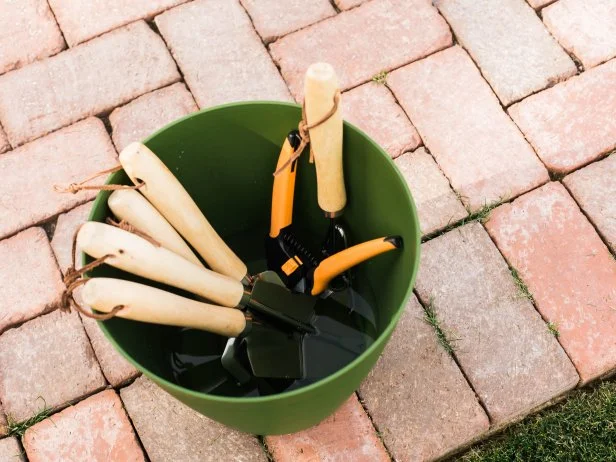
Organizing tools saves time and space. Store trowels with other hand tools for easy access. Label the storage space to keep it tidy.
| Storage Method | Benefits |
| Wall-mounted tool rack | Keeps tools visible and off the ground |
| Toolbox or bin | Protects tools from dust and dirt |
| Hanging hooks | Simple and space-saving |
| Drawer with dividers | Organizes small tools neatly |

Credit: www.anneofalltrades.com
Repairing Minor Damages
Garden trowels are useful tools that need care to last long. Fixing small problems early keeps them working well.
Simple repairs can save you money and time. Let’s look at common minor damages and how to fix them.
Fixing Loose Handles
A loose handle makes the trowel hard to use. Tightening or securing it keeps your tool safe and comfortable.
- Check if the handle wobbles or moves.
- Use wood glue for wooden handles to seal gaps.
- Tighten screws or replace them if worn out.
- Wrap tape around the joint for extra hold.
- Let glue dry fully before using the trowel again.
Addressing Blade Chips
Chipped blades reduce digging power and can hurt plants. Fixing chips improves your trowel’s performance.
| Damage Type | Fix Method | Tools Needed |
| Small Chips | File edges smooth | Metal file, sandpaper |
| Medium Chips | Grind and reshape blade | Bench grinder, file |
| Deep Chips | Consider professional sharpening or replacement | Professional service |
Routine Maintenance Schedule
Keeping your garden trowels in good shape makes gardening easier. Regular maintenance helps tools last longer and work better.
Follow a simple routine for daily care and seasonal checks. This keeps your trowels sharp and rust-free.
Daily Care Tips
After each use, clean your trowel to remove dirt and moisture. This prevents rust and damage.
- Wipe off soil with a dry cloth or brush.
- Check the handle for cracks or loose parts.
- Store the trowel in a dry place, away from rain.
- Apply a light oil coating on the metal blade to stop rust.
Seasonal Checks
Seasonal checks prepare your trowels for long-term use. Inspect every part and fix small problems early.
| Check | Action | Frequency |
| Blade Sharpness | Sharpen with a file or stone | Once every 3 months |
| Rust Spots | Remove with steel wool or sandpaper | Once every 3 months |
| Handle Condition | Sand rough spots and apply wood oil | Once every 6 months |
| Fasteners | Tighten screws or replace if loose | Once every 6 months |
Credit: www.hgtv.com
Frequently Asked Questions
How Often Should I Clean My Garden Trowel?
Clean your garden trowel after each use to prevent rust and dirt buildup. Use water and a brush to remove soil. Dry it thoroughly before storing to maintain its condition and prolong its life.
What Is The Best Way To Sharpen A Garden Trowel?
Use a sharpening stone or file to maintain a sharp edge. Hold the blade at a consistent angle and stroke evenly. Sharpen regularly to ensure efficient digging and cutting performance in your garden.
How Do I Prevent Rust On Garden Trowels?
Apply a thin layer of oil, such as vegetable or machine oil, after cleaning. Store trowels in a dry place to avoid moisture exposure. Regular oiling protects metal parts from rust and corrosion.
Can I Use Household Items To Maintain My Garden Trowel?
Yes, household items like vinegar can remove rust, and baking soda can clean grime. Use an old toothbrush for scrubbing. These simple methods keep your trowel in good working order without special tools.
Conclusion
Maintaining garden trowels keeps them sharp and rust-free. Clean the blade after each use to avoid dirt buildup. Dry tools well to stop rust from forming. Apply a thin layer of oil to protect metal parts. Store trowels in a dry place, away from moisture.
Regular care helps your tools last longer and work better. Simple steps save money and make gardening easier. Keep your trowels ready for the next planting day. A little effort goes a long way in tool care.