Are you ready to tackle your next DIY project but feel a bit intimidated by that little L-shaped tool in your toolbox? You’re not alone.
The hex key, also known as an Allen wrench, is a versatile tool that often leaves people puzzled. But what if I told you mastering this tool could make your projects smoother and more satisfying? Imagine the satisfaction of assembling furniture without a hitch or tightening that loose bike part in seconds.
This guide will demystify the hex key for you, showing you how to use it with confidence and precision. Let’s unlock the secret to making your DIY tasks easier and more efficient!
Credit: www.craftsman.com
Choosing The Right Hex Key
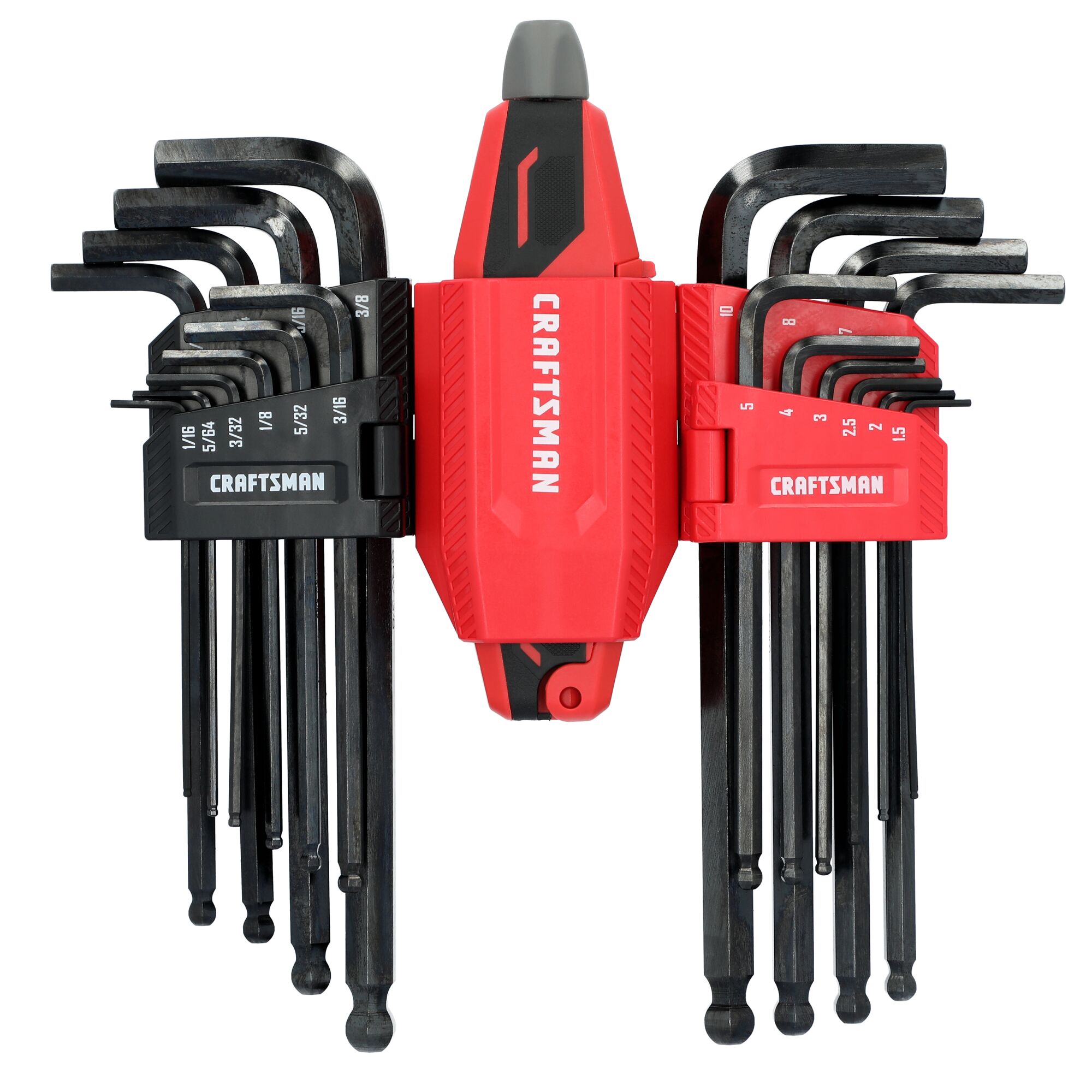
A hex key, also called an Allen wrench, is a small tool used to turn screws with hexagonal sockets. Picking the right hex key helps you work faster and avoid damage.
Different hex keys fit different screws. This guide explains what to look for when choosing one.
Different Sizes And Types
Hex keys come in many sizes. Using the right size stops screws from stripping or slipping. You can find small keys for tiny screws and large ones for heavy-duty bolts.
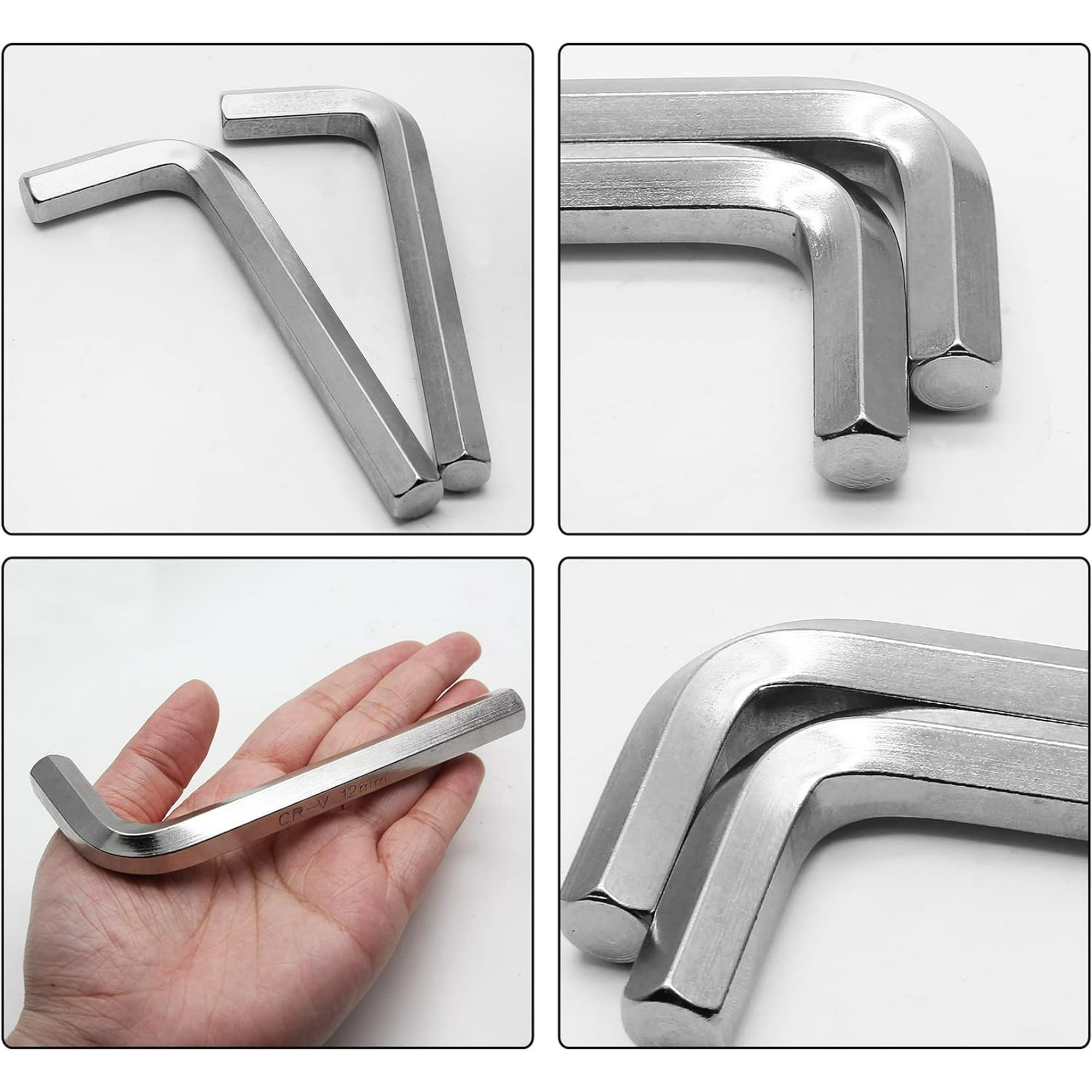
There are also different types of hex keys. Some have a ball end for easier turning at an angle. Others have an L shape for more torque.
- Standard L-shaped hex keys
- Ball-end hex keys for angled use
- T-handle hex keys for more grip
Material And Durability
Hex keys are made from various metals. Strong materials last longer and resist bending. Look for hardened steel or alloy steel keys.
Some hex keys have coatings to stop rust. A durable hex key saves money because it won’t wear out quickly.
- Hardened steel is strong and long-lasting
- Chrome-vanadium steel resists corrosion
- Black oxide coating helps prevent rust
Metric Vs Imperial
Hex keys come in metric and imperial sizes. Metric sizes use millimeters. Imperial sizes use inches. Using the wrong system can damage screws.
Check the screw size before picking a hex key. Metric keys fit metric screws. Imperial keys fit imperial screws. Some sets include both types.
| System | Unit | Example Size |
|---|---|---|
| Metric | Millimeters (mm) | 3 mm |
| Imperial | Inches (in) | 1/8 in |

Credit: www.reddit.com
Basic Hex Key Handling
A hex key, also called an Allen wrench, is a simple tool. It fits into hexagonal screw heads to turn them.
Using it correctly makes tasks easier and prevents damage to screws or the tool.
Proper Grip Techniques
Hold the hex key firmly but not too tight. Grip it near the bend for more control.
Use your thumb and fingers to keep the key steady while turning.
- Hold the short arm for tight spaces
- Use the long arm for more leverage
- Keep your hand close to the screw
Applying Correct Pressure
Apply steady pressure when turning the hex key. Push in to keep it seated in the screw.
Too little pressure can cause slipping. Too much can strip the screw head.
- Push the key straight into the screw
- Turn slowly to avoid slipping
- Stop if you feel resistance
Avoiding Common Mistakes
Do not use a hex key that is too small or too large for the screw. This can damage both.
Avoid using the hex key as a pry bar or lever. It is made for turning screws only.
- Check the size before starting
- Do not force the key if it won’t turn
- Keep the key clean and free of rust
Fixing Common Items
A hex key, also called an Allen wrench, fits hexagonal screws. It helps fix many household items quickly.
This tool is small but strong. It turns screws in tight spaces where other tools can’t reach.
Furniture Assembly
Many furniture pieces use hex screws. A hex key tightens these screws to keep the parts together.
Use the correct size hex key to avoid stripping the screw heads. Turn it clockwise to tighten.
- Check the instruction manual for the right hex key size.
- Insert the hex key fully into the screw to avoid slipping.
- Tighten screws evenly to keep furniture stable.
Bicycle Repairs
Bicycles often have hex screws on brakes, seats, and handlebars. A hex key adjusts these parts.
Loosen screws to move or replace parts. Tighten screws firmly before riding to stay safe.
- Use the right hex key size for each bolt.
- Check tightness regularly to avoid accidents.
- Keep the hex key clean and rust-free for smooth use.
Electronics And Gadgets
Small hex screws hold many electronics together. Use a small hex key to open or fix them.
Be gentle to avoid damaging delicate parts inside gadgets. Keep screws safe when removed.
- Use a magnetic hex key for tiny screws.
- Work on a clean surface to avoid losing screws.
- Store screws in a small container during repairs.
Advanced Tips For Tough Jobs
Using a hex key or Allen wrench can be tricky with tight or damaged screws. These tips help you handle hard tasks with ease.
Learn how to fix stripped screws, use extensions, and apply lubrication for smoother turns.
Dealing With Stripped Screws
Stripped screws lose their grip, making removal hard. Use a rubber band to improve grip between the wrench and screw.
If the rubber band does not work, try using pliers or a screw extractor tool designed for stripped screws.
- Place a rubber band over the stripped screw head.
- Press the hex key into the rubber band and turn slowly.
- Use pliers to grip and turn the screw if accessible.
- Use a screw extractor if the screw is stuck.
Using Extensions And Adapters
Sometimes screws are in deep or tight spaces. Extensions and adapters help reach these hard areas.
Use a hex key adapter to fit different sizes or connect with a power drill for faster work.
- Attach a hex key extension to reach deep screws.
- Use an adapter to change the hex key size quickly.
- Connect the adapter to a drill for speed and power.
Lubrication For Easier Turns
Lubricating screws helps the hex key turn more smoothly. Use light oil or WD-40 on the screw thread.
Apply lubricant, wait a few minutes, then try turning the screw. This reduces friction and prevents damage.
- Apply a small amount of lubricant on the screw.
- Wait 5 to 10 minutes for it to soak in.
- Use your hex key to turn the screw gently.
- Reapply lubricant if the screw is still tight.
Maintenance And Storage
Taking care of your hex keys helps them last longer. Proper storage keeps them easy to find.
Regular maintenance prevents rust and damage. You can work better with clean and organized tools.
Cleaning Your Hex Keys
Clean your hex keys after each use to remove dirt and grease. Use a cloth or brush for this task.
If there is rust, gently scrub with steel wool or use a rust remover. Dry keys well to stop rust from returning.
Organizing For Quick Access
Store your hex keys in a case or holder. This keeps all sizes together and easy to find.
- Use labeled holders with size markings
- Keep keys in a toolbox or drawer
- Arrange keys by size for faster use
When To Replace Your Tools
Check your hex keys for wear before use. Replace any keys that are bent, stripped, or damaged.
Worn keys can slip and damage screws. Using good tools keeps your work safe and easier.
Credit: www.walmart.ca
Frequently Asked Questions
What Is A Hex Key Used For?
A hex key, or Allen wrench, is used to tighten or loosen hexagonal screws. It fits into hex-shaped socket heads. This tool is common in furniture assembly, bicycles, and machinery. It provides better grip and torque than a regular screwdriver.
How Do I Choose The Right Hex Key Size?
Select a hex key that fits snugly into the screw head. Using the wrong size can strip the screw or damage the tool. Measure the screw’s hex socket or try different sizes until you find a perfect fit.
Can Hex Keys Be Used On Other Screws?
Hex keys are designed for hexagonal socket screws only. They do not work well on Phillips or flathead screws. Using a hex key on other screw types can damage both the tool and the screw.
How To Avoid Stripping Screws With A Hex Key?
Ensure the hex key fully fits inside the screw head before turning. Apply steady, even pressure without forcing the tool. Use the correct size and keep the tool and screw clean to prevent slipping.
Conclusion
Using a hex key or Allen wrench is simple and useful. Choose the right size to avoid damage. Insert it fully into the screw for a tight grip. Turn carefully to loosen or tighten screws. Practice a few times to feel confident.
Keep your tools clean and store them safely. These small steps help you fix things quickly. A hex key is a handy tool for many jobs. Try it yourself and see how easy it can be.