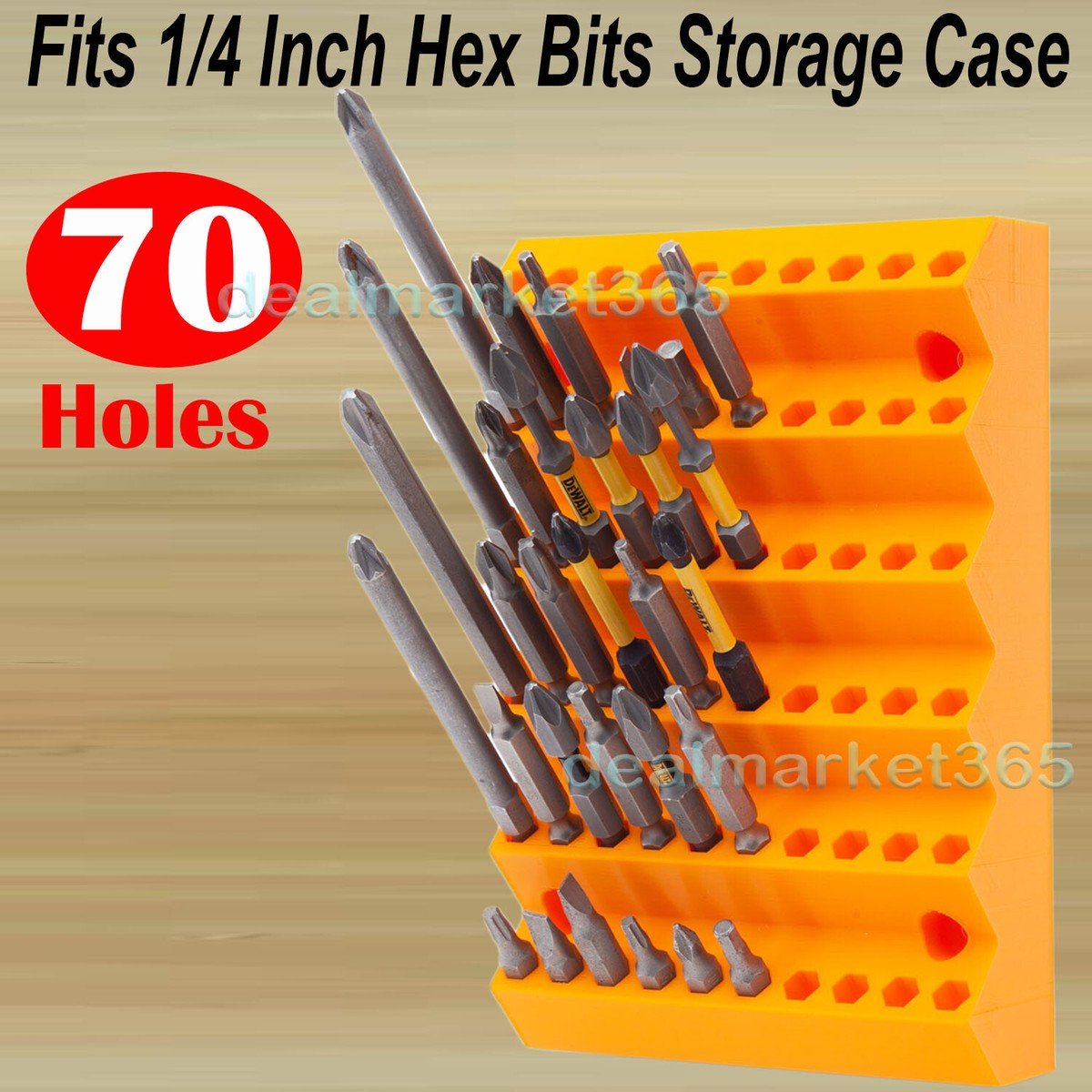
Are you tired of searching for the right drill bit in a chaotic toolbox every time you start a project? If your drill bits are scattered, dull, or lost, it might be time to rethink how you store them.
Proper storage not only extends the life of your drill bits but also saves you precious time and frustration. Imagine the ease and efficiency of having your drill bits neatly organized and readily accessible. In this guide, we’ll show you exactly how to store drill bits in cases, ensuring your tools are always in top condition and ready to tackle any task.
Stay with us, and you’ll discover simple yet effective strategies that will transform your DIY experience.

Credit: www.youtube.com
Choosing The Right Case
Storing drill bits properly helps keep them safe and easy to find. A good case protects bits from damage and rust. You should pick a case that fits your needs and tools.
This guide covers types of drill bit cases, materials used, and size choices. These tips will help you choose the best case for your drill bits.
Types Of Drill Bit Cases
Drill bit cases come in many styles. Some are simple pouches, while others have molded slots. Hard cases give more protection but are heavier. Soft cases are light and easy to carry.
- Plastic cases with individual slots keep bits organized
- Metal cases offer strong protection and last long
- Fabric pouches are flexible and good for small sets
- Magnetic trays hold bits securely and allow quick access
Materials And Durability
Material affects how long a case lasts and how well it protects bits. Plastic cases resist water and dirt. Metal cases are tough but can rust if not cared for. Fabric cases wear out faster but are easy to clean.
| Material | Durability | Protection | Weight |
| Plastic | High | Good | Light |
| Metal | Very High | Excellent | Heavy |
| Fabric | Medium | Fair | Very Light |
Size And Capacity Considerations
Choose a case size that fits your drill bit collection. A case too small can damage bits. A case too large is hard to carry. Think about future additions to your set.
- Count how many bits you have now
- Pick a case with some extra space
- Consider the types and sizes of bits you own
- Check if the case fits your toolbox or bag
Preparing Drill Bits For Storage
Storing drill bits correctly helps keep them sharp and ready for use. Proper preparation prevents rust and damage.
Follow a few simple steps before placing your drill bits in their cases. This will extend their life and improve performance.
Cleaning And Drying Bits
Remove dirt, grease, and metal shavings from each drill bit after use. Clean bits prevent corrosion and wear.
- Wipe bits with a clean cloth or brush.
- Use a mild solvent or soapy water if needed.
- Dry bits completely to stop rust from forming.
Inspecting For Damage
Check each drill bit for signs of wear or damage. Using damaged bits can cause poor results and tool problems.
| Type of Damage | What to Look For | Action |
| Dull edges | Edges look rounded or blunt | Sharpen or replace |
| Chips or cracks | Visible breaks or missing pieces | Discard damaged bit |
| Bent shank | Bit is not straight | Replace to avoid tool damage |
Grouping By Type And Size
Organize bits in cases by their type and size. This saves time and keeps your tools neat.
- Group twist bits, spade bits, and masonry bits separately.
- Arrange bits from smallest to largest diameter.
- Label compartments to find bits quickly.
- Use foam inserts or dividers to keep bits from moving.
Organizing Drill Bits Inside The Case
Keeping drill bits organized inside their case helps you find the right bit fast. A tidy case prevents damage and saves time during projects.
There are simple ways to arrange drill bits using inserts, labels, and smart placement. These tips make your case neat and easy to use.
Using Foam Inserts And Dividers
Foam inserts and dividers create separate spaces for each drill bit. This stops bits from moving around and getting dull or broken.
You can cut foam to fit your bits or buy ready-made inserts. Dividers also help sort bits by size or type inside the case.
Labeling For Easy Identification
Labels make it quick to spot the drill bit you need. You can use stickers, tape, or write directly on the case or foam.
- Mark sizes clearly with large numbers or letters.
- Use different colors for each type of bit.
- Place labels near the bit slots for easy reading.
- Update labels if you add new bits or change the layout.
Arranging By Frequency Of Use
Put your most-used drill bits in the easiest spots to reach. Less-used bits can stay in back or in less visible areas.
| Placement | Description |
| Front row | Bits used daily or weekly |
| Middle section | Bits used monthly |
| Back or side | Specialty or rare bits |
Maintaining Drill Bit Condition
Storing drill bits properly keeps them sharp and ready to use. Good care helps avoid damage and saves money.
This guide explains how to store drill bits in cases to maintain their condition. Follow these tips for longer tool life.
Preventing Rust And Corrosion
Rust and corrosion reduce drill bit performance. Keep bits dry and clean before storing them in cases.
- Wipe bits with a dry cloth after use.
- Apply a light coat of machine oil to metal surfaces.
- Store bits in a moisture-free case or use silica gel packs.
- Keep cases in cool, dry areas away from humidity.
Regular Maintenance Tips
Check drill bits often for wear or damage. Clean and sharpen bits before storing them to keep them effective.
| Maintenance Task | Frequency | Purpose |
| Cleaning | After every use | Remove debris and dust |
| Sharpening | When dull | Improve cutting efficiency |
| Lubrication | Monthly | Prevent rust |
| Inspection | Before storage | Check for cracks or chips |
Safe Handling Practices
Handle drill bits carefully to avoid damage. Store them in their cases to keep them organized and safe.
- Always place bits in the correct slot in the case.
- Do not toss bits loosely into boxes or drawers.
- Keep sharp bits away from hard objects that can dull them.
- Use protective gloves when handling bits to avoid injury.
Maximizing Portability And Accessibility
Keeping drill bits organized helps you work faster and stay safe. Using cases designed for drill bits improves portability and accessibility.
Good storage cases protect drill bits from damage and keep them easy to find. This saves time and effort on any project.
Compact Case Designs
Compact cases save space and make it easy to carry drill bits. They often have slots to hold bits securely in place.
Look for cases with sturdy materials and simple locks. A slim design fits well in tool bags and backpacks.
- Holds multiple bit sizes
- Lightweight and durable
- Protects bits from dust and moisture
- Easy to store in small spaces
Carrying And Storage Tips
Keep drill bit cases in a dedicated tool bag to avoid losing them. Always close the case tightly to prevent bits from falling out.
Store your cases in a dry place to stop rust. Label cases with bit sizes or types for quick identification.
- Use tool bags with padded compartments
- Carry only the bits you need
- Label cases clearly
- Store cases upright to save space
Quick Access Solutions
Choose cases with clear lids or windows to see bits without opening. Some cases have flip-top lids for fast access.
Magnetic strips inside a case hold bits in place and let you grab them quickly. Organizers with numbered slots speed up bit selection.
- Clear or transparent case tops
- Flip-top or hinged lids
- Magnetic bit holders
- Numbered or labeled slots

Credit: riteacademy.com

Credit: www.tradiemods.au
Frequently Asked Questions
How Do I Organize Drill Bits In A Case?
Organize drill bits by size and type inside the case compartments. Use labeled slots or foam inserts for easy access. Keeping them sorted prevents damage and saves time during projects.
What Is The Best Case For Storing Drill Bits?
A sturdy plastic or metal case with individual compartments is ideal. Cases with foam padding offer extra protection against moisture and impact. Choose a case that fits your drill bit collection size.
How Can I Prevent Drill Bits From Rusting In Cases?
Store drill bits in a dry, cool place inside the case. Use silica gel packs or rust inhibitors to absorb moisture. Regularly clean and oil bits before storage to extend their lifespan.
Can I Store Different Drill Bit Types Together?
Yes, but separate them using labeled compartments or dividers. Mixing types can cause damage or confusion. Organizing by type ensures quick identification and preserves bit quality.
Conclusion
Storing drill bits properly keeps them sharp and ready to use. Use cases that fit each bit to avoid damage. Label your cases for quick and easy access. Clean bits before storing to prevent rust and dirt. Organize by size or type to save time.
Good storage protects your tools and helps your work. Simple steps make a big difference in tool care. Keep your drill bits safe, and they will last longer.