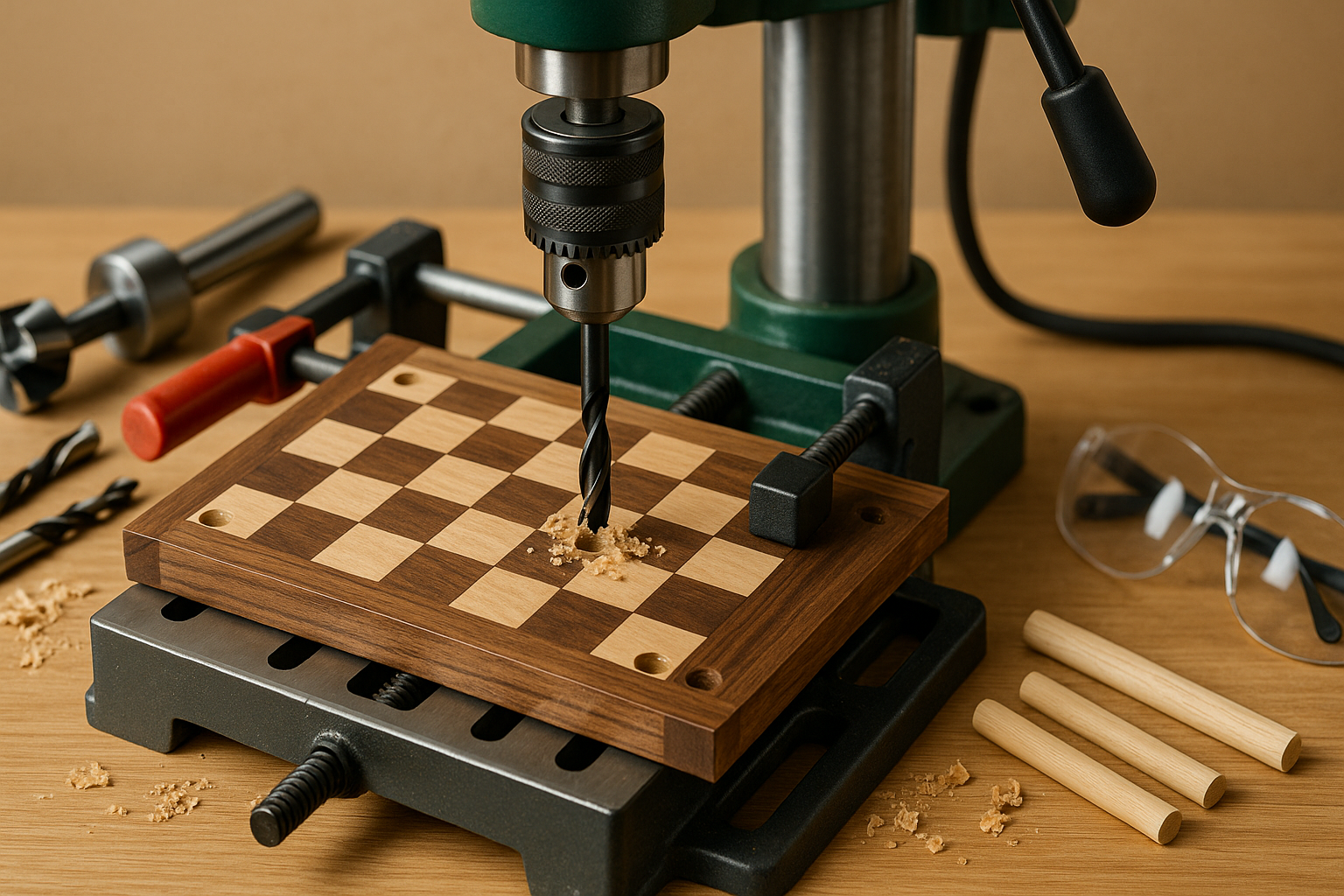
When you step into your workshop, you aim for precision, power, and perfection. The drill press stands as a quintessential tool to help you achieve just that.
But amidst the hum of machinery, safety must always be your top priority. Imagine the peace of mind you’ll have knowing that you can handle this powerful tool with confidence and care. We’ll unlock essential tips for operating a drill press safely, ensuring that your projects not only meet your standards but also keep your well-being intact.
Ready to transform your workshop experience and master safety like never before? Let’s dive into the details that will keep you and your projects on the right track.

Credit: www.familyhandyman.com
Safety Gear Essentials
Using a drill press needs proper safety gear to protect you from harm. Wearing the right equipment lowers the risk of injuries.
This guide covers key safety gear to wear and how to use it correctly while operating a drill press.
Choosing The Right Protective Equipment
Pick safety gear that fits well and meets safety standards. Your gear should protect against flying debris, dust, and sharp objects.
- Wear a face shield or safety glasses to protect your eyes.
- Use hearing protection if the drill press is loud.
- Choose gloves that offer grip but do not get caught in moving parts.
- Wear tight-fitting clothing to avoid loose fabric getting caught.
- Use sturdy closed-toe shoes to protect your feet.
Proper Use Of Safety Glasses And Gloves
| Safety Gear | How to Use | Why It Matters |
|---|---|---|
| Safety Glasses | Wear glasses that fully cover your eyes and have side shields. | Protects eyes from flying chips and dust. |
| Gloves | Use gloves made for mechanical work that fit snugly. | Protects hands but should never be loose to avoid accidents. |
Credit: www.woodwardfab.com
Preparing The Work Area
Setting up a safe work area is key when using a drill press. A clean and well-lit space helps prevent accidents. Organize tools and clear clutter before starting your work.
Good ventilation keeps the air fresh and reduces dust. This makes the work environment safer and more comfortable.
Clearing Clutter And Organizing Tools
Keep the area around the drill press free from loose items. Clutter can cause trips or get caught in the machine. Store tools in a designated spot near your workspace.
- Remove scraps and debris regularly
- Place drill bits in labeled holders
- Keep wrenches and clamps nearby but not on the machine
- Check that cords and hoses do not block walkways
Ensuring Adequate Lighting And Ventilation
Bright light helps you see clearly while drilling. Position lights to reduce shadows on your workpiece. Fresh air lowers dust and fumes from the drilling process.
| Tip | Why It Matters |
| Use overhead LED lights | Provides bright, even lighting |
| Install a small fan or exhaust | Removes dust and fumes |
| Open windows if possible | Improves fresh air flow |
| Keep light switches within reach | Allows quick adjustment |
Machine Setup Tips
Setting up your drill press properly is important for safe use. A good setup helps prevent accidents.
Follow these tips to prepare your drill press before you start working.
Securing The Drill Press To A Stable Surface
Always fix the drill press to a solid surface. This stops it from moving while you work.
Use bolts or clamps to fasten the base to a workbench or floor.
- Check the surface is level and strong
- Tighten all mounting bolts firmly
- Use rubber pads to reduce vibrations
- Make sure the drill press does not rock
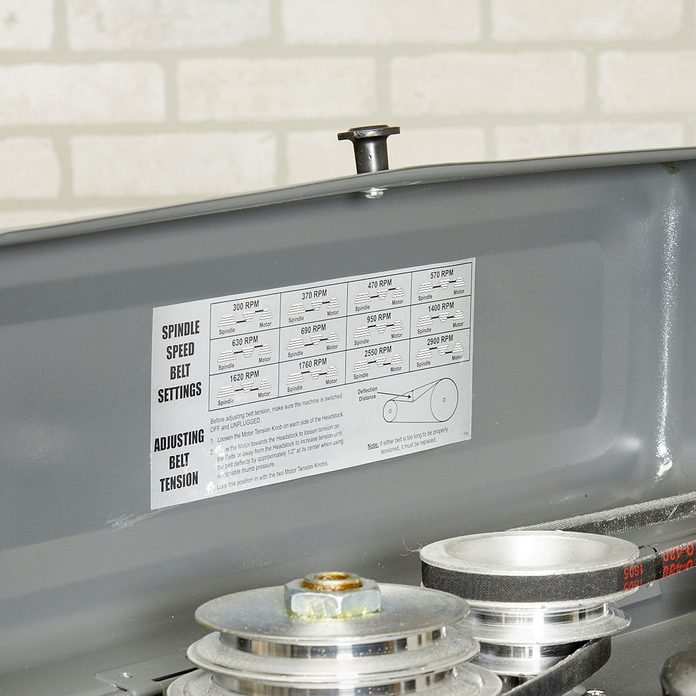
Adjusting Speed And Feed Settings
Choose the right speed for the material you drill. Too fast or slow can cause damage or injury.
Set the feed rate to control how fast the drill bit cuts into the material.
| Material | Recommended Speed (RPM) | Feed Rate |
|---|---|---|
| Softwood | 1500-2000 | Moderate |
| Hardwood | 1000-1500 | Slow |
| Metal | 500-1000 | Very Slow |
| Plastic | 1000-1500 | Moderate |
Material Handling
Handling materials safely is key when using a drill press. Proper care prevents accidents and damage.
Always prepare your workpiece correctly before drilling. This ensures better control and safety.
Clamping Workpieces Correctly
Secure the material firmly before drilling. Loose pieces can spin or fly off, causing injury.
Use clamps or a vise to hold the workpiece in place. Make sure it does not move during drilling.
- Choose clamps that fit the material size and shape
- Check that the clamps are tight and stable
- Place clamps away from the drill bit path
- Use a backup block under thin materials to prevent tear-out
Avoiding Hand Placement Near The Drill Bit
Keep your hands away from the drill bit at all times. This reduces the risk of cuts and injuries.
Use push sticks or clamps to hold small pieces. Never hold the workpiece by hand when drilling.
- Do not wear loose gloves or jewelry near the drill press
- Use tools to remove cut pieces, not your fingers
- Stand clear of the drill bit’s rotation path
- Turn off the machine before adjusting the workpiece or bit
Operating Procedures
Using a drill press safely requires clear steps and steady control. Follow proper methods to avoid accidents and get the best results.
Focus on how you start, stop, and apply pressure during drilling. These actions help protect you and the machine.
Starting And Stopping Techniques
Always check that the drill bit is secure before turning on the machine. Make sure the workpiece is clamped tightly. Start the drill press at a low speed and increase it as needed.
- Ensure the drill bit is firmly in place.
- Clamp the material securely to the table.
- Turn on the drill press slowly.
- Adjust speed only after the drill is running smoothly.
- Turn off the machine before removing the workpiece.
Maintaining Proper Drilling Pressure
Use steady, even pressure when drilling. Pressing too hard can break the bit or damage the material. Too little pressure causes the bit to slip and wear out.
| Pressure Level | Effect |
| Too High | Bit may break or overheat |
| Proper | Clean hole and longer bit life |
| Too Low | Bit slips and dulls quickly |
Maintenance And Inspection
Operating a drill press safely requires regular maintenance and inspection. Keeping the machine in good condition helps prevent accidents and extends its life.
Check the drill press often to find any problems early. Proper care keeps the machine working smoothly and safely.
Regular Cleaning And Lubrication
Clean the drill press after each use to remove dust and debris. Dirt can cause parts to wear out faster or stop working properly.
Lubricate moving parts regularly to reduce friction. Use the right oil or grease as recommended by the manufacturer.
- Wipe down the table, base, and column
- Remove metal shavings from the chuck and spindle
- Apply oil to the spindle, gears, and other moving parts
- Check the lubrication points before each use
Checking For Wear And Damage
Inspect the drill press parts for signs of wear or damage. Replace worn parts to keep the machine safe and accurate.
Look closely at belts, pulleys, the chuck, and electrical cords. Any cracks, frays, or loose parts need immediate attention.
- Check belts for cracks or stretching
- Inspect the chuck for tightness and damage
- Look for loose bolts and screws
- Examine power cords for cuts or wear
- Test the safety guards and switches
Emergency Preparedness
Using a drill press can be risky without proper preparation. Emergencies may happen unexpectedly. Knowing how to act fast can reduce injuries and damage.
Being ready means understanding accident response and having first aid supplies nearby. These steps keep the workspace safer for everyone.
Knowing How To Respond To Accidents
Quick and calm actions help during drill press accidents. First, stop the machine immediately. Then, check the injured person’s condition. Call for help if needed.
- Turn off the drill press power.
- Remove the drill bit from the workpiece carefully.
- Check for bleeding or broken bones.
- Call emergency services if injury is severe.
- Stay with the injured person until help arrives.
Keeping First Aid Supplies Accessible
Having a first aid kit close to the drill press saves time in emergencies. Supplies should be checked regularly and replaced when used or expired.
| Item | Purpose | Location |
| Bandages | Cover cuts and scrapes | First aid box on workbench |
| Antiseptic wipes | Clean wounds | First aid box on workbench |
| Gauze pads | Stop bleeding | First aid box on workbench |
| Adhesive tape | Secure bandages | First aid box on workbench |
| Gloves | Protect from infection | First aid box on workbench |
Credit: www.familyhandyman.com
Frequently Asked Questions
How Do I Prepare A Drill Press For Safe Use?
Always wear safety goggles and secure loose clothing. Check the drill press for damage. Tighten all clamps and ensure the workpiece is firmly clamped before starting.
What Are Key Safety Tips When Using A Drill Press?
Keep hands clear of the drill bit and avoid wearing gloves. Use a brush to remove debris, never your hands. Turn off the machine before adjustments or changing bits.
How To Prevent Drill Bit Breakage While Drilling?
Use the correct speed and feed rate for the material. Avoid excessive force. Regularly sharpen or replace dull bits to ensure safe, efficient drilling.
Why Is Securing The Workpiece Important In Drill Press Use?
A firmly secured workpiece prevents slipping or spinning. This reduces risk of injury and ensures accurate, clean holes every time you drill.
Conclusion
Operating a drill press safely protects you and your work. Always wear proper safety gear and keep your workspace clean. Follow all instructions and double-check your setup before starting. Stay focused and avoid distractions while drilling. Small steps like these prevent accidents and help you work with confidence.
Safety is simple but very important. Keep these tips in mind every time you use a drill press. Your safety matters most.