Imagine transforming your garden into a lush oasis, even in those challenging tight spots. Does it feel like a daunting task?
You’re not alone. Many gardeners struggle with cultivating narrow corners and compact spaces. But what if I told you that there’s a simple tool that can make this task easier and more efficient? Enter the hand cultivator. This small yet mighty tool is your secret weapon for maneuvering through the most cramped garden areas with ease.
You’ll discover practical tips for using a hand cultivator in tight areas, ensuring that every inch of your garden can flourish. Stay with us, and unlock the secrets to mastering your garden’s hidden spaces.
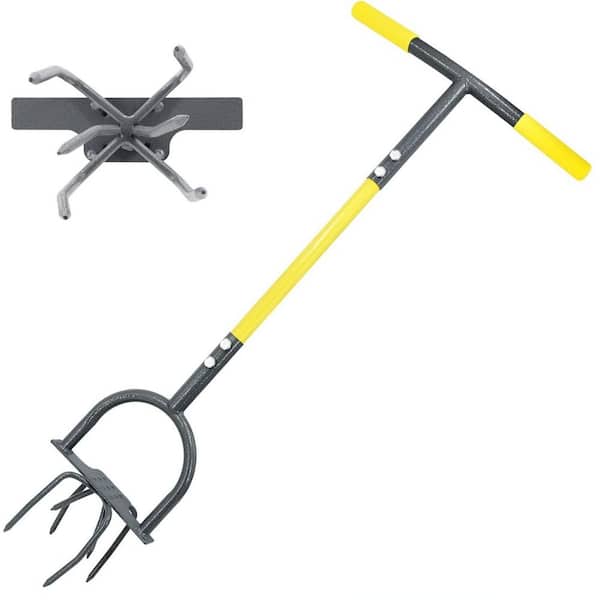
Credit: www.homedepot.com
Choosing The Right Hand Cultivator
Using a hand cultivator in tight areas can be tricky without the right tool. Picking the proper cultivator helps you work better and saves time.
This guide covers what types of hand cultivators exist, how size and design affect use, and which materials last the longest.
Types Of Hand Cultivators
Hand cultivators come in several types. Each type suits different tasks and spaces. Knowing these helps you pick the best one for tight areas.
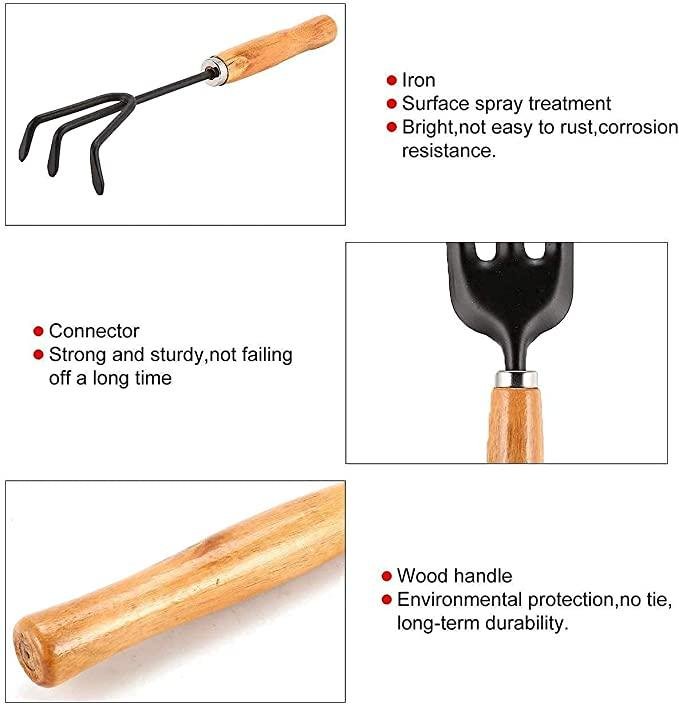
- Three-Prong Cultivator:Good for loosening soil and removing weeds in small spaces.
- Hand Rake:Has multiple thin tines, ideal for breaking clumps and spreading mulch.
- Loop Cultivator:Features a looped blade that cuts weeds close to roots.
Size And Design Considerations
Choose a cultivator size that fits your hand and the tight spaces you work in. Smaller heads fit narrow spots better.
| Feature | Benefit | Tip |
|---|---|---|
| Handle Length | Controls reach and leverage | Short handles work best in tight spots |
| Weight | Ease of use without fatigue | Lightweight tools reduce strain |
| Grip Type | Comfort and control | Choose soft, non-slip grips |
Material And Durability
Durable materials make your cultivator last longer. They also stand up to tough soil and wet conditions.
- Steel:Strong and rust-resistant when coated. Good for heavy use.
- Aluminum:Lightweight but less strong. Best for light gardening.
- Wood Handles:Comfortable but may need care to prevent cracking.
- Plastic Handles:Easy to clean but can break more easily.

Credit: www.meesho.com
Preparing The Soil In Confined Spaces
Working in tight garden spots needs special care. The soil must be ready for planting. Using a hand cultivator helps make soil loose and healthy.
Preparing soil well in small areas helps plants grow better. This guide gives tips on how to do it right.
Clearing Debris And Weeds
Remove leaves, sticks, and old plants from the soil surface. This clears the way for the cultivator to work well.
Weeds take nutrients from your plants. Pull them out by hand or use the cultivator gently to remove roots.
- Pick up fallen leaves and twigs
- Pull weeds before they grow tall
- Clear roots from crowded spots
Moisture Levels For Easy Cultivation
Soil needs the right moisture to be easy to work with. Too dry soil is hard and breaks tools. Too wet soil clumps and feels sticky.
Check soil by squeezing a small amount in your hand. It should hold shape but crumble easily when you touch it.
- Water the soil a day before working
- Wait if soil is very wet after rain
- Avoid working soil when it is dry and hard
Loosening Compact Soil
Compact soil blocks roots from growing well. Use the hand cultivator to break up tight soil. This helps air, water, and nutrients reach roots.
Work in small sections. Push the cultivator gently into the soil and pull it back to loosen the dirt.
- Work in rows or small patches
- Use gentle pressure to avoid damaging roots
- Repeat if soil is very hard or dense
Techniques For Maneuvering In Tight Spots
Using a hand cultivator in small spaces can be tricky. You need good control and careful movements.
This guide covers ways to hold and move the tool for the best results in tight areas.
Optimal Hand Positions
Hold the hand cultivator firmly but not too tight. Keep your hand close to the tool’s head for better control.
- Grip near the base of the handle for power
- Hold closer to the tines for precision
- Use your fingers to adjust pressure gently
- Keep your wrist straight to avoid strain
Effective Angles For Cultivating
Angle the cultivator to match the soil condition. Shallow angles work well in soft soil, while steeper angles help in compact soil.
| Soil Type | Recommended Angle |
| Soft | 15 to 30 degrees |
| Medium | 30 to 45 degrees |
| Compact | 45 to 60 degrees |
Using Wrist Movements Efficiently
Small wrist motions help guide the cultivator in tight spaces. Avoid large arm movements that waste energy.
- Move your wrist side to side smoothly
- Keep your wrist relaxed to prevent cramps
- Use your wrist to steer the tool around roots
- Combine wrist and finger movements for best control
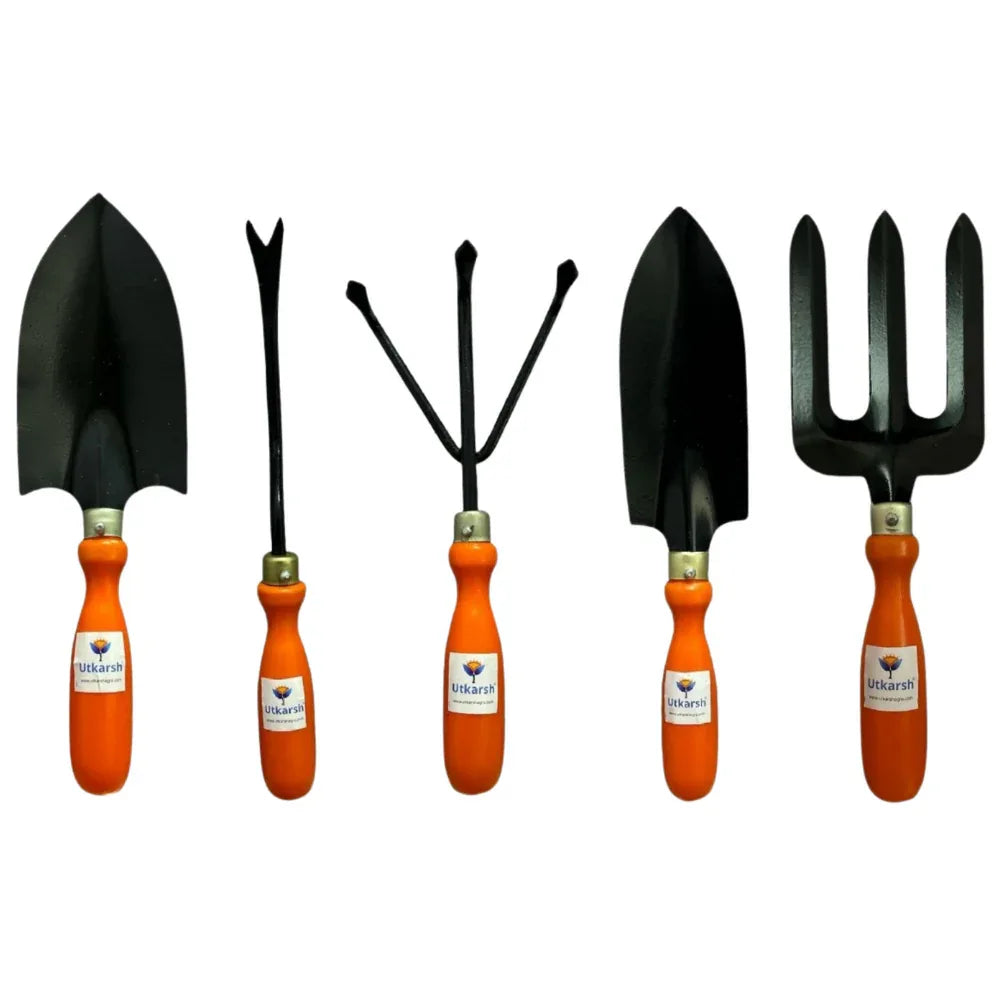
Credit: utkarshagro.com
Maintaining Control And Precision
Using a hand cultivator in tight spaces needs careful control. You want to keep the tool steady and precise.
Good control helps you work without hurting nearby plants or soil structure.
Slow And Steady Movements
Move the cultivator slowly to keep control. Quick movements can cause mistakes.
Take your time to guide the tool where you want it. This helps avoid digging too deep or too wide.
Avoiding Damage To Nearby Plants
Work carefully near other plants to keep their roots and stems safe. Be aware of how close the cultivator is to them.
Use the tool’s narrow edges to avoid hitting plants. This reduces the chance of breaking or uprooting them.
- Watch the space around each plant
- Use gentle pressure near roots
- Adjust your angle to avoid branches
Spot Cultivating Strategies
Focus on small areas that need work instead of cultivating large spaces at once. This keeps your work neat and precise.
Target only the soil that needs loosening or weed removal. This saves time and protects plants.
- Identify specific spots that need cultivation
- Use the hand cultivator to work only those spots
- Check your progress often to avoid overworking soil
Safety Tips While Using A Hand Cultivator
Using a hand cultivator can help you work in small garden spaces. It is important to use it safely to avoid injuries.
Follow these safety tips to protect yourself while working in tight areas with a hand cultivator.
Protective Gear Recommendations
Wear gloves to protect your hands from blisters and cuts. Use safety glasses to keep dirt and debris out of your eyes.
Choose shoes with good grip to avoid slipping. Long sleeves can protect your arms from scratches.
- Sturdy gardening gloves
- Safety glasses or goggles
- Closed-toe shoes with good traction
- Long-sleeved shirts
Preventing Hand And Wrist Strain
Use a hand cultivator with a comfortable handle to reduce strain. Take breaks often to rest your hands and wrists.
Keep your wrist straight while working. Avoid twisting your wrist too much to prevent pain.
- Choose tools with ergonomic handles
- Work in short sessions with breaks
- Keep wrists straight and relaxed
- Use both hands if possible to balance effort
Safe Storage Practices
Store your hand cultivator in a safe place after use. Keep it out of reach of children and pets.
Clean the tool before storage to prevent rust. Hang it or place it in a toolbox to avoid damage.
- Clean the cultivator after each use
- Store in a dry, safe location
- Keep out of children’s reach
- Hang or place in a toolbox
Cleaning And Caring For Your Cultivator
Keeping your hand cultivator clean helps it work well every time. Dirt and debris can damage the tool if not removed.
Good care can make your cultivator last many years. Follow simple steps to clean and store it right.
Removing Soil And Debris
After each use, remove soil and plant matter from the tines and handle. Use a stiff brush or cloth to clean hard-to-reach spots.
- Tap the cultivator gently to loosen dirt.
- Use water and a brush for stuck soil.
- Dry the tool completely to avoid rust.
- Check for any broken parts while cleaning.
Sharpening And Rust Prevention
Sharp tines make cultivating easier and faster. Regular sharpening keeps the tool effective.
| Task | How to Do It |
|---|---|
| Sharpening | Use a metal file to sharpen each tine’s edge. File in one direction. |
| Rust Prevention | Apply light oil on metal parts after cleaning and drying. |
Proper Storage To Extend Life
Store your cultivator in a dry place to prevent damage. Avoid leaving it outdoors where rain can cause rust.
- Hang the tool on a wall hook to keep tines off the ground.
- Keep it away from direct sunlight to protect the handle.
- Cover with a cloth or store in a shed.
Frequently Asked Questions
What Is The Best Hand Cultivator For Tight Spaces?
Choose a hand cultivator with a narrow head and ergonomic handle. This design fits well into tight garden areas. Look for durable materials and sharp tines for effective soil loosening and weed removal in confined spots.
How To Use A Hand Cultivator In Narrow Garden Beds?
Hold the cultivator firmly and insert the tines vertically. Use gentle back-and-forth motions to loosen soil without damaging nearby plants. Work slowly to reach tight corners and avoid compacting soil around roots.
Can Hand Cultivators Improve Soil Aeration In Small Areas?
Yes, hand cultivators break up compacted soil in tight spaces. This process increases air and water flow to plant roots. Regular cultivation helps promote healthy root growth and improves overall plant health in restricted garden zones.
How Often Should I Use A Hand Cultivator In Tight Areas?
Use a hand cultivator weekly during the growing season. Frequent cultivation prevents weed growth and maintains loose soil. Avoid over-cultivating, which can disturb plant roots and soil structure in small garden patches.
Conclusion
Using a hand cultivator in tight spaces takes patience and care. Small, steady movements help avoid damaging plants nearby. Keep your tool clean and sharp for best results. Always work slowly to control the cultivator easily. With practice, your garden will look neat and healthy.
Tight areas need special attention, but the effort pays off. Enjoy the process of tending your garden bit by bit. Your plants will thank you for the gentle care.
